The air hung thick with humidity in Caracas that day. The scent of arepas mingled with the exhaust fumes of vintage American cars, relics of a bygone era. But beneath the surface of everyday life, a political storm was brewing. It was 2019, and the world watched as the Trump administration ratcheted up pressure on Venezuela, openly supporting opposition leader Juan Guaidó. The talk of US interventions, sanctions, and even military options filled the streets, stirring up a mixture of hope and dread. (I remember thinking, “Here we go again,” recalling the long history of American involvement in Latin America.)
The Venezuela crisis under Trump wasn’t just a blip on the radar; it was a complex geopolitical chess match with deep historical roots. The US had long been involved in the region, sometimes overtly, sometimes covertly, often with disastrous consequences. The question on everyone’s mind: Was this just another instance of American meddling, or was there something different about Trump’s approach? What lessons could be gleaned from past US interventions to understand the potential outcomes of this high-stakes gamble? This wasn’t just about oil, though that certainly played a role. This was about power, influence, and the very definition of sovereignty.
Looking back, the Trump administration’s Venezuela policy was characterized by a series of escalating measures: recognition of Guaidó as interim president, crippling sanctions on the Venezuelan oil industry, and repeated threats of military action. The stated goal? To oust President Nicolás Maduro and restore democracy to the oil-rich nation. But critics argued that these actions were counterproductive, exacerbating the humanitarian crisis and further destabilizing the region. (One Venezuelan friend told me, “They think they’re helping, but they’re just making things worse.”) To understand this situation, we need to examine the historical context of US interventions in Latin America and analyze how Trump’s Venezuela gambit aligns with or deviates from past patterns.

And that’s what we’re going to unpack in detail. We’ll delve into the historical precedents, analyze the specific actions taken by the Trump administration, and assess the long-term consequences of this interventionist approach. Ready to dive in? Because this is going to be a bumpy ride through the messy world of international politics.
Historical Precedents: A Legacy of Intervention
The history of US interventions in Latin America is long and often controversial. From the Monroe Doctrine in the 19th century to the Cold War era, the United States has repeatedly intervened in the affairs of its southern neighbors, often citing national security interests or the need to protect American businesses. These interventions have taken various forms, including military invasions, support for coups, economic sanctions, and covert operations.
One of the most infamous examples is the 1954 CIA-backed coup in Guatemala, which overthrew the democratically elected government of Jacobo Árbenz. Árbenz’s land reform policies threatened the interests of the United Fruit Company, a powerful American corporation with close ties to the Eisenhower administration. The coup resulted in decades of political instability and violence in Guatemala. “It was a disaster,” a retired CIA operative admitted in a documentary years later. “We thought we were doing the right thing, but we unleashed a monster.” The parallels with Venezuela, especially regarding the importance of natural resources (in Guatemala’s case, bananas, in Venezuela’s case, oil), are unsettling. And it highlights the dangers of prioritizing corporate interests over democracy and stability. Remember the Bay of Pigs in Cuba? Or the support for Pinochet in Chile? The list goes on.
The Cold War Context
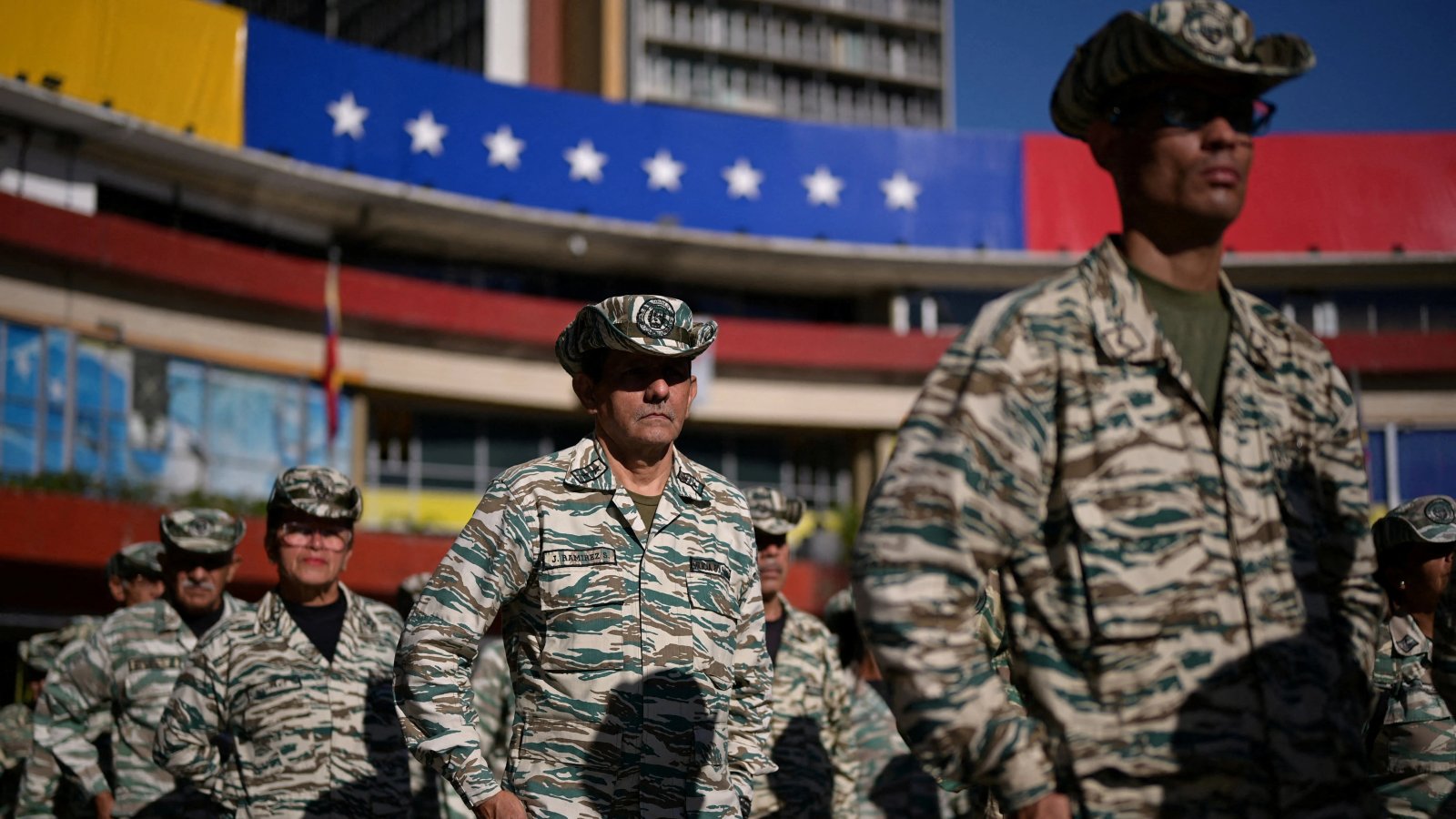
During the Cold War, the United States viewed Latin America through the lens of containing communism. This led to interventions in countries like Chile, Nicaragua, and El Salvador, often supporting authoritarian regimes that were perceived as anti-communist. The justification was always the same: preventing the spread of Soviet influence. But the consequences were devastating, fueling civil wars, human rights abuses, and widespread poverty.
Consider the case of Chile. In 1973, the CIA helped orchestrate a coup that overthrew the democratically elected socialist government of Salvador Allende. Allende’s policies, which included nationalizing key industries, were seen as a threat to American interests. General Augusto Pinochet, a brutal dictator, then ruled Chile for 17 years, during which thousands of people were killed, tortured, or disappeared. The US involvement in Chile remains a stain on American foreign policy, a stark reminder of the dangers of prioritizing ideological goals over human rights. Even now, you can hear the echoes of that era in the political debates across Latin America.
These historical precedents demonstrate a pattern of US interventions in Latin America driven by a combination of economic interests, ideological concerns, and geopolitical considerations. The question is, how does Trump’s Venezuela gambit fit into this historical context?
Trump’s Venezuela Policy: A New Approach?
While the Trump administration’s Venezuela policy shared some similarities with past US interventions, it also exhibited some unique characteristics. Trump’s rhetoric was particularly aggressive, openly calling for Maduro’s ouster and even hinting at military intervention. This was a departure from the more nuanced approach often taken by previous administrations, even those that were highly interventionist.
The key elements of Trump’s Venezuela policy included:
- Recognition of Juan Guaidó as interim president
- Imposition of crippling sanctions on the Venezuelan oil industry
- Diplomatic pressure on other countries to support Guaidó
- Repeated threats of military action
The rationale behind these actions was that Maduro’s government was illegitimate, corrupt, and responsible for the country’s economic collapse and humanitarian crisis. The Trump administration argued that only a change in leadership could restore democracy and stability to Venezuela. I recall watching news conferences where officials would confidently predict Maduro’s imminent downfall. It felt like a movie, but the reality on the ground was far more complex.
The Role of Oil
While the Trump administration framed its Venezuela policy as a defense of democracy, the role of oil cannot be ignored. Venezuela possesses the world’s largest proven oil reserves, and the United States has long been interested in ensuring access to these resources. Sanctions on the Venezuelan oil industry, while ostensibly aimed at weakening Maduro’s government, also had the effect of limiting global oil supply and potentially benefiting American oil companies.
“Let’s be honest,” a former State Department official told me on background. “Oil was always a factor. We’re not going to pretend otherwise.” This doesn’t mean that the Trump administration’s motives were solely economic, but it does suggest that oil played a significant role in shaping the policy.
The Limits of Sanctions
The Trump administration’s reliance on sanctions as a primary tool of foreign policy proved to be problematic in the case of Venezuela. While sanctions did put pressure on Maduro’s government, they also exacerbated the humanitarian crisis and disproportionately harmed ordinary Venezuelans. The country’s economy continued to spiral downward, leading to widespread shortages of food, medicine, and other essential goods.
Critics argued that the sanctions were a form of collective punishment, harming the very people they were intended to help. Moreover, sanctions failed to achieve their stated goal of ousting Maduro. He remained in power, supported by the military and by countries like Russia and China. It became clear that sanctions alone were not enough to bring about political change in Venezuela.
Consequences and Lessons Learned
The Trump administration’s Venezuela policy ultimately failed to achieve its objectives. Maduro remained in power, Venezuela remained in crisis, and the United States was left with a tarnished reputation in the region. What lessons can be learned from this experience?
- Interventionist policies often backfire. History has shown that US interventions in Latin America rarely produce the desired results. They often lead to unintended consequences, such as political instability, violence, and resentment towards the United States.
- Sanctions are a blunt instrument. While sanctions can be effective in certain situations, they should be used sparingly and with careful consideration of their potential impact on civilian populations.
- Diplomacy is essential. A more nuanced and diplomatic approach, involving dialogue with all parties, is often more effective than unilateral pressure.
- Understanding local context is crucial. Foreign policy decisions should be based on a thorough understanding of the local context, including the political, economic, and social dynamics of the country in question.
The Venezuela case highlights the complexities and challenges of foreign policy in the 21st century. It underscores the need for a more cautious, multilateral, and context-sensitive approach to international relations. The world is a complex place, and simple solutions rarely work.
Looking ahead, the Biden administration has adopted a more cautious approach to Venezuela, focusing on humanitarian assistance and diplomatic engagement. But the legacy of Trump’s Venezuela gambit continues to shape US policy in the region. It serves as a cautionary tale about the limits of American power and the dangers of interventionism.
The Future of US-Venezuela Relations
What does the future hold for US-Venezuela relations? It’s a question with no easy answer. The deep divisions within Venezuelan society, the ongoing economic crisis, and the complex geopolitical landscape make it difficult to predict the future.
One thing is clear: a sustainable solution to the Venezuelan crisis will require a broad-based dialogue involving all political actors, as well as the active participation of regional and international partners. The United States can play a constructive role in facilitating this dialogue, but it must do so with humility and respect for Venezuelan sovereignty. The path forward will be long and difficult, but it is essential to avoid repeating the mistakes of the past.
Perhaps the most important lesson from the Venezuela experience is the need for a more nuanced and sophisticated understanding of Latin America. The region is not a monolith, and each country has its own unique history, culture, and political dynamics. A one-size-fits-all approach to foreign policy is doomed to fail. The United States must learn to engage with Latin America on a more equal footing, respecting the sovereignty and autonomy of its neighbors.
As I sit here reflecting on the events of the past few years, I can’t help but feel a sense of sadness and frustration. The Venezuela crisis has caused so much suffering and division. But I also hold onto a glimmer of hope that the lessons learned from this experience will lead to a more peaceful and just future for the region. It’s a long shot, I know. But sometimes, hope is all we have.
The sun is setting now, casting long shadows across the city. The air is cooler, and the sounds of the night are beginning to fill the air. It’s time to close this chapter, but the story of Venezuela is far from over. And the lessons learned from Trump’s gambit will continue to resonate for years to come. The question is, will we learn from them?
Frequently Asked Questions
| What was Trump’s approach to Venezuela? | Trump’s administration pursued a policy of “maximum pressure” on the Maduro regime, recognizing Juan Guaidó as interim president and imposing sanctions on the Venezuelan oil industry. |
| What were the benefits of Trump’s Venezuela policy, if any? | Supporters of Trump’s policy argued it aimed to restore democracy and human rights by weakening Maduro’s hold on power. However, these aims were largely unrealized. |
| How were sanctions implemented against Venezuela? | Sanctions targeted Venezuelan oil exports, financial transactions, and individuals associated with the Maduro government. These measures aimed to cut off revenue streams and isolate the regime internationally. |
| What were the challenges and criticisms of Trump’s Venezuela policy? | Critics argued that the policy exacerbated the humanitarian crisis, failed to remove Maduro from power, and risked further destabilizing the region. Some also questioned the legality and morality of the sanctions. |
| What is the future of US-Venezuela relations? | The future remains uncertain. A sustainable resolution likely requires diplomatic engagement, humanitarian aid, and inclusive dialogue within Venezuela. Whether the US will continue a confrontational approach or pursue a more cooperative path remains to be seen. |
Important Notice
This FAQ section addresses the most common inquiries regarding the topic.