It’s a crisp Saturday morning. The sun, weak but persistent, struggles to break through the November clouds. I’m at a local cars and coffee, sipping lukewarm coffee from a paper cup, and surrounded by the usual suspects: gleaming Mustangs, meticulously restored classic trucks, and a lone, slightly forlorn-looking Mazda RX-8. It’s beautiful, no doubt. That sweeping silhouette, the aggressive stance – pure sports car. But a cloud of apprehension, thicker than the exhaust fumes, hangs over it. Because let’s be honest, that beautiful machine represents a dream for many, a dream often soured by the harsh reality of rotary engine ownership. The allure of the rotary sports car, with its unique power delivery and distinctive sound, is undeniable. We’ve all been there, haven’t we? (I know I have, more times than I care to admit.) But maybe, just maybe, it’s time to face facts.
The whispered concerns, the knowing glances… they tell a story. A story of apex seals, oil consumption, and eye-watering repair bills. A story that suggests the Mazda RX-7, the RX-8, and even the fleeting dream of a future rotary revival might be best left in the realm of posters and video games. I remember talking to a guy here last year, boasting about how he’d got a mint condition RX-7 for a steal, only to see him towed away two weeks later. The pain was real. His pockets, lighter. That beautiful dream? Shattered.
The reality is, the rotary engine’s inherent design quirks make it a far cry from the reliable and affordable performance many crave. It’s a temperamental beast, demanding constant attention and a willingness to open your wallet wide. The promise of lightweight agility and high-revving fun often masks a truth that’s far less appealing. So, before you sink your savings into that sports car you’ve always wanted, let’s have an honest conversation about why it might be time to give up on your rotary sports car dreams. Let’s look at the facts, the figures, and the sheer emotional toll it can take. Because sometimes, the dream just isn’t worth the nightmare.
The Uncomfortable Truth About Rotary Engine Reliability
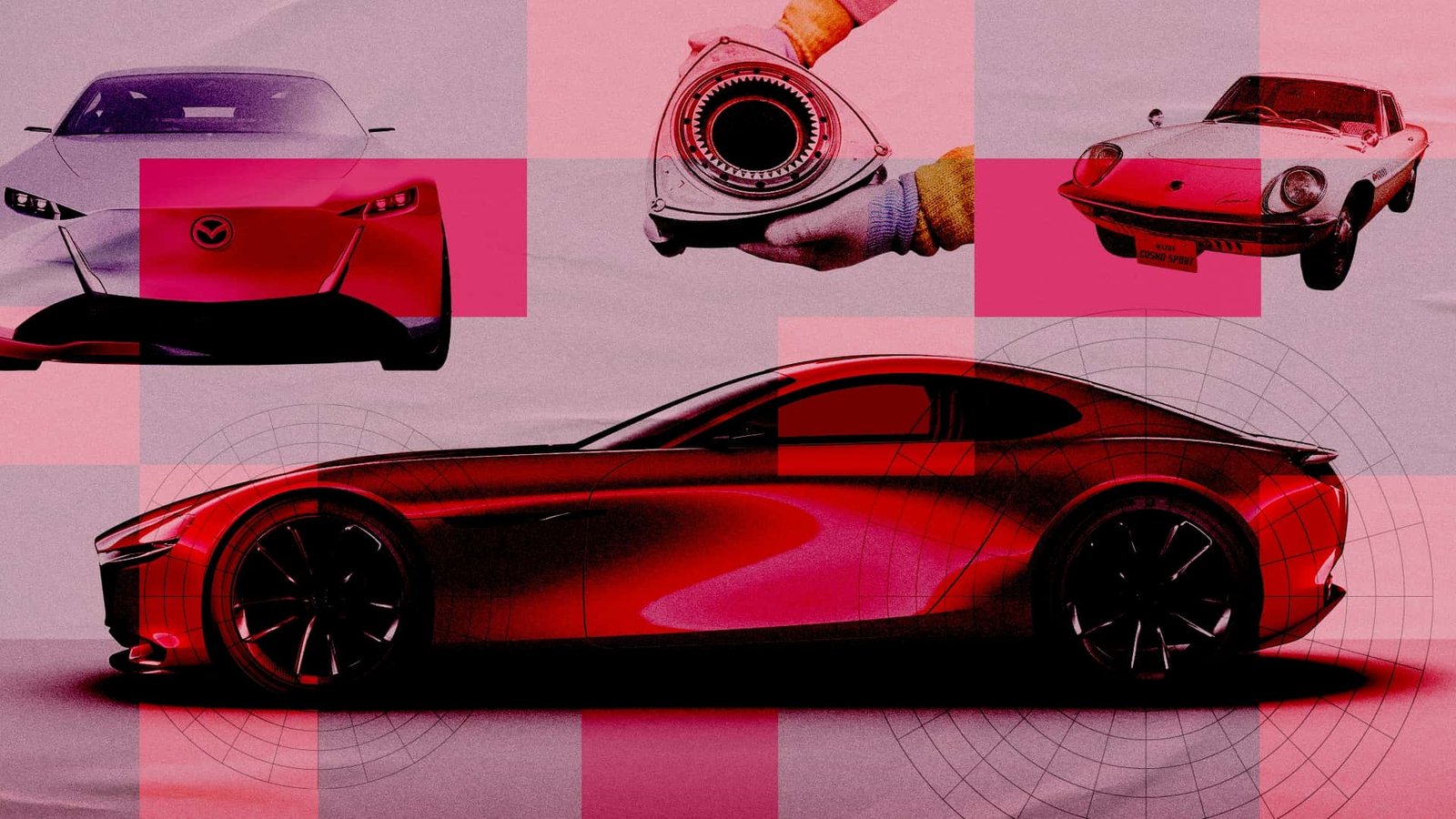
Let’s cut to the chase: rotary engine reliability is, shall we say, a “talking point.” (That’s putting it mildly!) The Wankel engine, the heart of these cars, differs significantly from traditional piston engines. Instead of pistons moving up and down, a triangular rotor spins within a housing. This design offers a unique power delivery and high-revving characteristics, but it also introduces inherent weaknesses. The apex seals, small components that seal the combustion chambers, are the Achilles’ heel of the rotary.
“Apex seals are like the spark plugs of a rotary,” says John, a mechanic specializing in rotary engines at “Rotary Revival” (and someone who’s definitely seen his share of problems). “When they go, they go spectacularly. And it’s not a cheap fix.”
The design of the Wankel engine also inherently leads to higher oil consumption. The oil is injected directly into the combustion chamber to lubricate the apex seals, which means it gets burned along with the fuel. This isn’t necessarily a flaw, but it does mean you’ll be topping up your oil more frequently than in a typical piston engine car. And neglecting to do so can have catastrophic consequences.
Here’s a quick list of potential rotary engine issues:
* Apex seal failure
* High oil consumption
* Carbon buildup
* Cooling issues
* Fuel inefficiency
These issues translate to higher maintenance costs and a greater likelihood of breakdowns. It’s not uncommon for rotary sports car owners to face engine rebuilds far more frequently than their piston-engine counterparts.

The True Cost of Rotary Ownership
Beyond the initial purchase price, owning a rotary sports car can be surprisingly expensive. We’re not just talking about slightly higher gas bills. (Although, let’s be real, fuel economy isn’t exactly a rotary’s strong suit.) We’re talking about the potential for major engine repairs, specialized maintenance, and the constant need for vigilance.
Parts for rotary engines can be more difficult to source and often more expensive than those for traditional piston engines. Because of the engine’s complexity, finding a mechanic qualified to work on it can also be a challenge. General mechanics might shy away from rotary work, leaving you to seek out specialists who often charge a premium for their expertise.
Consider this hypothetical scenario:
You purchase a used RX-8 for $8,000. Sounds like a steal, right? But within six months, the engine needs a rebuild. A reputable rebuild can easily cost $4,000 – $6,000, suddenly turning that bargain into a much less attractive proposition. And that’s just the engine. Factor in the potential for other repairs, like cooling system issues or fuel system problems, and the costs can quickly spiral out of control.
“I loved my RX-7,” admits Sarah, a former owner. “But the constant worry about the engine was exhausting. I was always listening for strange noises, checking the oil, and budgeting for potential repairs. It just wasn’t worth the stress anymore.”
Why The Allure Persists
Despite the downsides, the rotary sports car holds a special place in the hearts of many enthusiasts. The unique driving experience, the distinctive sound, and the sheer coolness factor are hard to resist. The Mazda RX-7, in particular, is a design icon, celebrated for its sleek lines and impressive performance. The RX-8, while not as universally loved, offers a more modern take on the rotary formula.
The appeal isn’t just about the engine itself, it’s about the feeling. The high-revving nature of the Wankel engine creates a sense of urgency and excitement that’s unlike anything else. It’s a visceral experience that connects the driver to the machine in a way that few other cars can. And the rotary’s smooth power delivery can be incredibly rewarding, especially on twisty roads.
Furthermore, the relative rarity of rotary sports cars adds to their appeal. They’re not just another sports car; they’re something special, something different. Owning one is a statement, a declaration of your passion for unique and unconventional engineering. And let’s be honest, there’s a certain amount of street cred that comes with owning a rotary. People notice. They ask questions. You become part of a very specific club.
Alternatives To The Rotary Dream
So, you’re giving up on the rotary. What’s next? The good news is that there are plenty of other fantastic sports car options that offer similar levels of performance and excitement, without the inherent headaches of a rotary engine.
Consider these alternatives:
* Mazda MX-5 Miata: The quintessential affordable sports car. Reliable, fun, and readily available.
* Toyota 86/Subaru BRZ: A modern classic, offering balanced handling and a responsive engine.
* Nissan 370Z: A powerful and stylish coupe with a proven track record.
* BMW Z4: A luxurious and sporty roadster with excellent performance.
These cars offer a similar level of driver engagement and performance, but with significantly better reliability and lower running costs. They might not have the unique character of a rotary sports car, but they offer a more practical and enjoyable ownership experience in the long run.
You could even consider modifying a more reliable car to achieve a similar level of performance. A well-tuned Miata, for example, can be just as fun and rewarding to drive as a stock RX-7, without the constant worry of engine failure. Plus, you have the added satisfaction of creating something truly unique.
The Future of Rotary Technology
Despite the challenges, the rotary engine isn’t dead yet. Mazda has continued to invest in rotary technology, albeit in a different form. The new Mazda MX-30 features a rotary engine as a range extender for its electric powertrain. This approach leverages the rotary’s compact size and smooth operation while mitigating its inherent weaknesses.
While this isn’t the rotary sports car revival many enthusiasts have been hoping for, it does demonstrate Mazda’s commitment to the technology. It’s possible that future advancements in materials and engineering could lead to a more reliable and efficient rotary engine in the future.
However, for now, the dream of a reliable and affordable rotary sports car remains largely elusive. The challenges are significant, and the alternatives are compelling. It’s a decision each enthusiast needs to make for themselves.
Conclusion: A Hard Pill to Swallow
Let’s be honest. Giving up on a dream is never easy. The allure of the rotary sports car is strong, fueled by nostalgia, performance fantasies, and the desire to own something truly unique. But sometimes, the dream simply isn’t worth the reality. The potential for mechanical headaches, the high running costs, and the constant worry can outweigh the joys of ownership.
Perhaps, it’s better to appreciate these cars from afar, admiring their beauty and engineering prowess, while opting for a more practical and reliable sports car experience. The MX-5 Miata is still a blast, I can attest to that. Or maybe that slightly used Porsche you’ve been eyeing. The automotive world is full of exciting options, and limiting yourself to the rotary dream might mean missing out on something even better.
Ultimately, the decision is yours. But before you take the plunge, take a long, hard look at the realities of rotary engine ownership. Talk to owners, research the potential problems, and be honest with yourself about your budget and mechanical skills. It might just save you a lot of heartache and money in the long run. And who knows, maybe someday, Mazda will finally crack the code and deliver a truly reliable and affordable rotary sports car. Until then, it might be best to stick to the posters. Or, you know, Forza.
Frequently Asked Questions
| Why are rotary engines considered unreliable? | Rotary engines, particularly the Wankel design, have inherent issues like apex seal wear, high oil consumption, and sensitivity to maintenance. These factors contribute to a higher likelihood of breakdowns and costly repairs compared to piston engines. |
| What are the benefits of owning a rotary-powered vehicle? | Rotary engines offer a unique driving experience with smooth power delivery, high-revving capability, and a distinctive sound. They are also more compact and lighter than piston engines of similar power output, contributing to a sporty and agile feel. |
| How do I maintain a rotary engine to prolong its lifespan? | Regular maintenance is crucial. This includes frequent oil checks and top-ups, using high-quality oil specifically designed for rotary engines, avoiding short trips that can lead to carbon buildup, and addressing any unusual noises or performance issues promptly. Pre-mixing oil with fuel is also a common practice among enthusiasts. |
| What are the biggest challenges of owning a rotary sports car? | The biggest challenges include finding qualified mechanics, sourcing specialized parts, dealing with higher running costs (fuel and oil), and the constant worry of potential engine failure. The complexity of the engine also makes DIY repairs difficult for many owners. |
| What is the future of rotary engine technology? | Mazda is exploring rotary engines as range extenders for electric vehicles, showcasing their compact size and smooth operation. While a widespread return to rotary-powered sports cars is uncertain, ongoing research and development could lead to more reliable and efficient rotary engines in the future. |
Important Notice
This FAQ section addresses the most common inquiries regarding the topic.