The fluorescent lights of the grocery store hummed, casting a stark glow on the empty space in Maria’s cart. She clutched her phone, her thumb hovering over a text from her neighbor – “Did you hear the news about SNAP food benefits?” A knot tightened in her stomach. Just last week, she’d meticulously budgeted her family’s allowance, stretching every dollar of their pandemic-boosted food assistance to cover nutritious meals for her two growing children. Now, this. A tremor ran through her as she imagined trying to explain to her son why their favorite cereal, a small comfort, might be off the table. This isn’t just about food; it’s about dignity, about the gnawing stress of making impossible choices. The sudden announcement that the Supreme Court had decided to keep the pause on those critical expanded benefits felt like a punch to the gut for millions of Americans like Maria, pushing them further into the shadow of economic hardship. It’s a stark reminder that legal battles, however abstract they may seem, have very real, very painful consequences in the lives of ordinary people trying to put food on their tables. You can almost hear the collective sigh of despair echoing through food banks and kitchen tables across the nation. This isn’t just a headline; it’s a profound shift in the landscape of American poverty and hunger.
The High Court’s Stance: What Exactly Happened?
Let’s cut right to the chase, because the legal jargon can sometimes obscure the very human impact. The Supreme Court effectively declined to intervene in a lower court’s decision, which allowed the federal government to continue with the termination of enhanced SNAP food benefits. This isn’t an outright ruling on the merits of the benefit levels themselves, but rather a procedural decision that upholds the executive branch’s authority to end the pandemic-era emergency allotments. Think of it like this: a temporary bridge was built during a flood to help people get across. The floodwaters receded, and the government decided it was time to dismantle the bridge. Some argued the waters hadn’t fully receded for everyone, and the bridge was still desperately needed. The Supreme Court’s decision essentially said, “The government has the right to take down the bridge,” leaving those on the other side feeling stranded.

The specific legal challenge involved a group of states and advocacy organizations arguing that the Biden administration had exceeded its authority by ending the emergency allotments prematurely. They contended that the public health emergency, which initially triggered the expanded benefits, was still active enough to warrant their continuation. However, the Court’s conservative majority has often signaled a preference for limiting executive power and deferring to administrative decisions when they align with a return to pre-pandemic norms. “It’s a classic case of judicial restraint, but with profound consequences,” explained Dr. Evelyn Reed, a constitutional law expert at State University. “The Court wasn’t saying people don’t need food. They were saying, ‘Is the Executive legally compelled to continue these specific waivers right now?’ And their answer was no.” This distinction is crucial, though it offers little solace to those now facing leaner grocery budgets.
Unpacking the Pandemic-Era SNAP Boost: A Lifeline Recalled
To truly grasp the weight of this decision, we need to remember the context of the pandemic. When COVID-19 swept across the globe, it didn’t just bring a health crisis; it triggered an unprecedented economic upheaval. Jobs vanished, schools closed, and families were plunged into sudden, acute economic hardship. Recognizing the dire need, Congress authorized the Department of Agriculture to issue emergency allotments – additional monthly payments for SNAP food benefits recipients. These weren’t small adjustments; they often meant hundreds of extra dollars for families, pushing their monthly food assistance up to the maximum allowable amount for their household size. For someone like Maria, who relied on SNAP, this meant being able to afford fresh fruits and vegetables, perhaps even a small treat for her kids, without the constant agonizing over every single penny.
These waivers and emergency allotments were a critical safety net. They significantly reduced food insecurity and alleviated some of the immense pressure on families struggling with lost wages, increased healthcare costs, and the general uncertainty of the pandemic. From early 2020 through late 2022, these boosted benefits were a consistent, albeit temporary, source of relief. “Those extra funds were everything,” shared Jessica Chen, a single mother of three from Ohio. “It meant I didn’t have to choose between keeping the lights on and buying enough groceries. Now? I honestly don’t know what we’ll do.” The termination of these benefits didn’t happen overnight for everyone. States began phasing them out at different times, often tied to when their individual public health emergencies were declared over. The Supreme Court‘s decision now solidifies that this federal-level pause can continue, impacting the remaining states where some form of extended benefit might have been clinging on due to ongoing legal battles or unique state-level provisions. It truly felt like a collective sigh of relief turned into a sudden gasp of fear.
The Human Cost: Stories from the Front Lines of Hunger
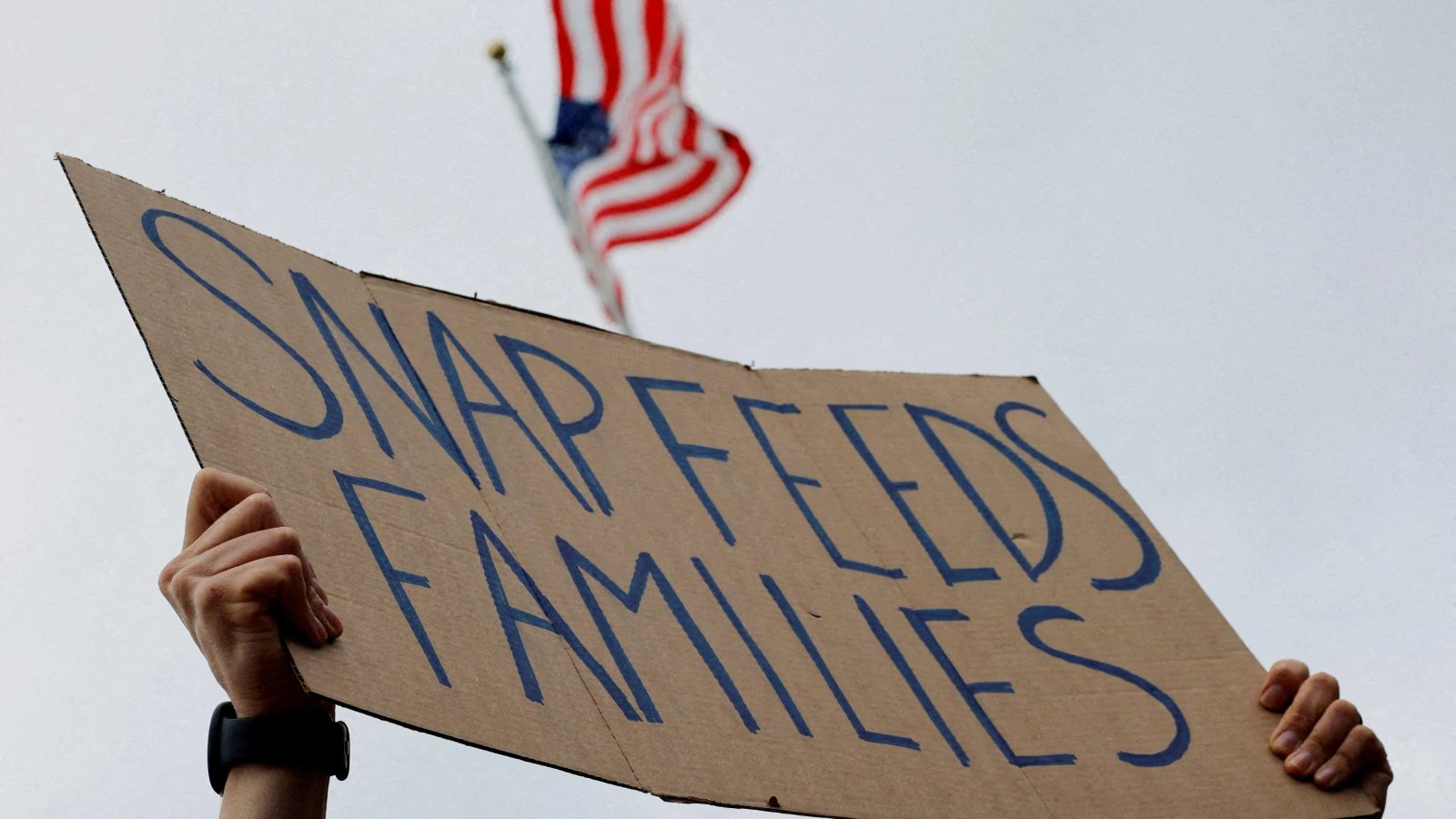
When we talk about policy decisions, it’s easy to lose sight of the people most affected. But for the nearly 42 million Americans who rely on SNAP food benefits, this isn’t abstract; it’s deeply personal. Imagine standing in the canned goods aisle, calculator in hand, trying to figure out if you can afford that extra can of beans. That’s the reality for many. The average SNAP benefit decreased by about $90 per person per month when the emergency allotments ended. For a family of four, that’s a loss of $360—money that used to buy milk, eggs, fresh produce, and sometimes, just sometimes, a little extra comfort food.
“It’s not just the money; it’s the mental toll,” shared Robert Miller, a senior citizen living alone in rural Georgia, whose chronic health issues make working impossible. “I used to be able to stretch my benefits, but with prices going up on everything, and now less help, I’m cutting back on meals. I feel constantly worried.” His voice, though weary, carried an underlying current of frustration. Children are particularly vulnerable. Studies have shown a direct link between adequate nutrition and academic performance, as well as overall health. When families struggle to provide enough food, children suffer from higher rates of illness, poorer concentration in school, and increased stress. “We see it in their eyes,” said Sarah Jenkins, a primary school teacher in a low-income district. “Kids come to school hungry, and it’s impossible for them to focus. This decision, it’s going to make things so much worse.” The echoes of these stories, whispered across kitchen tables and school hallways, paint a grim picture of the immediate future for millions. This isn’t just about statistics; it’s about real lives, real bellies, and real futures.
Food Banks and Community Support: A Growing Burden
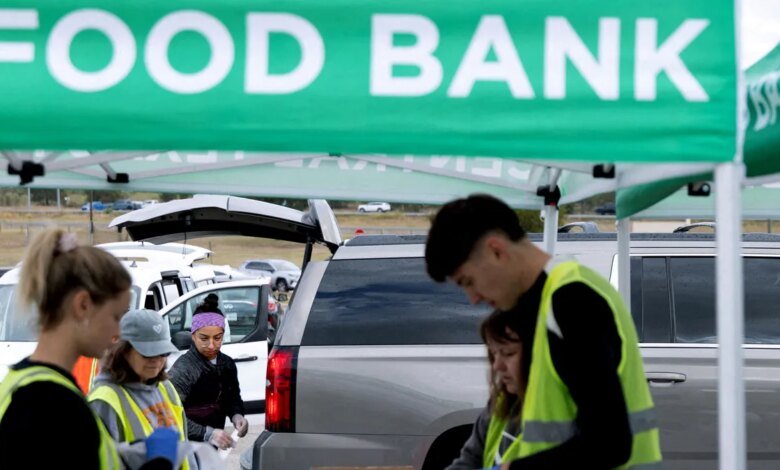
The ripple effect of the Supreme Court‘s decision and the earlier termination of emergency allotments is perhaps most acutely felt by America’s vast network of food banks and community pantries. These organizations, often run by dedicated volunteers and fueled by donations, are the last line of defense against hunger. They were already struggling to meet demand post-pandemic, even with the expanded SNAP benefits in place. Now, with millions of people seeing their purchasing power diminish, the pressure on food banks is intensifying dramatically.
“We saw a surge in demand the moment the emergency allotments started phasing out,” explained Mark Davidson, director of the Central City Food Pantry. He paused, rubbing his temples, a clear sign of the immense stress he and his team are under. “This Supreme Court decision just cements that trend. We’re already running low on staples, and our volunteer base is stretched thin. We need more food, more funds, more hands. It feels like we’re trying to hold back a tidal wave with a bucket.” Many food banks have reported an unprecedented number of first-time visitors – people who never imagined they would need charitable food assistance. These are often working families whose wages simply aren’t keeping pace with inflation and the rising cost of living. The narrative often shifts to: “If you work, you shouldn’t need a food bank.” But the reality on the ground contradicts this ideal. Many individuals and families are working multiple jobs and still cannot afford adequate nutrition. The volunteers at these pantries see the desperation firsthand, the grateful tears, the quiet shame, the hope in a child’s eyes when they receive a healthy snack. It’s a testament to human resilience, but also a stark indicator of systemic failure.
Legal and Political Ramifications: Navigating a Divided Landscape
The legal journey to this point has been complex, pitting states and advocacy groups against the federal government’s interpretation of emergency powers. The core of the argument revolved around whether the Secretary of Health and Human Services’ public health emergency declaration was still in effect in a way that legally mandated the continuation of SNAP waivers and emergency allotments. Lawyers for the challenging parties argued that ongoing high rates of illness, long COVID, and the continued strain on the healthcare system meant the emergency wasn’t truly over for vulnerable populations, and thus the benefits should persist.
However, the Biden administration, while initially championing expanded aid, has also been moving to transition away from pandemic-era policies, citing a return to normalcy and fiscal responsibility. This tension between immediate human need and broader policy goals is a constant challenge in Washington. “The Court’s decision underscores a shift back towards a more limited view of federal emergency powers,” stated Sarah Thompson, a policy analyst focusing on federal aid programs. “While advocates will continue to push for legislative solutions, the judicial path for continuing these specific enhanced benefits seems to be closed for now.” The political landscape is equally divided. There are lawmakers who vehemently argue for robust social safety nets, seeing them as essential investments in public health and economic stability. On the other side, there are those who advocate for reduced government spending and a return to stricter eligibility requirements for assistance programs, viewing pandemic-era expansions as unsustainable. This decision will undoubtedly fuel further debate on Capitol Hill, with proposals for new legislation likely to emerge, though their passage in a deeply divided Congress remains uncertain. The fight for adequate food assistance is far from over, but the battlefield has definitely shifted.
Looking Ahead: Navigating a New Reality of Food Insecurity
So, what happens now? For millions of individuals and families, the future feels uncertain, a landscape of difficult choices and tighter belts. The reality is that the Supreme Court‘s decision solidifies a new, leaner normal for SNAP food benefits, reverting to pre-pandemic levels without the critical emergency boosts. This means:
* Increased Pressure on Household Budgets: Families will have to stretch fewer dollars further, leading to difficult decisions about food quantity and quality.
* Heightened Demand on Charities: Food banks and other charitable organizations will continue to face unprecedented demand, potentially straining their resources to breaking point.
* Health and Educational Impacts: Children and seniors, particularly vulnerable to nutritional deficiencies, may experience worse health outcomes and educational setbacks.
* Advocacy for Legislative Solutions: Anti-hunger advocates will double down on pushing Congress to enact new legislation that strengthens the social safety net and addresses ongoing food insecurity. This could involve increasing baseline SNAP benefits, expanding eligibility, or implementing new, more robust programs.
* State-Level Initiatives: Some states may explore their own initiatives to supplement food assistance or provide additional aid, though this patchwork approach can lead to significant disparities across the country.
The conversation needs to move beyond simply “cutting benefits” to understanding the true cost of hunger on society – the healthcare costs, the lost productivity, the educational deficits. We, as a society, need to ask ourselves what kind of future we want to build. One where every citizen has access to basic nutrition, or one where the lines at food banks grow longer and longer?
Conclusion
The Supreme Court‘s decision to keep the pause on expanded SNAP food benefits is more than a legal pronouncement; it’s a turning point that will profoundly impact the lives of millions of vulnerable Americans. It strips away a critical lifeline that helped families navigate the turbulence of the pandemic and the ongoing challenges of inflation. As we’ve explored, this isn’t just about numbers on a ledger; it’s about Maria worrying about feeding her children, Robert cutting back on meals, and food banks struggling to meet overwhelming demand. It’s about the very real human cost of policy choices.
While the legal battle over these specific emergency allotments may be settled for now, the broader fight against poverty and hunger in America continues with renewed urgency. It compels us to look beyond courtrooms and headlines, directly into the eyes of those struggling, and ask: what more can be done? This decision underscores the vital importance of a robust social safety net and the collective responsibility we share to ensure that no one in a nation as prosperous as ours has to go to bed hungry. The onus is now firmly on policymakers and communities to forge a path forward that truly addresses the growing crisis of food insecurity. Let’s not forget the faces behind the statistics.
Frequently Asked Questions
| What exactly did the Supreme Court decide regarding SNAP benefits? | The Supreme Court declined to intervene in a lower court’s decision, effectively allowing the federal government to continue with the termination of pandemic-era enhanced SNAP food benefits (emergency allotments). This means the pause on these expanded benefits remains in effect, reverting assistance levels to pre-pandemic standards. |
| How did the pandemic-era SNAP benefits differ from regular benefits? | During the COVID-19 pandemic, Congress authorized “emergency allotments” for SNAP recipients. These were additional monthly payments that boosted families’ food assistance to the maximum allowable amount for their household size, often providing hundreds of extra dollars per month. Regular benefits are calculated based on income, household size, and specific deductions, typically providing a lower amount than the emergency allotments. |
| When did the expanded SNAP benefits end, and why? | The federal authority for emergency allotments was tied to the federal public health emergency declaration. While the emergency was declared over in May 2023, many states began phasing out their emergency allotments earlier, typically as their individual state public health emergencies ended. The Supreme Court’s decision upheld the executive branch’s authority to end these federal waivers, solidifying the return to pre-pandemic benefit levels. |
| What are the main challenges faced by SNAP recipients after this decision? | SNAP recipients now face significantly reduced monthly food assistance (an average of $90 less per person). This means increased food insecurity, greater difficulty affording nutritious meals, and heightened stress for families already struggling with high inflation and other economic hardships. Many will have to rely more heavily on food banks and other charitable organizations. |
| What potential actions could be taken to support food-insecure individuals now? | Advocacy groups are urging Congress to pass new legislation to strengthen the social safety net, potentially by increasing baseline SNAP benefits or expanding eligibility. States may also explore their own initiatives to provide additional food assistance. Additionally, community support through food banks and local pantries will become even more crucial in addressing the rising demand for help. |
Important Notice
This FAQ section addresses the most common inquiries regarding the topic.