Do you remember sitting cross-legged in front of the television, eyes glued to the screen as Big Bird, Oscar, and Grover taught you the alphabet? The comforting feeling of a familiar routine, the simple joy of learning alongside friendly monsters? For many of us, Sesame Street was a cornerstone of childhood, a free, accessible beacon of education that felt as natural as breathing. But if you’ve recently tried to introduce your own little ones to the magic of the Street, you might have noticed something… different. A distinct shift in the air, a new rhythm to the familiar songs. Yes, the beloved educational landmark has undergone some truly big changes, especially with its prominent presence on Netflix, and frankly, it’s sparked a fair bit of conversation among parents and educators alike. It’s not just about where you watch it anymore; it’s about how it feels, how it’s structured, and even the very philosophy behind its delivery. What exactly does it mean for our kids that Sesame Street on Netflix is now a primary viewing platform, and how has this transformation reshaped a cultural institution? Let’s dive into the evolving world of our favorite fuzzy friends and explore the subtle, yet impactful, ways the show is adapting for a new generation.
The Streaming Migration: A New Home and a Different Pace
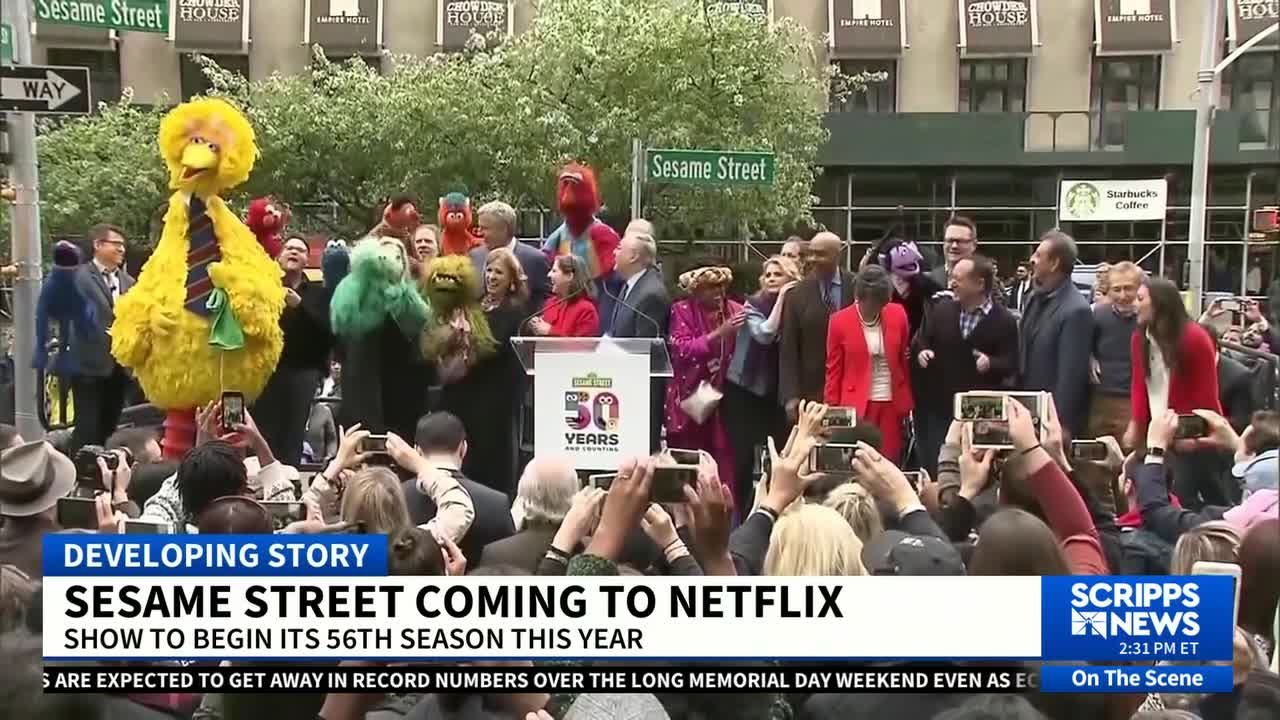
The most immediate and perhaps most impactful of the big changes for Sesame Street is its journey through the evolving media landscape. For decades, it was a public broadcasting staple, airing first on PBS. Then came the groundbreaking deal in 2015, which saw new episodes debut exclusively on HBO, with PBS airing them later. This move alone raised eyebrows, introducing a paywall to what had always been universally free. Now, with the expansion of streaming services, Sesame Street on Netflix has become a significant player, offering a vast library of classic and newer episodes, along with exclusive specials.
“I remember the initial shock when it moved to HBO,” recalls Sarah Chen, a mother of two from Seattle, reflecting on the show’s journey. “It felt like a betrayal of its public service mission. But then, when it landed on Netflix, it became so much more convenient for us as a family. My kids can watch it anytime, anywhere, on any device. That’s a huge plus for busy parents.”
This convenience, however, comes with its own set of adjustments. The traditional weekly broadcast schedule is largely obsolete in the streaming world. Instead, entire seasons often drop at once, or episodes are released in smaller batches, encouraging binge-watching behavior that is vastly different from the structured, appointment viewing of yesteryear. The cadence has changed, and with it, perhaps the very way children interact with the content. No longer do they wait patiently; instant gratification is the new norm.
Content Evolution: Modernizing the Street for a Digital Age
Beyond the shift in distribution, the content itself has seen considerable evolution. When you watch Sesame Street on Netflix, especially the newer seasons, you might notice a subtle yet distinct change in pacing and structure. Episodes tend to be tighter, often segmented into shorter, more dynamic bursts of content. This reflects a broader trend in children’s programming, adapting to shorter attention spans cultivated by fast-paced digital media.
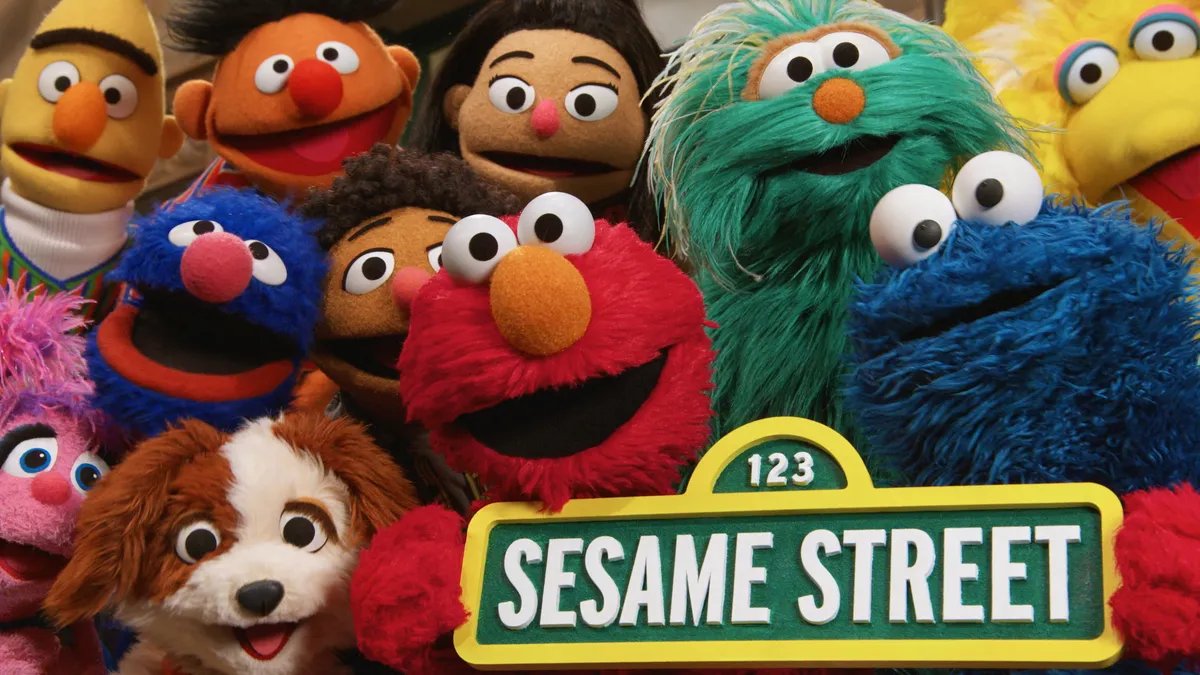
“The show has always been brilliant at meeting kids where they are, developmentally,” explains Dr. Emily Carter, an educational psychologist specializing in media literacy. “But the shift to streaming platforms like Netflix means competing with a deluge of content. They have to capture and hold attention differently. This often translates to faster cuts, more animation, and less emphasis on the slower, observational segments that were once a hallmark.” Dr. Carter points out that while some of the foundational educational elements remain, the packaging is undeniably sleeker, more akin to contemporary YouTube content than classic television.
New characters and storylines also reflect a commitment to modern inclusivity. Characters like Julia, a Muppet with autism, have been introduced to help children understand and empathize with diverse experiences. Themes are often more explicit about social-emotional learning, addressing topics like self-regulation, empathy, and problem-solving in ways that resonate with today’s parenting philosophies. While the core mission of teaching letters, numbers, and basic life skills remains, the approach feels decidedly updated, a testament to the show’s enduring relevance.
The Business Behind the Monsters: Financial Undercurrents
It’s impossible to discuss the big changes to Sesame Street without acknowledging the financial realities driving them. Producing a high-quality educational program like Sesame Street is incredibly expensive, and the traditional public broadcasting model simply couldn’t sustain it at the necessary level of investment. The deals with HBO and subsequently its presence on Netflix provided a much-needed injection of capital, ensuring the show’s continued production and ability to innovate.
“The economics of children’s television have changed dramatically,” states Mark Thompson, a media industry analyst. “Public funding has dwindled, and advertising revenue in traditional TV is a fraction of what it once was. For a brand as valuable as Sesame Street, partnering with a streaming giant like Netflix isn’t just a smart move; it’s an essential one for survival and growth. It allows them to reach a global audience and secure the funding to keep the Muppets singing and teaching.”
This financial shift enables Sesame Workshop, the non-profit educational organization behind the show, to continue its vital work not just on screen but also through outreach programs and educational resources. The streaming revenue helps fund these broader initiatives, maintaining Sesame Street‘s legacy as a force for good in early childhood development, even as its primary on-screen home shifts.
Parental Perspectives: Navigating the New Normal
For parents, the move of Sesame Street to Netflix elicits a spectrum of reactions. On one hand, the convenience is undeniable. “I love that I can just put it on for my toddler without worrying about commercials or what’s coming next on live TV,” says David Rodriguez, a father of three. “It’s safe, I trust the content, and it’s always there. Total game-changer for mornings when I’m trying to get everyone ready.” The curated, on-demand nature of streaming offers a sense of control and predictability that many parents appreciate in a chaotic world.
However, not all parents share the same enthusiasm. The paywall remains a point of contention for some. “I grew up with Sesame Street being free for everyone, a public good,” laments Maria Velez, a grandmother who remembers its early days. “It feels a bit sad that now you need a subscription to access new episodes. What about families who can’t afford Netflix? Are their children missing out on important educational content?” This sentiment highlights a genuine concern about equity and access, questioning if the show’s core mission of serving all children is being inadvertently compromised by the shift to commercial streaming. The debate is nuanced, touching on the balance between funding needs and universal access. It’s a thorny issue, for sure, with no easy answers, and it leaves many wondering about the implications for future generations.
Pedagogical Implications: Is it Still the Same Street?
When we talk about big changes to Sesame Street on Netflix, the most crucial question often revolves around its educational efficacy. Has the core pedagogical mission been maintained? Educational experts largely agree that while the format has adapted, the foundational principles of early childhood education remain firmly in place. The show still focuses on a “whole child” curriculum, addressing cognitive, social, emotional, and physical development.
“Sesame Workshop has always been at the forefront of educational research,” Dr. Carter emphasizes. “They don’t make changes lightly. While the pace might be faster, the underlying curriculum is still meticulously designed. They employ a team of researchers and educators to ensure that every segment, every song, every character interaction is purposefully crafted to deliver specific learning outcomes.” She points to the continued focus on school readiness skills, such as letter and number recognition, along with crucial social-emotional lessons like managing emotions, cooperation, and understanding diversity. The changes, she argues, are more about packaging and delivery than a fundamental shift in educational philosophy.
The show’s ability to evolve while retaining its core educational integrity is a testament to its creators’ dedication. It’s a tricky balance – staying relevant to a tech-savvy generation without sacrificing the timeless lessons that made it a global phenomenon. Think about it: how many shows from the 60s are still actively producing new, engaging content today? Very few. Sesame Street‘s longevity is a marvel, largely due to its willingness to adapt.
The Future of Familiar Faces: What’s Next for Sesame Street?
What does the future hold for Sesame Street? As the streaming landscape continues to shift and evolve, it’s fair to assume that the show will continue to adapt. The partnership with Netflix provides a stable platform for now, but the media world is notoriously fluid. We might see further innovations in interactive content, augmented reality experiences, or even more personalized learning paths, leveraging digital technologies to enhance its educational impact.
One thing is clear: the spirit of Sesame Street endures. The beloved characters – Elmo, Big Bird, Cookie Monster, and all their friends – continue to inspire wonder, curiosity, and kindness in children around the globe. Their mission, to help children grow smarter, stronger, and kinder, remains unchanged, even as the delivery method evolves. The move to streaming platforms like Netflix is not merely a change of address; it’s a strategic evolution, ensuring that this iconic street remains vibrant and accessible for generations to come. It’s exciting to imagine what new adventures await, and how Big Bird will continue to teach us all how to navigate an ever-changing world, one sunny day at a time. So, next time you’re scrolling through Netflix with your little one, take a moment to appreciate the journey Sesame Street has taken to get there, and the profound effort behind keeping its magic alive.
Frequently Asked Questions
| What are the main changes for ‘Sesame Street’ on Netflix? | The main changes involve its distribution model, moving from free public broadcasting (PBS) to a premium streaming service (initially HBO, now prominently featured on Netflix). This shift affects how and when new episodes are released, encouraging on-demand viewing rather than a traditional broadcast schedule. Content also sees updates in pacing and themes to resonate with modern children. |
| What are the benefits of ‘Sesame Street’ being on Netflix? | Benefits include increased funding for Sesame Workshop, ensuring the show’s continued production and educational outreach. For parents, it offers unparalleled convenience with on-demand access to a vast library of episodes, commercial-free viewing, and the ability to watch across multiple devices, making it easier to integrate into daily routines. |
| How has the content of ‘Sesame Street’ evolved on streaming platforms? | Content has evolved to feature faster pacing, shorter segments, and more dynamic visual storytelling to capture modern children’s attention. Newer seasons on Netflix also introduce diverse characters like Julia (with autism) and tackle contemporary social-emotional learning themes, while still adhering to the core educational curriculum of literacy, numeracy, and life skills. |
| What challenges do these changes pose for viewers and the show’s mission? | A primary challenge is the introduction of a paywall, which raises concerns about equitable access for families who cannot afford streaming subscriptions, potentially excluding some children from new educational content. There are also discussions about the impact of faster pacing on children’s learning styles compared to the slower, more deliberate educational approach of earlier seasons. |
| What does the future hold for ‘Sesame Street’ in the streaming era? | The future likely involves continued adaptation to the evolving media landscape, potentially exploring interactive content, augmented reality, or even more personalized learning experiences. While the platform may continue to shift, the core mission of Sesame Street—to educate and empower children—is expected to remain constant, ensuring its enduring legacy. |
Important Notice
This FAQ section addresses the most common inquiries regarding the topic.