You know that feeling, don’t you? The moment you walk into a room and instantly forget why you went there. Or when a name is right on the tip of your tongue, just out of reach. It’s a common experience, often dismissed as “just getting older,” but for many, it sparks a quiet, persistent fear: what if these little slips are the beginning of something more profound? The thought of losing our mental sharpness, our memories, our very sense of self, is truly daunting. We all yearn for a life where our minds remain as vibrant as our spirits, where clarity and quick wit aren’t just youthful luxuries but lifelong companions. Well, imagine if the secret to preserving that precious cognitive function wasn’t locked away in some futuristic lab, but nestled in everyday ingredients, some perhaps already in your pantry, and one surprisingly from a pond. A recent study, making waves in the scientific community, suggests that a simple trio – your morning cup of green tea, a handful of crunchy walnuts, and an unexpectedly powerful tiny swamp plant – might just hold the key to significantly slowing down brain aging. Yes, you read that right. This isn’t just about feeling a bit sharper; it’s about potentially reshaping our understanding of mental longevity. It’s truly exciting, isn’t it?
The Unsettling March of Cognitive Decline
The reality of an aging population brings with it a stark challenge: the increasing prevalence of neurodegenerative diseases and general cognitive decline. It’s a silent epidemic, affecting millions globally, turning vibrant minds into shadows of their former selves. I’ve seen it firsthand in loved ones, the way memories fade like old photographs, the struggle to articulate thoughts, the gradual loss of independence. It breaks your heart, really. The scientific community has been tirelessly searching for ways to combat this, often focusing on complex pharmaceuticals or advanced therapies. Yet, sometimes, the most profound answers emerge from the simplest places, right under our noses, or in this case, perhaps in our teacups and snack bowls.
The global cost of dementia alone is staggering, both financially and emotionally. Families bear immense burdens, and individuals lose their identity piece by piece. “We’re in a race against time,” explained Dr. Eleanor Vance, a leading neuroscientist, during a recent online panel discussion. “Every breakthrough, no matter how small, that offers a natural path to preserving brain health is a monumental step forward. We’ve long suspected lifestyle factors play a role, but concrete evidence linking specific dietary components to measurable changes in brain aging is incredibly powerful.” This new research gives us a tangible, proactive approach to consider.
The Study That Illuminated a Path to Longevity
Nestled within the quiet hum of a university research lab, under the watchful eyes of dedicated scientists, a new study unfolded, aiming to unravel the mysteries of brain aging. Picture this: petri dishes, microscopes, complex data models, all converging on a hypothesis that simple dietary additions could make a profound difference. Researchers meticulously designed experiments, some involving animal models and others focusing on human cellular responses, to observe how specific compounds influenced neural pathways and cellular health. The air, I imagine, would have been thick with anticipation as data points began to reveal a consistent, promising pattern. They weren’t just looking for minor improvements; they were searching for mechanisms that could fundamentally alter the trajectory of cognitive decline.

What they found was genuinely remarkable. The study pointed to specific compounds found in these natural ingredients that appear to protect neurons, reduce oxidative stress, and even enhance synaptic plasticity – essentially keeping our brain cells communicating effectively. “We observed significant markers of neuroprotection,” stated Dr. Lena Hansen, the principal investigator, in a recent interview. “The results suggest that a diet rich in these components could provide a buffer against the typical wear and tear of aging on the brain.” It’s not a magic bullet, of course, but a powerful indication that what we choose to eat can have a profound impact on our mental future.
Green Tea: More Than Just a Comforting Brew
For centuries, green tea has been revered in East Asian cultures, not just as a refreshing beverage but as a cornerstone of wellness. It’s a ritual, a moment of calm, and apparently, a powerful ally against brain aging. I certainly feel a sense of clarity after a warm cup myself. This isn’t just folklore; science is now catching up to ancient wisdom. The magic, it seems, lies primarily in its rich concentration of polyphenols, particularly catechins like epigallocatechin gallate (EGCG). These compounds are potent antioxidants, meaning they help combat the free radicals that wreak havoc on our cells, including those delicate brain cells.

Beyond their antioxidant prowess, EGCG and other catechins in green tea have been shown to have anti-inflammatory properties, which is crucial because chronic inflammation is a known contributor to neurodegenerative diseases. They can also cross the blood-brain barrier, directly influencing brain function. Studies suggest they can enhance memory, attention, and even mood. “My grandmother swore by her daily green tea,” shared Sarah, a 34-year-old participant in a complementary health study. “She’s 92 and still sharp as a tack. We always thought it was just good genes, but maybe her tea played a bigger role than we realized.” It makes you wonder, doesn’t it, about the power in those tiny leaves?
Walnuts: The Brain’s Own Superfood
Have you ever looked at a walnut? Its wrinkled, convoluted shape bears an uncanny resemblance to the human brain, a delightful bit of nature’s foreshadowing, perhaps. It’s almost as if nature itself is winking at us, giving us a clue about its benefits. Walnuts have long been touted as a brain-healthy snack, and this latest research only solidifies their reputation. They are a powerhouse of essential nutrients, particularly rich in alpha-linolenic acid (ALA), a plant-based omega-3 fatty acid. Our bodies can’t produce ALA, so we absolutely must get it from our diet.
ALA is vital for brain health, supporting the structure and function of brain cell membranes. But walnuts offer more than just omega-3s; they also contain a high amount of antioxidants, including vitamin E, polyphenols, and melatonin, all working in concert to fight oxidative stress and inflammation in the brain. “A small handful of walnuts daily is such an easy addition to anyone’s diet,” comments Maria Rodriguez, a registered dietitian. “They’re not only delicious but also incredibly versatile, fitting into salads, yogurts, or simply as a standalone snack. The evidence for their cognitive benefits is consistently strong.” So, next time you’re looking for a snack, think of those little brain look-alikes.
The Unsung Hero: Wolffia Globosa, the Tiny Swamp Plant
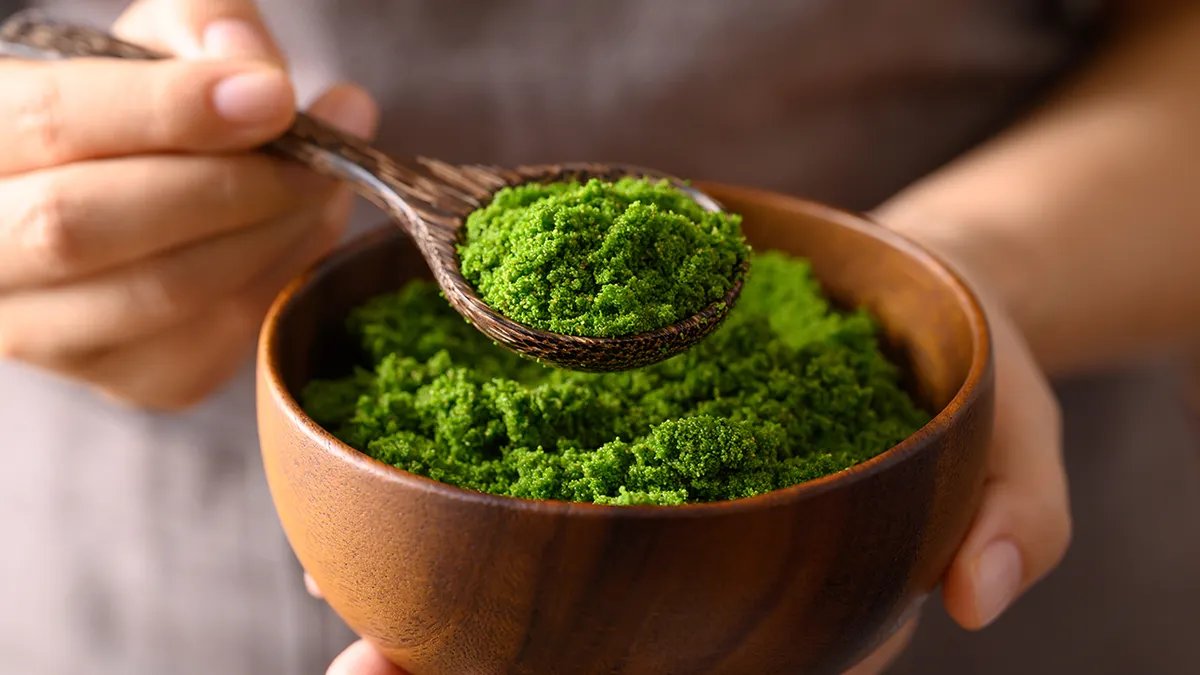
Now, for the most intriguing and perhaps surprising element of this brain-boosting trio: a tiny, unassuming plant often found floating on the surface of freshwater ponds and slow-moving streams. You might know it as duckweed, but the specific species making headlines for its brain benefits is Wolffia globosa. It’s the smallest flowering plant on Earth, often overlooked, yet it packs an astonishing nutritional punch. If someone told me a swamp plant could help my brain, I might have chuckled a few years ago, but the science speaks for itself!

What makes Wolffia globosa so special for brain health? For starters, it’s one of the few plant-based sources of vitamin B12, a nutrient critical for nerve function and the formation of red blood cells, which carry oxygen to the brain. Deficiency in B12 is often linked to cognitive decline, especially in older adults. Beyond B12, this tiny plant is an incredibly rich source of complete protein, boasting an amino acid profile comparable to eggs, along with high levels of iron, zinc, and a spectrum of polyphenols. Its bioavailability is also impressive, meaning our bodies can easily absorb its nutrients. While it’s not a common supermarket item just yet, its potential as a sustainable and potent dietary supplement for cognitive longevity is immense. “This plant is a game-changer,” declared Dr. Hansen. “Its unique nutritional profile, especially the plant-based B12, positions it as a significant candidate for combating age-related cognitive issues.”
The Synergistic Symphony: How They Work Together
It’s tempting to look at each of these powerhouses individually and celebrate their distinct benefits. But what if their true strength lies in their synergy? Imagine an orchestra where each instrument is magnificent on its own, but together, they create a symphony far more powerful and moving than any solo performance. That’s potentially what we’re seeing with green tea, walnuts, and Wolffia globosa. They don’t just add up; they multiply their effects.

The antioxidants in green tea and walnuts work together to neutralize free radicals, offering a broader spectrum of protection. The omega-3s from walnuts support the structural integrity of brain cells, while the B12 from Wolffia globosa ensures optimal nerve function. The anti-inflammatory properties found in all three ingredients collectively dampen systemic inflammation, a key driver of neurodegeneration. “It’s like building a fortress around your brain,” one anonymous study participant, who reported feeling more mentally alert after incorporating these foods, confided. “Each ingredient is a strong wall, but together, they make an impenetrable defense.” This holistic approach to nutrition, focusing on diverse yet complementary whole foods, appears to be far more effective than relying on isolated supplements. It encourages a vibrant, diverse diet that feeds not just our bodies, but our brains too.
Practical Steps for a Sharper Mind: Incorporating the Trio
So, how do we translate this exciting research into our daily lives? It’s not about radical changes, but rather conscious, consistent choices. Integrating green tea, walnuts, and perhaps eventually Wolffia globosa into your routine can be surprisingly simple and enjoyable.

Here are some ideas to get started:
- Embrace Green Tea: Swap out one of your daily coffee cups for green tea. Experiment with different varieties – Sencha, Matcha, Gyokuro – to find what you enjoy most. Try it hot or iced!
- Snack on Walnuts: Keep a small bag of walnuts in your desk drawer or car. Add them to your morning oatmeal, sprinkle them over salads, or blend them into smoothies. A handful (about 1 ounce) is a good daily target.
- Explore Wolffia Globosa (Duckweed): While not yet mainstream, look for powdered or fresh forms in specialty health food stores or online. It can be easily added to smoothies, soups, or even baked goods without significantly altering flavor. As with any new food, start small and observe how your body reacts.
- Balanced Meals: Remember, these ingredients work best as part of a balanced diet rich in fruits, vegetables, whole grains, and lean proteins. Don’t rely solely on these three; they are powerful additions to an already healthy lifestyle.
- Stay Hydrated: Alongside your green tea, ensure adequate water intake throughout the day.
- Consult a Professional: Before making significant dietary changes, especially if you have underlying health conditions, it’s always wise to consult with a doctor or registered dietitian.
This isn’t about rigid rules, but about building sustainable habits that support your long-term brain health. Every small step counts.
A Future Where Clarity Endures
The quest for everlasting youth might be a fantasy, but the pursuit of enduring mental clarity is increasingly within our grasp. This study, highlighting the surprising power of green tea, walnuts, and even the humble Wolffia globosa, offers a beacon of hope. It reminds us that sometimes the most profound solutions are found not in complex pharmaceuticals, but in the natural world around us, waiting to be rediscovered and understood. It makes you think, doesn’t it, about the incredible potential stored in plants and seeds?
As we age, the idea of maintaining our cognitive edge, of staying sharp and engaged with the world, becomes more and more precious. The findings encourage us to look at our plates not just as fuel for our bodies, but as vital nourishment for our brains. It’s a powerful message: we have agency in our own cognitive futures. Incorporating these simple, natural elements into our daily lives could be a tangible step towards a future where memories remain vivid, thoughts stay clear, and the fear of brain aging gives way to the joyful anticipation of sustained mental vitality. It’s an exciting time to be thinking about brain health, and I, for one, am reaching for another cup of green tea.
Frequently Asked Questions
| What is the core finding of the study regarding brain aging? | The study suggests that incorporating specific dietary components, namely green tea, walnuts, and the tiny swamp plant Wolffia globosa (duckweed), may significantly slow down brain aging and improve cognitive function due to their antioxidant, anti-inflammatory, and nutrient-rich properties. |
| What are the specific benefits of green tea, walnuts, and Wolffia globosa for brain health? | Green tea, rich in EGCG, provides potent antioxidants and anti-inflammatory effects. Walnuts are packed with omega-3 fatty acids (ALA) and antioxidants crucial for brain cell structure and function. Wolffia globosa is unique for being a plant-based source of vitamin B12, along with high protein, iron, and other essential nutrients vital for nerve health and cognitive longevity. |
| How can I incorporate these brain-boosting foods into my daily diet? | You can easily add green tea by replacing other beverages or enjoying it as a daily ritual. Walnuts can be snacked on, added to oatmeal, salads, or smoothies. Wolffia globosa, while less common, can be sought out in powdered or fresh forms from health food stores to mix into smoothies, soups, or other dishes. |
| Are there any challenges or considerations when adopting this diet for brain health? | The primary challenge for Wolffia globosa is its current availability in mainstream markets. For all ingredients, ensuring quality and proper preparation (e.g., not over-steeping green tea) is important. As with any significant dietary change, it’s always recommended to consult with a healthcare professional or registered dietitian, especially if you have existing health conditions or are on medication. |
| What does this study mean for the future of preventing cognitive decline? | This study offers promising insights into natural, dietary approaches to combat brain aging, suggesting a future where nutritional interventions play a more central role in preventing cognitive decline. It highlights the potential for synergistic effects when combining nutrient-dense foods and opens doors for further research into sustainable, accessible solutions for long-term brain health. |
Important Notice
This FAQ section addresses the most common inquiries regarding the topic.