Feds to investigate protest outside Turning Point USA event at UC Berkeley – Complete Guide
Everything You Need to Know About Feds to investigate protest outside Turning Point USA event at UC Berkeley

Federal Investigation Launched into UC Berkeley Protest: Free Speech and Political Violence Under Scrutiny
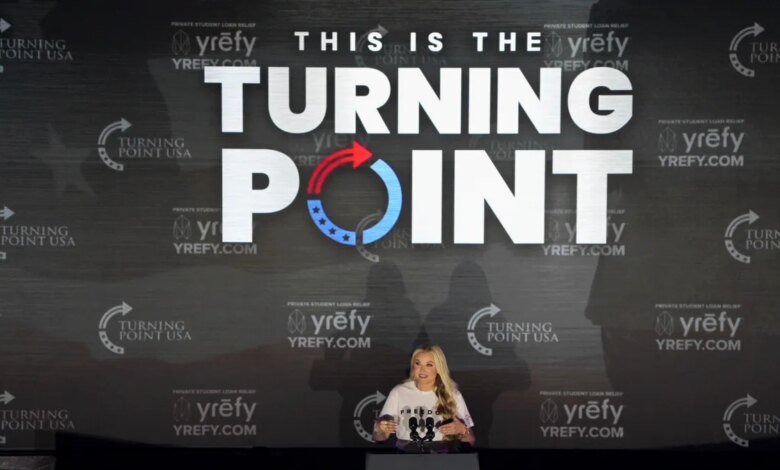
The events that unfolded outside a Turning Point USA (TPUSA) event at the University of California, Berkeley on November 10th have sparked a significant federal investigation, raising critical questions about free speech, political activism, and the line between protest and violence. The Department of Justice (DOJ) has announced that both its Civil Rights Division and the FBI-led Joint Terrorism Task Force will be involved, a move that has ignited debate about the appropriate response to political demonstrations and the potential for overreach by the federal government. This incident serves as a flashpoint in the ongoing national conversation about political polarization and the limits of acceptable dissent.
The Genesis of the Investigation
The DOJ’s decision to launch a federal investigation stems from concerns raised by U.S. Assistant Attorney General Harmeet Dhillon, who publicly shared clips of the protest on social media. Dhillon expressed “serious concern” regarding campus security, local law enforcement’s response, and the alleged involvement of “Antifa,” a loosely affiliated anti-fascist movement. Attorney General Pam Bondi echoed these sentiments, emphasizing the full involvement of the FBI-led Joint Terrorism Task Force. These announcements immediately drew criticism from civil liberties advocates who fear that the investigation could chill free speech and disproportionately target left-leaning activists. The investigation’s focus on potential “terrorism” connections raises the stakes significantly, potentially leading to harsher penalties for those involved.
The investigation comes at a time of heightened political tensions, especially surrounding controversial speakers and events on college campuses. Universities are increasingly grappling with how to balance the First Amendment rights of speakers and attendees with the need to ensure safety and prevent violence. This incident at UC Berkeley is just the latest example of this complex challenge. The outcome of the federal investigation could have far-reaching implications for how universities manage future events and how political protests are policed.
Turning Point USA’s Presence at UC Berkeley
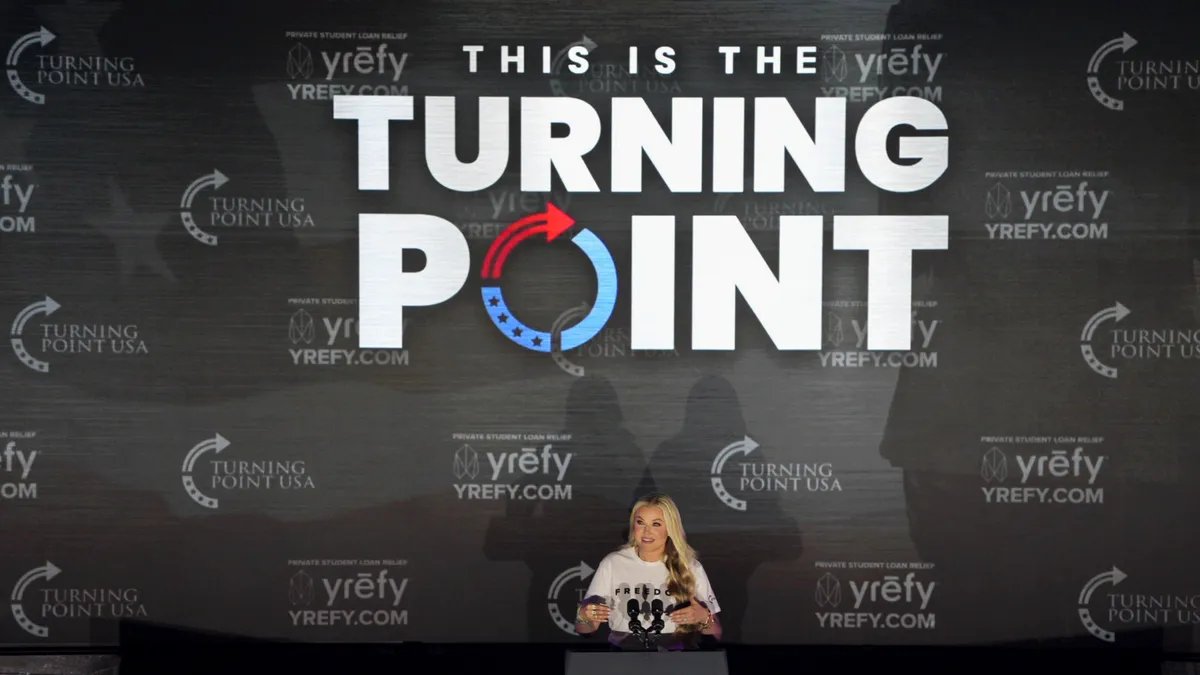
Turning Point USA, a conservative organization founded by Charlie Kirk, aims to promote conservative values on college campuses. Kirk’s assassination and the group’s outspoken views often provoke strong reactions, particularly at institutions like UC Berkeley, which has a long history of student activism and progressive political thought. The choice of UC Berkeley as a stop on TPUSA’s college tour was undoubtedly deliberate, designed to challenge the prevailing political climate and spark dialogue – or, as in this case, confrontation. The event was intended to engage students in discussions about conservative principles and challenge what TPUSA perceives as liberal bias on college campuses. Given the sensitivity surrounding Kirk’s death, tensions were already running high before the event even began. The university administration was likely aware of the potential for disruption and attempted to prepare accordingly, but the scale of the protest and the intensity of the clashes ultimately overwhelmed their efforts.
The Nature of the Protest and Arrests
The protest outside the TPUSA event drew a large crowd of demonstrators, many of whom expressed anger and frustration with the organization’s views. Reports indicate that the protest involved a range of tactics, from peaceful demonstrations and chants to more aggressive actions, including physical altercations and property damage. Four individuals were arrested during the protest, though the specific charges against them have not been publicly released. It is crucial to distinguish between protected forms of protest, such as peaceful assembly and speech, and unlawful behavior, such as violence and vandalism. The federal investigation will likely focus on identifying those individuals who engaged in illegal activities and determining whether their actions constitute a violation of federal law.

First Amendment Rights and the Limits of Protest
The First Amendment to the United States Constitution guarantees the rights to freedom of speech and assembly. However, these rights are not absolute. The Supreme Court has recognized certain limitations on these rights, including restrictions on speech that incites violence, defamation, and obscenity. Similarly, the right to assemble does not protect violent or destructive behavior. The legal challenge lies in determining where to draw the line between protected protest and unlawful activity. For example, while shouting slogans and carrying signs are generally protected forms of expression, throwing objects or engaging in physical altercations are not. The federal investigation will need to carefully assess the specific actions of each individual involved to determine whether they crossed the line into illegal behavior.
The involvement of the DOJ’s Civil Rights Division suggests that the investigation will also consider whether the protesters’ actions were motivated by discriminatory intent. If it can be shown that the protesters targeted TPUSA members or attendees based on their political beliefs, this could potentially give rise to civil rights violations. However, proving discriminatory intent can be challenging, as it requires demonstrating that the protesters’ actions were motivated by animus towards a particular group.
The Antifa Connection and the “Terrorism” Designation
The suggestion by DOJ officials that “Antifa” may have been involved in the protest has added another layer of complexity to the situation. While “Antifa” is not a formal organization with a centralized leadership structure, it refers to a broad range of individuals and groups who oppose fascism and other far-right ideologies. Some Antifa activists have been known to engage in acts of violence and property damage, while others focus on peaceful forms of protest and community organizing. The Trump administration previously considered designating Antifa as a domestic terrorist organization. While this designation never formally occurred, the association of Antifa with terrorism has become a common talking point among conservatives. The use of the term “terrorism” in connection with the UC Berkeley protest raises concerns that the investigation may be politically motivated and could lead to the disproportionate targeting of left-wing activists. It is important to note that the term “terrorism” has a specific legal definition, which requires proof of intent to intimidate or coerce a civilian population or influence government policy through violence.
The potential application of terrorism laws to the UC Berkeley protest raises serious questions about the scope of federal power and the potential for abuse. Civil liberties advocates argue that using terrorism laws to prosecute political protesters could have a chilling effect on free speech and discourage legitimate dissent. They also point out that the vast majority of Antifa activists do not engage in violence and that labeling the entire movement as “terrorist” is inaccurate and unfair.
UC Berkeley’s Response and the University’s Role
UC Berkeley spokesperson Dan Mogulof stated that the university had not received any communication from the DOJ regarding an investigation. This lack of communication raises questions about the transparency of the investigation and whether the university is being kept informed about the federal government’s actions. UC Berkeley, as a public institution, has a responsibility to uphold the First Amendment rights of its students and faculty. However, it also has a duty to ensure the safety and security of its campus community. Balancing these competing interests can be challenging, particularly in the context of controversial events like the TPUSA speaking engagement. The university’s response to the protest will likely be scrutinized as part of the federal investigation. Investigators may examine whether the university provided adequate security for the event, whether its policies on protests and demonstrations are clear and consistently enforced, and whether it took appropriate steps to prevent violence and property damage.
The university’s handling of similar events in the future will undoubtedly be shaped by the outcome of the federal investigation. UC Berkeley may need to review and revise its policies on campus security, free speech, and protest management to ensure that it is meeting its legal and ethical obligations. This could involve increasing security measures for controversial events, providing clearer guidelines for student conduct during protests, and offering training to campus police on how to de-escalate tense situations.
The Broader Implications for Free Speech on College Campuses
The federal investigation into the UC Berkeley protest has broader implications for free speech on college campuses across the country. It raises fundamental questions about the role of universities in fostering open debate and protecting the rights of all members of the campus community. Universities are often seen as bastions of free speech and academic freedom, but they are also increasingly facing pressure to create a safe and inclusive environment for students from diverse backgrounds. Balancing these competing goals requires careful consideration of the First Amendment, university policies, and the specific context of each event. One potential outcome of the UC Berkeley investigation is that it could lead to increased federal oversight of campus speech and protest activities. This could take the form of new regulations, increased monitoring of campus events, or even direct intervention by federal law enforcement agencies. Such increased oversight could have a chilling effect on free speech, particularly for students and faculty who hold dissenting views. It could also lead to a more cautious and risk-averse approach to campus events, with universities being less willing to host controversial speakers or allow for open debate on sensitive topics.

The Importance of Context and Nuance
It is crucial to approach the UC Berkeley protest and the subsequent federal investigation with a sense of context and nuance. Political protests are often complex and messy affairs, involving a wide range of individuals with diverse motivations. It is important to avoid generalizations and to focus on the specific actions of each individual involved. Similarly, it is important to recognize that the term “Antifa” encompasses a wide range of individuals and groups, not all of whom engage in violence. Labeling the entire movement as “terrorist” is inaccurate and unfair. The federal investigation should be conducted in a fair and impartial manner, with due regard for the First Amendment rights of all involved. It should not be used as a tool to suppress dissent or to chill free speech on college campuses. The focus keyphrase for this article, “UC Berkeley protest,” must be considered in the context of free speech and federal investigations to ensure comprehensive coverage.
Moving Forward: Finding Common Ground and Promoting Dialogue
The events at UC Berkeley highlight the deep political divisions that exist in American society today. Finding common ground and promoting dialogue across these divisions is essential for the health and well-being of our democracy. Universities can play a crucial role in fostering such dialogue by creating spaces for respectful debate and encouraging students to engage with diverse perspectives. This requires a commitment to free speech, academic freedom, and the principles of civil discourse. It also requires a willingness to challenge one’s own assumptions and to listen to those with whom one disagrees. The UC Berkeley protest serves as a reminder of the importance of these values and the need to protect them in the face of political polarization and social unrest. Perhaps looking at how the 2026 Toyota Hilux is being marketed could provide some ideas for de-escalation tactics since it is being promoted as a unifying workhorse.
A Table of Key Players and Their Stances
To help clarify the various perspectives involved in this complex situation, here’s a table outlining some of the key players and their publicly stated positions:
Conclusion: Navigating the Complexities of Free Speech and Political Activism
The federal investigation into the UC Berkeley protest is a complex and multifaceted issue with significant implications for free speech, political activism, and the role of universities in American society. It is essential to approach this issue with a sense of context, nuance, and a commitment to upholding the First Amendment rights of all individuals. The outcome of the investigation could have far-reaching consequences for how universities manage future events and how political protests are policed. Moving forward, it is crucial to find common ground, promote dialogue across political divisions, and protect the values of free speech, academic freedom, and civil discourse. Perhaps learning from the connectivity being offered by the iPhone satellite features could also help bridge communication gaps in these situations. The investigation into the UC Berkeley protest will be a long process, and it is crucial that all parties involved act with transparency and integrity. The situation is reminiscent of the tensions explored in Outlander, where conflicting ideologies often lead to conflict. The university must ensure that all students are safe, and that free speech is protected, as should be the case in a democratic society. The UC Berkeley protest serves as a microcosm of the larger political climate, which is marked by division and distrust. It is crucial that we find ways to bridge these divides and to create a more inclusive and tolerant society. The investigation must be thorough and impartial, and the results should be made public. It is essential that we learn from this experience and take steps to prevent similar incidents from happening in the future. The UC Berkeley protest has sparked a national conversation about free speech, political activism, and the role of universities in American society, and it is important that we continue to have this conversation in a thoughtful and productive way.