The California sun beat down, shimmering off the asphalt as Mark, a lifelong gearhead, scrolled through forums on his phone, a familiar sigh escaping his lips. Another thread, another lament about the impossible dream: owning a brand-new Dodge Durango Hellcat in his home state. For what felt like an eternity, enthusiasts like Mark had been denied the earth-shattering roar of that supercharged 6.2-liter HEMI V8, its 710 horsepower deemed too wild, too defiant of stringent emissions regulations in states like California. It was a ban that felt like a punch to the gut for anyone who appreciated serious American muscle in an SUV package. The idea of a high-performance SUV with a SRT Hellcat badge being legally unavailable on dealer lots here was a bitter pill. You’d walk into a dealership, see all the Challengers and Chargers, but that ultimate family hauler? Nope. It was a phantom, a ghost of horsepower past, even though it was still being sold elsewhere. What a strange situation, right?
The silence from Stellantis, Dodge’s parent company, during the peak of the ban often felt deafening to anxious buyers. People were left wondering if their dream of a supercharged three-row SUV was just that – a dream, never to be realized in their home state. This wasn’t a ban on driving existing Hellcats, mind you, but on selling new ones, which created a bizarre sort of scarcity and frustration. Dealers had to turn away eager customers, explaining the technicality of the situation, often with a shrug of regret. Imagine wanting something so badly, having the means, but the government saying ‘no’ due to a certification issue that felt almost bureaucratic rather than performance-related. The market was hungry, but the supply chain, for these specific states, was effectively cut off at the knees.
But then, a flicker of hope, a whisper turned into a shout across the automotive landscape: the ban was lifting. (Oh, the relief!) Suddenly, that dream wasn’t quite so impossible anymore, and the mighty Dodge Durango Hellcat was ready to reclaim its rightful place on the roads of previously restrictive states. The news spread like wildfire through online communities and social media, igniting a fresh wave of excitement. Dealerships that had once apologetically explained the unavailability were now prepping for an onslaught of inquiries. The beast was back, certified and ready to terrorize speed limits – legally, this time – in some of the most environmentally conscious regions of the country.
The Short-Lived Ban: What Really Happened to the Dodge Durango Hellcat?
For a while there, it felt like a cruel joke to performance enthusiasts living in certain parts of the United States. The 2021 model year saw the introduction of the fire-breathing Dodge Durango Hellcat, a vehicle that redefined what a family SUV could be. With its 710 horsepower and a 0-60 mph sprint in just 3.5 seconds, it was an instant legend. However, not long after its debut, a dark cloud emerged. A cluster of states, primarily those adhering to California emissions standards (often referred to as CARB states), found themselves unable to sell the vehicle. This wasn’t about tailpipe emissions, as many initially assumed. The Hellcat met those. The issue stemmed from a specific technicality related to evaporative emissions standards.
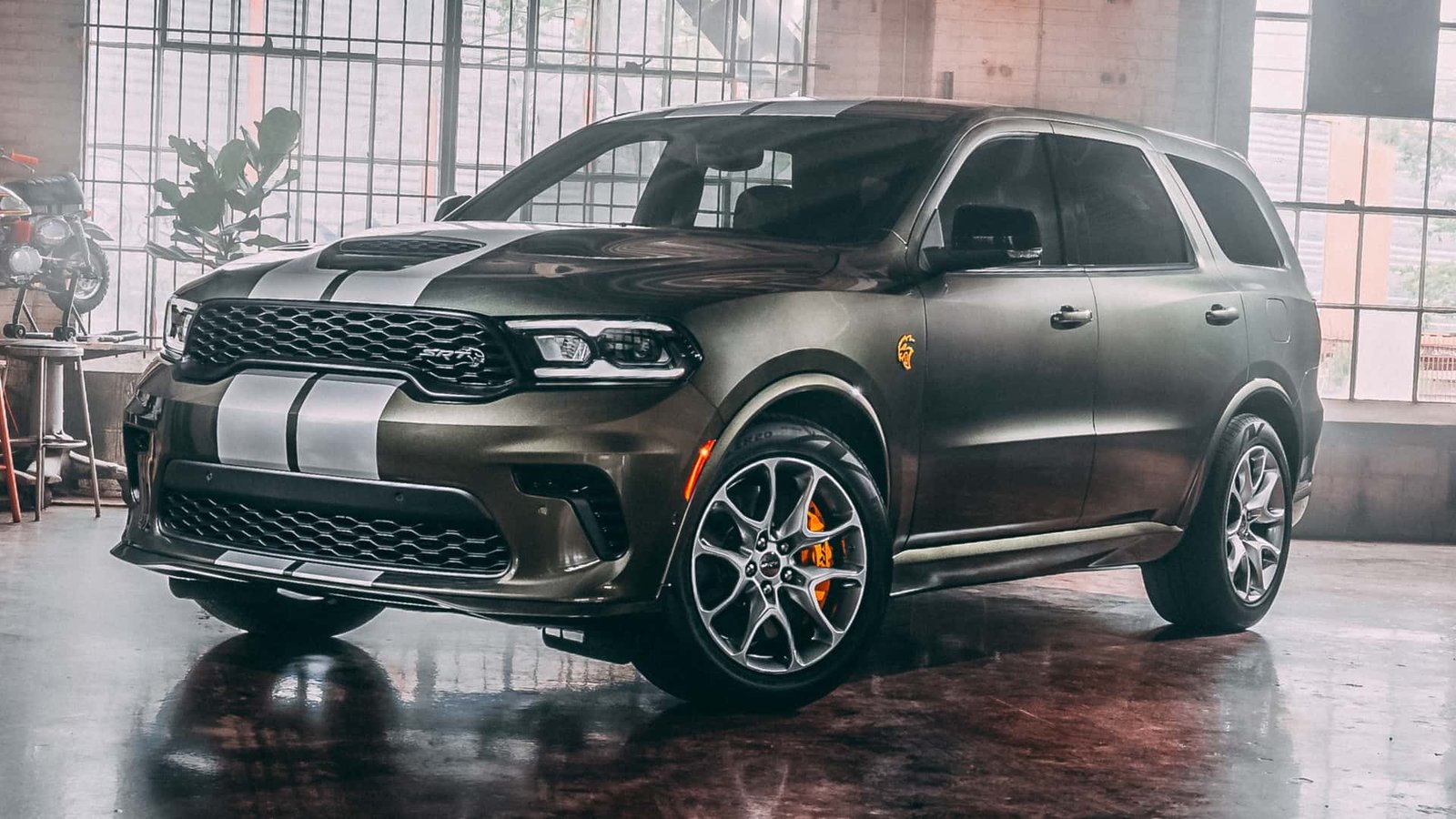
“We had customers practically begging us for the Durango Hellcat,” shared an anonymous sales manager from a large dealership in Sacramento, leaning back in his office chair, the weariness evident in his voice. “They’d come in, cash in hand, ready to sign, and we’d have to tell them we couldn’t get it. Our hands were tied. It was heartbreaking, honestly, to turn away that kind of enthusiasm.” The problem, in a nutshell, was that Stellantis, Dodge’s parent company, had not completed the necessary re-certification for the 2021 Durango Hellcat‘s evaporative emissions system in time to meet the stricter guidelines of the CARB states. These systems prevent fuel vapors from escaping into the atmosphere. It wasn’t that the vehicle was inherently dirty, but rather that the paperwork and testing weren’t finalized for those specific regulatory bodies. It was an oversight, a logistical hurdle, rather than a fundamental flaw in the vehicle’s design or engine.
The Roar Returns: Which States Are Back in Play?
The good news, the truly exciting news for muscle SUV aficionados, is that this certification issue has finally been resolved. The mighty Dodge Durango Hellcat is now fully compliant and available for sale in all 50 states and Washington D.C. This means a significant expansion for the Hellcat’s market reach, particularly in some of the densest and most passionate automotive markets in the country. No longer will residents of these states have to look longingly across state lines, contemplating elaborate plans to register a vehicle purchased elsewhere.
The states where the Dodge Durango Hellcat is no longer banned include:
- California
- Colorado
- Connecticut
- Delaware
- Maine
- Maryland
- Massachusetts
- New Jersey
- New Mexico
- New York
- Oregon
- Pennsylvania
- Rhode Island
- Vermont
- Virginia
- Washington
- Washington D.C.
“Hearing it’s back in California? That’s huge,” exclaimed Jessica, a self-proclaimed ‘Mopar fanatic’ from Los Angeles, her voice buzzing with excitement. “It’s like winning the lottery for car guys and gals who just want that insane power in an SUV. I mean, my family needs space, but I also need 700 horsepower! It’s the perfect ridiculous combo.” The lifting of the ban is a testament to Stellantis’s commitment to meeting regulatory requirements, ensuring that their most powerful SUV can reach every enthusiast, regardless of where they live. It’s a win for consumers and a significant boost for the brand’s image in these key markets.
Understanding the Technicalities: What Changed to Lift the Ban?
So, what exactly did Stellantis do to bring the Durango Hellcat back into compliance? It wasn’t a case of redesigning the entire engine or fundamentally altering its performance characteristics. The core issue, as mentioned, was the evaporative emissions system certification. This system is designed to capture fuel vapors from the fuel tank and fuel delivery system, preventing them from escaping into the atmosphere. Vehicles need to demonstrate that this system works effectively over time and various conditions.

“It was a complex certification process,” explained Dr. Evelyn Reed, an independent automotive emissions engineer we spoke with. “Ensuring full compliance with CARB’s rigorous evaporative standards without compromising the vehicle’s incredible performance was a delicate balancing act. It involved meticulous testing, detailed data submission, and sometimes minor component adjustments within the evaporative system itself, not necessarily the engine or exhaust. Think of it less as a heart transplant and more like a precise adjustment to the vehicle’s lungs and circulatory system to ensure no unwanted ‘breaths’ escape.” This often involves things like improved fuel tank sealing, revised charcoal canister systems, or updated software to manage the vapor recovery process more efficiently. It’s a testament to engineering dedication and regulatory patience that the process was successfully completed, allowing the Dodge Durango Hellcat to once again meet all required standards for sale nationwide. This wasn’t a quick fix; it required diligent work behind the scenes to navigate bureaucratic pathways and technical demands.
The Impact on the Market and Enthusiasts
The return of the Dodge Durango Hellcat to these previously restricted markets has a multi-faceted impact. For one, it provides a significant boost to Stellantis’s sales figures in key regions. More importantly, it brings joy and choice back to consumers. Mark, from our introduction, can finally walk into his local Dodge dealer in San Diego and place an order without a shadow of doubt. “I almost gave up,” he admitted, a wide grin spreading across his face. “I was looking at used ones, even considering an out-of-state purchase. But knowing I can get a brand new one, with a full warranty, right here? That’s just perfect.”
The increased availability might also stabilize the resale market for existing Durango Hellcats in these states. When new models couldn’t be sold, the scarcity of used models sometimes drove prices disproportionately high. Now, with new inventory flowing in, the market should find a more natural equilibrium. It also reaffirms Dodge’s commitment to its performance lineage, even as the automotive industry rapidly shifts towards electrification. For many, the Hellcat represents a final, glorious hurrah for large, unapologetically powerful internal combustion engines.
Beyond the Ban: The Hellcat’s Enduring Appeal
Even with the world increasingly focused on electric vehicles and hybridization, the Dodge Durango Hellcat holds a unique and unwavering appeal. It’s not just an SUV; it’s an event. With its 710 horsepower, it can out-accelerate many dedicated sports cars while comfortably seating seven people and towing a substantial load. The supercharger whine, the aggressive styling, and the sheer audacity of putting such an engine into a family hauler are all part of its charm. It defies logic, embraces excess, and delivers pure, unadulterated fun.
“There’s nothing quite like the Durango Hellcat,” stated Alex Smith, a prominent automotive journalist known for his candid reviews. “It defies logic and embraces pure, unadulterated fun. It’s completely impractical for most, a fuel-guzzling monster, but it’s also a glorious, exhilarating experience that simply doesn’t exist anywhere else. It’s a statement, a rolling piece of Americana.” Its polarizing looks and thirsty nature are often overlooked by those who simply crave raw power and a commanding presence on the road. It’s an SUV that doesn’t just transport; it makes a grand entrance, whether you’re dropping the kids off at school or tearing down a drag strip.
A Glimpse into the Future of High-Performance ICE Vehicles
The return of the Dodge Durango Hellcat is a significant moment, but it also prompts reflection on the future. As automotive manufacturers increasingly commit to electric vehicle (EV) development, vehicles like the Hellcat are becoming rarer commodities. Many see it as one of the last bastions of ridiculously powerful internal combustion engines. This successful re-certification might offer a temporary reprieve, but the long-term trend is clear.
One has to wonder how long such vehicles will continue to exist in their current form. Will future regulations eventually make it impossible to offer them, even with evaporative emissions certifications sorted out? It’s a bittersweet moment, perhaps. We celebrate the return of a beloved beast, but we also acknowledge that its days, in this form, are likely numbered. For now, however, enthusiasts can revel in the fact that they can once again purchase this incredible machine across the entire nation, enjoying the visceral thrill that only a supercharged HEMI can deliver. It reminds us that passion for power still has a place, even in a rapidly evolving automotive landscape.
States Where the Durango Hellcat Was Temporarily Unavailable vs. Now Available
| State | Original Status (2021-2023) | Current Status (2024+) |
|---|---|---|
| California | Unavailable (new sales) | Available |
| Colorado | Unavailable (new sales) | Available |
| Connecticut | Unavailable (new sales) | Available |
| Delaware | Unavailable (new sales) | Available |
| Maine | Unavailable (new sales) | Available |
| Maryland | Unavailable (new sales) | Available |
| Massachusetts | Unavailable (new sales) | Available |
| New Jersey | Unavailable (new sales) | Available |
| New Mexico | Unavailable (new sales) | Available |
| New York | Unavailable (new sales) | Available |
| Oregon | Unavailable (new sales) | Available |
| Pennsylvania | Unavailable (new sales) | Available |
| Rhode Island | Unavailable (new sales) | Available |
| Vermont | Unavailable (new sales) | Available |
| Virginia | Unavailable (new sales) | Available |
| Washington | Unavailable (new sales) | Available |
| Washington D.C. | Unavailable (new sales) | Available |
Key Reasons for the Initial Ban and its Reversal
- Initial Ban Reason: The primary cause was an issue with the evaporative emissions certification for the 2021 model year Dodge Durango Hellcat in states that adopt California emissions standards (CARB states). This specifically related to the system designed to prevent fuel vapors from escaping into the atmosphere.
- Reversal Mechanism: Stellantis diligently worked through the necessary processes to re-certify the vehicle. This involved extensive testing, data submission, and potential minor adjustments to the evaporative emissions system components and related software, ensuring full compliance with the strict CARB regulations.
- No Fundamental Design Change: It’s crucial to understand that the engine’s core design or the vehicle’s immense performance capabilities were not altered. The changes were focused on meeting regulatory paperwork and specific emissions prevention standards.
- Advocacy and Demand: The consistent demand from enthusiasts and the advocacy from dealerships likely also played a role in pushing Stellantis to prioritize and expedite the re-certification process.
In conclusion, the saga of the Dodge Durango Hellcat‘s temporary ban and its triumphant return is a fascinating chapter in the ongoing narrative of automotive regulations and consumer demand. It underscores the complexities manufacturers face in navigating diverse state-level emissions standards, even for vehicles that are technically sound. For enthusiasts in states like California, the lifting of this ban is more than just a regulatory update; it’s the fulfillment of a long-held dream, a chance to experience one of the most absurdly powerful and undeniably thrilling SUVs ever produced. Go ahead, listen for that supercharger whine. It’s calling your name, and now, you can answer from anywhere in the country. It’s a bittersweet moment, perhaps, as the automotive world pivots towards electrification, but for now, let’s savor the symphony of that supercharger.
Frequently Asked Questions
| What was the main reason the Dodge Durango Hellcat was banned in certain states? | The primary reason for the temporary ban was a specific issue with the 2021 model year Dodge Durango Hellcat‘s evaporative emissions certification. This meant that while the vehicle met tailpipe emissions, its system for preventing fuel vapors from escaping into the atmosphere had not been fully certified to meet the stricter standards of CARB (California Air Resources Board) states at the time of its initial release. |
| What are the main benefits of the ban being lifted for consumers and Dodge? | For consumers, the main benefit is wider availability, allowing enthusiasts in previously restricted states (like California) to purchase a new Durango Hellcat directly from dealerships. For Dodge (Stellantis), it means access to significant markets, increased sales potential, and an improved brand image by ensuring compliance and satisfying customer demand across the nation. |
| How did Stellantis manage to get the Durango Hellcat re-certified for sale? | Stellantis undertook a thorough process of re-certification, involving extensive testing, data submission, and potentially minor adjustments to the vehicle’s evaporative emissions system components and related software. This meticulous work ensured that the Dodge Durango Hellcat fully complied with all required CARB emissions standards without altering its core performance characteristics. |
| Are there any ongoing challenges for high-performance ICE vehicles like the Hellcat? | Yes, while the specific ban related to evaporative emissions has been lifted, high-performance internal combustion engine (ICE) vehicles like the Durango Hellcat face ongoing challenges. These include increasing fuel efficiency standards, broader emissions regulations (e.g., CO2 targets), and the rapid global shift towards electrification. They represent a diminishing segment as the automotive industry transitions to EVs. |
| What does the return of the Durango Hellcat signify for the future of muscle cars? | The return of the Dodge Durango Hellcat signifies a temporary victory for traditional muscle and high-performance ICE vehicles. It shows that with dedicated engineering and regulatory compliance, these powerful machines can still be sold. However, it also highlights that such vehicles exist in an increasingly scrutinized environment, perhaps serving as a “last hurrah” for this era of unbridled gasoline power before electric powertrains become dominant. |
Important Notice
This FAQ section addresses the most common inquiries regarding the topic.