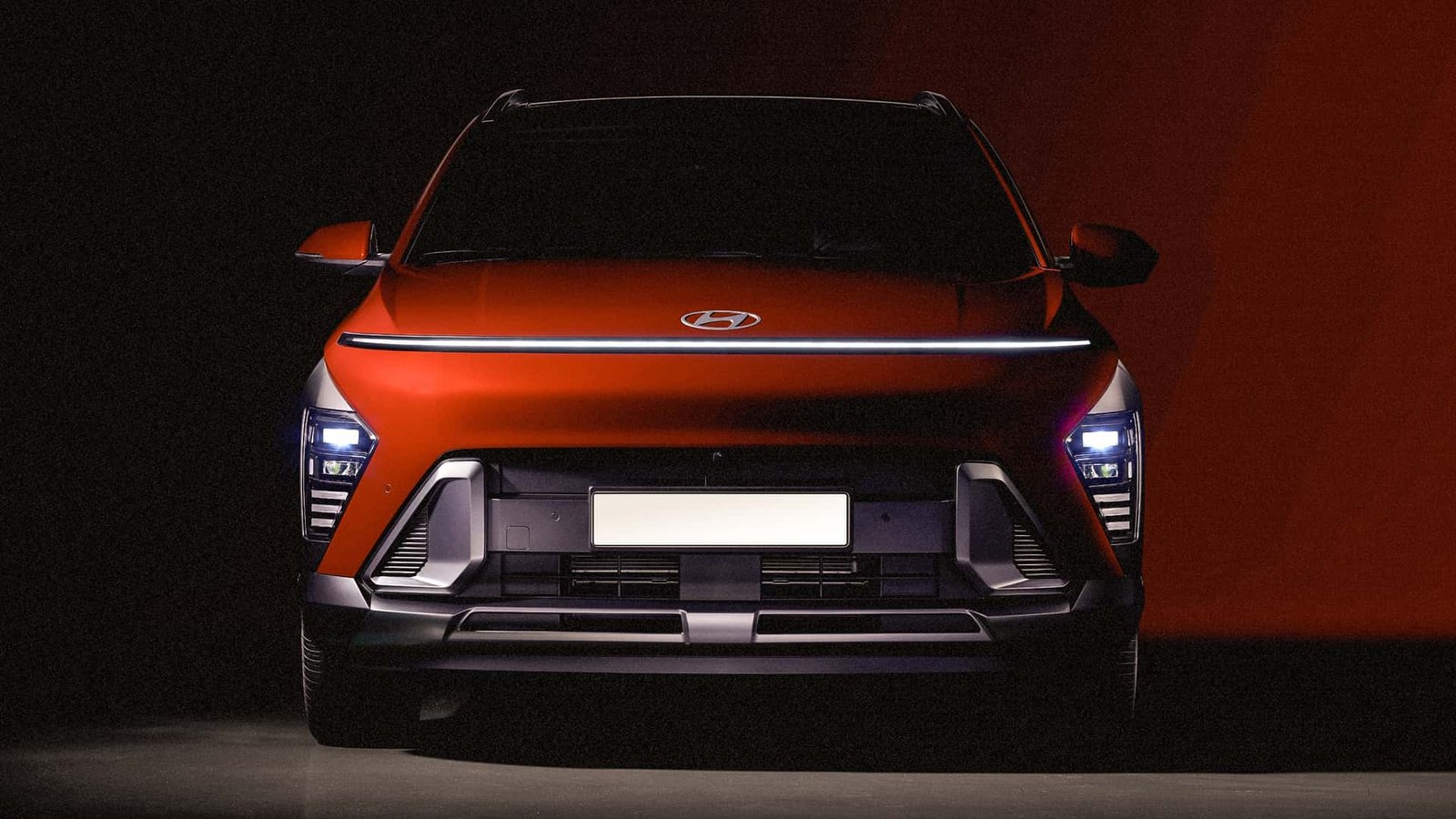
Okay, picture this: You’re driving down a dimly lit road, the sky a canvas of inky black. Suddenly, a pair of piercing lights cuts through the darkness, then… another pair right below them? What gives? You’re not seeing double; you’re witnessing the rise of the split headlight, a design trend that’s been quietly taking over our roads. It’s hard to miss these days. It’s on SUVs, sedans, even some of the sportier models. But why? Why are so many car manufacturers suddenly opting for this somewhat unusual headlight design? Is it just a fleeting fad, a desperate attempt to stand out in a crowded market? Or is there something more to it?
It’s more than just aesthetics, though let’s be honest, that plays a big part. Automakers are constantly striving for that distinctive look, that something that makes their cars instantly recognizable. Think of it as automotive branding, the visual equivalent of a signature tune. And in a world increasingly dominated by similar-looking SUVs and crossovers, a unique headlight configuration can be a real game-changer. But before we dive too deep into the world of automotive styling, let’s address the elephant in the room: does this split headlight trend actually improve visibility and safety? Because if it doesn’t, well, then it’s just another example of form over function, right?
I remember talking to a friend who works as a designer for a major car company, and he was surprisingly candid about the whole thing. “Look,” he said, leaning in conspiratorially, “sometimes it’s about making a statement. We want people to look at our cars and say, ‘Wow, that’s different.’ The split headlight design allows us to play with the proportions of the front end, to create a more aggressive or futuristic look.” He also admitted that safety is a consideration, but not always the *primary* one. It’s a delicate balance, he explained, between aesthetics, engineering, and marketing. Now, does that mean split headlights are inherently unsafe? Not necessarily. But it does mean that we need to take a closer look at the pros and cons of this increasingly popular design choice. Let’s explore the history, the design considerations, and the potential safety implications of this intriguing trend.
The Evolution of Automotive Lighting
The story of the split headlight is, in a way, a story of the evolution of automotive lighting itself. Think back to the early days of motoring. Headlights were little more than glorified lanterns, providing a flickering, unreliable source of illumination. They were purely functional, and aesthetics were an afterthought. As technology progressed, headlights became brighter, more efficient, and more integrated into the overall car design. Sealed beam headlights became the norm for decades, providing a consistent and standardized light source. But with the advent of halogen bulbs, and then xenon and LED technology, designers gained far more freedom to experiment.
The introduction of LED headlights was a turning point. LEDs are smaller, more energy-efficient, and more versatile than traditional bulbs. They can be shaped into almost any form, allowing designers to create intricate and visually striking headlight designs. This paved the way for the split headlight trend, as it became possible to separate the various lighting functions – low beams, high beams, daytime running lights, and turn signals – into distinct modules.

The Design Rationale Behind Split Headlights
So, what’s the thinking behind the split headlight design? There are several factors at play, ranging from aesthetics to aerodynamics to perceived safety.
* Aesthetics: As mentioned earlier, one of the primary drivers of the split headlight trend is simply aesthetics. It allows designers to create a more distinctive and modern look for the front of the car. By separating the headlights into two or more distinct units, they can play with the proportions and create a more aggressive or futuristic appearance. Some manufacturers use the upper lights as daytime running lights (DRLs) and turn signals, while the lower lights handle the main headlight functions.
* Aerodynamics: While not always the primary consideration, aerodynamics can also play a role. By splitting the headlights, designers can potentially reduce the frontal area of the car, which can improve aerodynamic efficiency. This is especially important for electric vehicles, where every little bit of efficiency counts.
* Perceived Safety: This is a tricky one. While there’s no definitive evidence that split headlights are inherently safer than traditional headlights, some manufacturers argue that they can improve visibility in certain conditions. For example, some designs position the lower lights closer to the road, which can improve visibility in fog or heavy rain. Others argue that the distinct separation of the lighting functions makes the car more visible to other drivers.
One anonymous source within a leading European automotive manufacturer stated: “We always try to balance aesthetics with functionality. The split headlights allow us to create a unique visual signature while still meeting all safety regulations.”
Potential Benefits and Drawbacks
Like any design choice, split headlights have both potential benefits and drawbacks. It’s important to consider both sides of the coin before drawing any conclusions.
Potential Benefits
* Improved Aesthetics: A more modern and distinctive look.
* Aerodynamic Advantages: A slight improvement in aerodynamic efficiency (in some designs).
* Enhanced Visibility (Potentially): Better visibility in specific conditions, such as fog or rain (depending on the design).
* Distinct Lighting Functions: Clear separation of DRLs, turn signals, and headlights.
Potential Drawbacks
* Reduced Visibility (Potentially): Some designs may compromise overall headlight performance.
* Increased Complexity: More complex wiring and components, potentially leading to higher repair costs.
* Polarizing Design: Not everyone likes the look of split headlights, which can alienate some potential buyers.
* Confusion for Other Drivers: Some drivers may find the split headlight configuration confusing, especially at night.
A survey conducted by a leading automotive magazine revealed that opinions on split headlights are highly divided. While some respondents praised the modern and distinctive look, others found them to be unattractive and even distracting. As one respondent put it, “They look like the car is sad!”
Safety Considerations and Regulations
Of course, any headlight design must meet strict safety regulations. These regulations vary from country to country, but they generally cover aspects such as headlight brightness, beam pattern, and aiming. Manufacturers must ensure that their split headlight designs comply with all applicable regulations before they can be sold.
The key is proper implementation. A poorly designed split headlight system can actually *reduce* visibility, creating dangerous situations for both the driver and other road users. It’s crucial that the headlights are properly aimed and that the beam pattern is optimized for both low beam and high beam operation.
The Future of Headlight Design
So, what does the future hold for headlight design? Will the split headlight trend continue to gain momentum, or will it eventually fade away? It’s difficult to say for sure, but there are a few trends that are likely to shape the future of automotive lighting.
* Continued LED Dominance: LEDs will continue to be the dominant headlight technology, thanks to their efficiency, versatility, and long lifespan.
* Advanced Driver-Assistance Systems (ADAS): Headlights will become increasingly integrated with ADAS systems, such as adaptive cruise control and lane departure warning. This will allow headlights to automatically adjust their beam pattern based on driving conditions and the presence of other vehicles.
* Laser Headlights: Laser headlights are already available on some high-end vehicles, and they offer even greater brightness and range than LEDs. However, they are currently very expensive, and it remains to be seen whether they will become more widely adopted.
* Personalized Lighting: In the future, it may be possible to personalize headlight settings based on individual driver preferences. This could include adjusting the brightness, beam pattern, and color temperature of the headlights.
Ultimately, the future of headlight design will be driven by a combination of aesthetics, technology, and safety. Automakers will continue to experiment with new and innovative designs, but they must always prioritize the safety of drivers and other road users. The split headlight might be a stepping stone to something even more radical, or it may simply become another chapter in the ever-evolving story of the automobile.
Conclusion
The split headlight trend is a fascinating example of how aesthetics, technology, and safety intersect in the world of automotive design. While it’s not without its potential drawbacks, it offers a unique opportunity for manufacturers to create distinctive and modern-looking vehicles. Whether it’s a fleeting fad or a lasting trend remains to be seen, but one thing is certain: the future of automotive lighting is bright. As long as safety remains a top priority, we can expect to see even more innovative and exciting headlight designs in the years to come. Personally, I find the trend interesting, but I hope manufacturers prioritize functionality and actual safety over pure aesthetics. Give me a headlight that helps me see in a blizzard over one that just looks cool any day!
Frequently Asked Questions
| Why are split headlights becoming so popular on cars? | Split headlights are gaining popularity due to their ability to offer a unique and modern aesthetic, allowing designers to differentiate car models and play with front-end proportions. The advent of LED technology also enables greater flexibility in shaping and separating lighting functions, contributing to this trend. |
| What are the benefits of having split headlights on a car? | The potential benefits include a more distinctive aesthetic, aerodynamic advantages in some designs, and potentially enhanced visibility in specific conditions like fog or rain. They also allow for a clear separation of daytime running lights, turn signals, and main headlight functions. |
| How are split headlights implemented in car designs? | Split headlights are implemented by dividing the traditional single headlight unit into two or more distinct modules. Typically, the upper lights serve as daytime running lights (DRLs) and turn signals, while the lower lights handle the main headlight functions (low and high beams). LED technology enables these separate units to be shaped and positioned in various ways. |
| What are the challenges associated with split headlight designs? | Potential challenges include the risk of reduced overall visibility if the design compromises headlight performance, increased complexity in wiring and components, potentially leading to higher repair costs, and the fact that the polarizing design may not appeal to all consumers. |
| What is the future of split headlight designs in the automotive industry? | The future of split headlight designs will likely see continued LED dominance, greater integration with Advanced Driver-Assistance Systems (ADAS), and potentially the adoption of laser headlights for enhanced brightness and range. There may also be a trend towards personalized lighting settings based on individual driver preferences. |
Important Notice
This FAQ section addresses the most common inquiries regarding the topic.