The air hung heavy with the scent of burnt rubber and unspoken anxieties that day at the Detroit Auto Show. Outside, a light drizzle mirrored the somber mood swirling within General Motors. Just months after showcasing the groundbreaking Cadillac CT6, whispers began circulating – whispers that the innovative luxury sedan was destined for the chopping block. The CT6, a car that promised to redefine Cadillac’s image, a car that boasted cutting-edge technology like Super Cruise, GM’s hands-free driving system, was about to be unceremoniously killed off. It felt wrong, even then. I remember seeing a few designers looking particularly glum, nursing lukewarm coffee, their faces etched with disappointment. They knew what the CT6 represented: a bold step forward, a glimpse into Cadillac’s future. Fast forward to today, and the automotive landscape is vastly different. Electric vehicles are ascendant, autonomous driving is inching closer to reality, and Cadillac is struggling to find its footing in this new world. Looking back, it’s becoming increasingly clear that GM’s decision to kill the Cadillac CT6 might be one of the biggest mistakes the company has made in recent history. The question isn’t just “Could the CT6 have been a success?” but also, “What could it have done for Cadillac’s reputation, innovation, and future?”
The decision, driven by a combination of factors including restructuring efforts and a shift towards electric vehicles, seemed logical on paper. But in hindsight, it appears short-sighted, especially when considering the CT6’s potential to bridge the gap between traditional luxury and the electric future. It was more than just a car; it was a statement. “We believed in the CT6,” one anonymous source within Cadillac confided, “It was supposed to be the flagship, the technology demonstrator. Killing it felt like abandoning our own ambition.” Think about it: a large, luxurious sedan with advanced technology, precisely what some consumers are looking for even now. And the Super Cruise system? Ahead of its time. Now, years later, the automotive industry is abuzz with speculation: Does GM secretly regret pulling the plug on its forward-thinking sedan? Let’s dive in and examine the evidence.
The Rise and Fall of the Cadillac CT6
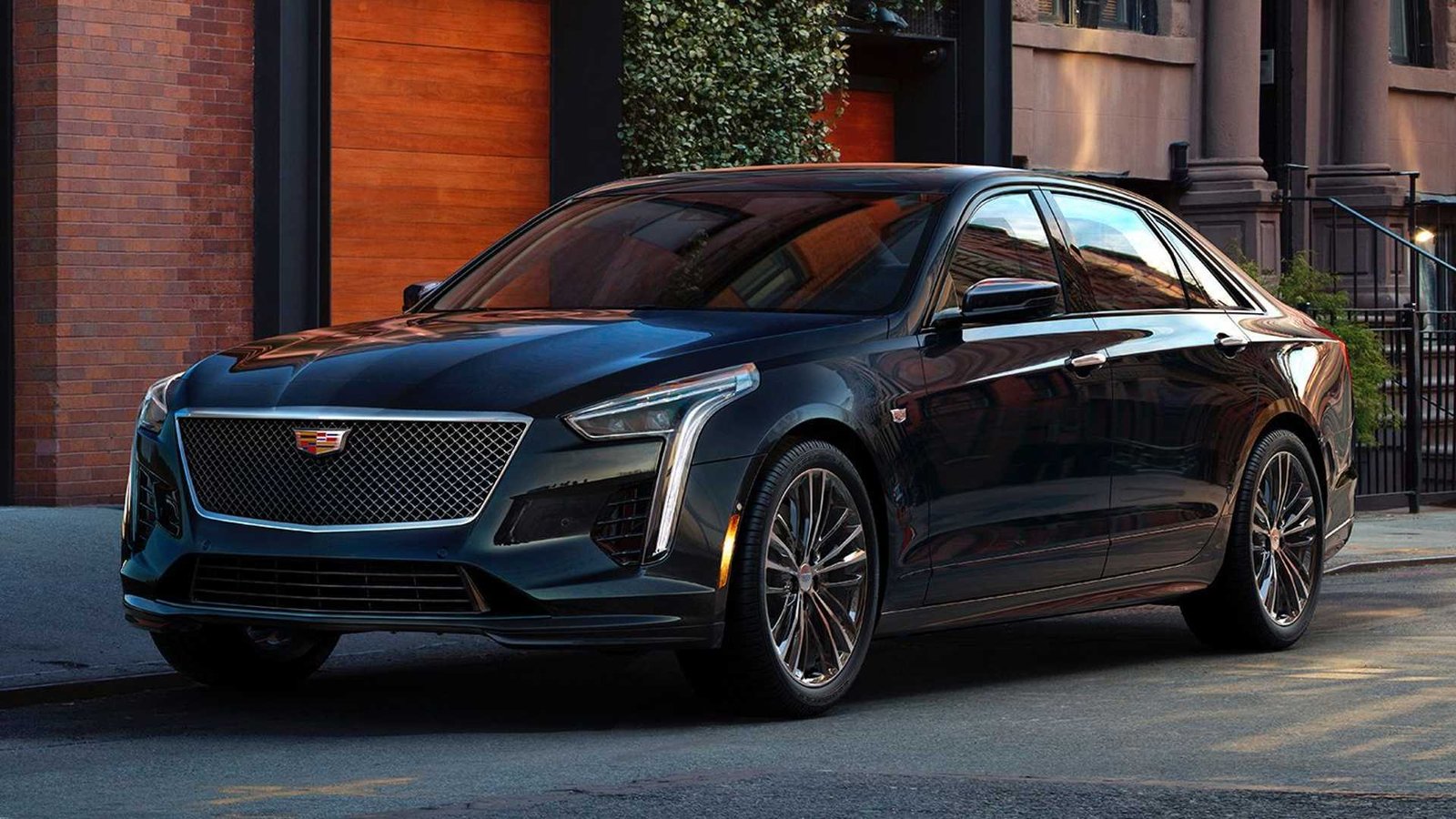
The Cadillac CT6 was introduced in 2016 as a full-size luxury sedan, positioned above the CTS and XTS in Cadillac’s lineup. It aimed to compete with established rivals such as the BMW 5 Series, Mercedes-Benz E-Class, and Audi A6. (Quite a challenge, if you ask me!). The CT6 stood out with its lightweight yet rigid aluminum-intensive construction, offering impressive handling and a refined driving experience.
Here’s a quick rundown of its key features:
* Multiple engine options: including a 2.0L turbocharged four-cylinder, a 3.6L V6, and a 3.0L twin-turbo V6.
* Available all-wheel drive.
* Cutting-edge technology: including Super Cruise, Cadillac’s hands-free driving system.
* Luxurious interior: featuring premium materials and advanced infotainment systems.
Despite positive reviews praising its driving dynamics, technology, and value proposition, the CT6 never achieved the sales numbers Cadillac had hoped for. Several factors contributed to its demise, including:
1. Restructuring Efforts: GM’s decision to close several North American plants, including the Detroit-Hamtramck Assembly plant where the CT6 was produced, played a significant role.
2. Shift to Electric Vehicles: GM announced its commitment to an all-electric future, prioritizing investments in electric vehicle development over traditional internal combustion engine vehicles.
3. Changing Market Dynamics: The growing popularity of SUVs and crossovers further eroded demand for sedans, including the CT6.
The decision to discontinue the CT6 was announced in late 2018, and production ceased in early 2020. It felt like a punch to the gut to many Cadillac enthusiasts. They really believed in this car.
The Case for Regret: What the CT6 Could Have Been
Looking back, there are compelling arguments to suggest that GM might regret killing the Cadillac CT6. The automotive landscape has evolved significantly since 2018, and the CT6’s strengths could have been better leveraged in today’s market.
Super Cruise: A Missed Opportunity
The CT6 was the first Cadillac to feature Super Cruise, a hands-free driving system that allows drivers to take their hands off the steering wheel on designated highways. At the time, Super Cruise was considered a game-changer, offering a level of autonomy unmatched by many competitors. (And it still holds up pretty well!). Today, autonomous driving technology is a major battleground for automakers, and Super Cruise has become a key differentiator for Cadillac.
By discontinuing the CT6, GM essentially shelved a valuable asset that could have further enhanced Cadillac’s reputation as a technology leader. Imagine if they had continued developing and refining Super Cruise on the CT6 platform, integrating it with advanced electric powertrains. Cadillac could have been at the forefront of the autonomous driving revolution.
Bridging the Gap to Electric Vehicles
While GM’s commitment to electric vehicles is commendable, the transition from internal combustion engines to EVs is not instantaneous. The CT6 could have served as a crucial bridge during this transition, offering customers a luxurious and technologically advanced sedan with a plug-in hybrid option. In fact, a plug-in hybrid variant *was* available, but it wasn’t heavily promoted.
A CT6 plug-in hybrid could have appealed to customers who were not yet ready to fully embrace electric vehicles but still wanted to reduce their carbon footprint. It could have also attracted buyers who were hesitant to purchase an EV due to range anxiety or charging infrastructure concerns. By offering a compelling plug-in hybrid option, Cadillac could have gradually introduced customers to the benefits of electrification, paving the way for future EV adoption.
Brand Image and Flagship Status
The Cadillac CT6 was intended to be the brand’s flagship sedan, representing the pinnacle of Cadillac’s engineering and design capabilities. It showcased the brand’s commitment to innovation and luxury, helping to elevate Cadillac’s image in the eyes of consumers. (And it did, at least for a little while).
By discontinuing the CT6, Cadillac lost a valuable opportunity to establish itself as a true competitor to established luxury brands like BMW and Mercedes-Benz. The absence of a flagship sedan leaves a void in Cadillac’s lineup, making it difficult to compete with brands that offer a comprehensive range of luxury vehicles. “We needed that halo car,” another anonymous source stated. “Something that said, ‘Cadillac is back.'”
The Competitive Landscape Today
The luxury sedan market has evolved since the CT6’s demise. While SUVs and crossovers remain popular, there is still a significant demand for luxury sedans, particularly those that offer advanced technology and a refined driving experience.
Here are some of the key competitors in the luxury sedan market:
* Mercedes-Benz S-Class
* BMW 7 Series
* Audi A8
* Lexus LS
* Genesis G90
These models offer a blend of luxury, performance, and technology, catering to discerning customers who appreciate the comfort and sophistication of a sedan.
If the Cadillac CT6 were still in production today, it could potentially compete with these models, particularly if it were offered with an updated design, advanced technology, and a plug-in hybrid or fully electric powertrain. It would require significant investment, of course, but the potential return could be substantial.
Financial Implications and Opportunity Costs
The decision to kill the Cadillac CT6 was undoubtedly driven by financial considerations. GM was facing significant restructuring costs and needed to prioritize investments in key areas, such as electric vehicles and autonomous driving technology.
However, the long-term financial implications of discontinuing the CT6 may be more complex. By abandoning a potentially successful product, GM may have missed out on significant revenue opportunities. The CT6 could have generated substantial profits over its lifespan, contributing to GM’s bottom line and helping to fund future investments.
Moreover, the decision to kill the CT6 may have damaged Cadillac’s brand image, making it more difficult to attract new customers and retain existing ones. The loss of a flagship sedan could have a ripple effect, impacting sales of other Cadillac models and hindering the brand’s long-term growth prospects.
The Future of Cadillac: Lessons Learned?
Cadillac is now fully committed to an electric future, with plans to launch a range of electric vehicles in the coming years. The Cadillac Lyriq, an all-electric SUV, is already on sale, and other electric models are in development.
While Cadillac’s electric vehicle strategy is promising, the company needs to learn from the mistakes of the past. The CT6 debacle highlights the importance of:
* Long-Term Vision: Automakers need to think beyond immediate financial pressures and consider the long-term implications of their decisions.
* Strategic Investments: Investments in innovative technologies, such as Super Cruise, should be protected and nurtured, even during periods of restructuring.
* Brand Building: A strong brand image is essential for attracting customers and competing in the luxury market. Flagship models play a crucial role in building brand equity.
* Market Adaptability: Automakers need to be flexible and adapt to changing market dynamics. The CT6 could have been adapted to better suit the evolving needs of luxury car buyers.
Perhaps, in the future, Cadillac will consider resurrecting the spirit of the CT6 in a new, all-electric sedan. It would need to be bold, innovative, and luxurious, truly representing the pinnacle of Cadillac’s capabilities. Only then can the brand fully overcome the regret of killing its promising flagship.
In conclusion, while the decision to discontinue the Cadillac CT6 was understandable given the circumstances at the time, it appears to have been a short-sighted move. The CT6 had the potential to be a successful product, a technology leader, and a brand builder for Cadillac. By killing it off, GM may have missed out on significant opportunities and damaged Cadillac’s long-term prospects. Only time will tell if GM truly regrets this decision, but the evidence suggests that it should. I, for one, would love to see a reborn, electric CT6 grace our roads someday. Wouldn’t you?
Frequently Asked Questions
| Why did GM discontinue the Cadillac CT6? | GM discontinued the Cadillac CT6 due to restructuring efforts, a shift towards electric vehicles, and changing market dynamics (the growing popularity of SUVs). The plant where the CT6 was produced was also closed as part of the restructuring. |
| What benefits did the Cadillac CT6 offer? | The Cadillac CT6 offered a luxurious interior, advanced technology like Super Cruise (GM’s hands-free driving system), multiple engine options, and a lightweight yet rigid aluminum-intensive construction that provided impressive handling. |
| How could the Cadillac CT6 have been better implemented? | The Cadillac CT6 could have been better implemented by continuing its development as a bridge between traditional luxury sedans and electric vehicles, perhaps with a greater focus on its plug-in hybrid variant and further refinement of its Super Cruise technology. More aggressive marketing could have also helped. |
| What challenges would a revived Cadillac CT6 face? | A revived Cadillac CT6 would face challenges including intense competition in the luxury sedan market, the need to differentiate itself from other Cadillac EVs, and the ongoing shift in consumer preferences towards SUVs. Significant investment in design, technology, and marketing would be required. |
| What is the future outlook for luxury sedans at Cadillac? | The future outlook for luxury sedans at Cadillac is uncertain, but the brand is currently focused on developing and launching electric SUVs and crossovers. A future Cadillac sedan would likely need to be fully electric and incorporate cutting-edge technology to be competitive. |
Important Notice
This FAQ section addresses the most common inquiries regarding the topic.