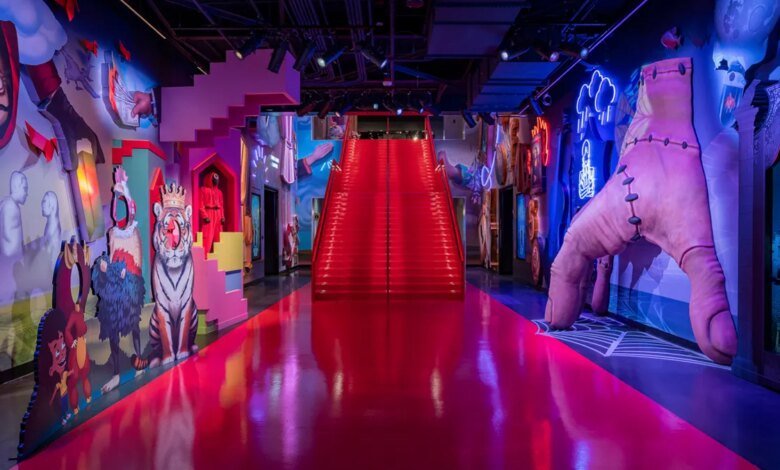
The air inside the Westfield Galleria at Roseville felt different that day, charged with an almost palpable buzz, a mix of anticipation and disbelief. Forget the usual hum of shoppers and the distant clang of food court trays; there was a new energy, something akin to the thrill you get just before entering a major theme park. You could see it in the eyes of families clutching their children’s hands, in the excited whispers of teenagers, all converging towards a colossal, enigmatic structure rising from the footprint of a long-abandoned department store. This wasn’t just another store opening; this was the unveiling of Netflix House, a groundbreaking concept promising to redefine what a shopping mall can be, and honestly, what entertainment itself means in our streaming-obsessed world. People have been talking about the decline of the American mall for years, lamenting empty storefronts and dwindling foot traffic, but suddenly, here was a beacon. Netflix, the titan of digital content, was stepping into the physical realm, not with a fleeting pop-up, but with a permanent, sprawling complex designed to immerse you completely in the worlds of your favorite shows. It felt like walking into a dream, a meticulously crafted fantasy where the boundary between screen and reality blurs, delivering genuine Disneyland vibes right in your local retail hub.
I remember seeing the initial concept art, and frankly, I was skeptical. Could they really capture the magic, the scale, the sheer escapism of a world-class theme park? But standing there, watching the first wave of visitors disappear behind those imposing doors, hearing a faint, almost otherworldly chime that sounded straight out of a fantasy series, a shiver ran down my spine. This wasn’t just a marketing stunt. This felt monumental. It was Netflix’s audacious declaration that the future of entertainment isn’t just about what you watch, but what you experience, how you feel, and how deeply you connect with the stories that have shaped our cultural landscape. They’re not just selling merchandise; they’re selling memories, offering a tangible slice of the fictional universes we’ve come to adore, creating a new kind of immersive entertainment that could genuinely revitalize spaces once thought obsolete.
You know, for years, the conversation has been about how streaming keeps us glued to our couches. Netflix, ironically, is now pioneering a counter-movement, inviting us to step off the sofa and directly into the heart of their narratives. It’s a bold move, a significant investment in a physical presence when so many have shifted exclusively online. But after witnessing the sheer excitement of those first few visitors – a mother pulling her son towards what looked like a replica of the Upside Down, a couple giggling as they posed next to a Bridgerton-esque garden facade – it became clear that this isn’t just a gamble; it’s a brilliant, intuitive understanding of human desire for connection, for wonder, and for a bit of magic in our everyday lives.
The Vision Behind the Experience: More Than Just a Pop-Up
This isn’t Netflix’s first foray into physical experiences, of course. We’ve seen the pop-up “Stranger Things” stores, the limited-run “Bridgerton” balls, and even “Squid Game” challenge recreations. Those were testaments to the hunger for tangible interactions with beloved IPs. But Netflix House is different. It’s a permanent, large-scale entertainment complex, designed to be an anchor destination, much like a department store or a cinema used to be – only far more dynamic. Josh Simon, Vice President of Consumer Products at Netflix, articulated the core vision during a private press briefing: “Our goal was to create a place where fans can truly step into their favorite stories, not just for a few hours, but as a recurring destination. We wanted to build a ‘home’ for Netflix in the physical world, offering continuous discovery and fresh experiences.” He emphasized the permanence, the quality, and the ambition to rival established theme park attractions in terms of immersion and storytelling.
The concept hinges on the growing demand for experiential retail, a trend accelerated by the pandemic as people craved real-world interaction after prolonged digital isolation. Malls, struggling with the shift to online shopping, are desperate for new draws. Netflix saw this as a symbiotic opportunity: a way to deepen fan engagement and, simultaneously, provide a lifeline to struggling retail spaces. “It’s about bringing the magic off the screen and into a shared, collective experience,” explained Sarah Jenkins, a lead experience designer for the project. “We’re not just recreating sets; we’re crafting narrative journeys where you’re the protagonist, whether you’re solving mysteries with the Scooby Gang or attending a royal ball.” The scale of the venture is astounding, with each location spanning tens of thousands of square feet, capable of hosting hundreds, if not thousands, of visitors daily.
Bringing Beloved Worlds to Life: A Multi-Sensory Journey
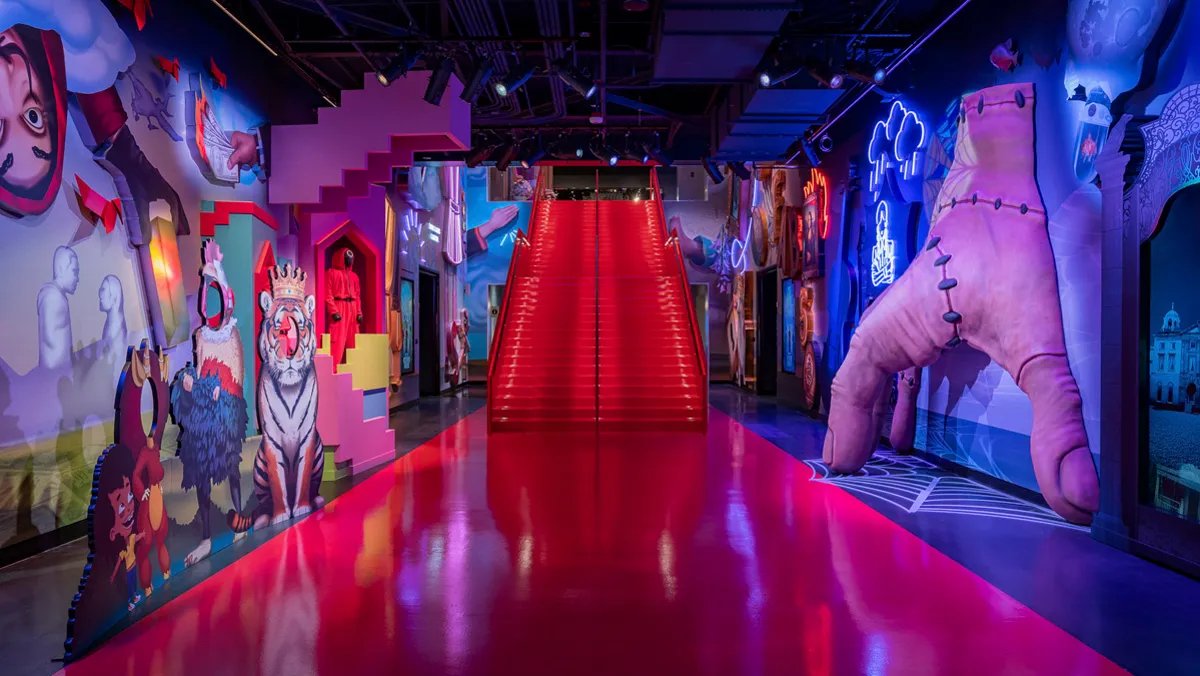
Stepping inside Netflix House is like traversing a portal. The central atrium itself is a marvel, a grand, open space that acts as a hub, complete with subtle nods to various Netflix shows. From there, you branch off into distinct, fully realized worlds. It’s truly a journey for all senses.
The Upside Down & Beyond: Stranger Things Zone
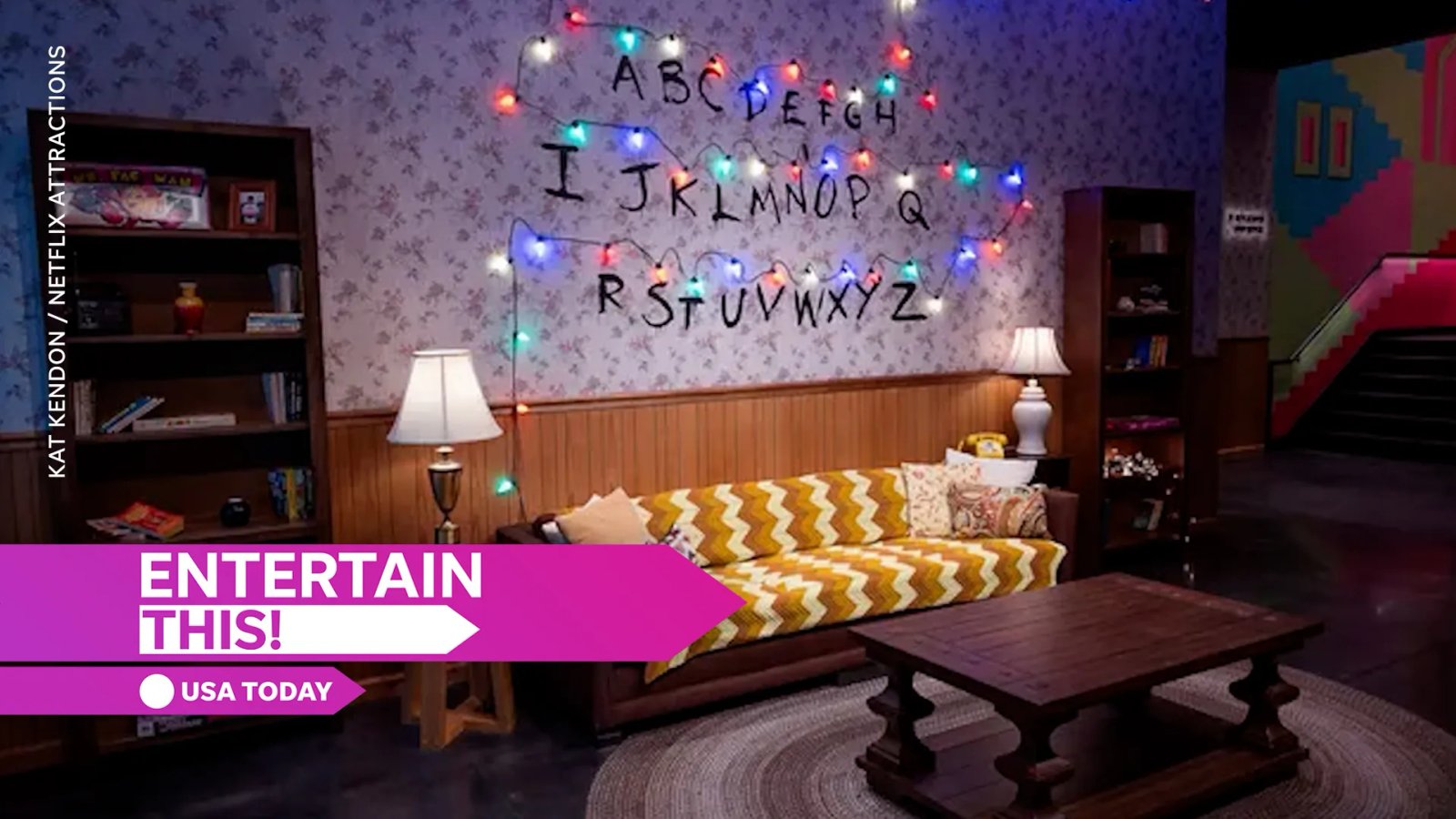
The Stranger Things zone is, predictably, a massive draw. You walk through a replica of Hawkins National Laboratory, hear the faint hum of machinery, and then – a chilling transition – find yourself in the eerie, pulsating glow of the Upside Down. The air grows noticeably cooler, carrying a faint, earthy smell, and the soundscape is filled with the unsettling whispers and guttural roars we know so well. There’s an interactive element where you can ‘help’ the kids close a rift, complete with projected effects and haptic feedback. “It felt so real,” exclaimed a wide-eyed teenager named Chloe, emerging from the Upside Down with her friends. “I actually screamed! It’s way better than just watching it on TV.” You can grab an ‘Eggo’ waffle at a themed diner or even try to beat Max’s high score at the Palace Arcade replica.
Regency Romance & Intrigue: The Bridgerton Experience
Contrastingly, the Bridgerton section is an explosion of pastel colors, classical music, and the delicate scent of roses. Here, you’re invited to a ‘royal ball,’ complete with actors in period costumes leading you through courtly dances and whispered gossip. There are opportunities to have your ‘portrait’ painted in Regency style, or to craft your own floral arrangements. It’s elegant, charming, and utterly transportive. One woman, dressed in a sweeping gown she’d clearly made for the occasion, told me, “I’ve dreamed of this since the first season. It’s like my book club came to life, but grander. I feel like a duchess!” You can also enjoy a spot of ‘high tea’ at a themed cafe, complete with tiny sandwiches and elaborate pastries, all curated to reflect the show’s aesthetic.
Beyond the Games: Squid Game & More
Other experiences include a less violent, family-friendly version of the “Squid Game” challenges, where participants can play oversized versions of Red Light, Green Light, or Dalgona candy carving, without the deadly stakes, of course. There’s also a section dedicated to “Wednesday,” offering a macabre yet stylish academy experience where you can learn a few dance moves or try your hand at potion-making. The diversity of experiences is a testament to Netflix’s vast library, ensuring there’s something for every fan, from thrill-seekers to romantics. The attention to detail in each zone is truly what elevates it, making you forget you’re still inside a mall. Every prop, every costume, every ambient sound effect is meticulously placed to draw you deeper into the narrative.
The Mall Reinvention: A New Anchor for Retail Spaces
The arrival of Netflix House signals a critical turning point for the beleaguered American shopping mall. For decades, malls have struggled, with anchor tenants like department stores closing their doors and online retail siphoning off customers. The idea of transforming these vast, often desolate spaces into vibrant entertainment hubs is not entirely new, but Netflix is executing it on an unprecedented scale. “This isn’t just a tenant; it’s a destination,” remarked Marcus Chen, a real estate analyst specializing in retail trends. “A Netflix House can single-handedly drive foot traffic that revitalizes an entire mall, benefiting smaller retailers, restaurants, and other entertainment venues within the complex.”
Mall developers are eagerly partnering with Netflix, offering prime locations and significant incentives. It’s a win-win: Netflix gets expansive, ready-made infrastructure in high-traffic areas, and malls gain a powerful new draw that appeals to multiple generations. This strategic move is a clear example of experiential retail reaching its zenith, proving that physical spaces still hold immense value if they offer something truly unique and impossible to replicate online. The economic ripple effect is substantial, creating jobs not just within Netflix House, but also boosting surrounding businesses that benefit from the increased visitor numbers. Imagine grabbing dinner at a local eatery after spending an afternoon in the Upside Down, or picking up a new outfit from a nearby boutique before attending the Bridgerton ball. This is the vision, and it’s already becoming a reality.
Comparing the Magic: Disneyland vs. Netflix House
The phrase “Disneyland vibes” isn’t thrown around lightly. What does it mean, and can Netflix House truly deliver? Disneyland and Universal Studios have spent decades perfecting the art of theme park immersion, creating multi-million dollar attractions that transport guests to fantastical realms. They boast iconic characters, elaborate rides, and a pervasive sense of escapism. Netflix House, while not offering traditional roller coasters or expansive outdoor lands, aims for a similar emotional resonance through meticulous set design, interactive storytelling, and character encounters.
“The key difference is scale and permanence of a single IP focus versus multiple, rotating IPs,” explains theme park enthusiast and blogger, Liam O’Connell. “Disneyland builds entire lands around one story; Netflix House builds intricate, high-quality zones that can be updated more frequently. It’s more akin to a modern, next-generation entertainment center on steroids, rather than a traditional theme park.” He makes a valid point. While it might not have the sweeping landscapes of Galaxy’s Edge or the sheer thrill of Space Mountain, Netflix House excels at intimate, narrative-driven experiences. You’re not just observing; you’re participating. The “magic” comes from seeing familiar scenes and characters come to life, from the joy of discovery, and the shared excitement with fellow fans. It’s less about the rides and more about the feeling of being inside the narrative. And honestly, for many, that’s just as powerful, especially when it’s located just a short drive away, rather than a cross-country flight.
The Future of Fandom: What’s Next for Experiential Streaming?
The success of Netflix House in its initial locations is undeniable, prompting discussions about rapid expansion globally. Early reports indicate overwhelming popularity, with tickets often selling out weeks in advance. This venture isn’t just about entertainment; it’s about solidifying Netflix’s brand identity in an increasingly competitive streaming landscape. By offering these tangible experiences, Netflix fosters a deeper connection with its audience, transforming passive viewers into active participants and loyal brand advocates.
Imagine a future where new Netflix Originals are accompanied not just by a trailer, but by an announcement of their impending physical manifestation within Netflix House. This could include interactive exhibits for a new sci-fi epic, a culinary experience tied to a food documentary, or even live performances inspired by a musical series. The possibilities are endless. This model allows Netflix to continually refresh its offerings, keeping the experience novel and exciting, avoiding the stagnation that can plague static attractions. “This is just the beginning,” hinted another anonymous source within Netflix’s consumer products division. “We’re exploring augmented reality overlays, personalized narrative paths, and even integrating user-generated content. The lines between your screen and our ‘House’ are only going to blur further.” This signifies a powerful evolution in how media companies engage with their audiences, moving beyond simple consumption to create comprehensive, lasting fan communities. It’s a bold step, and one that promises to reshape not only how we experience our favorite stories but also the very landscape of entertainment and retail for years to come.
In essence, Netflix isn’t just building a house; they’re building a home for fandom, a place where the stories we cherish can breathe, live, and interact with us in ways we never thought possible. And that, I believe, is truly magical.
Frequently Asked Questions
| What is Netflix House and how does it bring Disneyland vibes to malls? | Netflix House is a permanent, large-scale entertainment venue developed by Netflix, designed to immerse fans in the physical worlds of their favorite shows. It brings “Disneyland vibes” by offering high-quality, interactive, multi-sensory experiences and themed attractions within popular shopping malls, akin to a theme park’s storytelling and escapism, but with a focus on Netflix IPs like Stranger Things, Bridgerton, and Squid Game. |
| What are the main benefits of Netflix House for fans and shopping malls? | For fans, Netflix House offers a unique opportunity for deeper engagement with their beloved shows, allowing them to step into narrative worlds, interact with characters, and create lasting memories. For shopping malls, it serves as a powerful new anchor tenant, driving significant foot traffic and revitalizing traditional retail spaces struggling with online competition, benefiting surrounding businesses through increased visitors and economic activity. |
| How does Netflix House create an immersive experience for visitors? | Netflix House employs meticulous set design, interactive elements, costumed actors, specific soundscapes, and even curated scents to create a fully immersive environment. Visitors can participate in themed activities, enjoy exclusive food and beverages, and purchase unique merchandise, making them active participants in a story rather than passive observers. Each zone is crafted to evoke the distinct atmosphere of its respective show. |
| What challenges might Netflix House face in maintaining its appeal? | Key challenges for Netflix House include the need for continuous innovation and content rotation to keep experiences fresh and encourage repeat visits. They will also need to manage high visitor expectations, ensure consistent quality across multiple locations, and adapt to evolving fan interests and new show releases to maintain its initial allure and avoid becoming stagnant over time. |
| What does the future hold for Netflix House and experiential entertainment? | The future for Netflix House appears bright, with plans for global expansion and ongoing integration of new Netflix content. It signals a significant shift in experiential entertainment, where streaming platforms leverage their IPs for physical engagement. Expect more advanced technologies like AR, personalized narratives, and further blurring of lines between digital and physical entertainment, reshaping how audiences connect with their favorite stories and brands. |
Important Notice
This FAQ section addresses the most common inquiries regarding the topic.