The morning sun beat down on the dusty streets of Jakarta, Indonesia, a symphony of motorbikes and sputtering minibuses filling the air. But something new has been subtly, yet powerfully, changing the urban landscape. Look closely, and you’ll see sleek, modern SUVs and compact sedans, their badges unfamiliar just a few years ago, now proudly navigating the chaotic traffic. These aren’t the usual Japanese or European stalwarts. No, these are Chinese cars, and they are everywhere. It’s a phenomenon unfolding not just in Indonesia, but across the vast, diverse landscapes of Asia, the vibrant, developing nations of Africa, and the bustling cities and sprawling countryside of South America. (Honestly, who would’ve predicted this scale just a decade ago?) It feels like a silent revolution, a seismic shift in the global automotive pecking order, where affordability meets increasingly impressive quality and technology. This isn’t just about selling a few models; it’s about a systematic, strategic push that has seen Chinese automotive brands dominating these crucial emerging markets, carving out significant market shares and fundamentally reshaping consumer choices. From the bustling souks of Morocco to the vibrant favelas of Brazil, and the crowded streets of Vietnam, the narrative is the same: the dragon has arrived, and it’s brought a fleet of new vehicles.
The Strategic Play: How China Entered Emerging Markets
For decades, the automotive world largely revolved around established players from Japan, Germany, Korea, and America. Developing nations in Asia, Africa, and South America often received older models, or had limited choices, usually at prices that stretched the average family budget. This created a colossal vacuum, a demand for reliable, modern, and, crucially, affordable transportation that wasn’t being adequately met. Enter China. Chinese manufacturers saw this gap not as a challenge, but as a golden opportunity, a vast, untapped ocean of potential buyers hungry for value. They didn’t just aim to compete; they aimed to redefine what “value” meant in these regions.
They started by offering vehicles at significantly lower price points, often bundling features that were considered premium in competing models. Think about it: a new SUV, loaded with tech, for the price of a used Japanese sedan? It was an irresistible proposition for many. “When I bought my Chery Tiggo two years ago, I was skeptical, I’ll admit,” says Maria Rodriguez, a small business owner in Santiago, Chile. “But the price was fantastic, and it had all the safety features I wanted for my kids. Now, almost everyone I know is considering a Chinese car. The perception has changed completely.” This initial focus on price opened the door, but it was just the beginning of their strategic masterplan. They understood that these markets prioritized practicality, fuel efficiency, and robustness for varying road conditions. They weren’t just exporting cars; they were exporting a new automotive philosophy.
Quality Revolution: Beyond Just “Cheap”
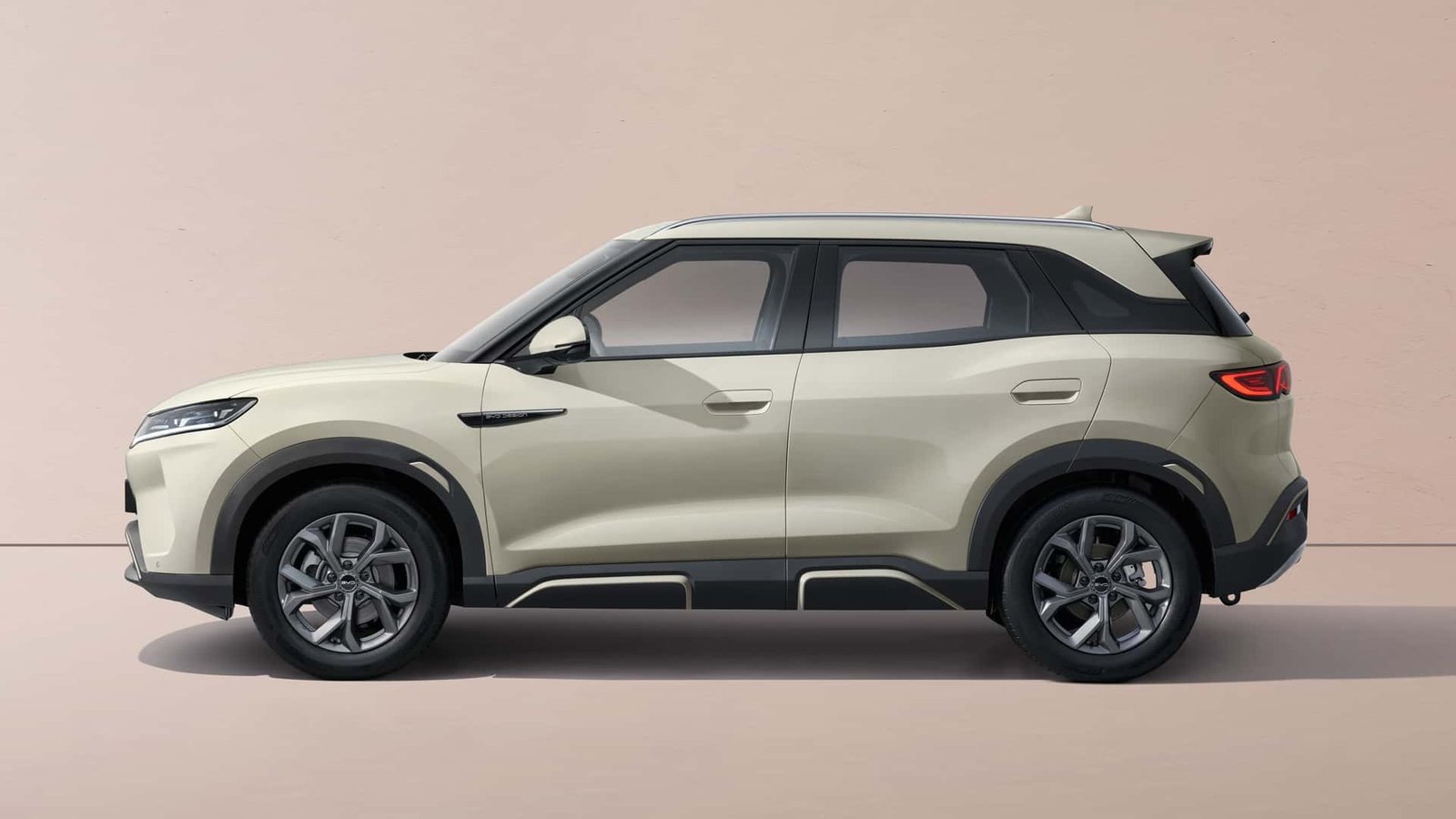
The early days of Chinese cars abroad were, admittedly, a mixed bag. There were whispers, sometimes shouts, about questionable build quality, less-than-stellar safety ratings, and concerns about after-sales service. These stereotypes, rooted in the past, were tough to shake off. However, the industry has undergone a remarkable transformation. Over the past decade, massive investments in research and development, stringent quality control, and strategic partnerships with global automotive giants have propelled Chinese brands light-years ahead. Today, models from companies like Geely (which owns Volvo, by the way!), Chery, MG (a British marque now under Chinese ownership), and BYD consistently earn high marks in safety tests and offer features that rival, and often surpass, their more expensive competitors.
“It’s not just about being affordable anymore; they’re genuinely good cars,” remarks Dr. Ahmed Hassan, an automotive analyst based in Dubai, observing the trends across Asia and Africa. “The leap in design, safety tech, and infotainment systems is astonishing. Consumers are smart; they see the value, the improved aesthetics, the robust engines. Brands like Haval and BYD are no longer just filling a niche; they’re setting new benchmarks for what’s expected in an accessible vehicle.” You can literally feel the shift in confidence. People aren’t buying them out of necessity anymore; they’re buying them because they want them, because they represent a smart, modern choice. This qualitative leap has been crucial in solidifying their foothold and ensuring repeat business, dispelling the lingering doubts one satisfied customer at a time. It’s a testament to sustained effort and a clear vision for global leadership.
Electric Ambitions: Leading the EV Charge Abroad
Perhaps nowhere is China’s strategic advantage more evident than in the electric vehicle (EV) market. While Western manufacturers are still scaling up their EV production and struggling with price points, Chinese brands like BYD (Build Your Dreams) have become global powerhouses, manufacturing everything from batteries to full-fledged electric cars, buses, and trucks. This vertically integrated approach gives them an unparalleled cost advantage and speed to market. This translates directly into a compelling offering for emerging economies.
Many countries in Asia, Africa, and South America are grappling with air pollution and rising fuel costs, making EVs an attractive, albeit often inaccessible, solution. Chinese manufacturers are changing that equation. BYD, for instance, has aggressively expanded its EV presence in markets like Brazil, Thailand, and India, offering a range of electric sedans, SUVs, and even commercial vehicles at highly competitive prices. “We started with a small fleet of BYD electric taxis last year, and the response has been phenomenal,” shares Mr. Kwesi Osei, a transport manager in Accra, Ghana. “Our drivers love the low running costs, and our passengers appreciate the quiet, clean ride. It’s truly transformative for our city’s air quality and our bottom line.” This proactive push into EVs isn’t just about selling cars; it’s about shaping the future of mobility in these regions, making sustainable transport a tangible reality for millions.

Local Production and Adaptation: A Winning Formula
One of the smartest moves by Chinese automakers has been their commitment to localizing production and adapting vehicles to suit regional tastes and conditions. Instead of simply exporting finished cars, many companies are investing heavily in establishing manufacturing plants, assembly lines, and R&D centers within Asia, Africa, and South America. This strategy offers multiple benefits: it bypasses import tariffs, creates local jobs, fosters technology transfer, and significantly reduces logistics costs, all of which contribute to more competitive pricing.
For example, Chery has a strong presence in Brazil with local production, while MG has been very successful in India, also with significant local manufacturing. These factories aren’t just for assembly; they often involve sourcing local components, further integrating the Chinese automotive industry into the host economy. Moreover, listening to local feedback has been crucial. From designing cars with higher ground clearance for rougher roads to offering specific interior finishes or infotainment options tailored to regional preferences, Chinese brands are showing a remarkable adaptability. “They actually listen to what our customers want,” says a dealership owner in Manila, who preferred to remain anonymous given the intense competition. “While some older brands just push their global models, the Chinese manufacturers are willing to tweak things, which makes a huge difference in sales. It builds trust, you know?” This localized approach builds a sense of ownership and partnership, making their presence feel less like an invasion and more like a collaboration. It’s a key reason why they are so effectively dominating these markets.
The Economic Impact: Jobs, Infrastructure, and Choices
The rise of Chinese cars isn’t just an industry story; it’s an economic narrative with profound implications for the host countries. The establishment of manufacturing facilities, distribution networks, and after-sales service centers translates into thousands of direct and indirect jobs. From factory workers and engineers to sales personnel and mechanics, the ripple effect on employment is significant. This influx of investment also often spurs improvements in local infrastructure, such as roads and logistics hubs, to support the growing automotive ecosystem.
More importantly, the increased competition from Chinese brands has been a boon for consumers. With more options on the market, traditional automakers are often compelled to lower their prices, enhance features, or improve service to remain competitive. This means better value for money for the average car buyer. “Before, if you wanted a decent family car, you were looking at a substantial loan and maybe compromising on features,” explains economist Dr. Aliyah Khan, specializing in emerging markets. “Now, with Chinese cars, there’s a wider spectrum of choice, and that competition has definitely driven down prices across the board. It’s empowering for consumers.” This heightened competition fosters a dynamic market where innovation thrives, ultimately benefiting everyone from the individual car owner to national economies striving for industrial growth.
Challenges and Perceptions: The Road Ahead
Despite their impressive gains, the journey for Chinese car brands isn’t without its bumps. Lingering perceptions about quality, though largely outdated, still exist in some segments of the market. Building and maintaining brand loyalty in the face of intense competition from historically entrenched players requires continuous effort and investment in marketing and customer service. Geopolitical tensions and protectionist policies in certain regions could also pose future challenges, potentially impacting supply chains and market access.
However, the trajectory is undeniably upward. Chinese automakers are not resting on their laurels; they are continually innovating, particularly in the realm of smart technologies and sustainable powertrains. They are pouring resources into building stronger dealer networks, improving after-sales support, and establishing robust spare parts availability – areas where some earlier ventures might have fallen short. The future will likely see even greater integration of artificial intelligence, advanced driver-assistance systems, and connectivity features in their offerings, often at price points that remain highly attractive. Their aggressive expansion, coupled with a willingness to adapt and learn, positions them not just to maintain their dominance in Asia, Africa, and South America, but potentially to challenge the global automotive status quo on an even grander scale. It’s a fascinating spectacle to witness, a testament to relentless ambition and strategic execution.
The sun is setting now in Jakarta, casting long shadows over the same streets where our story began. The Chinese cars continue to hum along, their headlights cutting through the twilight, a clear sign that they are not just passing through; they have arrived, set up shop, and are here to stay. Their journey from niche players to market leaders in some of the world’s most dynamic regions is a compelling story of innovation, adaptation, and sheer determination. It forces us to reconsider long-held notions about who leads in the automotive world and reminds us that the future of mobility is a truly global, diverse, and rapidly evolving landscape.
Frequently Asked Questions
| Why are Chinese cars becoming so dominant in Asia, Africa, and South America? | Chinese cars are dominating these regions due to a powerful combination of affordability, rapid advancements in technology and quality, a strong push into electric vehicles (EVs), and strategic market entry that includes localized production and tailored designs for regional needs. |
| What benefits do these markets gain from the influx of Chinese cars? | The influx of Chinese cars brings increased competition, leading to more affordable and feature-rich options for consumers. It also creates jobs through local manufacturing and distribution, fosters technology transfer, and provides greater access to modern, often sustainable, vehicles, enhancing overall economic growth. |
| How have Chinese manufacturers adapted their strategies for these diverse markets? | Chinese manufacturers have adopted a highly adaptive strategy, including establishing local production facilities, tailoring vehicle designs for regional preferences (e.g., higher ground clearance), offering competitive pricing, and building robust after-sales support networks to gain consumer trust. |
| What challenges do Chinese car brands still face in achieving global dominance? | Key challenges include overcoming lingering historical perceptions of lower quality, intense competition from well-established global automotive brands, and navigating potential geopolitical trade tensions or protectionist policies in various markets. Building long-term brand loyalty also remains a critical task. |
| What does the future hold for Chinese cars in these developing regions? | The future looks promising for Chinese cars in these regions, with expectations for continued growth, especially in the burgeoning EV segment. Further market penetration is anticipated through ongoing innovation, strategic partnerships, and potentially challenging traditional automotive giants on a more global scale. |
Important Notice
This FAQ section addresses the most common inquiries regarding the topic.