The air hung heavy with anticipation, thick as the humid Miami breeze that GTA fans imagined sweeping through Vice City. For years, we’ve been waiting, dissecting every leaked clip, every cryptic tweet, every pixel of the official trailer. This isn’t just any game; it’s Grand Theft Auto 6, the next chapter in a saga that defines open-world gaming. Developers at Rockstar Games have been toiling away, surely under immense pressure, to deliver a product that lives up to the impossible hype. Then came the whispers, a low rumble that quickly escalated into a full-blown earthquake: a significant delay. It wasn’t just another pushback on a development schedule; this was different. Initial estimates from industry analysts and financial experts began to surface, painting a stark, almost unbelievable picture. The latest delay for GTA 6 isn’t merely an inconvenience for eager players; it’s a colossal financial hit, potentially costing the behemoth publisher, Take-Two Interactive, and its jewel, Rockstar, a staggering half a billion dollars. (Can you even wrap your head around that figure? It’s mind-boggling, isn’t it?) This isn’t just about lost sales; it’s about prolonged development cycles, recalibrated marketing strategies, and the palpable shift in investor confidence that ripples through the entire gaming ecosystem. The sheer scale of this project, the most expensive game ever conceived, means every decision, every hiccup, comes with an astronomical price tag.
The Unveiling of a Costly Delay
When news of the potential delay for GTA 6 first broke, the internet, as you might expect, exploded. It wasn’t an official, grand announcement from Rockstar itself, but rather a series of credible reports citing internal sources and revised financial forecasts from Take-Two Interactive, the parent company. These reports indicated a shift in the expected launch window, pushing it further into the future than many had hoped. For fans, it was a collective groan of “here we go again.” For investors and analysts, however, it signaled something far more serious: a massive financial recalculation. “This isn’t just about pushing a date on a calendar,” explained industry veteran Michael Pachter from Wedbush Securities, speaking anonymously due to client confidentiality. “When you’re dealing with a project the size and scope of Grand Theft Auto 6, every additional month of development means tens of millions in salaries, overheads, and lost opportunity. The ‘half a billion’ figure, while daunting, is entirely plausible when you consider the scale.”

The immediate fallout was a noticeable dip in Take-Two’s stock price, reflecting investor concern over the extended wait for their golden goose. This isn’t just about the extra time spent perfecting pixels; it’s about the financial ecosystem built around a game of this magnitude. Think about the marketing campaigns that need to be re-strategized, the manufacturing and distribution logistics that have to be reset, and the projected sales targets that now need serious revision. It’s like orchestrating a global symphony and then suddenly having to tell half the orchestra to go home for six months, only to call them back and pay them again. The complexity is mind-boggling. “Every single component, from voice actors to engine programmers, environment artists to quality assurance testers, they all continue to draw salaries,” explained a former lead developer from a rival studio. “When you’re looking at a team numbering in the thousands, even a few months can add up to hundreds of millions.”
The Anatomy of a Half-Billion Dollar Loss
So, where exactly does this colossal sum of half a billion dollars come from? It’s not just one big line item; it’s a cascade of interwoven costs, each contributing to the staggering total. Let’s break it down:
- Extended Development Salaries: This is arguably the biggest chunk. Rockstar Games employs thousands of highly skilled professionals across various global studios. Imagine paying the salaries, benefits, and overhead for this massive workforce for an additional 6, 9, or even 12 months. We’re talking about hundreds of millions of dollars just in human capital. A developer working on GTA 6, who preferred to remain anonymous, mused, “It’s like building a city, then being told to pause for a year, but everyone still lives there and needs to be paid. The sheer scale is something else.”
- Marketing Campaign Rescheduling: Rockstar would have already begun laying the groundwork for a massive, multi-million dollar global marketing blitz. Websites, trailers, TV spots, influencer deals – all timed to perfection for a specific launch window. A delay means a significant portion of this needs to be re-negotiated, postponed, or even scrapped and restarted, incurring cancellation fees and fresh expenditure.
- Lost Initial Sales Revenue: This is the ‘opportunity cost.’ A game like GTA 6 is expected to sell tens of millions of copies in its first few weeks. Pushing back the release means losing out on this immediate, massive cash injection. This revenue could have been reinvested, paid out to shareholders, or used to fund other projects. The delay essentially defers billions in potential revenue, impacting cash flow.
- Operational Overheads: Beyond salaries, there are immense ongoing operational costs: studio leases, equipment maintenance, software licenses, utility bills, and all the logistical expenses that come with running multiple large-scale development studios. These costs don’t stop just because the release date shifts.
- Investor Confidence and Market Speculation: While harder to quantify directly in dollars, a delay can erode investor confidence. Shareholders want returns, and a pushed-back release means delayed profits. This can lead to stock price volatility, making it harder for Take-Two to raise capital or maintain its market valuation.
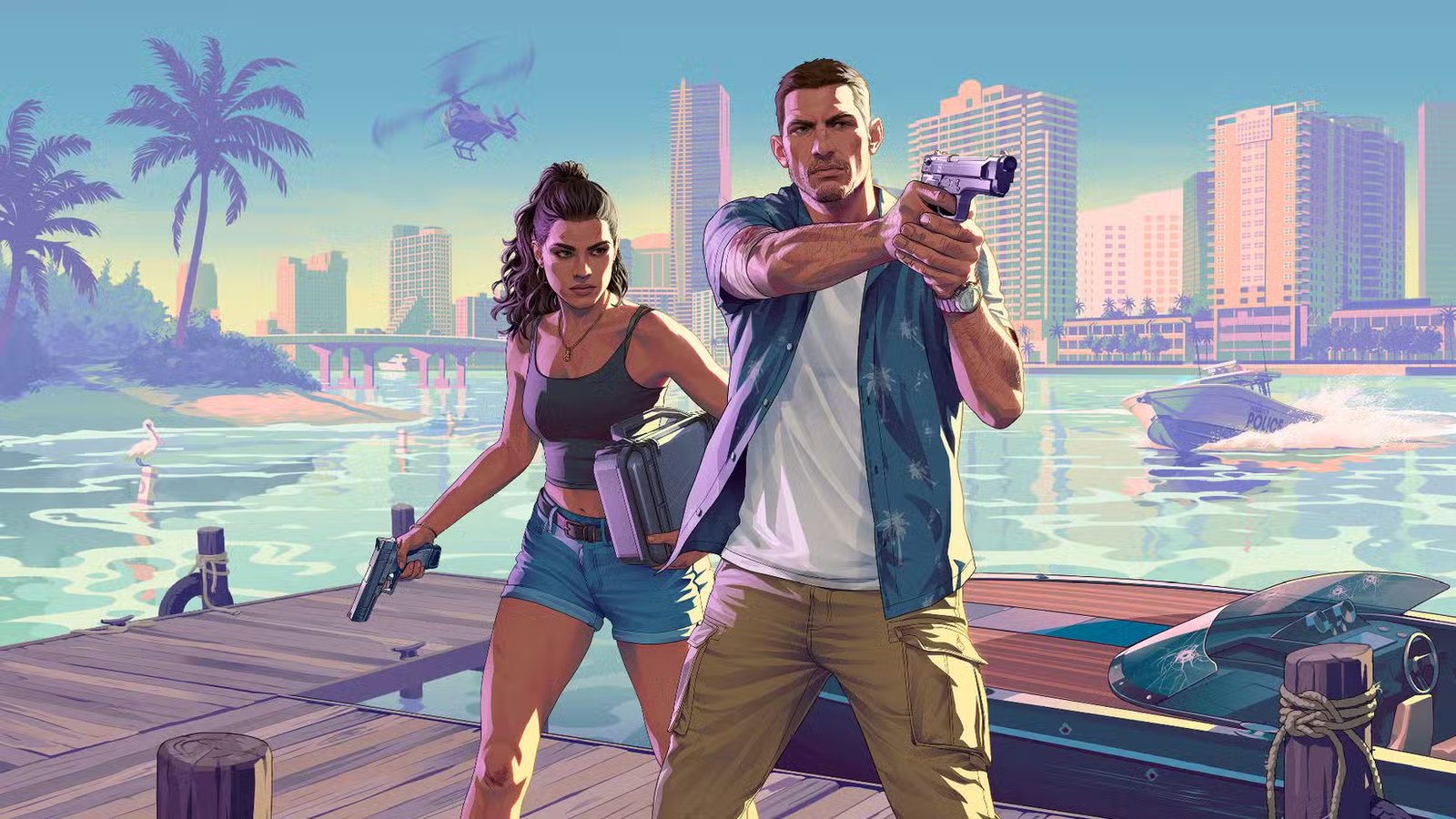
One industry analyst, who preferred not to be named given the sensitivity of discussing specific companies, put it bluntly: “When you’re dealing with a budget that already dwarfs Hollywood blockbusters, even a fractional percentage increase in development time translates into tens of millions. Multiply that by many months, and you quickly hit these astronomical numbers. It’s a testament to the sheer scale of modern AAA game development.”
Why the Delay? Perfectionism or Problems?
The question on everyone’s mind is, of course, “Why?” Why, after all this time and all this investment, would Rockstar Games risk such a monumental financial setback? The reasons are rarely simple, especially for a project of this magnitude, and often fall into a few key categories, ranging from admirable dedication to potential internal strife.
One popular theory, and one that fans often embrace, is Rockstar’s unwavering commitment to quality. They have a reputation for delivering masterpieces, and they refuse to release anything that isn’t absolutely polished to a mirror sheen. “Rockstar doesn’t just make games; they craft experiences,” noted longtime fan forum moderator, ‘ViceCityVagabond’. “If they need more time to make GTA 6 perfect, then take it. We’ve waited this long.” This perspective suggests the delay is a deliberate choice to avoid the pitfalls of rushing a game to market, a mistake that has plagued many other major titles in recent years. It’s an attempt to sidestep the dreaded ‘crunch culture’ that has historically plagued the industry, by allowing developers more time to finalize features and squash bugs without excessive overtime.
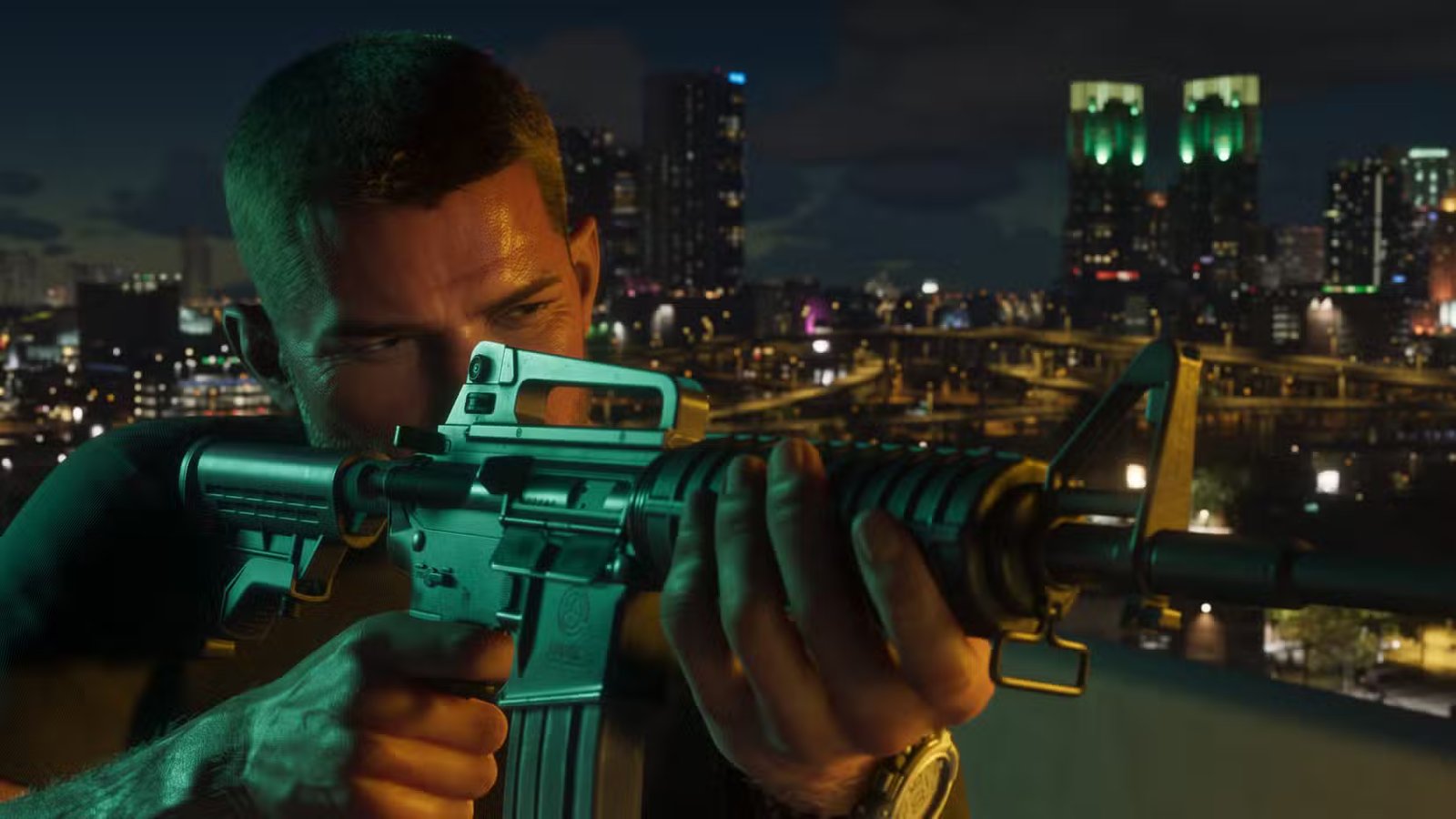
However, less optimistic theories suggest more fundamental issues. Technical challenges could be a major factor. Developing for new console generations, pushing graphical boundaries, and creating an even more expansive and dynamic open world than anything seen before—these are monumental tasks. Bugs, optimization issues, unexpected engine limitations, or even difficulties in integrating complex new gameplay systems could easily necessitate additional development time. “Sometimes, you hit a wall,” a game engine programmer from a different AAA studio confessed. “A feature you thought would take a month ends up taking six. It snowballs. Especially when you’re innovating at Rockstar’s level, problems are inevitable.”
Another possibility is “scope creep.” Rockstar is known for its ambition, always striving to outdo its previous efforts. It’s entirely plausible that during development, new ideas emerged, or existing concepts expanded, pushing the boundaries of what was initially planned. This constant pursuit of perfection, while admirable, can lead to ever-expanding timelines and budgets. Whatever the precise reason, the decision to delay GTA 6, with its potential half-a-billion-dollar cost, was not made lightly. It speaks volumes about the challenges inherent in crafting a modern blockbuster game and the immense pressure on Rockstar Games to deliver a product that lives up to its legendary predecessors.
Developer Morale and Industry Impact
Beyond the colossal financial figures, it’s crucial to remember the human element. Thousands of developers, artists, programmers, designers, and testers have poured years of their lives into GTA 6. How does a delay, particularly one that hints at underlying issues, affect their morale? For many, the news might bring a mix of relief and exhaustion. Relief, because it could mean less intense crunch periods leading up to a rushed launch. Exhaustion, because it signifies more months, perhaps another year, of intense work on the same project, pushing personal sacrifices further. “When you’re working on something for so long, you just want to see it out in the world,” shared a former Rockstar employee. “A delay means more time away from family, more missed events. It’s tough, even if you understand why.”
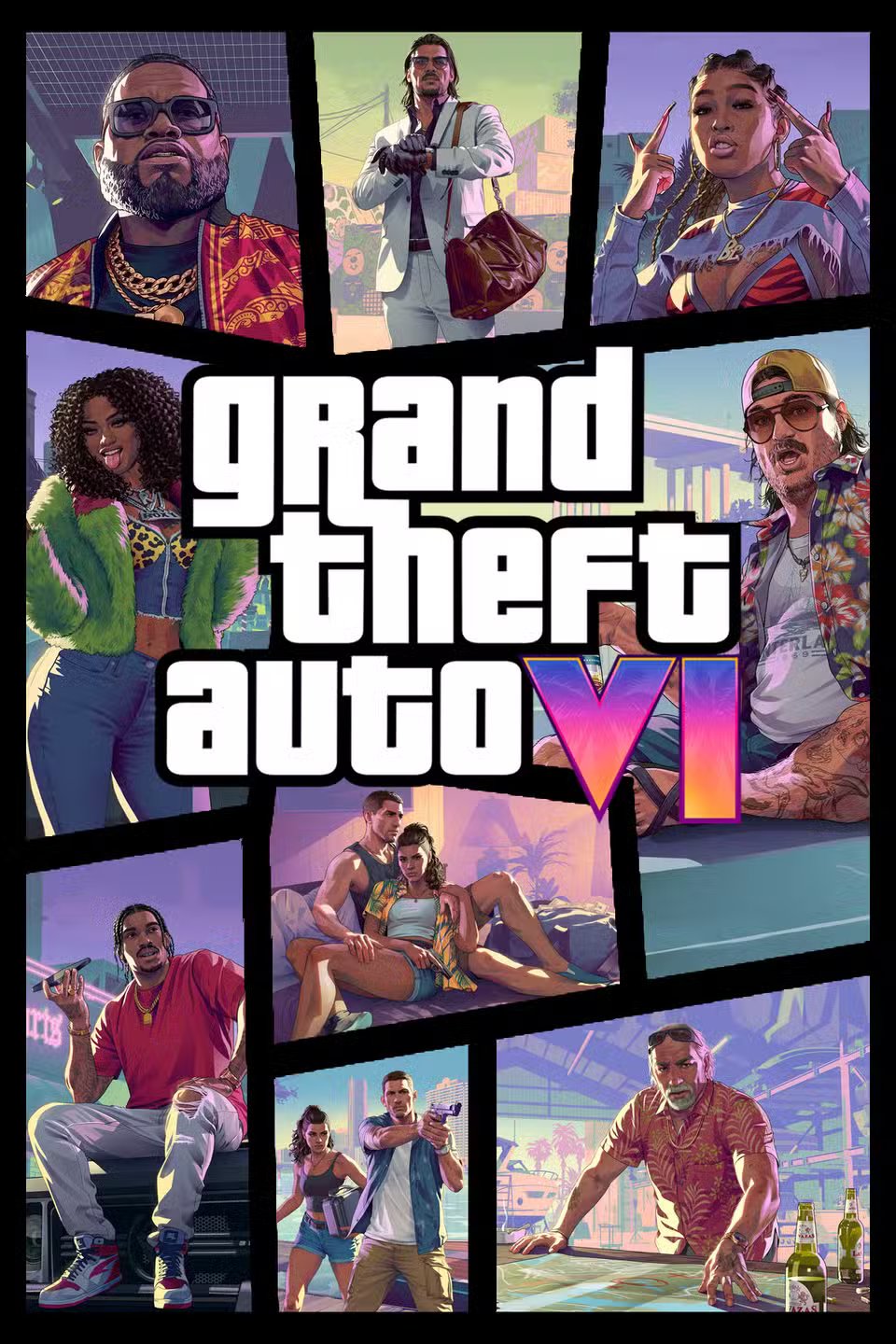
The ripple effect extends beyond Rockstar itself. The gaming industry watches every move made by giants like Rockstar. Delays of this magnitude can influence other publishers’ strategies, potentially leading to a more cautious approach to announcing release dates or even fostering a culture of prioritizing developer well-being over arbitrary deadlines. (One can hope, anyway, right?) It also means a gap in the release calendar for other companies planning their titles around the GTA 6 juggernaut, potentially shifting their own launch windows to avoid direct competition or capitalize on the void. The sheer size of GTA 6 means its impact is felt across the entire gaming landscape.
The Investor’s Dilemma: Take-Two Interactive’s Perspective
For Take-Two Interactive, the parent company of Rockstar Games, the GTA 6 delay presents a significant dilemma. On one hand, they understand that sacrificing quality for a rushed release could irrevocably damage the franchise’s reputation and long-term profitability. On the other, investors thrive on predictability and steady growth. A delay of this magnitude, especially one with a reported half-billion-dollar price tag, sends shivers down Wall Street.

When news of the delay first filtered out, Take-Two’s stock experienced a noticeable, albeit not catastrophic, dip. This isn’t just about the immediate financial hit; it’s about revised earnings forecasts and the shifting landscape of future revenue. Analysts scrambled to re-evaluate their models, adjusting projections for the coming fiscal years. “Investor patience isn’t limitless,” commented financial analyst Sarah Chen, specializing in tech and gaming stocks. “While Rockstar’s track record buys them a lot of goodwill, continuously pushing back the most anticipated title in history will eventually test that patience. They’re betting that the eventual payday will be so massive it eclipses any interim costs.” It’s a high-stakes gamble, trusting that the ultimate quality of GTA 6 will justify every extra dollar spent and every month of deferred revenue. The company’s management faces the unenviable task of balancing investor expectations with the creative demands of their flagship studio.
A History of High Stakes and High Rewards
It’s worth remembering that Rockstar Games isn’t new to this particular dance. They have a storied history of taking their time, of perfecting their craft, and of delivering games that not only meet but often redefine industry standards. Grand Theft Auto V, released way back in 2013, stands as one of the best-selling entertainment products of all time, generating billions in revenue and continuing to sell strongly over a decade later thanks to its robust online component, GTA Online. This precedent is crucial. Investors, while momentarily concerned, often look to this history as a sign that Rockstar knows what it’s doing. “They’ve done it before, they’ll do it again,” proclaimed a dedicated fan on Reddit, encapsulating the sentiment of many. “They always deliver. I’d rather wait for a masterpiece than get a buggy mess.” This legacy of quality is what allows Take-Two to stomach such immense financial pressures, believing that the eventual reward will be exponentially greater than the current costs.
The Fanbase Reaction: Anticipation, Frustration, and Understanding
The global fanbase for Grand Theft Auto 6 is a beast of its own, a teeming mass of millions spanning every continent. The reaction to the delay, though predictable, was a fascinating mix of emotions. On social media, the initial wave was a tidal surge of disappointment and frustration. Memes about aging before the game releases, sarcastic comments about “when it’s ready,” and heartfelt pleas for a definitive release date flooded timelines. “I’ve been waiting for this since I was in high school!” exclaimed one user on X (formerly Twitter). “Now I’ll be collecting a pension before I can play it!”

Yet, beneath the surface of frustration, there’s a strong current of understanding and even empathy. Many fans, having witnessed numerous rushed and broken game launches from other publishers, articulated a clear preference for a delayed, polished product over a buggy, early release. “Remember Cyberpunk 2077?” asked another fan, bringing up a cautionary tale of a highly anticipated game that launched prematurely. “I’d rather Rockstar takes all the time they need. They owe it to us to make it perfect.” This duality highlights the unique relationship Rockstar has with its audience: immense pressure coupled with immense trust. They trust Rockstar to deliver, eventually, a game that justifies the wait, the cost, and the relentless anticipation. The vibrant world of Vice City, the promise of compelling characters, and the unparalleled freedom of a Grand Theft Auto experience keep hope alive, even in the face of another setback.
Looking Ahead: The Road to Release
So, what does this GTA 6 delay mean for the road ahead? For Rockstar Games, it means an intensified period of development, likely focusing on polishing, bug fixing, and ensuring every aspect of the game meets their incredibly high standards. It also means carefully managing public expectations, perhaps with more transparent communication in the coming months, though Rockstar has historically been quite tight-lipped until they’re ready to reveal. The financial impact, while significant, will ultimately be a footnote if the game launches successfully and lives up to its monumental hype.
The true test will be the game’s reception. If GTA 6 launches as a flawless, groundbreaking title that once again pushes the boundaries of open-world gaming, the half-a-billion-dollar cost and the extended wait will likely be forgotten, or at least forgiven. It will simply be seen as the necessary investment for a generational masterpiece. However, if the game were to stumble, if it were to disappoint despite the extra time and money, then the scrutiny would be immense, and the financial implications would feel even heavier. For now, we wait, clutching our gaming controllers, looking out our windows, perhaps at a cloudy, drizzly afternoon, much like the mood around this announcement. We can only hope that when the sun finally breaks through, it illuminates a perfectly rendered Vice City, ready for us to explore.
In the end, this delay is a stark reminder of the extraordinary costs and pressures involved in creating the world’s most anticipated video game. It’s a testament to the ambition of Rockstar Games and the seemingly limitless expectations of its fanbase. Whether this half-billion-dollar gamble pays off will only be known when GTA 6 finally lands in our hands, but one thing is certain: the stakes have never been higher.
Frequently Asked Questions
| What is the estimated cost of the latest GTA 6 delay? | The latest delay for Grand Theft Auto 6 is estimated to cost Rockstar Games and its parent company, Take-Two Interactive, potentially over half a billion dollars. This figure accounts for prolonged development expenses, marketing adjustments, and lost opportunity costs. |
| What are the main financial implications of the GTA 6 delay? | The primary financial implications include significantly extended development salaries for thousands of employees, the cost of rescheduling and re-budgeting massive global marketing campaigns, and the loss of billions in immediate sales revenue from the initial launch window. There are also ongoing operational overheads and potential impacts on investor confidence. |
| Why might Rockstar Games delay such a high-profile title? | Reasons for the delay typically revolve around Rockstar’s commitment to delivering a polished, high-quality product, avoiding a rushed release. This could be due to technical challenges, optimization issues, scope creep as ambitions expand, or a deliberate move to mitigate “crunch culture” by allowing more development time. |
| How does the delay impact Take-Two Interactive’s stock and investors? | Reports of the delay typically cause a dip in Take-Two Interactive’s stock price, reflecting investor concerns over deferred revenue and increased costs. Analysts must revise earnings forecasts, and investor patience is tested, though Rockstar’s strong track record often provides a buffer of goodwill. |
| Will the half-billion-dollar cost be worth it for GTA 6? | Ultimately, the value of this massive investment and delay hinges on the final quality and reception of Grand Theft Auto 6. If the game launches as a groundbreaking, flawless masterpiece that sets new industry standards, the financial cost will likely be seen as a necessary expenditure for a monumental success. If it disappoints, the financial implications will be much harder to justify. |
Important Notice
This FAQ section addresses the most common inquiries regarding the topic.