‘Zero Fatalities, Zero Accidents:’ Toyota Wants Software To Make Cars Safer. But It’s Not There Yet
Everything You Need to Know About 'Zero Fatalities, Zero Accidents:' Toyota Wants Software To Make Cars Safer. But It's Not There Yet


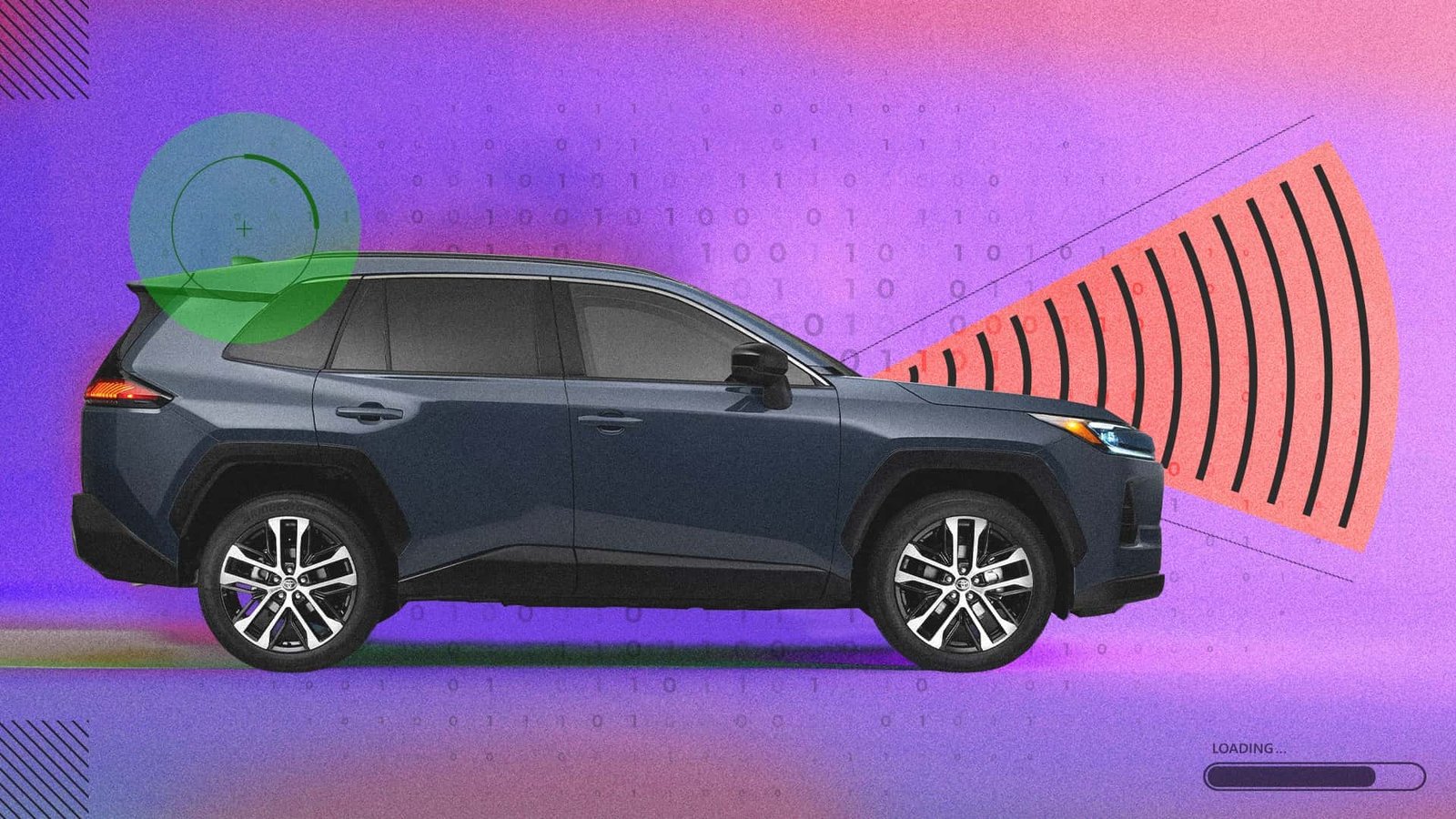
The key, according to Toyota, lies in the rapid evolution of Advanced Driver-Assistance Systems (ADAS) and a fundamental shift towards software-defined vehicles. The Toyota RAV4, for example, already boasts a suite of ADAS features, from lane departure alert to pre-collision systems. But these are just the building blocks. The future promises a far more integrated and intelligent system, one that can anticipate hazards, react faster than any human, and ultimately, prevent accidents from happening in the first place.
But here’s the thing: achieving “zero fatalities” is a monumental task. It requires not only technological breakthroughs but also a fundamental rethinking of how cars are designed, built, and operated. It’s a challenge that Toyota is tackling head-on, but it’s a long and winding road ahead.
The Shifting Landscape: Why Software is King
We’re not just talking about adding a few extra features to your car’s infotainment system. The concept of a “software-defined vehicle” (SDV) represents a paradigm shift in the automotive industry. Think of it as transforming your car from a collection of independent mechanical and electrical components into a seamlessly integrated digital platform.
Companies like BMW and Rivian are already making significant investments in SDV technology, envisioning a future where cars are constantly learning, adapting, and improving through over-the-air software updates. This allows for personalized driving experiences, enhanced safety features, and even entirely new functionalities to be added long after the car leaves the factory.
But why is software suddenly so important? The answer is simple: control and adaptability. Software allows manufacturers to fine-tune every aspect of the vehicle’s performance, from engine management to braking systems, in real-time. It also enables them to quickly respond to emerging threats and vulnerabilities, patching security flaws and improving safety features remotely.
Zonal Architecture: The Backbone of the SDV
Rivian CEO RJ Scaringe has been a vocal advocate for “zonal computing architecture” in SDVs. To understand this concept, let’s go back to our analogy of the car as a human body. Traditionally, each system in a car – the engine, transmission, brakes, etc. – has its own dedicated computer and wiring harness. This creates a complex and often inefficient network, making it difficult for different systems to communicate with each other seamlessly.
A zonal architecture, on the other hand, groups these systems into zones, each with a powerful central computer that manages everything within that zone. This simplifies the wiring, reduces complexity, and allows for much faster and more reliable communication between different systems. It’s like upgrading from a chaotic network of individual phone lines to a streamlined fiber optic network.
This improved interconnectivity is crucial for advanced safety features like autonomous emergency braking and adaptive cruise control. These systems rely on real-time data from multiple sensors to make split-second decisions, and a zonal architecture provides the necessary bandwidth and processing power to handle this data effectively. Imagine the difference in reaction time when the car can process information 10x faster.
Toyota’s Approach: Safety First, Always
While other automakers are focusing on flashy features and personalized experiences, Toyota’s primary focus remains firmly on safety. Their “Zero Fatalities, Zero Accidents” vision is not just a marketing slogan; it’s a deeply ingrained philosophy that guides their entire product development process.
Toyota’s approach to SDVs is therefore more cautious and deliberate. They are not rushing to implement cutting-edge technologies without thoroughly testing and validating their safety and reliability. They understand that even a small software glitch could have catastrophic consequences, and they are committed to minimizing that risk. This is a very different approach than some of the “move fast and break things” mentalities you might see in Silicon Valley.

This commitment to safety is reflected in their rigorous testing procedures and their emphasis on redundancy. For example, many Toyota vehicles are equipped with multiple sensors and backup systems to ensure that critical safety features continue to function even if one component fails. They are also heavily invested in cybersecurity, working to protect their vehicles from hacking and other malicious attacks. You might say Toyota is the tortoise in the SDV race, but they are determined to win through reliability.
ADAS in Action: Real-World Benefits
So, how are these advanced safety features actually making a difference on the road? Let’s take a look at some real-world examples:
* **Automatic Emergency Braking (AEB):** AEB systems use sensors to detect potential collisions and automatically apply the brakes if the driver fails to react in time. Studies have shown that AEB can significantly reduce the severity of accidents, and in some cases, prevent them altogether.
* **Lane Departure Warning (LDW):** LDW systems use cameras to monitor the vehicle’s position within its lane and provide alerts if the driver begins to drift out of the lane unintentionally. This can be especially helpful on long drives when fatigue can lead to lapses in concentration.
* **Adaptive Cruise Control (ACC):** ACC systems automatically adjust the vehicle’s speed to maintain a safe distance from the car in front. This can reduce driver workload and make highway driving less stressful.
Believe it or not, these features are already saving lives and preventing accidents every day. And as software becomes more sophisticated and ADAS systems become more integrated, their impact will only continue to grow. In fact, the progress in ADAS has even started to impact the insurance industry.
Over-the-Air Updates: Keeping Your Car Safe and Up-to-Date
One of the key benefits of SDVs is the ability to receive over-the-air (OTA) software updates. This means that your car can be constantly evolving and improving, without you ever having to visit a dealership. OTA updates can be used to fix bugs, improve performance, add new features, and even enhance safety.
For example, if a new security vulnerability is discovered, Toyota can quickly deploy an OTA update to patch the flaw and protect your car from hackers. Similarly, if a new ADAS algorithm is developed that can further reduce the risk of accidents, Toyota can roll it out to all compatible vehicles via an OTA update.
This ability to continuously improve and update software is a game-changer for the automotive industry. It allows manufacturers to respond to changing conditions and emerging threats much more quickly than ever before. It also means that your car will never be truly “outdated,” as it can always be upgraded with the latest and greatest software. This is a huge step-up from the days when all you could do was add fuzzy dice to improve your driving experience.
The Roadblocks Ahead: Challenges and Solutions
Of course, the path to “Zero Fatalities, Zero Accidents” is not without its challenges. There are several significant hurdles that Toyota and other automakers must overcome before this vision can become a reality.
* **Software Complexity:** As cars become more complex and software-dependent, the risk of bugs and glitches increases. Ensuring the reliability and robustness of these systems requires rigorous testing and validation.
* **Cybersecurity:** SDVs are vulnerable to hacking and other cyberattacks. Protecting these vehicles from malicious actors requires robust security measures and constant vigilance.
* **Data Privacy:** ADAS systems collect vast amounts of data about driving behavior. Protecting the privacy of this data is essential for maintaining public trust.
* **Ethical Considerations:** As cars become more autonomous, they will be faced with difficult ethical decisions in emergency situations. Developing algorithms that can make these decisions fairly and consistently is a major challenge.
* **Consumer Acceptance:** Some drivers may be reluctant to cede control to automated systems, even if they are proven to be safer. Overcoming this resistance requires education and transparency.
To address these challenges, Toyota is investing heavily in research and development, collaborating with industry partners, and working closely with regulators. They are also committed to transparency, providing drivers with clear and concise information about how their ADAS systems work and what data they collect.
The Future of Driving: A Glimpse into Tomorrow
So, what does the future hold for software-defined vehicles and the quest for “Zero Fatalities, Zero Accidents?” While it’s impossible to predict the future with certainty, there are several trends that seem likely to shape the automotive landscape in the years to come.
* **Increased Automation:** We can expect to see a gradual increase in the level of automation in cars, with more and more driving tasks being handled by software. This will eventually lead to fully autonomous vehicles that can drive themselves without any human intervention.
* **Improved Connectivity:** Cars will become increasingly connected to the internet, allowing them to communicate with each other, with infrastructure, and with the cloud. This will enable a wide range of new services and applications, including real-time traffic updates, predictive maintenance, and personalized entertainment.
* **AI-Powered Safety:** Artificial intelligence (AI) will play an increasingly important role in improving safety. AI algorithms can analyze vast amounts of data to identify patterns and predict potential hazards, allowing ADAS systems to react even faster and more effectively.
* **Personalized Driving Experiences:** Software will enable cars to adapt to the individual preferences of each driver, providing personalized driving experiences that are tailored to their needs and desires. This could include everything from customized infotainment systems to adaptive suspension settings.
It’s surprising that we’ve come so far in such a short amount of time. The automotive industry is changing faster than ever before, driven by the relentless march of technology. And while the road to “Zero Fatalities, Zero Accidents” may be long and challenging, the potential rewards are enormous.
Beyond Accidents: The Broader Impact of SDVs
While safety is the primary focus, the benefits of software-defined vehicles extend far beyond accident prevention. SDVs have the potential to transform the entire transportation ecosystem, making it more efficient, sustainable, and accessible.
For example, SDVs can optimize traffic flow by coordinating their movements with each other and with traffic management systems. This can reduce congestion, improve fuel efficiency, and lower emissions. They can also provide new mobility options for people who are unable to drive themselves, such as the elderly and people with disabilities.
Furthermore, SDVs can create new business opportunities in areas such as ride-sharing, delivery services, and mobile entertainment. As cars become more like computers on wheels, they will open up a whole new world of possibilities for innovation and entrepreneurship. Consider how [Nissan revives the Skyline](https://pressnova.news/nissan-revives-the-skyline-a-performance-sedan-reimagined/), blending performance with advanced tech; the future is about integrating software with driving pleasure.
The Ethical Crossroads: Navigating the Moral Maze
As cars become more autonomous, they will inevitably face situations where they must make difficult ethical decisions. For example, in the event of an unavoidable collision, should the car prioritize the safety of its occupants or the safety of pedestrians? Should it sacrifice one life to save another?
These are complex questions with no easy answers. Developing algorithms that can make these decisions fairly and consistently is a major challenge for the automotive industry. It requires careful consideration of ethical principles, legal frameworks, and societal values.
Some researchers are exploring the use of AI to help navigate these ethical dilemmas. AI algorithms can be trained to analyze vast amounts of data and identify patterns that can help inform decision-making in emergency situations. However, it’s important to remember that AI is not a substitute for human judgment. Ultimately, humans must be responsible for setting the ethical guidelines that govern the behavior of autonomous vehicles. The ethical considerations are as complex as [SCOTUS’s recent order blocking funds](https://pressnova.news/scotus-order-blocks-funds-for-snap-paymentsnews/), demonstrating that technology and law are constantly intertwined.
A Future Where Driving is a Choice, Not a Necessity
At the end of the day, the ultimate goal of SDVs is not just to make driving safer, but to make transportation more accessible and convenient for everyone. In a future where cars can drive themselves, people will have the freedom to choose whether they want to drive or be driven.
This could have a profound impact on our society, transforming the way we live, work, and travel. It could also help to reduce traffic congestion, improve air quality, and create more livable cities. As we [reconnect with driving through mechanical switches](https://pressnova.news/reconnect-with-driving-the-power-of-mechanical-switches/), we must also embrace the future where software enhances, not replaces, the human element.
But even with all these advancements, it’s crucial to remember that technology is just a tool. It’s up to us to use it wisely and responsibly. We must ensure that SDVs are developed and deployed in a way that benefits all of society, not just a select few.
The Takeaway: A Safer, More Connected Future Awaits
Toyota’s vision of “Zero Fatalities, Zero Accidents” is ambitious, but it’s not unrealistic. With the rapid advancements in software and ADAS technology, we are closer than ever to a future where car accidents are a thing of the past.
However, achieving this vision will require a concerted effort from automakers, regulators, and the public. We must embrace innovation, address the challenges, and ensure that SDVs are developed and deployed in a way that is safe, ethical, and equitable.
The journey towards a safer, more connected future is just beginning. Are we ready to embrace the change?
Word Count: 2078