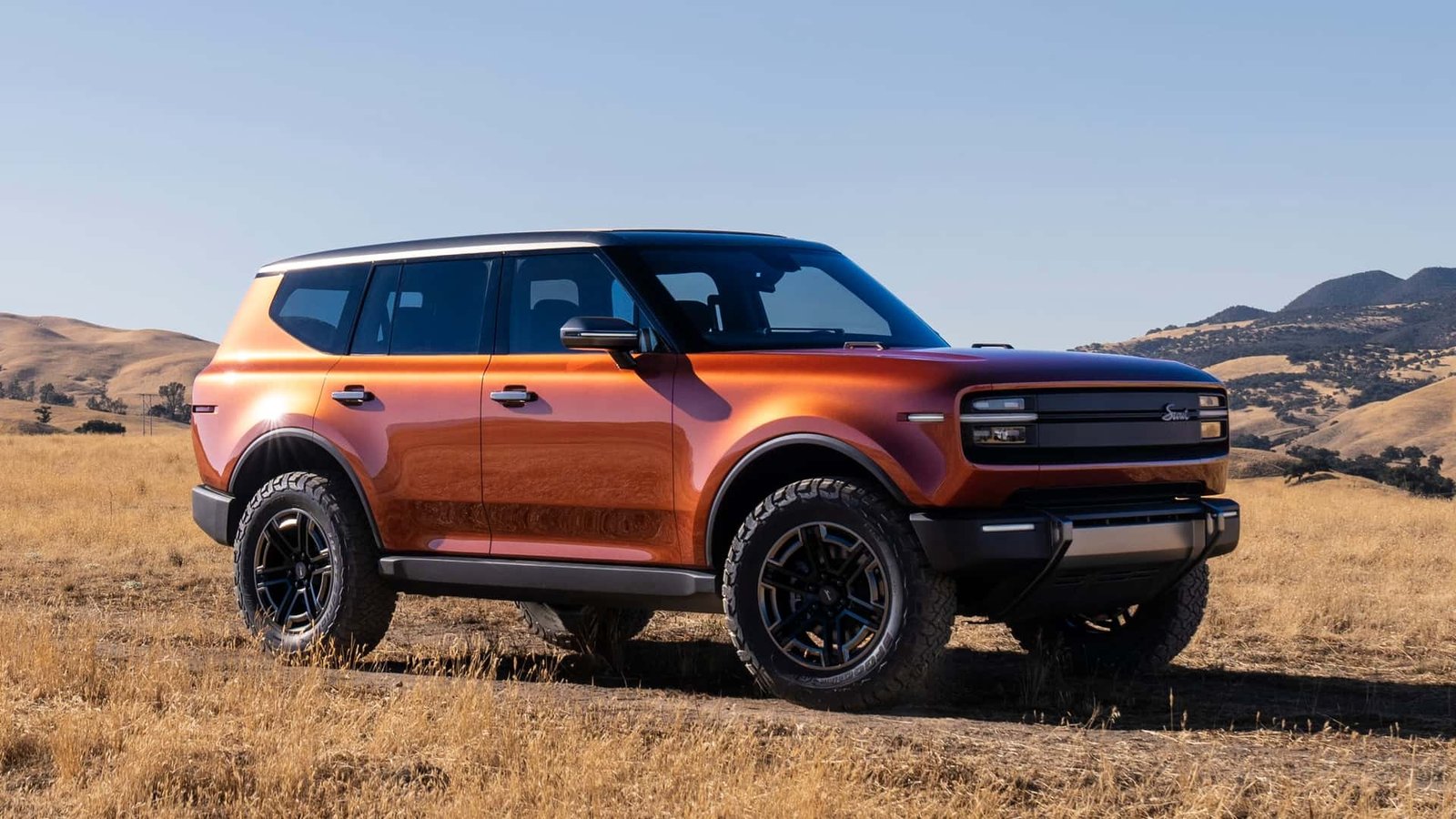
Scout Motors, with its deliberate emphasis on physical controls and a “connection machine” philosophy, is one of the companies leading this charge. But what exactly is driving this resurgence of mechanical switches? Why are they suddenly so appealing in our hyper-digital world? And, perhaps most importantly, what benefits do they offer drivers beyond mere nostalgia? Let’s explore the power of mechanical switches and how they’re reshaping the modern driving experience.
## Back to Basics: Understanding the Appeal of Mechanical Switches
At their most fundamental level, mechanical switches are electromechanical components designed to control the flow of electricity within a circuit. Unlike their touch-sensitive or software-driven counterparts, mechanical switches provide a direct, physical link to the vehicle’s underlying systems. This directness translates into something invaluable: tactile feedback.
Think about it: that satisfying *click* or *snap* you feel when you engage a mechanical switch isn’t just a sound or a sensation; it’s confirmation. It’s your car telling you, “Yes, I received your command, and I’m executing it now.” This is a far cry from the often-vague feeling of tapping a touchscreen, where you’re never quite sure if your input has registered correctly.
But the appeal of mechanical switches goes beyond mere functionality. It taps into a deeper human desire for control, for connection, and for a sense of mastery over our environment.
### The Allure of Tangible Control in a Digital World
Modern cars, for all their technological advancements, can sometimes feel more like rolling computers than vehicles. Everything is automated, digitized, and abstracted behind layers of software. As Scout CEO Scott Keogh aptly put it, vital functions can be buried “eight layers down” on a computer screen. This can lead to a frustrating sense of detachment and a feeling of being at the mercy of the machine, rather than in control of it.
Mechanical switches, on the other hand, offer a more intuitive and engaging way to interact with the car. You know exactly what you’re doing, and you feel the result immediately. It’s a return to a simpler, more direct form of interaction, one that prioritizes tactile feedback and a sense of agency.
Consider the simple act of adjusting the volume in your car. Do you prefer repeatedly tapping a touchscreen button, never quite sure if you’re increasing or decreasing the volume by the right amount? Or do you prefer the smooth, precise control of a physical knob, where you can feel the volume changing in real-time? For many drivers, the answer is clear: the physical knob offers a more satisfying and intuitive experience.
### Beyond Nostalgia: The Practical Advantages
While the nostalgic appeal of mechanical switches is undeniable, their benefits extend far beyond mere sentimentality. In fact, in certain situations, mechanical switches can offer distinct practical advantages over their digital counterparts.
One key advantage is ease of use, particularly while driving. Fumbling with a touchscreen while trying to keep your eyes on the road can be distracting and even dangerous. Mechanical switches, with their distinct shapes and tactile feedback, can be operated by feel alone, allowing you to keep your focus where it belongs: on the road ahead.
Another advantage is reliability. Touchscreens and digital interfaces are susceptible to glitches, freezes, and software errors. Mechanical switches, on the other hand, are relatively simple and robust, less prone to failure and more likely to function reliably in a wide range of conditions.
## The Real-World Impact: How Mechanical Switches Enhance the Driving Experience
The resurgence of mechanical switches isn’t just a theoretical trend; it’s a real-world phenomenon that’s already impacting the design and functionality of modern cars. Several automakers, recognizing the growing demand for tactile controls, are incorporating mechanical switches into their vehicles, often alongside more modern digital interfaces.

### Scout Motors: A Case Study in Tactile Design
As mentioned earlier, Scout Motors is a prime example of a company embracing the power of mechanical switches. Their commitment to physical controls is a core part of their “connection machine” philosophy, which aims to create vehicles that are not just modes of transportation, but also engaging and rewarding experiences for the driver.
Scout’s decision to prioritize mechanical switches is driven by a desire to create a more intuitive and user-friendly driving experience. They believe that physical controls offer a level of directness and tactile feedback that touchscreens simply can’t match. By focusing on these tangible elements, Scout aims to foster a stronger connection between the driver and the vehicle, making the act of driving more enjoyable and fulfilling.
Imagine navigating a rugged off-road trail. Would you rather rely on a touchscreen to adjust your vehicle’s settings, or would you prefer the confident feel of a mechanical switch that you can operate without taking your eyes off the terrain? For Scout, the answer is clear: the mechanical switch offers a safer, more reliable, and more engaging solution.
### Beyond Scout: A Wider Trend
While Scout Motors is a prominent example, they’re not alone in recognizing the value of mechanical switches. Other automakers are also incorporating physical controls into their vehicles, often in conjunction with touchscreens and digital interfaces. This hybrid approach allows them to offer the best of both worlds: the convenience and versatility of digital technology, combined with the tactile feedback and reliability of mechanical switches.
For example, many modern cars feature physical knobs for adjusting the volume and temperature, as well as physical buttons for controlling essential functions like hazard lights and windshield wipers. These controls are often strategically placed for easy access, allowing drivers to operate them quickly and safely without having to navigate through complex menus on a touchscreen. Even Nissan is bringing back the Skyline, a performance sedan reimagined with modern sensibilities, but hopefully, with a touch of tactile driving engagement.
### Enhanced Safety and Reduced Driver Distraction
One of the most significant benefits of mechanical switches is their potential to improve driver safety. By providing tactile feedback and allowing drivers to operate controls by feel, mechanical switches can help reduce driver distraction and keep their eyes on the road.
Think about trying to adjust the temperature in your car on a cold winter morning. With a touchscreen, you might have to take your eyes off the road to navigate through menus and select the desired temperature. With a physical knob, you can simply reach out and turn it, without ever having to look away from the road. This seemingly small difference can have a significant impact on driver safety, especially in challenging driving conditions. It’s this focus on safety that also drives Toyota’s pursuit of accident-free driving through sophisticated software.
## Implementing Tactile Design: Strategies for Automakers
For automakers looking to incorporate mechanical switches into their vehicles, there are several key strategies to consider. It’s not simply about replacing touchscreens with buttons; it’s about creating a thoughtful and integrated design that maximizes the benefits of both physical and digital controls.
### Prioritize Essential Functions
One of the most important steps is to prioritize essential functions that require quick and easy access. These functions, such as volume control, temperature adjustment, hazard lights, and windshield wipers, are ideal candidates for mechanical switches. By placing these controls within easy reach and providing tactile feedback, automakers can help reduce driver distraction and improve safety.
### Integrate Tactile Feedback
The key to a successful mechanical switch design is tactile feedback. The switches should provide a satisfying *click* or *snap* when engaged, confirming that the command has been executed. The shape and texture of the switches should also be carefully considered, allowing drivers to easily identify them by feel alone.
### Combine Physical and Digital Controls
The most effective approach is often to combine physical and digital controls, creating a hybrid system that offers the best of both worlds. Touchscreens can be used for less frequently accessed functions, while mechanical switches can be reserved for essential controls that require quick and easy access. This approach allows automakers to leverage the versatility of digital technology while maintaining the tactile feedback and reliability of mechanical switches.
### The Importance of Ergonomics
Ergonomics play a crucial role in the design of any mechanical switch system. The switches should be placed in a location that is easily accessible to the driver, and they should be designed to be comfortable and easy to operate. The size, shape, and spacing of the switches should all be carefully considered to ensure that they can be operated safely and effectively, even while driving.
## The Reality Check: Challenges and Solutions
While the resurgence of mechanical switches offers numerous benefits, it’s important to acknowledge the challenges involved in implementing them in modern cars. One key challenge is cost. Mechanical switches can be more expensive to manufacture and integrate than touchscreens, which can impact the overall cost of the vehicle.
Another challenge is space. Modern car interiors are often tightly packed with technology, leaving limited space for physical controls. Automakers need to be creative in finding ways to integrate mechanical switches without compromising the overall design and functionality of the vehicle.
### Overcoming the Challenges
Fortunately, there are several solutions to these challenges. One solution is to focus on using mechanical switches selectively, prioritizing essential functions and avoiding the temptation to replace every digital control with a physical one. This can help reduce costs and minimize the impact on interior space.
Another solution is to leverage advanced manufacturing techniques to create smaller, more efficient mechanical switches. These techniques can help reduce the size and weight of the switches, making them easier to integrate into modern car interiors.
### The Hybrid Approach: A Pragmatic Solution
The hybrid approach, combining physical and digital controls, offers a pragmatic solution to many of the challenges associated with mechanical switches. By using touchscreens for less frequently accessed functions and reserving mechanical switches for essential controls, automakers can strike a balance between cost, space, and functionality. This approach allows them to offer the benefits of both physical and digital controls without compromising the overall design and performance of the vehicle.
## Looking Ahead: The Future of Tactile Driving
So, what does the future hold for mechanical switches in the automotive industry? While it’s unlikely that touchscreens will disappear entirely, it’s clear that there’s a growing demand for tactile controls and a more engaging driving experience.
### A Shift Towards Human-Centered Design
One of the key trends driving the resurgence of mechanical switches is a shift towards human-centered design. Automakers are increasingly recognizing the importance of creating vehicles that are not just technologically advanced, but also intuitive, user-friendly, and enjoyable to drive. This shift is leading them to reconsider the role of physical controls and to explore ways to integrate them into modern car interiors.
### The Integration of Haptic Feedback
Another promising trend is the integration of haptic feedback into touchscreens and digital interfaces. Haptic feedback uses vibrations and other tactile sensations to provide users with a more realistic and engaging experience. While haptic feedback can’t fully replicate the feel of a mechanical switch, it can help bridge the gap between digital and physical controls, making touchscreens more intuitive and user-friendly.
### Personalized Driving Experiences
In the future, we may see more personalized driving experiences, with drivers able to customize the layout and functionality of their car’s controls. This could involve choosing which functions are controlled by mechanical switches and which are controlled by touchscreens, allowing drivers to create a driving experience that is tailored to their individual preferences. As the Sims 4 gallery evolves, we see similar themes of personalization becoming more prevalent.
## The Takeaway: Reconnecting with the Road
At the end of the day, the resurgence of mechanical switches is about more than just nostalgia or tactile feedback; it’s about reconnecting with the act of driving. In a world increasingly dominated by digital technology, mechanical switches offer a tangible link to the machine beneath us, a reminder that driving is not just about getting from point A to point B, but also about the experience itself.
By prioritizing tactile controls and creating a more engaging driving experience, automakers can help drivers rediscover the joy of being behind the wheel. And who knows, maybe the next generation of drivers will grow up appreciating the satisfying *click* of a well-built machine, just like we did. Isn’t that a driving experience worth striving for?
Word Count: 2025