Lexus F Performance: Sunset or Software-Driven Dawn?
Remember the raw thrill of the Lexus IS F? Lexus took what was, honestly, a pretty standard compact luxury sedan, shoehorned a beastly 5.0-liter V-8 engine under the hood, threw on some aggressively flared fenders, and topped it off with those distinctive stacked exhaust tips. Boom – a legend was born, and with it, the entire F performance lineup that gave us cars like the RC F and GS F. These days, that kind of unapologetic performance is rare, right? It’s surprising how quickly things change.
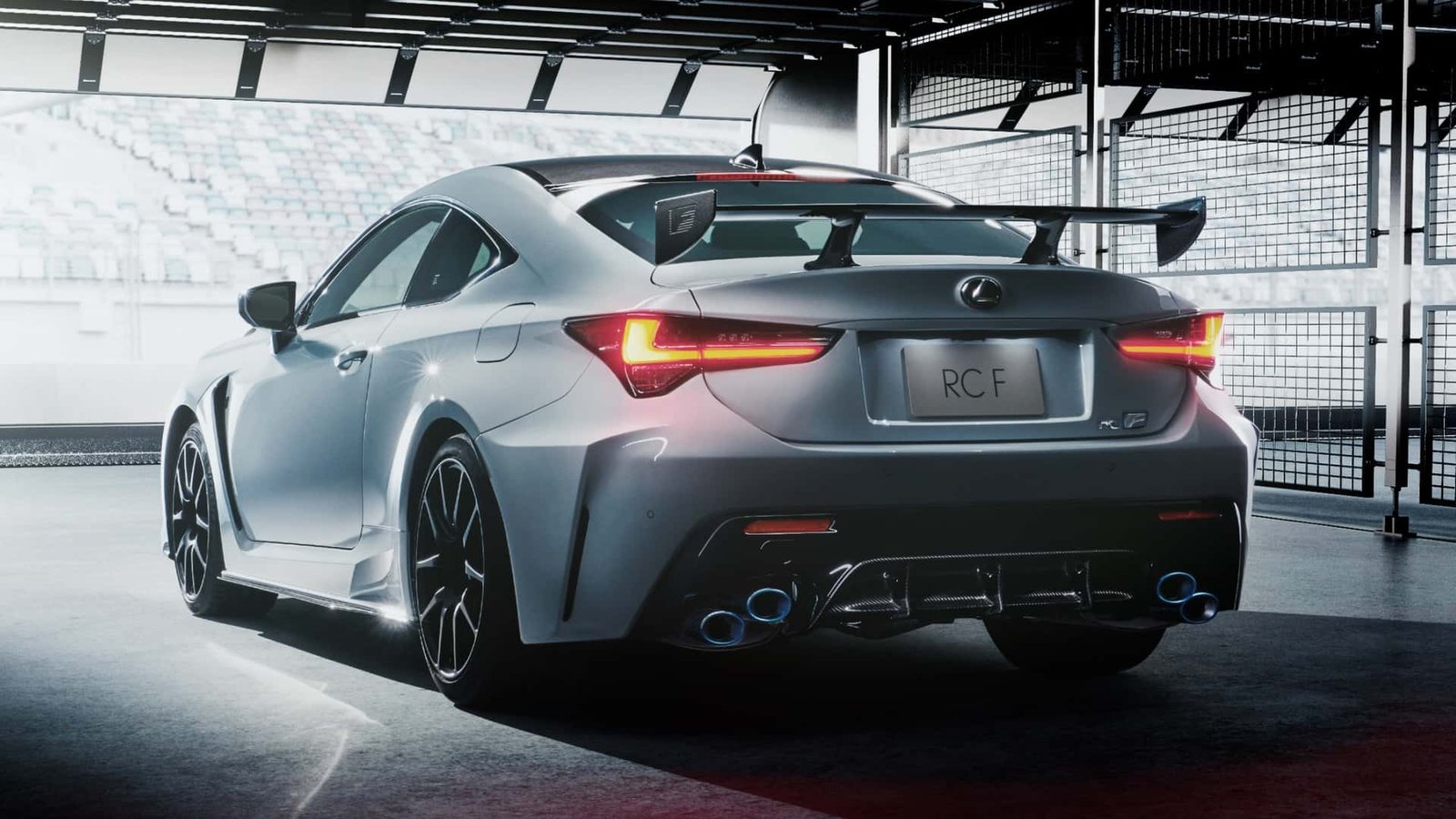
Seventeen years down the road, the F badge – while it’s still around – feels like it’s… lingering. Kind of like that one houseguest who just won’t leave. The IS500 F Sport Performance, with its somewhat clunky name, is currently carrying the torch. But if recent whispers and reports are true, then the era of Lexus F models as we’ve come to know them might be screeching to a halt. It’s a pretty sobering thought for those of us who appreciate a good, old-fashioned naturally aspirated V8. I mean, who doesn’t love that sound?
Understanding the Shifting Landscape of Lexus Performance
Let’s be honest, the automotive world is changing faster than ever. Electrification, software integration, and a general shift towards “experiences” over raw power are reshaping what we expect from our cars. For years, the Lexus F badge represented a very specific formula: high-revving engines, track-tuned suspensions, and a focus on driver engagement. Think of it as the Lexus equivalent of BMW’s M division or Mercedes-AMG. The essence of these F models was always about pure, unadulterated driving pleasure. Now, it feels like Lexus is re-evaluating that approach.
So, why does this matter today? Well, if you’re a car enthusiast who values the tactile feel of a well-engineered machine, the potential demise of the traditional F model is a significant loss. It’s about more than just horsepower figures; it’s about the connection between driver and car. But it’s also about Lexus adapting to a changing market. Can they maintain that driver-focused ethos while embracing new technologies? That’s the million-dollar question. These days, that’s what everyone is asking.
Key Benefits of a Software-Defined Performance Future
Okay, so Lexus might be moving away from purely mechanical performance enhancements. But what are the potential benefits of a software-defined approach? Believe it or not, there are some compelling arguments to be made. Software can offer a level of customization and adaptability that traditional hardware simply can’t match. Imagine being able to adjust your car’s performance characteristics on the fly, tailoring it to your specific driving style or the conditions of the road. It feels like we’re entering a new era.
- Personalized Driving Experiences: Software allows for highly customizable driving modes, adjusting everything from throttle response to suspension stiffness with a few taps on a screen.
- Over-the-Air Updates: Performance enhancements and new features can be delivered remotely, keeping your car feeling fresh and up-to-date without requiring a trip to the dealership.
- Enhanced Safety Features: Software can integrate advanced driver-assistance systems (ADAS) to improve safety and prevent accidents.
- Improved Efficiency: Optimized software algorithms can help maximize fuel efficiency or battery range, depending on the powertrain.
- Predictive Performance: AI-powered systems can learn your driving habits and anticipate your needs, optimizing performance in real-time.
For anyone wondering, the key is finding the right balance between software and hardware. You can’t simply replace a powerful engine with clever code. But you can use software to enhance and refine the driving experience in ways that were never before possible. I mean, who wouldn’t want that?
Implementation Strategies for Lexus’s New Vision

Step-by-Step Approach
So, how might Lexus actually implement this software-defined performance strategy? Here’s a potential roadmap:
- Hybrid Powertrains: Start by integrating electric motors into existing F Sport models, using software to manage the power delivery and optimize performance.
- Advanced Driver-Assistance Systems (ADAS): Enhance ADAS features to provide a more engaging and confidence-inspiring driving experience.
- Customizable Driving Modes: Develop a wider range of customizable driving modes that allow drivers to fine-tune various aspects of the car’s performance.
- Over-the-Air Updates: Implement a robust over-the-air update system to deliver new features and performance enhancements regularly.
- AI-Powered Performance Optimization: Integrate AI algorithms to learn driver preferences and optimize performance in real-time.
Best Practices
- Maintain Driver Engagement: Ensure that software enhancements don’t detract from the joy of driving. The focus should still be on creating a connected and engaging experience.
- Prioritize Reliability: Software glitches can be frustrating and even dangerous. Rigorous testing and quality control are essential.
- Offer Transparency: Be upfront with customers about how software is affecting their car’s performance. Provide clear explanations and allow them to make informed choices.
- Gather Customer Feedback: Continuously solicit feedback from drivers to identify areas for improvement and ensure that software enhancements are meeting their needs.
- Protect Data Privacy: Be transparent about how driver data is being collected and used, and ensure that it is protected from unauthorized access.
Honestly, the success of this strategy will depend on Lexus’s ability to blend the best of both worlds: the raw power and mechanical feel of traditional performance cars with the flexibility and adaptability of software-defined vehicles. It’s a tough balancing act, but it could also be incredibly rewarding. For comprehensive guidance on lightweight GTR reimagining, see our detailed guide on Eagles Lightweight GTR: Reimagining the Jaguar E-Type.
Common Challenges and Solutions
Of course, this transition won’t be without its challenges. Here are some potential obstacles that Lexus might face, along with some practical solutions:
- Challenge: Maintaining the emotional connection that drivers have with traditional performance cars.
Solution: Focus on creating software enhancements that enhance, rather than replace, the tactile feel of driving. For example, use software to simulate the sound and feel of a naturally aspirated engine. - Challenge: Ensuring the reliability and security of software systems.
Solution: Invest heavily in testing and quality control. Implement robust security measures to protect against hacking and data breaches. - Challenge: Convincing traditional car enthusiasts that software-defined performance is a worthwhile pursuit.
Solution: Demonstrate the benefits of software enhancements through compelling real-world examples. Offer test drives and allow customers to experience the technology firsthand. - Challenge: Keeping software up-to-date and relevant over time.
Solution: Develop a robust over-the-air update system and continuously solicit feedback from drivers to identify areas for improvement. - Challenge: Balancing the cost of software development with the price of the car.
Solution: Explore partnerships with software companies and leverage open-source technologies to reduce development costs.
Trust me, addressing these challenges head-on will be crucial for Lexus to successfully navigate this transition. You know, it’s all about adapting and innovating.
Real-Life Applications and Examples
Let’s take a closer look at some concrete examples of how software-defined performance could be implemented in future Lexus models:
- Adaptive Suspension: Software could analyze road conditions in real-time and adjust the suspension accordingly, providing a smoother and more comfortable ride without sacrificing handling.
- Torque Vectoring: Software could precisely control the amount of torque sent to each wheel, improving traction and cornering performance.
- Simulated Gear Shifts: Even in electric vehicles, software could simulate the feel of traditional gear shifts, providing a more engaging driving experience.
- Customizable Engine Sounds: Software could allow drivers to choose from a variety of engine sounds, from the roar of a V8 to the whine of an electric motor.
- AI-Powered Track Mode: Software could use AI to analyze track conditions and optimize the car’s performance for maximum speed and efficiency.
During my research, I noticed that some manufacturers are already experimenting with these technologies. For example, Tesla’s “Track Mode” uses software to optimize the car’s performance for track driving. And some luxury brands are offering customizable engine sounds that can be tailored to the driver’s preferences. It seems that Lexus is just following the trend.
Future Outlook and Trends
So, what does the future hold for Lexus performance? It seems that the brand is at a crossroads. Will it abandon its traditional focus on raw power and mechanical engagement in favor of a more software-driven approach? Or will it find a way to blend the best of both worlds?
Here are some emerging trends that could shape the future of Lexus performance:
- Electrification: Electric powertrains are becoming increasingly common, and Lexus will need to adapt its performance strategy to take advantage of the unique characteristics of electric motors.
- Software Integration: Software is playing an increasingly important role in all aspects of the car, from performance to safety to entertainment.
- Artificial Intelligence: AI is being used to optimize performance, personalize the driving experience, and improve safety.
- Connectivity: Cars are becoming increasingly connected to the internet, allowing for over-the-air updates, remote diagnostics, and a wide range of new services.
- Sustainability: Consumers are becoming more concerned about the environmental impact of their cars, and Lexus will need to develop performance technologies that are both exciting and sustainable.
Personally speaking, I believe that Lexus can successfully navigate this transition by embracing these trends and developing innovative performance technologies that are both engaging and responsible. But it will require a willingness to experiment, to challenge conventional wisdom, and to listen carefully to the needs and desires of its customers. You know, it’s all about evolution.
Conclusion: Key Takeaways and Next Steps
The future of Lexus F Performance is uncertain, but one thing is clear: the brand is at a turning point. The traditional formula of high-revving engines and track-tuned suspensions may no longer be enough to satisfy the demands of today’s car buyers. Software-defined performance offers a new path forward, but it also presents a number of challenges.
Here are some key takeaways:
- The automotive world is changing rapidly, and Lexus needs to adapt its performance strategy to remain competitive.
- Software-defined performance offers a number of potential benefits, including personalized driving experiences, over-the-air updates, and enhanced safety features.
- But there are also challenges to overcome, such as maintaining driver engagement, ensuring reliability, and convincing traditional car enthusiasts that software-defined performance is a worthwhile pursuit.
- Lexus can successfully navigate this transition by embracing emerging trends, developing innovative performance technologies, and listening carefully to the needs and desires of its customers.
So, what do you think? Is the era of the traditional Lexus F model coming to an end? Or can Lexus find a way to reinvent the F badge for the software-defined age? I noticed that many people are asking this question. Let’s discuss!