Borderlands 4 Sales: Take-Two’s Zelnick Weighs In
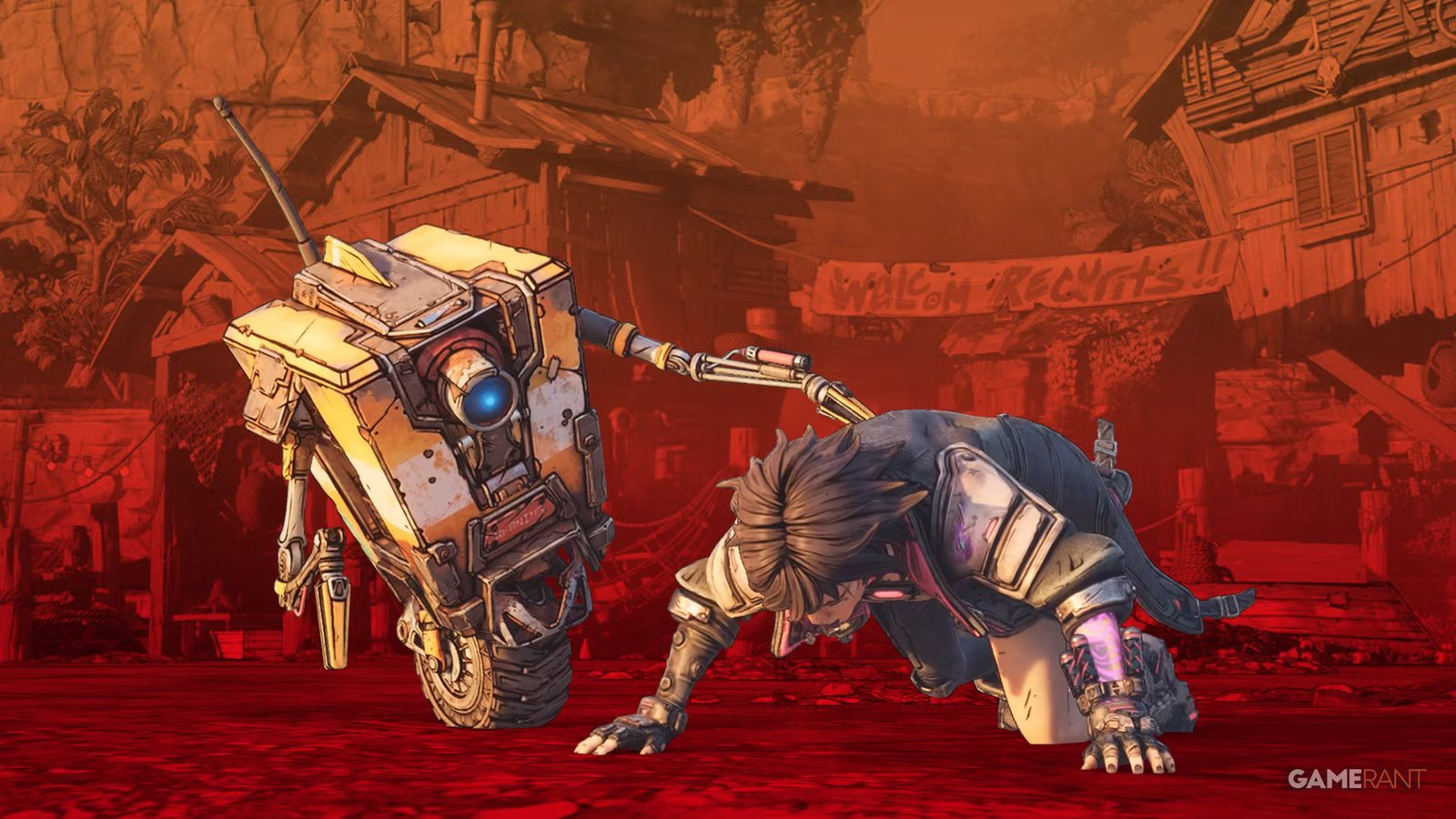
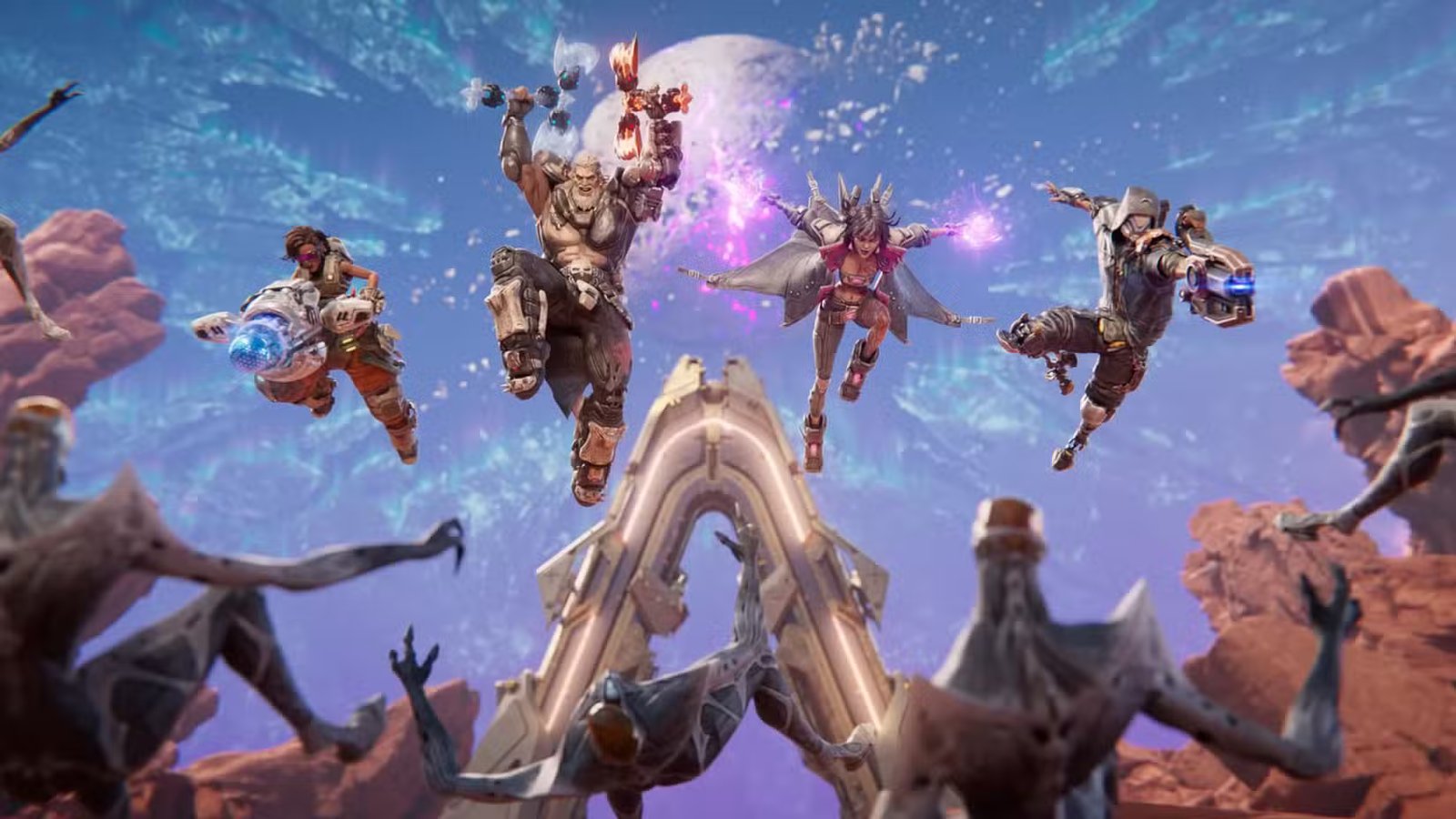
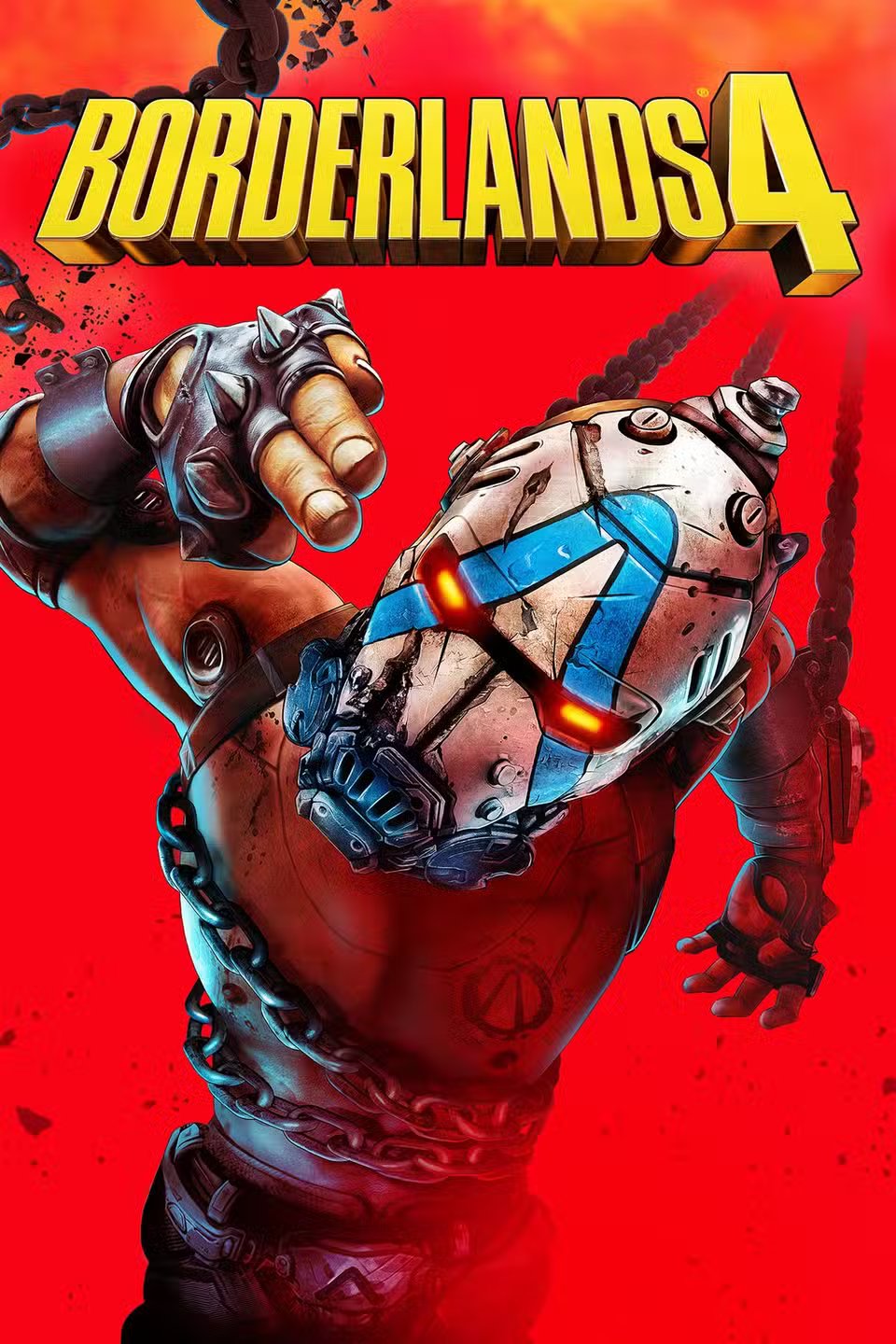
The gaming world is buzzing after Take-Two Interactive CEO Strauss Zelnick addressed the launch performance of Borderlands 4. While the game has moved over 2.5 million units in its first couple of weeks and received generally positive reviews, Zelnick noted that the sales were “a little softer than we would have liked.” It’s a statement that has sparked plenty of discussion, especially when you consider the high expectations set by previous entries in the franchise. Why didn’t it hit the ground running like Borderlands 3? Let’s dive into the potential reasons behind this and what it might mean for the future of the series.
Understanding the Fundamentals of a Game Launch
Before we get too deep, let’s level-set on what makes a game launch successful. It’s more than just positive reviews, though those certainly help. A successful launch hinges on a mix of factors: pre-launch hype, marketing spend, the game’s quality, and, crucially, the market environment. Think of it like launching a new car model. You need a good product, but you also need to convince people they need it, and you’re competing with every other car maker out there. In the gaming world, that competition is fierce, especially in the crowded AAA space.
Why does this matter? Well, game development is expensive. AAA titles often cost hundreds of millions of dollars to produce and market. Publishers need strong initial sales to recoup those costs and justify further investment in the franchise. When a game underperforms, even slightly, it can lead to budget cuts, studio restructuring, or even the cancellation of planned sequels. The pressure is always on.
Key Benefits and Advantages of the Borderlands Franchise
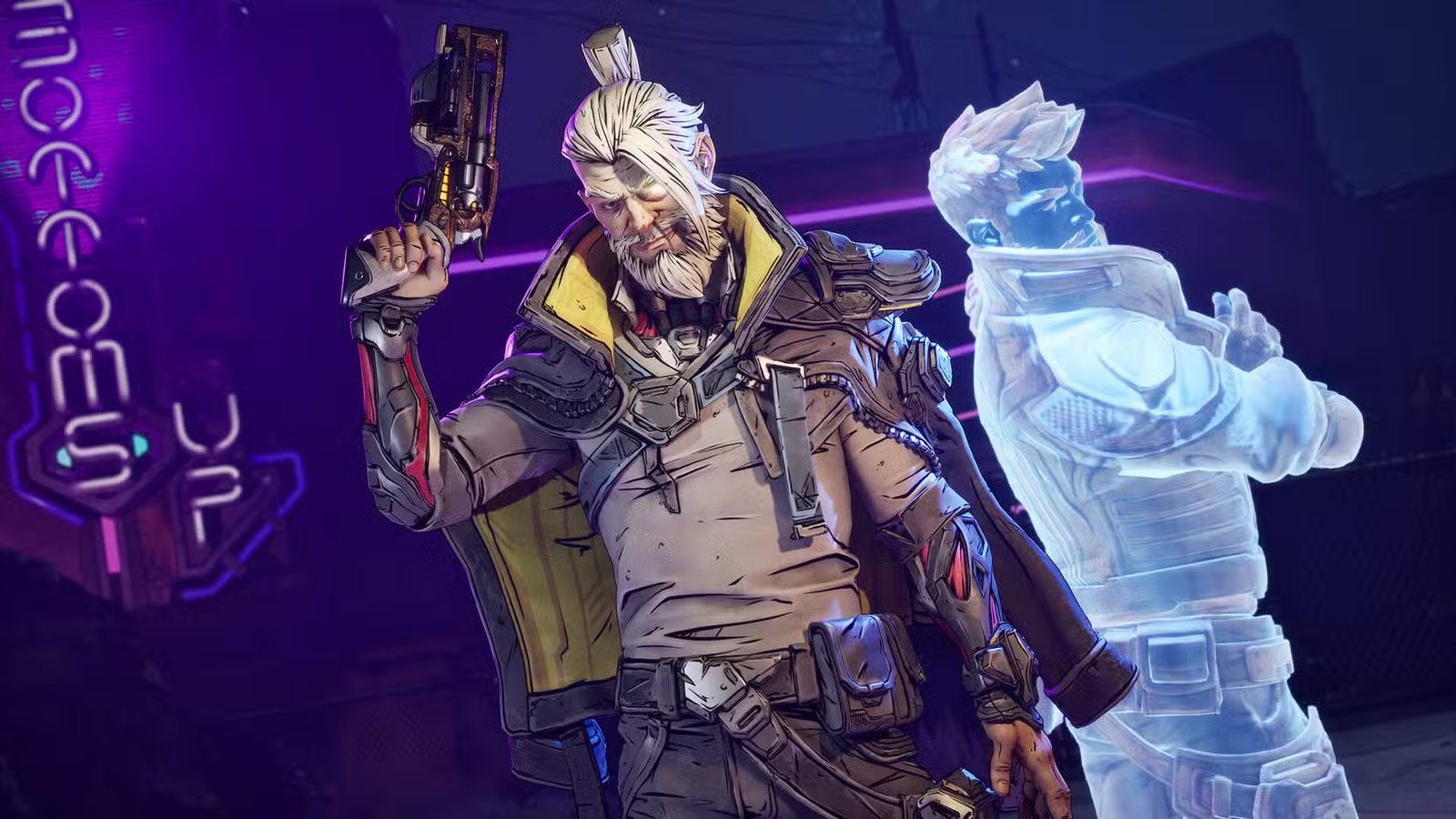
The Borderlands series has carved out a unique space in the gaming world, blending first-person shooter mechanics with RPG elements and a healthy dose of humor. One of the key benefits is its addictive gameplay loop. Players are constantly chasing better loot, leveling up their characters, and tackling increasingly challenging missions. It’s a formula that keeps players engaged for hours on end.
Another advantage is the series’ distinctive art style. The cel-shaded graphics give Borderlands a look that stands out from the crowd. It’s not trying to be photorealistic; it’s embracing a more stylized, comic book-like aesthetic. This helps the game age gracefully, as it’s less reliant on cutting-edge technology that can quickly become dated.
The cooperative gameplay is also a huge draw. Borderlands is designed to be played with friends, and the shared experience of blasting through hordes of enemies and collecting loot is a major part of its appeal. In fact, the game’s co-op focus is one of its biggest strengths, encouraging teamwork and communication. Given the franchise’s emphasis on multiplayer experiences, the anti-cheat measures being implemented by games like Escape from Tarkov are a reminder of the importance of fair play in maintaining a healthy online community.
Implementation Strategies for a Successful Game Launch
So, what can publishers do to ensure a successful game launch? It’s a multi-pronged approach that starts long before the game hits store shelves.
Step-by-Step Approach
- Build Hype Early: Start marketing the game well in advance of its release. Use trailers, gameplay videos, and developer diaries to generate excitement and build anticipation.
- Engage with the Community: Listen to player feedback and incorporate it into the game’s development. Host Q&A sessions, run contests, and create opportunities for players to connect with the developers.
- Secure Positive Reviews: Send review copies to gaming journalists and influencers before launch. Positive reviews can significantly boost sales.
- Optimize Performance: Make sure the game runs smoothly on a variety of hardware configurations. Nothing kills a game faster than technical issues.
- Offer Post-Launch Support: Release regular updates, bug fixes, and new content to keep players engaged.
Best Practices
- Don’t Overpromise: Be realistic about what the game can deliver. Exaggerated claims can lead to disappointment and negative word-of-mouth.
- Avoid Crunch: Don’t force developers to work excessive hours to meet deadlines. Crunch can lead to burnout and lower-quality work.
- Price Strategically: Consider the game’s value proposition and price it accordingly. Don’t overcharge, but don’t undersell either.
- Monitor Social Media: Keep an eye on social media channels to gauge player sentiment and address any issues that arise.
Common Challenges and Solutions in Game Launches
Even with the best-laid plans, game launches can be fraught with challenges. Here are some common pitfalls and how to overcome them:
- Technical Issues: Bugs, glitches, and performance problems can ruin a game’s launch. The solution is thorough testing and a quick response to player reports.
- Server Overload: If a game’s servers can’t handle the influx of players at launch, it can lead to long wait times and frustration. The solution is to scale up server capacity and implement queuing systems.
- Negative Reviews: Bad reviews can sink a game’s sales. The solution is to address criticisms and improve the game based on feedback.
- Competition: A crowded market can make it difficult for a game to stand out. The solution is to differentiate the game with unique features and a strong marketing campaign.
Real-Life Applications and Examples of Game Launch Strategies
Let’s look at some real-world examples of successful and unsuccessful game launches.
Cyberpunk 2077 is a cautionary tale. Despite massive hype and pre-orders, the game launched with so many technical issues that it became a PR disaster. The game was eventually fixed, but the initial damage was done. The launch of Borderlands 4, while not a disaster, seems to have some similar issues that might have impacted its sales. It feels like the company needed to do more to ensure the game was optimized for a variety of hardware configurations.
On the other hand, Elden Ring is an example of a game that nailed its launch. The game was highly anticipated, but it also delivered on its promises. It was challenging, rewarding, and technically sound. The positive word-of-mouth spread quickly, and the game became a massive success.
It’s kind of funny how different games can have such varying trajectories. Even outside the gaming world, we see similar challenges. For instance, the automotive industry constantly faces the challenge of balancing innovation with reliability, as highlighted by Toyota’s new V8 engine, which aims to blend high performance with the brand’s reputation for dependability.
Future Outlook and Trends in the Gaming Industry
The gaming industry is constantly evolving, and several trends are shaping the future of game launches. Subscription services like Xbox Game Pass are becoming increasingly popular, offering players access to a library of games for a monthly fee. This can impact individual game sales, as players may be less likely to purchase a game outright if it’s available on a subscription service.
Cloud gaming is another emerging trend that could revolutionize the industry. Cloud gaming allows players to stream games to their devices without needing to download or install them. This could make gaming more accessible to a wider audience, but it also raises questions about ownership and control. Some people believe that cloud gaming will eventually replace traditional consoles, but others are skeptical.
The rise of indie games is also worth noting. Indie developers are creating innovative and unique games that often challenge the conventions of the AAA space. These games can gain a loyal following and disrupt the market. It’s exciting to see the creativity and passion that indie developers bring to the industry.
Conclusion: Key Takeaways and Next Steps for Borderlands 4
So, what are the key takeaways from the Borderlands 4 launch? First, it’s important to remember that 2.5 million sales is still a respectable number. However, the “softer” launch compared to Borderlands 3 highlights the increasing pressure on AAA games to meet high expectations.
Several factors may have contributed to the game’s performance, including increased competition, the growing popularity of subscription services, and potential pre-release controversies. If you’re like most people, you’ve probably heard that the game’s EULA rubbed some people the wrong way. Going forward, Take-Two Interactive will need to carefully consider these factors when planning future game launches.
What’s next for Borderlands 4? The game will likely continue to receive updates and new content, and it could still gain momentum over time. However, the initial launch has set a tone, and it will be interesting to see how the game performs in the long run. As for me, I’m hoping the developers listen to player feedback and continue to improve the game. What do you think? Will Borderlands 4 eventually live up to expectations? Only time will tell.
In the meantime, while we’re talking about ambitious projects, it’s worth noting that even outside the gaming sphere, there are constant efforts to push boundaries. For example, the dedication to craftsmanship and performance is evident in projects like Eagles Lightweight GTR’s reimagining of the Jaguar E-Type, where classic design meets modern engineering.