Navigating Clemency: Darryl Strawberry’s Pardon and its Broader Implications
Have you ever wondered what it truly means to get a second chance? Or perhaps, what it takes for someone to completely turn their life around, not just personally, but in the eyes of the law and society? Honestly, it’s a question that often crosses my mind, especially when we see high-profile cases like that of baseball legend Darryl Strawberry. You know, for many, his name conjures images of powerful home runs and a vibrant, yet troubled, past. But these days, it’s his recent presidential pardon for a 1995 tax evasion conviction that has captured headlines, and it feels like a really significant moment.
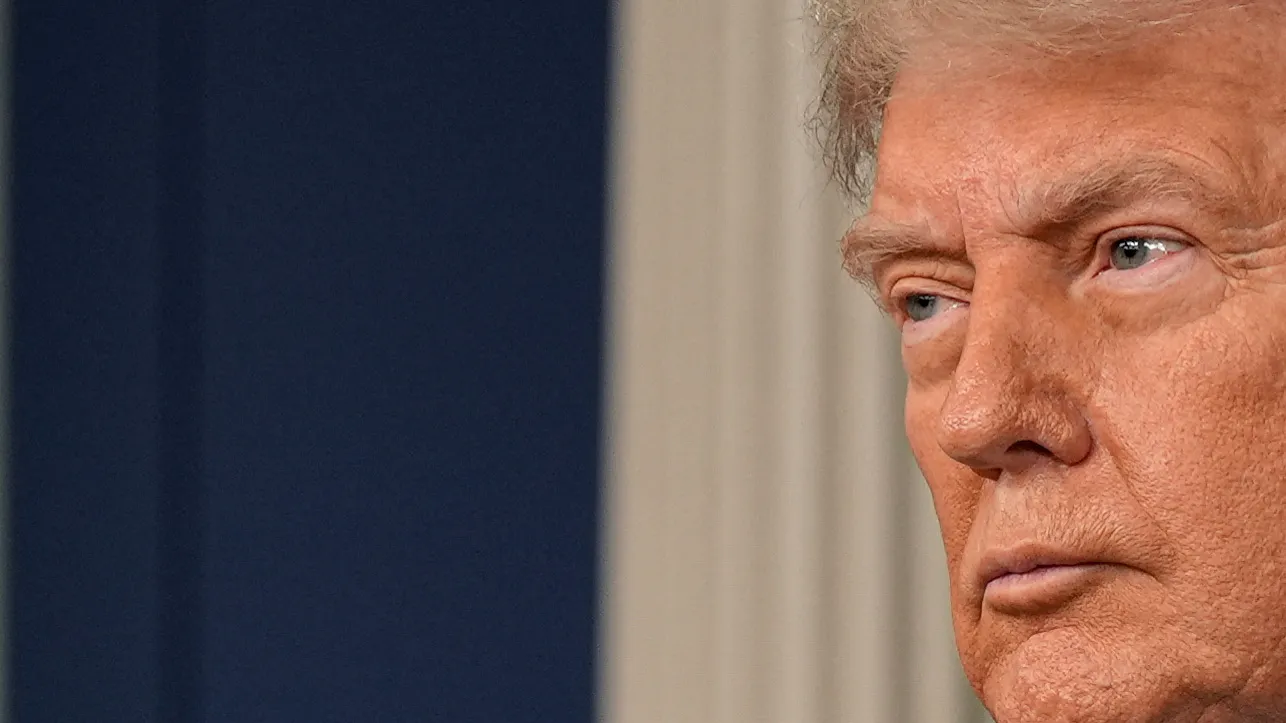
This isn’t just a story about a former athlete; it’s a deep dive into the complex world of presidential clemency, the power of personal redemption, and what it means to truly put one’s past behind them. For anyone wondering, this act of forgiveness by former President Donald Trump on November 7th isn’t just a legal formality; it’s a profound turning point for Strawberry, allowing him to finally close a chapter that has lingered for decades. My goal here is to unpack this whole situation, exploring not just the legal mechanics but also the very real, human impact it has, not only on Darryl Strawberry but on our broader understanding of justice and rehabilitation. So, let’s take a closer look.
Understanding the Fundamentals of Presidential Pardons
To truly grasp the significance of Darryl Strawberry’s pardon, we first need to understand what a presidential pardon actually is. In simple terms, it’s an act of executive clemency that completely forgives an individual for a federal crime. It’s not just about letting someone out of prison early; it’s a formal declaration that the individual is forgiven for their offense, effectively wiping the slate clean in many respects. This power is enshrined in Article II, Section 2 of the U.S. Constitution, granting the President the authority to “grant Reprieves and Pardons for Offenses against the United States, except in Cases of Impeachment.”
Why does this matter today? Well, presidential pardons are incredibly powerful. They can restore civil liberties like the right to vote, hold public office, or own firearms, which are often lost with a federal conviction. For someone like Strawberry, who pleaded guilty to failing to report over $350,000 in income from autograph shows way back in 1995, this pardon goes beyond just the legal record. It signifies a societal acknowledgment of his journey toward rehabilitation. The truth is, without this kind of clemency, a conviction, even one decades old, can continue to cast a long shadow, limiting opportunities and perpetuating a sense of unresolved past.
It’s important to remember that a pardon isn’t an exoneration; it doesn’t mean the person was innocent. Instead, it’s an act of mercy and forgiveness, often granted after an individual has served their time, paid their debt, and demonstrated significant personal change. Personally speaking, I think it highlights a fascinating aspect of our justice system: the balance between punishment and the potential for genuine transformation. This isn’t always an easy line to walk, and it often sparks considerable public debate, which is understandable.
Key Benefits and Advantages of a Pardon
So, what are the tangible, practical benefits that someone like Darryl Strawberry can expect from a presidential pardon? The advantages are far-reaching, touching on legal, social, and even psychological aspects of life after conviction. Believe it or not, the impact can be truly transformative.
First and foremost, a pardon offers a significant restoration of civil rights. Many federal convictions strip individuals of fundamental rights, and a pardon can return them, opening doors that were previously shut. This could mean the ability to serve on a jury, run for public office, or obtain certain professional licenses that were previously out of reach due to a felony record. For someone who has worked hard to rebuild their life, this legal recognition is incredibly liberating.
What’s more, a pardon can dramatically improve an individual’s public image and social standing. Let’s be honest, the stigma of a criminal conviction can be incredibly persistent. It can affect how people perceive you, how employers view your application, and even how you see yourself. A pardon acts as a powerful statement from the highest office that society acknowledges your rehabilitation and is willing to offer a full measure of forgiveness. I noticed that Strawberry himself expressed immense gratitude, thanking President Trump for “finalizing this part of my life, allowing me to be truly free and clean from all my past.” It’s exciting to see someone get that kind of closure.
From a psychological perspective, the relief a pardon can bring is immeasurable. Imagine carrying the weight of a past conviction for decades. The constant reminder, the potential for judgment—it can be incredibly taxing. A pardon can provide a profound sense of peace and finality, allowing an individual to truly move forward without that cloud hanging over them. It really underscores the idea of a genuine second chance, not just in theory, but in real life.
In terms of real-world applications, for Strawberry, this means he can continue his extensive work in drug recovery and ministry with an even stronger platform. His past struggles are well-documented, but his dedication to helping others is equally prominent. This pardon removes a significant barrier, allowing him to advocate and inspire without the asterisk of a past federal conviction. It’s kind of funny, but it reminds me a bit of how athletes navigate public scrutiny and career choices; they’re always under a microscope, and a clean slate, whether it’s through a pardon or just overcoming a rough patch, can truly redefine their narrative.

The Pardon Process: Strategies and Best Practices
If you’re like most people, you might be wondering, “How does someone actually get a presidential pardon?” It’s not as simple as just asking, and from my experience, it’s a meticulous and often lengthy process. There’s a lot more to it than meets the eye, and it involves a combination of legal procedure, personal advocacy, and, yes, sometimes political dynamics.
Step-by-Step Approach to Seeking Clemency
The standard process for federal pardons usually begins with an application to the Office of the Pardon Attorney within the Department of Justice. This office reviews petitions for executive clemency and makes recommendations to the President. It’s a rigorous evaluation, taking into account various factors:
- Eligibility: Generally, a waiting period applies after release from confinement or completion of supervision, whichever is later.
- Application Submission: Petitioners must submit a detailed application, including personal history, criminal record, and a compelling narrative explaining why a pardon is warranted.
- Investigation: The FBI and other relevant agencies conduct thorough background checks and investigations into the petitioner’s post-conviction conduct.
- Recommendation: The Pardon Attorney then makes a recommendation to the President, often after consulting with prosecutors and judges involved in the original case.
- Presidential Decision: Ultimately, the decision rests solely with the President.
In some high-profile cases, however, the process can be more direct, often involving personal appeals or advocacy from influential individuals. This seems to be the case with Darryl Strawberry, given the personal call from President Trump. It’s surprising that such a formal process can also have these more direct, human elements.
Best Practices for Rehabilitation and Advocacy
For anyone hoping for a pardon or looking to rebuild their life after a conviction, there are clear best practices that significantly improve one’s chances and impact. Darryl Strawberry’s journey serves as a powerful example here:
- Demonstrate True Rehabilitation: This is paramount. Strawberry’s sobriety, his embrace of Christianity, and his dedicated work establishing a drug recovery center were all explicitly cited by the White House as factors in his pardon. This isn’t just about avoiding trouble; it’s about actively contributing positively to society.
- Community Involvement: Engaging in meaningful community service or advocacy work shows a commitment to making amends and helping others. Strawberry’s efforts in recovery aren’t just personal; they have a broader impact.
- Maintain a Clean Record: Obviously, staying out of trouble is crucial. Any new offenses would severely undermine a clemency petition.
- Seek Support: Having a strong support system, whether it’s family, friends, or mentors, can provide the stability needed for long-term rehabilitation.
- Legal Counsel and Advocacy: While not always necessary, having experienced legal counsel can help navigate the complexities of the application process and present the strongest possible case. What’s more, for high-profile cases, public advocacy and support can play a role in drawing attention to a petition, sometimes even influencing the political dynamics influencing presidential clemency decisions.
The truth is, while the formal process is important, the human story behind the petition—the tangible evidence of change and contribution—is often what truly resonates. It’s not just about what you did, but who you’ve become.
Common Challenges and Solutions in Post-Conviction Life
Even with the promise of a pardon, the path for individuals with a past conviction is rarely smooth. There are significant hurdles that can make full societal reintegration a real challenge. I mean, let’s be honest, a piece of paper can’t erase all the societal biases or the personal struggles that come with a history of incarceration or legal trouble.
One of the most persistent obstacles is the enduring stigma. Despite a pardon, many people still carry preconceived notions about individuals with criminal records. This can manifest in subtle ways, like hesitations from potential employers, landlords, or even social circles. It’s frustrating to see someone work so hard for redemption only to face lingering judgment. The solution here often involves consistent, visible community engagement and a strong personal narrative. Individuals like Strawberry, who openly share their journey of recovery and faith, can actively work to change perceptions through their actions.
Another common challenge revolves around employment and economic opportunities. Even with restored rights, some industries or companies may still be reluctant to hire individuals with a felony history. This is where vocational training, entrepreneurship, and leveraging personal networks become crucial. Many organizations are now dedicated to helping formerly incarcerated individuals find meaningful employment, recognizing the value of a second chance. On top of that, developing new skills and certifications can make a huge difference in demonstrating current capabilities over past mistakes.
Then there are the personal and psychological challenges. Rebuilding trust, repairing relationships, and maintaining sobriety or a positive mental state can be a lifelong journey. For anyone who has faced addiction, as Strawberry has, the daily commitment to recovery is immense. The solution, from my experience, lies in continuous support systems—therapy, support groups, and a strong spiritual or community foundation. It’s amazing how much resilience people can show when they have the right tools and encouragement.
Finally, navigating the complexities of the legal system, even post-pardon, can be daunting. Understanding what rights have been restored and which limitations might still exist requires careful attention. Legal aid services and advocacy groups play a vital role in guiding individuals through these nuances. So, while a pardon is a monumental step, it’s really just the beginning of a continued effort toward full restoration and sustained personal growth.
Real-Life Applications and Examples
Let’s talk about how this all plays out in the real world, using Darryl Strawberry’s story as a prime example, but also looking beyond it. His journey isn’t just a headline; it’s a living testament to the power of transformation and the impact of forgiveness.
For Strawberry, the pardon means he can fully dedicate himself to his ministry and his work with the Strawberry Ministries, without the shadow of that decades-old conviction. He travels extensively, sharing his story of addiction, recovery, and faith, inspiring countless individuals. This is a concrete example of how a pardon can empower someone to use their past experiences for positive societal impact. He’s not just talking the talk; he’s walking the walk, helping others find their own path to sobriety and spiritual healing. It’s refreshing to see someone so committed to giving back.
Beyond Strawberry, consider other scenarios. Think about individuals who made mistakes in their youth, served their time, and have since become exemplary citizens. A pardon can enable them to pursue careers in law enforcement, education, or healthcare—fields often closed off to those with felony records. I’ve heard stories of people becoming powerful advocates for justice reform, using their own experiences to push for systemic change. These are not just abstract ideas; these are real people, making real differences.
For example, a pardon could allow a talented entrepreneur who made a bad financial decision years ago to secure necessary licenses for a growing business, contributing to the economy and creating jobs. Or it could allow a parent to volunteer at their child’s school without questions arising about their past. These small, everyday applications of a pardon are actually quite profound, enabling full participation in civic and economic life. It’s about restoring dignity and opportunity.
This whole idea of taking something from the past and giving it a new purpose, a new life, really makes me think about how we can reimagine a legacy, much like restoring a classic car. You take something with a rich history, address its flaws, and bring it back, perhaps even better than before, for a new era. That’s what a pardon can do for a person’s life narrative.
Future Outlook: Clemency, Justice Reform, and Personal Transformation
So, where is all this heading? The discussion around presidential pardons, justice reform, and the power of personal transformation is constantly evolving. It’s a field that I believe holds immense importance for the future of our society.
Firstly, we can expect continued debate about the criteria for pardons. Should they be reserved for those who have demonstrated extraordinary rehabilitation, or should they also be used to correct perceived injustices in sentencing? These are not easy questions, and different administrations will undoubtedly approach them with varying philosophies. I think there’s a growing recognition that our justice system needs to prioritize rehabilitation and successful reintegration, not just punishment, and pardons are a key tool in that effort.
Emerging opportunities for individuals seeking a second chance are also expanding. There’s a noticeable shift in public perception and policy towards supporting formerly incarcerated individuals. Many states are implementing “Ban the Box” initiatives, removing the felony question from initial job applications. Plus, there’s increasing investment in programs that provide education, vocational training, and mental health support for those re-entering society. This is exciting because it acknowledges that supporting these individuals benefits everyone.

The role of technology in justice reform is also something to watch. Data analytics can help identify systemic biases in sentencing, and new platforms might streamline the clemency application process, making it more accessible. I couldn’t help but think about how innovation drives change, similar to how the future of performance vehicles like Lexus F-models is constantly pushing boundaries. Just as car manufacturers refine their engineering, we as a society must refine our approach to justice, striving for optimal “performance” in rehabilitation and societal healing.
At the end of the day, the future holds a continued emphasis on personal transformation. Stories like Darryl Strawberry’s serve as powerful reminders that people can change, and that forgiveness, when earned, can unlock immense potential. It suggests a future where society is more willing to invest in restorative justice and provide meaningful pathways for individuals to contribute positively after making mistakes. This isn’t just about charity; it’s about building stronger, more resilient communities.
Conclusion: Key Takeaways and Moving Forward
So, what have we learned from Darryl Strawberry’s pardon and the broader conversation around clemency? For me, the biggest takeaway is the profound power of a second chance, not just legally, but personally and socially. It highlights that while justice demands accountability, it also thrives on the capacity for forgiveness and the opportunity for genuine rehabilitation. Strawberry’s journey from baseball star to convicted felon, and now to a pardoned minister and recovery advocate, is a compelling narrative about hitting rock bottom and finding a way back, stronger and more purposeful than before.
Here’s what you should know: presidential pardons are not just political gestures; they are deeply personal acts with far-reaching consequences, restoring rights, reducing stigma, and offering psychological peace. They underscore the idea that a person’s past doesn’t have to define their future, especially when that person has actively worked to make amends and contribute positively to society. We’ve seen how a structured approach to seeking clemency, combined with authentic personal transformation and advocacy, can lead to remarkable outcomes.
As we move forward, it’s crucial for us to continue engaging in conversations about justice reform, recognizing the challenges individuals face post-conviction, and supporting initiatives that foster rehabilitation and reintegration. For anyone interested in contributing, consider supporting organizations that provide legal aid for clemency petitions or programs that offer job training and support for formerly incarcerated individuals. Every step we take to embrace restorative justice helps build a more compassionate and equitable society.
Ultimately, Darryl Strawberry’s pardon isn’t just an end to a legal chapter; it’s a powerful beginning. It makes me wonder, what role do we, as a society, truly play in offering paths to redemption, and how can we ensure that second chances are not just an exception, but a meaningful part of our justice system?