Beyond the Ballpark: The Enduring Impact of a Presidential Pardon on Redemption
Honestly, when you hear about a presidential pardon, what’s the first thing that comes to mind? For many, it’s a headline, a political maneuver, or maybe even a second chance. But for someone like Darryl Strawberry, the former Mets star whose life has been a rollercoaster of triumph and tribulation, a pardon from former President Donald Trump isn’t just a legal formality; it’s a profound statement about redemption, forgiveness, and the power of personal transformation. It feels like a closing chapter, yet also the beginning of a whole new book. We’ve all seen public figures stumble, right? And we often wonder if they can truly turn things around. This isn’t just about a famous baseball player getting a break; it’s about the very real, often messy, journey of rehabilitation and societal reintegration that many individuals, famous or not, embark upon. The problem this article will tackle is understanding the true, multifaceted impact of such an act of clemency, not just on the individual, but on the broader conversation about justice, second chances, and what it really means to move forward in life after significant challenges.
Understanding the Fundamentals of Clemency
So, what exactly *is* a presidential pardon? In case you’re wondering, it’s not just a get-out-of-jail-free card. A full presidential pardon, like the one granted to Darryl Strawberry, essentially restores an individual’s civil rights and removes the stigma of a federal conviction. It’s an act of executive clemency that signifies official forgiveness for past federal crimes. For Strawberry, this means his convictions related to tax evasion and drug charges are effectively wiped clean from his record, at least in the eyes of the federal government. This isn’t just about legal technicalities; it’s about a symbolic acknowledgment of his subsequent rehabilitation. Think of it like hitting a reset button on a significant part of his past, allowing him to move forward without the shadow of those specific federal offenses looming over him.

Why does this topic matter today, especially for a general audience? Well, it speaks volumes about our society’s evolving views on criminal justice and the idea of second chances. We’re constantly grappling with how to address past mistakes, both individually and systemically. For anyone who has ever faced a personal setback, or watched a loved one struggle to overcome a difficult past, the concept of a clean slate is incredibly powerful. Strawberry’s story, from his illustrious baseball career with the New York Mets to his public struggles with addiction and legal troubles, then to his profound journey of recovery and faith, embodies the very essence of human resilience. His pardon highlights a critical aspect of justice that often gets overlooked: the possibility of redemption and the importance of allowing individuals to contribute positively to society after they’ve paid their dues and genuinely transformed. It’s a reminder that everyone, regardless of their past, deserves the chance to rewrite their narrative, and sometimes, a powerful act of clemency can provide that crucial push.
Key Benefits and Advantages of a Presidential Pardon
When we talk about the practical benefits of a presidential pardon, especially one like the Darryl Strawberry pardon, it’s far more than just a piece of paper. Believe it or not, the ripple effects can be quite extensive, offering a genuine pathway to full societal reintegration. For starters, a pardon can restore civil liberties that are often lost with a felony conviction. We’re talking about things like the right to vote, the right to serve on a jury, and even the right to hold certain professional licenses. For someone like Strawberry, who has dedicated his post-baseball life to ministry and helping others overcome addiction, these restored rights can enhance his ability to impact his community even further.
Beyond the legal aspects, there’s a huge psychological and social benefit. A pardon provides a formal acknowledgment of an individual’s rehabilitation. It’s an official statement that says, “We recognize your change, and we believe in your ability to contribute positively.” This can significantly reduce the stigma associated with a criminal record, which, let’s be honest, can be a heavy burden for anyone trying to rebuild their life. It opens doors that might have previously been slammed shut – doors to employment opportunities, housing, and even just a sense of normalcy. Imagine trying to explain your past in every job interview or rental application; a pardon doesn’t erase history, but it certainly changes the context.
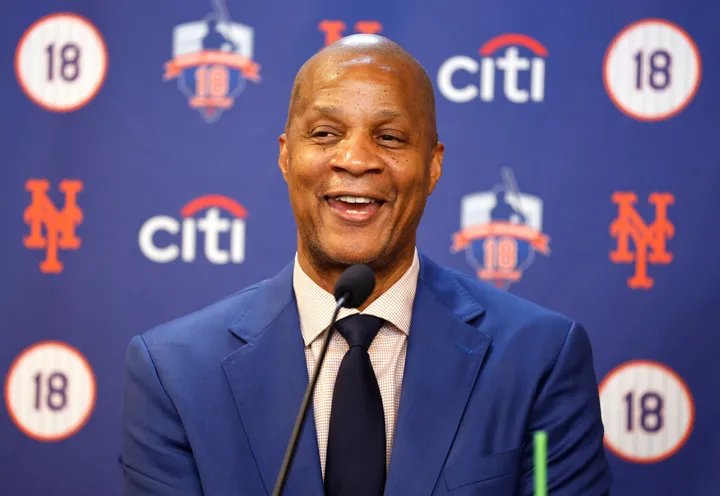
In real-world applications, this means an individual can pursue new career paths without the constant barrier of a criminal record. For Strawberry, who has become a powerful advocate for recovery, it bolsters his credibility and allows him to speak from a place of not just personal experience, but also official absolution. It’s a testament to the idea that people can and do change, and that society should provide mechanisms for them to fully re-engage. This kind of clemency, frankly, sends a powerful message to others who are struggling with their pasts: that redemption is possible, and that perseverance in transformation can lead to profound second chances. It’s truly a practical demonstration of hope.
Implementation Strategies for Redemption and Reintegration
Understanding the actual nuts and bolts of how a presidential pardon comes about, and more broadly, how individuals can truly implement strategies for personal redemption, is fascinating. It’s not just about waiting for a stroke of political goodwill; there’s a deep, often arduous, personal journey involved, which is what makes the Darryl Strawberry pardon so compelling.
The Pardon Process: How it Works
For federal offenses, the process usually begins with an application to the Office of the Pardon Attorney within the Department of Justice. This office reviews petitions for executive clemency, including pardons and commutations. It’s a meticulous process, involving background checks, reviews of court documents, and often, interviews with the applicant and others familiar with their case and rehabilitation. The Pardon Attorney then makes a recommendation to the President. However, presidents also have the inherent power to grant pardons independently, often using their own discretion, especially in high-profile cases or at the end of their term. In Strawberry’s case, like many other presidential pardons, it seems that his sustained period of sobriety, his embrace of Christianity, and his dedicated work as a minister and advocate for addiction recovery played a significant role. It wasn’t a sudden decision; it was built on years of demonstrable change.
Embracing Second Chances: A Personal Blueprint
But here’s the thing: the legal pardon is just one piece of the puzzle. The real “implementation strategy” for redemption, from my experience, comes from within. For individuals like Strawberry, it involves a multi-faceted approach. First, there’s acknowledging the past and taking full responsibility for one’s actions. Without that honest self-reflection, true change is incredibly difficult. Next, it’s about active rehabilitation – whether that’s through substance abuse programs, therapy, education, or spiritual guidance. Strawberry’s public commitment to sobriety and his faith journey exemplify this. He actively sought a new path, and more importantly, stuck to it.
What’s more, giving back to the community is a crucial component. When you dedicate yourself to helping others who are facing similar struggles, it not only reinforces your own commitment to change but also demonstrates your value to society. Strawberry’s work as an advocate for recovery is a powerful example of this. It’s about turning personal pain into purpose, and honestly, that’s where the magic of true transformation happens. This blueprint isn’t just for celebrities; it’s a universal path for anyone seeking to overcome their past and build a meaningful future, reminding us that redefining performance in life often means evolving beyond previous limitations and embracing a new trajectory.
Common Challenges and Solutions on the Path to Reintegration
While a presidential pardon, like the one granted to Darryl Strawberry, offers a monumental opportunity, it’s not a magic wand that instantly erases all difficulties. The path to full societal reintegration is often fraught with challenges, both external and internal. For anyone, let alone a public figure, it’s a continuous journey that requires immense resilience. So, what are some of these common obstacles, and how can they be overcome?
One of the biggest hurdles is persistent societal judgment and stigma. Even with an official pardon, public memory can be long, and some people might forever associate an individual with their past mistakes. This can manifest as difficulty in securing certain types of employment, skepticism from new acquaintances, or even lingering media scrutiny. For a former athlete like Strawberry, who once lived under the intense scrutiny athletes face, this public eye can be unforgiving. The solution? Consistency and transparency. Continuously demonstrating positive change, being open about the journey without dwelling on the past, and allowing actions to speak louder than words can gradually shift public perception. It’s a marathon, not a sprint, and requires unwavering commitment to the new path.
Another significant challenge lies within: the battle against personal demons. For individuals like Strawberry, who struggled with addiction, the risk of relapse is a constant shadow. A pardon might remove legal barriers, but it doesn’t cure addiction or erase trauma. This is where robust support systems become critical. Access to ongoing therapy, support groups, strong family and community networks, and a solid spiritual foundation (as Strawberry found in his faith) are indispensable. It’s about building a fortress of support around oneself to withstand the inevitable temptations and stresses of life. This internal work is arguably more challenging than any external obstacle.
Furthermore, navigating the complexities of a changed identity can be tough. Who are you after you’ve transformed? How do you reconcile your past self with your present aspirations? This can lead to an identity crisis if not managed well. The practical solution here involves finding new purpose and meaning, often through service to others. By focusing on how their experiences can help prevent others from making similar mistakes, individuals can forge a powerful new identity. Darryl Strawberry’s work as a minister and advocate is a perfect illustration of this; he’s not just Darryl Strawberry, the baseball legend, but Darryl Strawberry, the beacon of hope for those in recovery. This re-engineering of one’s life, much like how a powerful new beginning can be found in innovative engineering, requires a fundamental shift in perspective and continuous effort.
Real-Life Applications and Examples of Redemption
The story of Darryl Strawberry and his presidential pardon isn’t just a headline; it’s a powerful narrative with profound real-life applications, illustrating how redemption can truly reshape an individual’s journey and inspire others. His life, marked by the incredible highs of a Hall of Fame-worthy baseball career and the devastating lows of addiction and legal troubles, serves as a poignant example for anyone grappling with personal adversity.
Consider Strawberry’s post-pardon life. He’s not just quietly enjoying his restored rights; he’s actively amplifying his message of hope and recovery. His continued work in ministry and as a motivational speaker helps countless individuals facing similar battles with addiction. This isn’t just about him; it’s about the ripple effect. When someone like Strawberry, who reached the pinnacle of athletic achievement only to fall, stands up and shares his story of transformation, it resonates deeply. It tells those in the throes of addiction, or those released from incarceration, that a meaningful, impactful life is still within reach. It’s a concrete example of how an act of clemency can empower an individual to become a more effective agent of positive change.
Beyond Strawberry, we’ve seen similar patterns with other public figures who have received pardons or found their own paths to redemption. Think of individuals who, after serving time or overcoming public scandals, have dedicated their lives to advocacy or philanthropy. These aren’t just isolated incidents; they form a mosaic of human resilience. Each story, in its own way, contributes to narratives of redemption that echo through culture, much like the powerful stories of resurgence we see in epic films. These examples demonstrate that the true value of a pardon isn’t merely legal absolution, but the moral and social license it can provide for an individual to become a living testament to change.
What’s particularly inspiring is how these personal stories can influence broader policy discussions. When high-profile individuals like Strawberry demonstrate successful reintegration, it provides compelling evidence for criminal justice reform advocates who argue for more robust rehabilitation programs, opportunities for expungement, and a greater emphasis on restorative justice. It shows that investing in second chances isn’t just a compassionate act; it can lead to tangible benefits for society as a whole by fostering productive citizens and reducing recidivism. It’s a real-world case study in the power of forgiveness and the transformative potential that lies within every individual, regardless of their past. Personally speaking, it’s amazing how one person’s journey can shine a light on such complex societal issues.
Future Outlook and Trends in Clemency and Reintegration
So, where is this whole conversation about presidential pardons, clemency, and societal reintegration heading? The Darryl Strawberry pardon isn’t just an isolated event; it’s part of a larger, evolving trend in how we view justice, punishment, and the possibility of a second act. From my perspective, having watched these patterns for years, it feels like we’re moving towards a more nuanced understanding of rehabilitation, especially for those who have genuinely transformed their lives.
One clear trend is the increasing discussion around criminal justice reform. There’s a growing bipartisan recognition that our justice system needs to be more focused on rehabilitation and successful reintegration, rather than just punitive measures. Acts of clemency, whether presidential pardons or state-level commutations, play a vital role in this. They highlight individual successes and provide tangible examples that fuel the argument for broader systemic changes. We’re seeing more advocacy for streamlined pardon processes, better support for individuals post-incarceration, and a greater emphasis on reducing barriers to employment and housing for those with past convictions. This isn’t just academic talk; it’s about creating practical pathways for millions of people to become productive members of society.
Emerging opportunities are also cropping up in how we leverage technology and community-based programs to support reintegration. Digital platforms are helping connect individuals with resources, job opportunities, and mentorship. What’s more, the narrative around addiction and mental health is shifting, leading to more compassionate and effective treatment approaches, which directly impacts the success of individuals seeking redemption. For public figures like Strawberry, their continued advocacy and visibility in recovery communities will be crucial. They serve as powerful role models, proving that sustained recovery and meaningful contributions are not only possible but also deeply impactful. The truth is, their stories cut through the noise and provide tangible proof of concept.
On top of that, the political landscape itself is influenced by these discussions. While specific presidential pardons can be politically charged, the underlying sentiment for giving people a second chance often transcends party lines. We’ve seen former presidents from both sides of the aisle grant clemency, often towards the end of their terms. This practice, while sometimes controversial, underscores a persistent belief in the power of forgiveness within the American ethos. It suggests that, despite political divides, there’s a shared human understanding of the desire for a fresh start. Whether this will lead to more widespread use of clemency or more structured pathways for it remains to be seen, but the conversation is certainly picking up steam. In fact, understanding the dynamics of public perception and political decisions is key, especially when considering the evolving political landscape and how different voices contribute to shaping policy and public opinion.
Conclusion: Key Takeaways and Next Steps
At the end of the day, the presidential pardon granted to Darryl Strawberry is far more than a simple legal transaction. It’s a powerful testament to the human capacity for transformation, the enduring relevance of second chances, and the complex interplay between individual journeys and societal justice. We’ve explored how a pardon fundamentally alters an individual’s legal standing, restoring civil rights and reducing stigma, which are practical benefits that extend into every corner of daily life. We’ve also seen that true redemption isn’t just handed out; it’s earned through a rigorous personal blueprint of responsibility, rehabilitation, and active contribution to one’s community.
We’ve also acknowledged the very real challenges that come with reintegration – the lingering judgment, the battle against personal demons, and the struggle to forge a new identity. Yet, through consistency, transparency, and robust support systems, these obstacles can be navigated. Strawberry’s story, along with others, serves as a beacon, illustrating how personal narratives of overcoming adversity can inspire countless others and even influence broader criminal justice reform efforts. It’s truly a refreshing perspective on justice.
So, what are your next steps? For those seeking to understand this topic more deeply, I’d suggest looking into local organizations that support individuals re-entering society after incarceration or those battling addiction. Learning about their programs and challenges can provide invaluable insight. For anyone personally struggling with a past that feels insurmountable, remember Darryl Strawberry’s journey: redemption is a process, not an event, and it’s always possible to re-engineer one’s life with renewed purpose. What do you believe is the most crucial element for a person to truly achieve and maintain redemption after a public fall from grace?