Battlefield 6: Rebalancing the Fight – The IFV Missile Resolution
Honestly, if you’ve been anywhere near the virtual battlegrounds of Battlefield 6 recently, you’ve probably heard the collective sigh of relief, or maybe even let out one yourself. For weeks, a particularly nasty bug involving the Infantry Fighting Vehicle’s (IFV) Lock-Guided Missile has been wreaking havoc, turning what should be intense, strategic vehicle combat into a frustrating, one-sided affair. It felt like every time you heard that tell-tale missile lock-on, you knew you were probably doomed, countermeasures or not. Well, I’m here to tell you that relief is finally on the horizon, or rather, it’s already here, at least in a temporary capacity.
The truth is, this wasn’t just a minor glitch; it was a genuine game-breaker. Imagine playing a game of chess where one player’s knight could suddenly move like a queen, completely ignoring the rules. That’s essentially what was happening in Battlefield 6. The IFV’s Lock-Guided Missile was bypassing enemy countermeasures, creating an unfair advantage that completely disrupted the game’s delicate balance. It was frustrating, to say the least, and for many, it pushed the competitive spirit right out of the window. But here’s the thing: DICE, the developers behind Battlefield 6, have taken swift action, temporarily disabling the problematic weapon, with a comprehensive fix promised in an upcoming patch next week. This move, while temporary, is a strong signal that they’re committed to maintaining a fair and enjoyable experience for everyone, which, personally speaking, is exactly what we need.
Understanding the Core Issue: The IFV Missile Conundrum
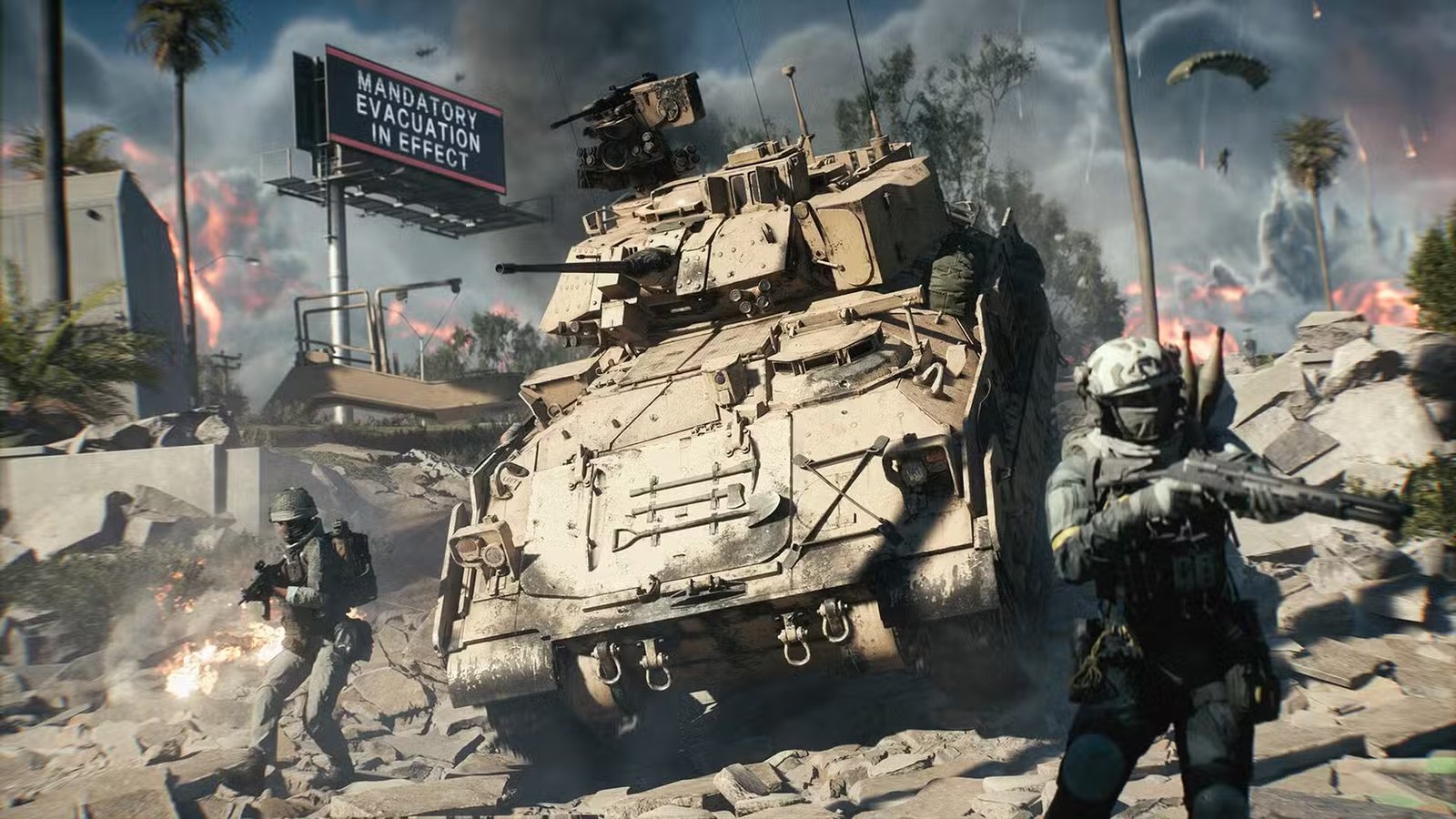
So, what exactly was going on? Let’s take a closer look at the heart of the problem. Infantry Fighting Vehicles (IFVs) in Battlefield have always been formidable machines, designed to support infantry while also posing a significant threat to other vehicles. Their Lock-Guided Missiles are supposed to be high-impact weapons, but they come with a crucial counter-play mechanism: countermeasures. Think of countermeasures as a vehicle’s emergency evasive maneuver, deploying flares or chaff to break a missile lock and divert the incoming projectile. It’s a classic rock-paper-scissors dynamic that adds layers of strategy to vehicle encounters.
The bug, however, completely broke this dynamic. Believe it or not, the Lock-Guided Missile was, for some inexplicable reason, ignoring these countermeasures entirely. You’d pop your flares, hear the satisfying whoosh, and then, a split second later, still get hit. It was an absolute nightmare for anyone trying to pilot a tank, helicopter, or even another IFV. The missile felt unblockable, making IFVs disproportionately powerful and, frankly, not much fun to play against. This kind of oversight, while seemingly small in the grand scheme of a massive game, can snowball into a huge problem, eroding player trust and making people question the competitive integrity of the entire experience. It’s like having a crucial gear slip in a meticulously engineered engine; the whole system suffers. This intricate balance in vehicle design and combat mechanics requires complex engineering feats, much like the precision vehicle design we see in the automotive world, for instance, with Toyota’s new V8 engine, where every component must work in perfect harmony.
Why does this topic matter today? Well, beyond the immediate frustration of getting blown up unfairly, it speaks volumes about the ongoing challenges of modern game development. Balancing hundreds of weapons, vehicles, gadgets, and player abilities in a live-service multiplayer game is an incredibly complex dance. When something like this slips through, it highlights the constant vigilance developers need. For players, it’s about trust. We invest our time and money, and we expect a fair playing field. When that’s compromised, even by accident, it can quickly sour the experience. The speed of DICE’s response is actually quite refreshing, showing they’re listening and reacting.
The Immediate Benefits of the Fix: Restoring Fair Play
So, what are the tangible benefits we’re seeing now that the IFV missile has been temporarily sidelined? Honestly, the biggest one is simply a return to fair play. Before this fix, IFV drivers could essentially dominate the battlefield with little to no risk from other vehicles. This meant that if you were in a tank, you had a significantly harder time pushing objectives or even surviving open engagements, knowing an IFV could just delete you without you being able to do anything about it. Now, the playing field feels much more level. Tank drivers can actually use their countermeasures as intended, and helicopter pilots don’t feel like they’re flying targets with no defense against a specific threat.
This re-establishes the strategic depth that Battlefield is known for. Players can once again rely on their tactical decisions, knowing that the game’s core mechanics are functioning as intended. It means that skill and strategy, rather than a broken weapon, will determine the outcome of vehicle engagements. From my experience, nothing kills the enjoyment of a game faster than feeling like your efforts are undermined by an unfair mechanic. This fix, even in its temporary state, significantly boosts player morale and confidence in the game’s competitive environment. It shows that DICE cares about maintaining competitive integrity, much like how developers of other intense multiplayer titles focus on robust anti-cheat measures to ensure fair play.
On top of that, it fosters a healthier community. When players feel heard and critical issues are addressed promptly, it builds a stronger relationship between the developers and their player base. It reduces the amount of negative sentiment and allows players to focus on enjoying the game rather than complaining about broken mechanics. Plus, it encourages more diverse gameplay. With the IFV missile bug, many players were either forced into IFVs to compete or avoided vehicle combat altogether. Now, players can experiment with different vehicle types and loadouts, knowing that each has its proper place and counter in the game’s ecosystem. I mean, who doesn’t want that kind of freedom and balance?
Navigating the Fix: DICE’s Implementation Strategy
Fixing a complex bug in a live multiplayer game isn’t as simple as flipping a switch. It requires a careful, multi-stage approach to minimize disruption while ensuring the problem is thoroughly resolved. DICE’s strategy here, to be fair, is pretty standard for the industry, but it’s the transparency and speed that really stand out.
Step-by-Step Approach: The Temporary Disablement
The first step, and the one we’ve already seen, was the temporary disablement of the Lock-Guided Missile. This wasn’t the ideal long-term solution, of course, but it was the fastest way to stop the bleeding. When a bug is actively ruining the experience for a large portion of your player base, you have to act decisively. Disabling the weapon immediately removed the unfair advantage, instantly restoring a semblance of balance to vehicle combat. It’s a bit like putting a band-aid on a gushing wound before you can stitch it up properly. This rapid response prevents further damage to the player experience and gives the development team breathing room to work on the permanent fix without the pressure of an ongoing crisis.
During this temporary phase, players might need to adjust their tactics. IFV drivers, for example, will have to rely more on their primary cannon or other secondary weapons, which, honestly, is how it should have been all along. This encourages a more varied gameplay style and prevents over-reliance on a single, overpowered tool. For anyone wondering, this temporary measure is crucial because a rushed, incomplete “permanent” fix could introduce even more problems, creating a frustrating cycle of bugs. Sometimes, you just need to hit the pause button to get things right.
Best Practices: The Road to a Permanent Solution
The next phase, as communicated by DICE, involves releasing a comprehensive, permanent fix in an upcoming patch. This is where the real engineering happens. It means diving deep into the game’s code, identifying the exact root cause of why those countermeasures were being bypassed, and implementing a robust solution that won’t break anything else. This usually involves extensive internal testing, and often, a period of public testing on test servers before it’s rolled out to the main game.
Best practices in game development for something like this involve a few key elements: clear communication with the community (which DICE has done), rapid deployment of temporary fixes when necessary, and a meticulous approach to the permanent solution. It also means having robust quality assurance processes in place. From my experience, the best developers don’t just fix a bug; they analyze why it happened to prevent similar issues in the future. This iterative process of identifying, mitigating, and permanently resolving issues is vital for the long-term health of any live-service game. It’s about not just patching a hole, but reinforcing the entire wall.
Overcoming Development Hurdles: Common Challenges and Solutions
Even with the best intentions and skilled teams, game development is fraught with challenges, especially when dealing with complex, interconnected systems like those in Battlefield 6. Fixing a bug like the IFV missile issue isn’t always straightforward, and developers often face several hurdles.
One of the primary challenges is the sheer complexity of modern game engines and codebases. Battlefield games are massive, with millions of lines of code governing everything from physics to weapon interactions. A change in one area can, unintentionally, have ripple effects in others. It’s like trying to fix a single leaky pipe in an ancient, sprawling mansion without disturbing the entire plumbing system. Sometimes, a “fix” can introduce new, unforeseen bugs, which is incredibly frustrating for both players and developers. This is why thorough testing is paramount, and why sometimes, a temporary disablement is the safer immediate option.
Another common obstacle is resource allocation. Development teams are often juggling multiple priorities: new content, performance optimizations, and, of course, bug fixes. Pulling resources to address a critical bug means other planned features might be delayed. This requires careful management and tough decisions about what takes precedence. Then there’s the challenge of reproducing the bug consistently. Sometimes, bugs only manifest under very specific conditions, making them incredibly difficult to diagnose and fix. It’s like trying to catch a ghost; you know it’s there, but it keeps disappearing when you look directly at it.
So, what are the practical solutions for these challenges? For complexity, robust version control systems and modular code architecture help isolate changes, reducing the risk of unintended consequences. For resource allocation, clear prioritization based on player impact is key. A game-breaking bug, for instance, should always jump to the top of the list. And for those elusive, hard-to-reproduce bugs, community feedback plays a massive role. Public test environments (PTEs) or test servers allow developers to gather data from thousands of players, helping them pinpoint issues that might be impossible to find with an internal team alone. This kind of community-driven gameplay and feedback loop is what helps foster a thriving multiplayer experience, where players feel invested in the game’s improvement.
Real-Life Impact: Stories from the Battlefield
It’s one thing to talk about bugs in abstract terms, but it’s another to see their real-life impact on players. The IFV missile bug wasn’t just a line of code; it manifested in countless frustrating moments across thousands of games. I’ve personally seen and experienced scenarios where the bug decided the outcome of critical engagements and even entire matches. Imagine you’re holding a key objective, your tank is dug in, and you’re coordinating with your squad. Suddenly, an IFV rolls up, fires a missile, and despite you perfectly timing your countermeasures, you explode. That’s it. Objective lost, momentum shifted, and a feeling of helplessness washes over you.
In competitive scenarios, this bug was even more pronounced. Esports teams and high-level players rely on consistent mechanics and predictable outcomes. When a core weapon system becomes unreliable or unfairly powerful, it throws off all their practiced strategies. It’s like a referee making a bad call that decides the final moments of a championship game – it undermines all the effort and skill involved. I noticed that many players simply started avoiding vehicles, or conversely, everyone tried to get into an IFV, creating a meta that felt stale and unbalanced. It’s kind of funny, in a dark way, how a single bug can so dramatically reshape how people play a game.
Case studies from the community forums were full of players recounting similar tales. There were videos showing clear examples of missiles hitting despite flares being deployed, leading to widespread calls for immediate action. This isn’t just about winning or losing; it’s about the fundamental enjoyment of the game. When a core element feels broken, it chips away at the overall experience. The fix, even temporary, has brought a palpable shift in mood. Players are more willing to jump into vehicles, engage in varied combat, and simply enjoy the game without that nagging fear of an unblockable missile. It’s refreshing to see the community’s passion reignited, much like the excitement around revisiting a classic film, where the core experience is cherished and celebrated once more.
Here’s a quick summary of the bug’s impact:
The Future of Battlefield 6: Beyond the Bug Fix
This IFV missile resolution, while significant, is just one piece of a much larger puzzle for Battlefield 6. Where is this field heading? Well, for DICE and the Battlefield franchise, it’s all about continuous evolution. Live-service games thrive on consistent updates, balance passes, and fresh content. This bug fix isn’t an endpoint; it’s a demonstration of the ongoing commitment required to maintain a massive online title.
The emerging opportunities here are vast. DICE now has a chance to fully regain any player trust that might have been lost due to this and other previous issues. By demonstrating a rapid, transparent, and effective response to critical bugs, they set a new standard for how they engage with their community. This proactive approach can lead to a more engaged and loyal player base, which is invaluable in the competitive gaming landscape these days. We can expect to see more iterative balance changes, new maps, weapons, and game modes that build upon a now more stable foundation. It’s about pushing performance boundaries and exploring the evolution of game mechanics, much like how automotive brands are constantly pushing the envelope with the future of Lexus performance and their ‘F’ models.
Furthermore, this incident provides valuable lessons for future game development. It emphasizes the importance of robust testing at every stage, the need for agile response mechanisms, and the critical role of community feedback. The future of Battlefield 6, to me, looks promising if DICE continues this trajectory of transparency and responsiveness. It’s not just about fixing bugs, but about building a game that genuinely listens to its players and adapts to their needs. This includes not just technical fixes, but also evolving gameplay, ensuring that the experience stays fresh and engaging for years to come. I hope they take this momentum and really run with it, delivering an even better experience down the line.
Conclusion: Lessons Learned and What’s Next
All things considered, the resolution of the Battlefield 6 IFV missile bug is a critical moment for the game. It wasn’t just about disabling a weapon; it was about reaffirming a commitment to fair play, competitive integrity, and a positive player experience. The swift, albeit temporary, action taken by DICE has gone a long way in soothing player frustrations and restoring balance to vehicle combat, which, believe me, was sorely needed. This incident really highlights the constant vigilance and responsiveness required in modern live-service game development.
So, what are your next steps as a player? First, stay informed. Keep an eye on official Battlefield channels for updates on the permanent fix and any subsequent balance changes. Second, continue to provide constructive feedback. Your voice, collectively, is incredibly powerful in shaping the game’s future. And finally, jump back into those IFVs and tanks! Enjoy the rebalanced combat and experiment with new strategies, knowing that your countermeasures actually work now. It’s exciting to think about what a truly balanced and well-maintained Battlefield 6 could become. What’s the next big challenge you hope developers tackle to make your favorite game even better?