Kansas Mayor’s Voting Charges: Safeguarding Election Integrity
Imagine for a moment, you’ve cast your vote, participated in the democratic process, and helped elect a leader for your community. You believe in the system, right? Now, picture the headlines screaming about alleged illegal voting from that very leader. Honestly, it’s a jolt to the system, a real test of public trust. This isn’t some far-off political drama; it’s unfolding right now in Coldwater, Kansas, where Mayor Jose “Joe” Ceballos faces serious charges for allegedly voting without being a U.S. citizen.
This case, brought forward by Kansas Attorney General Kris Kobach, isn’t just about one person or one town. It shines a glaring spotlight on something incredibly vital to all of us: election integrity. It prompts us to ask: How secure is our voting process? What does it mean for the legitimacy of our local governance when such allegations surface? And perhaps most importantly, what can we, as citizens and communities, do to ensure that every ballot cast is legal, fair, and truly representative? That’s what we’re going to dive into today, exploring the practical implications and deeper lessons from this significant event.
Understanding the Fundamentals of Election Integrity
At its core, election integrity is the bedrock of any functioning democracy. It’s the assurance that elections are conducted fairly, transparently, and according to the law, ensuring that every eligible vote counts and that ineligible votes do not. Think of it like the very foundation of a house; if that foundation is weak or compromised, the entire structure is at risk. For anyone wondering, this isn’t just a fancy phrase; it’s about the trust we place in our system.
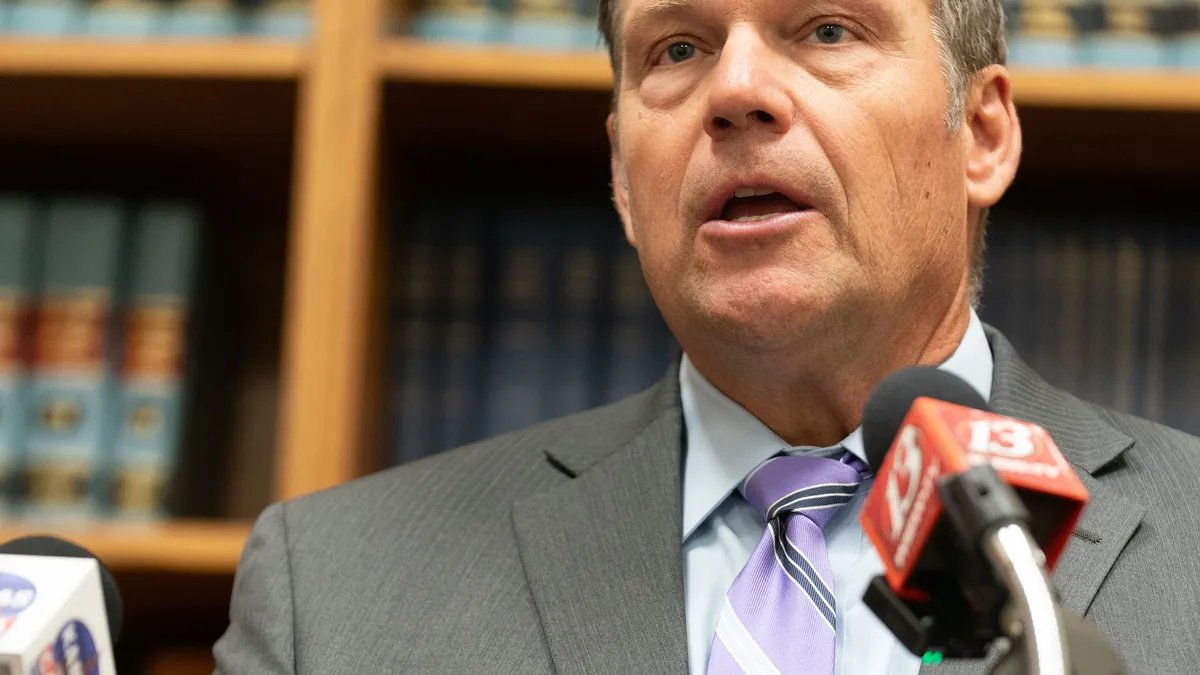
The situation with Jose Ceballos, the re-elected mayor of Coldwater, is a stark reminder of these fundamentals. He’s a 54-year-old Mexican citizen with legal permanent residency, but critically, not a U.S. citizen. According to Attorney General Kobach, Ceballos is accused of voting illegally in multiple elections, including the 2022 and 2023 general elections, and the 2024 primary. These charges include three felony counts of election perjury and three counts of voting without being qualified. The truth is, these aren’t minor infractions; they carry a potential maximum sentence of 68 months in prison and hefty fines. It’s a serious matter, and it highlights why understanding who is eligible to vote is absolutely paramount.
Why does this topic matter so much today? Well, if you’re like most people, you want to believe that when you head to the polls, your participation genuinely shapes your community’s future. When questions about eligibility or fraud arise, that belief can erode, leading to cynicism and disengagement. Personally speaking, it feels like a breach of the social contract, doesn’t it? Maintaining this trust is crucial for the health and stability of our democratic institutions, from the smallest town council to the highest offices.
Key Benefits of a Robust Electoral System
So, what are the key benefits of having a truly robust, ironclad electoral system? Beyond the obvious, the practical benefits for everyday citizens are immense. First and foremost, it fosters legitimate representation. When you know that your elected officials truly reflect the will of the eligible voters, you gain confidence in their decisions and the policies they enact. This isn’t just theoretical; it translates into better governance, because leaders who feel genuinely chosen by the populace are often more accountable and responsive. Believe it or not, this sense of legitimacy helps ensure that the voices of the people are heard, not distorted by improper practices.
Secondly, a strong system promotes political stability. When election outcomes are widely accepted as fair, it reduces social unrest and political polarization. We’ve all seen how quickly societies can become fractured when the integrity of elections is called into question. A transparent and secure process acts as a pressure valve, allowing for peaceful transitions of power and a focus on solving real community problems rather than endlessly debating election results. Plus, it encourages greater civic participation, because people are more likely to engage when they trust the process. It’s kind of funny, but the more boring and predictable an election process is, the better it probably is for democracy.
On top of that, it ensures the rule of law. The law is meant to apply equally to everyone, regardless of their position. When election laws are enforced, it reinforces the principle that no one is above the law, even a re-elected mayor. This adherence to legal standards is vital for maintaining a just society. It’s about upholding the very fabric of our community’s legal framework, ensuring that the legal qualifications for voting are respected by all. This steadfast commitment to legal principles helps maintain public trust, which, let’s be honest, is a priceless commodity in any society. It’s amazing how a single case can bring such fundamental principles into sharp focus.
Implementing Stronger Election Integrity Measures
So, how do we actually go about making our electoral systems more robust and less susceptible to these kinds of challenges? It’s not just about pointing fingers; it’s about practical, actionable strategies that can be implemented at various levels. From my experience, it requires a multi-faceted approach, much like how complex systems are built to be resilient.
Step-by-Step Approach for Communities
For communities, particularly smaller ones like Coldwater, there are clear steps to take. First, voter registration verification is absolutely critical. This means regularly updating voter rolls, removing deceased individuals, and cross-referencing databases to ensure that only eligible citizens are registered. It’s a bit like spring cleaning for our voter lists. Secondly, clear and accessible education campaigns are essential. Many people, including legal permanent residents, might genuinely be confused about their eligibility. Providing straightforward information through local government websites, community centers, and public service announcements can prevent unintentional violations. I mean, who doesn’t want clearer guidelines?
Finally, there needs to be a clear process for addressing concerns. When a city attorney, like Skip Herd in Coldwater, notices a discrepancy, there should be established protocols for review and investigation. This isn’t about creating barriers; it’s about ensuring accuracy. This methodical approach, from voter registration to complaint resolution, forms the backbone of a trustworthy system. If that sounds confusing, don’t worry, the goal is simplicity for the voter, but thoroughness behind the scenes.
Best Practices for Election Officials
Now, let’s talk about the unsung heroes: election officials. Their role is paramount. One best practice is regular and transparent audits of election results and processes. These aren’t just about catching errors; they’re about building confidence. Post-election audits, where a random sample of ballots is manually checked against machine counts, can be incredibly effective. What’s more, implementing robust digital security protocols to protect voter databases and election systems is non-negotiable these days. Think about the lengths gaming companies go to ensure fair play with robust anti-cheat measures; election systems need that level of vigilance, if not more, to prevent any form of digital tampering or unauthorized access.
Another crucial element is comprehensive training for poll workers. These individuals are on the front lines, and they need to be well-versed in election laws, proper procedures, and how to handle various scenarios, including questions about voter eligibility. Trust me, a well-trained poll worker can save a lot of headaches and prevent potential issues from escalating. On top of that, fostering a culture of non-partisanship among election staff is vital. Their loyalty should be to the process and the law, not to any particular candidate or party. At the end of the day, it’s about ensuring fairness for everyone involved.
Common Challenges and Practical Solutions
Implementing and maintaining strong election integrity isn’t without its hurdles, let’s be honest. There are several common challenges that communities and election officials face regularly. One significant obstacle is often outdated systems and infrastructure. Many local election offices operate with limited budgets and rely on technology that might not be as secure or efficient as it could be. This can make voter roll maintenance a cumbersome task and open doors for errors or potential vulnerabilities. It’s frustrating to see, but it’s a reality in many places.
Another challenge is the sheer complexity of election laws, which can vary significantly from state to state and even county to county. This patchwork of regulations can lead to confusion, not just for voters but for election administrators themselves. Plus, the spread of misinformation and disinformation, particularly in the digital age, can quickly erode public trust and make it harder for citizens to discern accurate information about voting requirements and processes. We’ve all seen how quickly rumors can spread, right?
Navigating the Nuances of Eligibility
The specific challenge highlighted by the Kansas mayor’s case—non-citizen voting—is particularly nuanced. Legal permanent residents, often referred to as green card holders, live, work, and pay taxes in the U.S. and are deeply integrated into their communities. However, the right to vote in federal, state, and most local elections is generally reserved for U.S. citizens. The detection of such cases, as with Mayor Ceballos’s citizenship application triggering a review, often relies on administrative processes or tips. It’s surprising that someone could be registered to vote since 1990 without their citizenship status being flagged earlier, which really points to the gaps in some systems.
Solutions for a Stronger Future
So, what are the practical solutions for these challenges? For outdated systems, increased funding and investment in modern election technology are crucial. This doesn’t mean reinventing the wheel, but rather upgrading to more secure and integrated voter registration databases that can cross-reference information more effectively with other government agencies, such as the DMV or state vital records. This would help flag discrepancies much earlier.
To combat the complexity of laws, clear, concise, and uniform guidelines, perhaps developed at a state level, could help. This would simplify training for election officials and make it easier for the public to understand their rights and responsibilities. Public awareness campaigns, using plain language and diverse media channels, are also key to countering misinformation and ensuring citizens have access to accurate voting information. It’s about empowering people with the right facts, not just opinions.
For the specific issue of non-citizen voting, a proactive approach to voter roll maintenance, coupled with robust verification processes at the time of registration, is vital. This might include requiring proof of citizenship for new registrants or periodic checks for existing voters, while always respecting privacy laws. It’s a delicate balance, but one that ensures the integrity of the ballot. We need to make sure that while we are open to all voices participating in our society, the specific act of voting remains a privilege of citizenship, as defined by law. This kind of careful attention to detail is what makes a system truly reliable.
Real-Life Applications and Examples Beyond Coldwater
The situation with the Kansas mayor, while specific to Coldwater, is a microcosm of broader discussions around election integrity across the nation. It’s not an isolated incident; similar cases, though perhaps not involving a mayor, pop up from time to time, underscoring the constant need for vigilance. These real-life applications of election law aren’t always front-page news, but they have a profound impact on how we perceive our democratic process.
Think about it: the Attorney General’s office, in cases like this, acts as a guardian of the state’s legal framework. Their role is to investigate and prosecute alleged violations, which, to be fair, is a critical part of maintaining order and trust. This isn’t just about punishment; it’s about reinforcing the legal boundaries that define our electoral system. It’s a reminder that there are checks and balances in place, even if they sometimes take time to play out. From my experience during my research, it’s clear that the legal system takes these matters very seriously, as they strike at the heart of our democratic values.
Beyond individual cases, we see the broader implications in how different states approach voter registration and verification. Some states have highly automated systems, while others rely more on manual processes. The ongoing debate around voter ID laws, for instance, is another real-life example of communities grappling with the balance between accessibility and security. Proponents argue it prevents fraud, while opponents raise concerns about disenfranchisement. It’s a complex issue with strong feelings on both sides, illustrating the constant tension in trying to perfect a system that must serve everyone.
This case also highlights the human element. For Mayor Ceballos, this is a deeply personal and potentially life-altering legal battle. For the community of Coldwater, it can be a source of confusion, disappointment, and perhaps even anger. It’s strange to see how a leader, once celebrated, can face such scrutiny. The ripple effects extend to how people talk about their local government, how they view their neighbors, and how they engage with future elections. The long story short is, these events don’t just disappear; they become part of the community’s narrative, shaping future interactions and perceptions of governance. The political landscape is always shifting, and understanding these dynamics is key to appreciating the various forms of youth engagement in political discourse and how different demographics interact with the electoral process.
Future Outlook and Emerging Trends in Election Security
Looking ahead, what does the future hold for election integrity and security? It’s an evolving landscape, constantly adapting to new technologies, societal changes, and emerging threats. One major trend is the increasing reliance on advanced analytical tools and data science to identify potential anomalies or patterns of fraudulent activity in voter rolls and election results. This isn’t about some dystopian future; it’s about using technology responsibly to enhance the accuracy of our systems. It’s amazing how much data can reveal if you know how to look for it.
We’re also likely to see continued legislative reforms aimed at both strengthening security and improving accessibility. The debate between these two crucial aspects will undoubtedly continue, with various states experimenting with different approaches to voter registration, ballot casting, and post-election audits. Some might push for stricter citizenship verification measures, while others focus on expanding voter access. It’s a constant balancing act, and I expect to see more innovation in how states try to strike that perfect equilibrium.
Another emerging opportunity lies in greater inter-agency cooperation. The Coldwater case, where a citizenship application seemingly triggered a review of voting eligibility, suggests that better communication and data sharing between state and federal agencies could proactively identify potential issues before they escalate. Of course, this must be done with robust privacy protections in place, but the potential for a more integrated system is clear. It feels like we’re moving towards a more interconnected approach to governance and security, similar to how the automotive industry constantly refines its engineering for both performance and safety. Just as precision engineering in complex systems drives innovation, so too must our approach to election mechanics.
Finally, the future will undoubtedly involve a stronger focus on public education and civic literacy. Empowering citizens with a clear understanding of election laws, the importance of their vote, and how to spot and report suspicious activities will be paramount. A well-informed electorate is, at the end of the day, the strongest defense against any threats to election integrity. I couldn’t help but think that the more we understand, the more resilient our democracy becomes. It’s refreshing to see a growing emphasis on civic engagement and education these days.
Key Takeaways and What’s Next for Our Communities
So, what have we learned from the ongoing situation with the Kansas mayor’s voting charges? The primary takeaway is crystal clear: election integrity isn’t just a buzzword; it’s the very heartbeat of our democracy. Cases like the one in Coldwater serve as potent reminders that vigilance is always necessary, and that the rules governing our elections exist for a reason – to ensure fairness and maintain public trust. We’ve seen that while challenges exist, from outdated systems to complex legal nuances, practical solutions are within our grasp, ranging from better voter roll management to enhanced public education.
What’s next for our communities? The journey toward perfecting our electoral systems is ongoing. It requires continuous effort from election officials, lawmakers, and most importantly, from us, the citizens. Staying informed about local election laws, actively participating in civic discussions, and supporting initiatives that promote transparency and security are all vital steps. It’s about taking ownership of the process. We also need to be mindful of how public perception is managed, similar to how prominent figures like Myles Garrett navigate public scrutiny and speculation, maintaining trust in high-stakes environments.
Ultimately, the goal is to build an electoral system so robust and transparent that no one ever has to question the legitimacy of its outcomes. It’s a big aspiration, but one that is absolutely essential for the health of our society. So, as we look to the future, what steps do you believe are most crucial for ensuring every vote truly counts and that our election systems are beyond reproach?