Simpsons’ Apu: Controversy & Representation in Fortnite
Have you ever noticed a small detail in a game or show that just didn’t sit right? It’s surprising how something seemingly minor can spark a major conversation. These days, the intersection of gaming, iconic franchises, and representation is a hot topic. The recent “Fortnite” collaboration with “The Simpsons” is a perfect example, specifically concerning the character Apu Nahasapeemapetilon. What started as an exciting crossover quickly turned into a discussion about accuracy and respect in character portrayal. This article dives deep into the “Simpsons” Apu controversy within “Fortnite,” exploring the implications and lessons learned from this incident.
Understanding the Fortnite “Simpsons” Apu Controversy
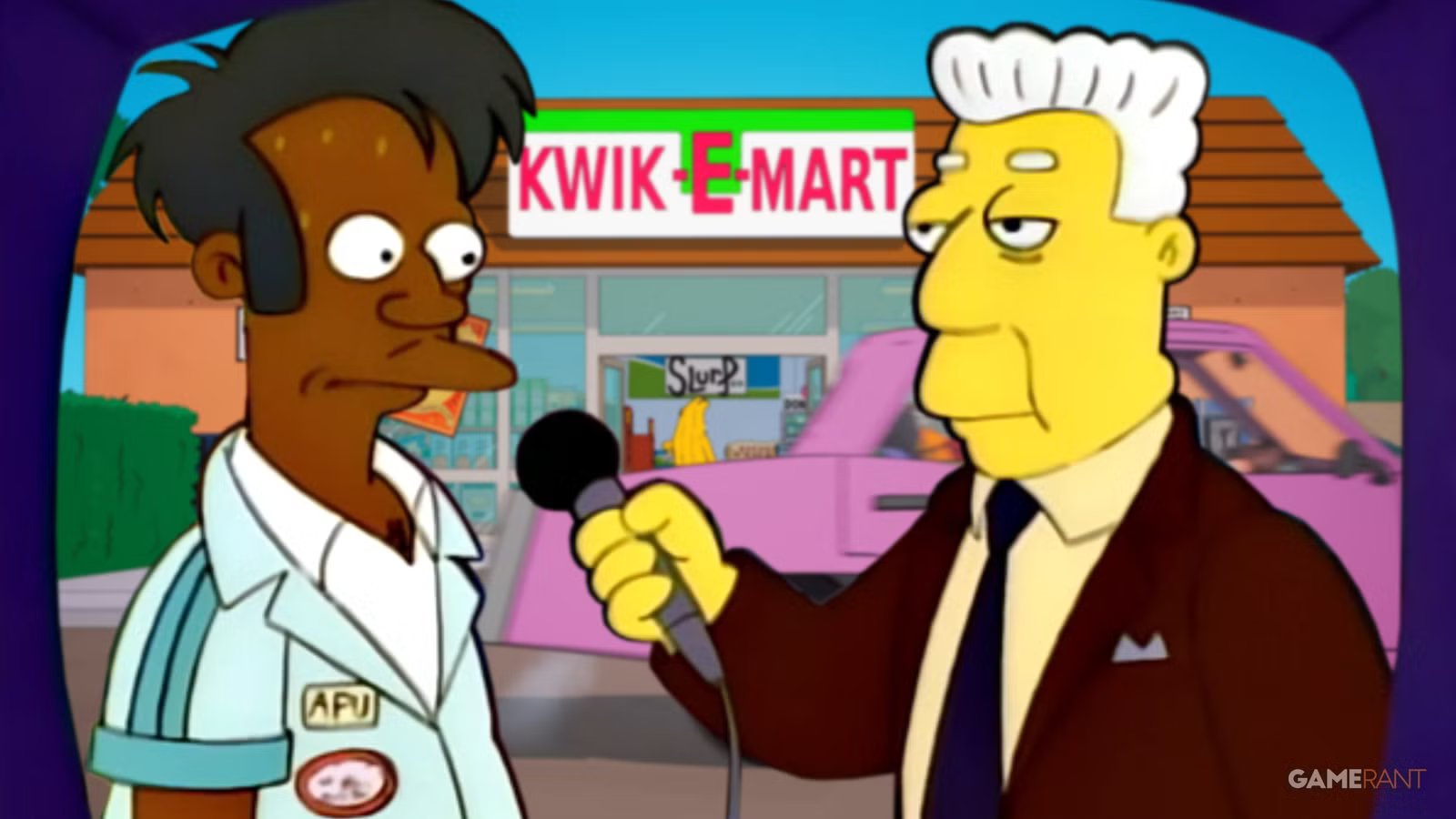
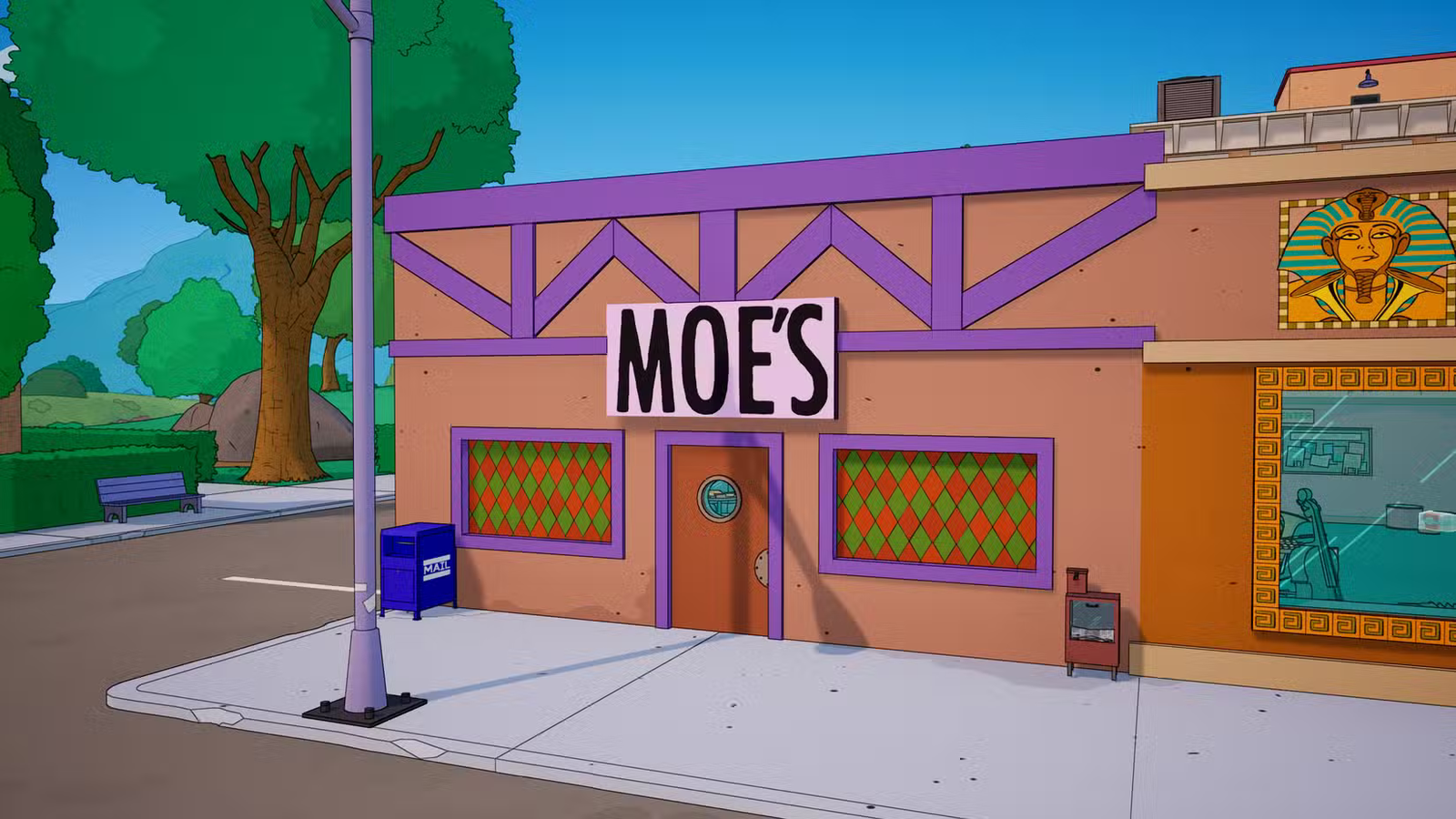
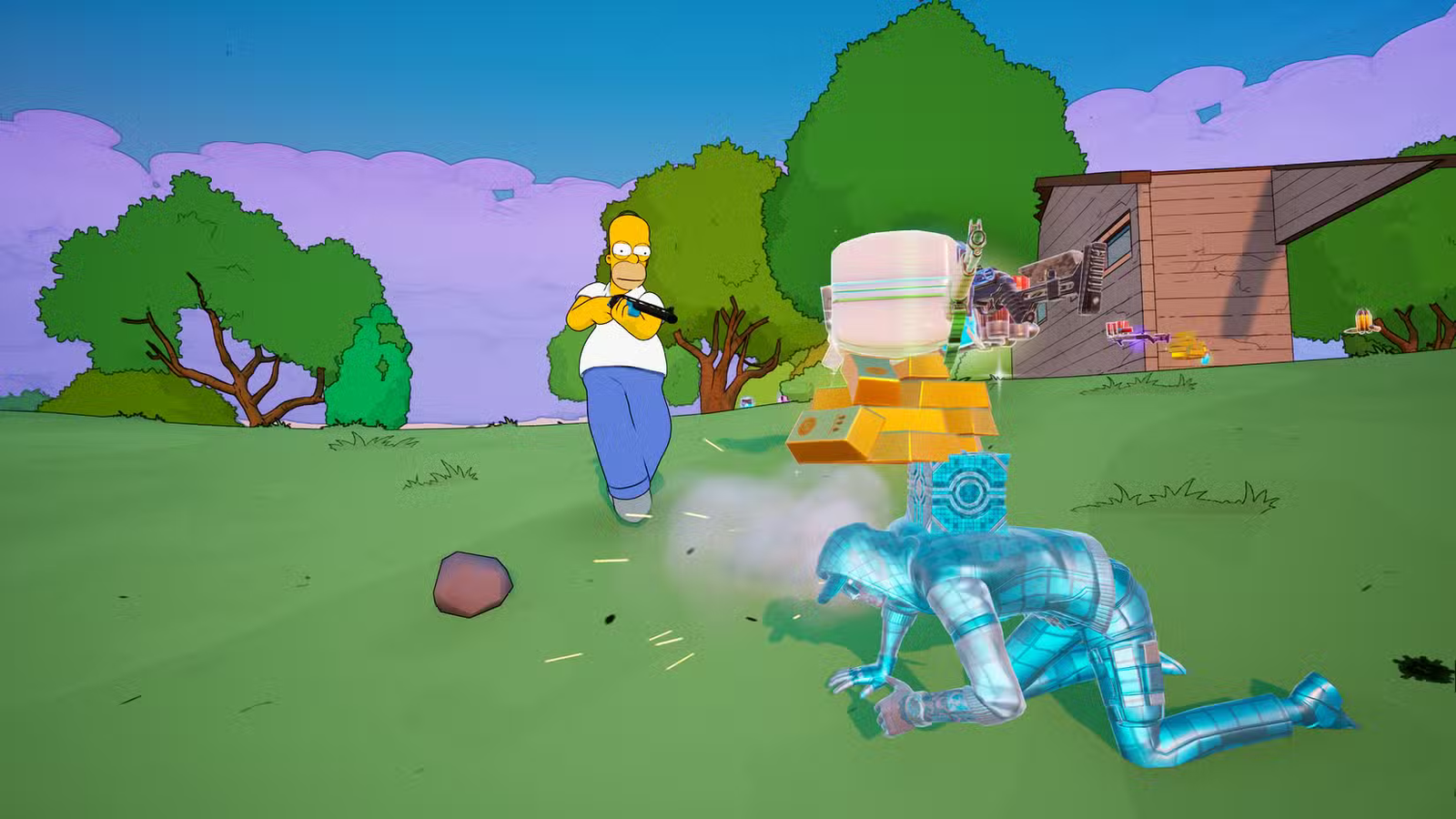
For anyone wondering, here’s the catch: “Fortnite,” known for its massive collaborations, brought “The Simpsons” into its virtual world. This meant Springfield-themed locations, character skins, and cosmetic items. Imagine running around as Homer Simpson, blasting opponents! One of the key locations was Moe’s Tavern, a beloved spot from the show. Inside, a photograph referencing the “Homer’s Barbershop Quartet” episode was included. However, players quickly noticed that Apu’s skin tone in the photograph was significantly lighter than his usual depiction. This led to accusations of “whitewashing,” which, let’s be honest, is a serious issue when it comes to representing diverse characters respectfully. The “Simpsons” collaboration and the Apu controversy highlights how even small details matter in maintaining authenticity.
Why does this matter today? Well, in an era where representation and diversity are increasingly important, inaccuracies like this can be seen as insensitive and disrespectful. It raises questions about the level of care and attention given to accurately portraying characters from different cultural backgrounds. In a global game like “Fortnite,” where players from all over the world participate, such details become even more critical. It’s not just about getting the colors right; it’s about understanding the cultural significance of characters and their representations.
Key Benefits and Advantages of Accurate Representation
You might be thinking, “It’s just a game, why does it matter so much?” But here’s the thing: accurate representation in media, including games, has several key benefits. First, it fosters inclusivity. When characters are portrayed accurately, it makes players from diverse backgrounds feel seen and valued. It sends a message that their culture and identity matter. Second, it promotes understanding. Accurate portrayals can help educate players about different cultures and perspectives, breaking down stereotypes and fostering empathy. Finally, it enhances the overall experience. When details are right, it adds to the immersion and enjoyment of the game.
Consider this: a young player of South Asian descent logs into “Fortnite” and sees Apu, a character they’ve grown up with, accurately represented. That player feels a sense of pride and connection. On the flip side, if Apu is depicted inaccurately, it can feel like a slap in the face, reinforcing negative stereotypes or suggesting that their culture isn’t valued. The impact, believe it or not, is real. It’s about creating a positive and respectful environment for all players. This is why the accurate representation of cultural elements is so important, just as Toyota’s new V8 is more than just supercar dreams; it’s about technological advancement.
Implementation Strategies: Correcting and Preventing Errors
So, how can game developers ensure accurate representation in their collaborations? It’s not rocket science, but it requires a deliberate and thoughtful approach.
Step-by-Step Approach
- Cultural Consultation: Engage with cultural consultants who can provide guidance on accurately portraying characters and cultural elements.
- Detailed Research: Conduct thorough research on the character’s background, ethnicity, and cultural context. Don’t rely on stereotypes or assumptions.
- Internal Review: Implement a rigorous internal review process where diverse team members can provide feedback on character designs and portrayals.
- Community Feedback: Actively solicit feedback from the community, especially from players who share the character’s cultural background.
- Rapid Response: Have a plan in place to quickly address and correct any inaccuracies that are identified.
Best Practices
- Avoid Stereotypes: Be mindful of avoiding stereotypes and caricatures that can perpetuate harmful representations.
- Respect Cultural Nuances: Pay attention to cultural nuances and sensitivities. What might be acceptable in one culture could be offensive in another.
- Use Authentic Sources: Rely on authentic sources and materials when depicting cultural elements.
- Be Open to Criticism: Be open to criticism and willing to make changes when necessary.
Epic Games, to their credit, acknowledged the error and promised a fix. This rapid response is crucial. However, the incident highlights the need for a more proactive approach to prevent such errors from happening in the first place. Imagine if they had consulted with a cultural expert beforehand – this whole issue could have been avoided. It’s a lesson for all game developers: take the time to get it right.
Common Challenges and Solutions
Let’s be honest, implementing these strategies isn’t always easy. Game developers face several challenges when it comes to accurate representation.
- Lack of Resources: Smaller studios may lack the resources to hire cultural consultants or conduct extensive research.
- Solution: Partner with community organizations or universities that can provide pro bono expertise.
- Time Constraints: Tight deadlines can make it difficult to prioritize cultural accuracy.
- Solution: Allocate sufficient time for research and review in the project timeline.
- Unintentional Bias: Developers may unintentionally introduce bias into their portrayals.
- Solution: Implement diversity and inclusion training for all team members.
- Conflicting Feedback: Different players may have conflicting opinions on what constitutes accurate representation.
- Solution: Strive for authenticity and respect, but recognize that it’s impossible to please everyone.
Overcoming these challenges requires a commitment to continuous learning and improvement. It’s about creating a culture within the development team that values diversity and inclusivity. And, honestly, it’s just the right thing to do. Addressing the concerns surrounding the “Simpsons” Apu representation in “Fortnite” also showcases the importance of community engagement and responsiveness in game development.
Real-Life Applications and Examples
This isn’t just theoretical stuff. There are real-life examples of games that have successfully incorporated accurate representation, and those that haven’t. “Apex Legends,” for example, has been praised for its diverse cast of characters and their authentic backstories. Each character’s cultural background is woven into their abilities and dialogue, creating a rich and immersive experience. On the other hand, there have been instances where games have faced criticism for cultural appropriation or insensitive portrayals. These examples serve as valuable learning opportunities for the industry.
Think about it: when a game gets representation right, it resonates with players on a deeper level. It creates a sense of connection and belonging. It also opens up new markets and opportunities. Games that embrace diversity are more likely to appeal to a wider audience. It’s not just about avoiding controversy; it’s about creating a better product. It seems that many are looking for this type of genuine content, as evidenced by the anticipation for Kill Bill: The Whole Bloody Affair’s return.
Future Outlook and Trends
Looking ahead, the trend towards greater diversity and inclusion in gaming is only going to accelerate. Players are demanding more authentic and respectful representations of their cultures and identities. Game developers who prioritize these values will be the ones who succeed in the long run. We’re already seeing emerging opportunities in the form of new characters, storylines, and game mechanics that celebrate diversity. The future of gaming is inclusive, and that’s actually quite exciting.
In the future, expect to see more collaborations between game developers and cultural organizations. These partnerships will help ensure that cultural elements are portrayed accurately and respectfully. We may also see the rise of AI-powered tools that can assist developers in identifying and correcting potential inaccuracies. The key is to embrace these changes and adapt to the evolving expectations of players. The ongoing evolution of Lexus performance suggests that other industries are also prioritizing innovation and meeting consumer expectations.
Conclusion: Key Takeaways and Next Steps
The “Simpsons” Apu controversy in “Fortnite” serves as a valuable reminder of the importance of accurate representation in gaming. While it was a misstep, the quick response from Epic Games shows that they are listening to the community and are committed to doing better. The key takeaways are:
- Accurate representation fosters inclusivity and promotes understanding.
- Game developers should prioritize cultural consultation and detailed research.
- A rapid response plan is essential for addressing inaccuracies.
- The future of gaming is inclusive and diverse.
So, what are the next steps? For game developers, it’s about implementing the strategies and best practices outlined in this article. For players, it’s about continuing to voice your expectations for accurate representation and holding developers accountable. For everyone, it’s about engaging in constructive conversations and promoting a more inclusive gaming community. What do you think – are we moving in the right direction?