Aging Immunity: Spotting Clues & Boosting Defenses
Feeling healthy doesn’t always mean your immune system is at its peak. Recent studies suggest that immune system aging can occur even when you feel fit, potentially increasing susceptibility to infections and immune-related issues. Recognizing the signs and taking proactive steps is crucial for maintaining robust health as we age.

Chris Rhodes, Ph.D., a nutritional biochemist and longevity expert, explains, “Immune aging, like all aging, means that our immune systems start to slow down, make more mistakes and be less effective at protecting us from infection as we get older.” This decline can impact the immune system’s vital functions, such as fighting infections, eliminating cancerous cells, and facilitating wound healing. Paying attention to subtle clues can help you proactively address immune system aging.
Recognizing the Everyday Clues of Immune System Aging
While some signs might be obvious, others are more subtle. Here are some potential indicators that your immune system is aging:
- Increased Frequency of Infections: Are you catching colds or the flu more often than you used to? This could indicate a weakened immune response.
- Slower Wound Healing: Cuts and scrapes taking longer to heal than in the past might suggest a decline in immune cell function.
- Persistent Fatigue: Unexplained and persistent fatigue can sometimes be linked to an aging immune system struggling to keep up with daily demands.
- Increased Allergic Reactions: New or worsening allergies can be a sign of immune dysregulation related to age.
- Gut Health Issues: The gut microbiome plays a crucial role in immunity. Frequent digestive issues might signal an imbalance affecting immune function. Consider exploring how lifestyle changes can impact gut health.
Strategies to Fight Back Against Immune System Aging
Fortunately, there are several steps you can take to support and potentially slow down immune system aging:
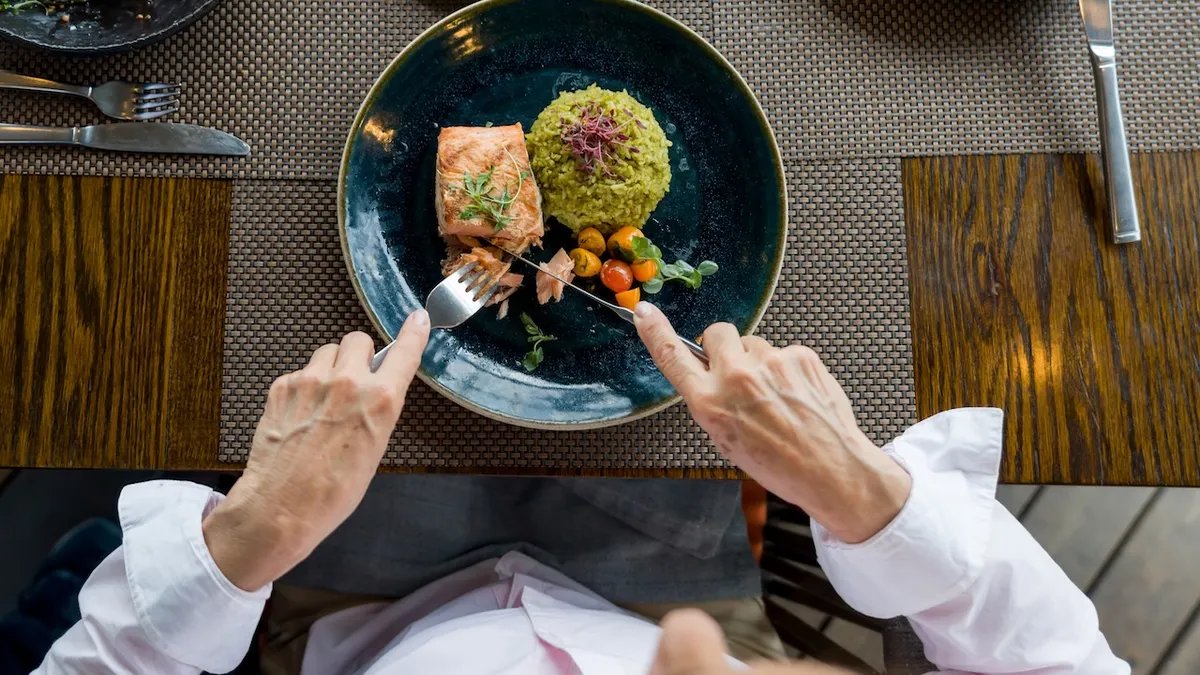
- Prioritize a Healthy Diet: Focus on nutrient-rich foods, including fruits, vegetables, and lean protein. Ensure adequate intake of vitamins and minerals essential for immune function. You may also want to research the role of specific nutrients in overall health.
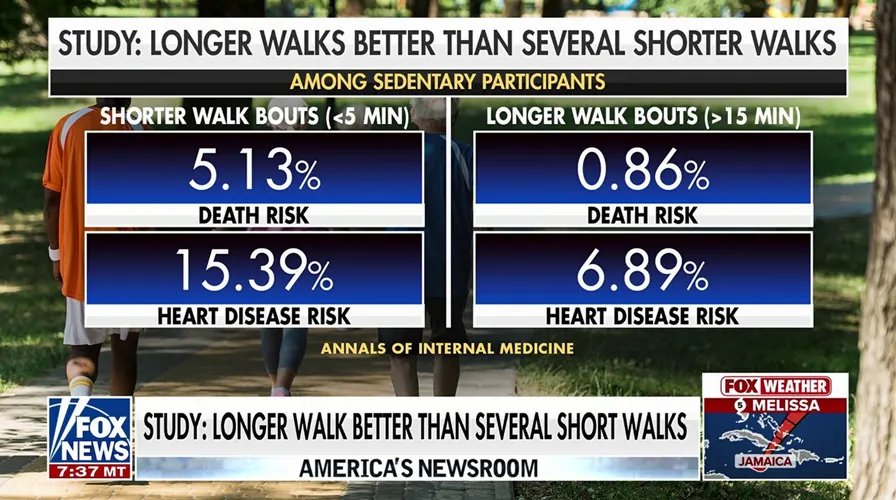
- Engage in Regular Exercise: Moderate physical activity can help boost immune cell activity and reduce inflammation. Even a brisk walk can make a difference.
- Manage Stress Levels: Chronic stress can suppress immune function. Practice stress-reducing techniques like meditation or yoga.
- Get Enough Sleep: Aim for 7-9 hours of quality sleep each night. Sleep deprivation can weaken the immune system.
- Consider Supplementation: Certain supplements, such as vitamin D and zinc, may support immune function. Consult with a healthcare professional before starting any new supplement regimen.
- Stay Up-to-Date on Vaccinations: Vaccinations help protect against preventable infections, reducing the burden on your immune system.

Taking proactive steps to support your immune system can have a significant impact on your overall health and well-being as you age. Don’t ignore the subtle clues your body might be giving you. By adopting healthy habits and consulting with healthcare professionals, you can help maintain a strong and resilient immune system for years to come. It’s also important to consider the impact of global events; for example, trade relations such as the US-China trade talks can indirectly affect healthcare resources and access.
The Role of Lifestyle in Immune Health
Our daily habits significantly influence our immune function. Making conscious choices about diet, exercise, and stress management can profoundly impact immune system aging. Prioritizing these areas can help bolster your defenses against illness. Understanding the importance of stress management, especially in the context of current events, such as protest-related stress, is also crucial.
Furthermore, staying informed about health-related news and research can empower you to make informed decisions about your well-being. From advancements in medical treatments to evolving understandings of nutrition, continuous learning is key to maintaining optimal health. Even seemingly unrelated news, such as updates on criminal justice issues, can indirectly affect community health and well-being, highlighting the interconnectedness of various societal factors.
Seeking Professional Guidance
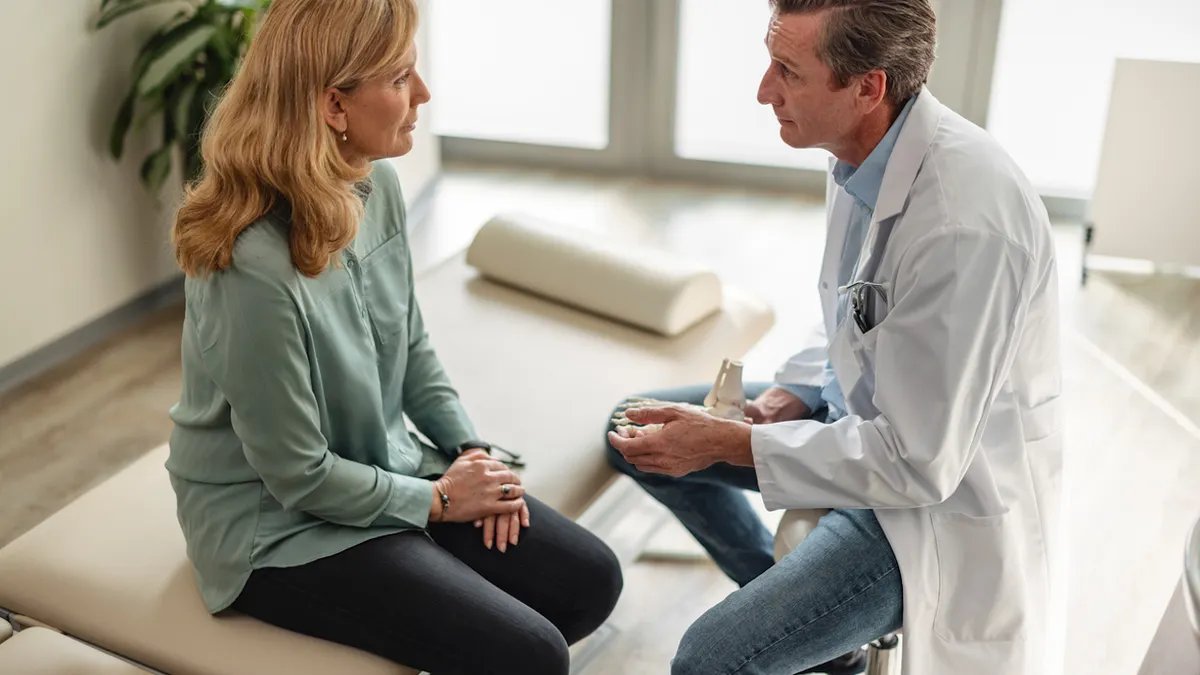
If you suspect your immune system is aging, consulting with a healthcare professional is essential. They can assess your individual risk factors, conduct necessary tests, and provide personalized recommendations. Early intervention can help you proactively address any potential issues and maintain a healthy immune system. In light of ongoing discussions around justice, as seen in the Illinois deputy case, ensuring equitable access to healthcare is paramount.
Taking care of your immune system is a continuous journey, not a destination. By paying attention to your body’s signals, adopting healthy habits, and seeking professional guidance when needed, you can empower yourself to maintain a strong and resilient immune system as you age. Consider also that unforeseen circumstances, like a professional athlete facing pressure, can highlight the importance of mental and physical resilience, both of which are connected to immune health.
Frequently Asked Questions (FAQ)
Important Notice
This content is regularly updated to ensure accuracy and relevance for our readers. If you have any questions, feel free to contact us.
Content Quality: This article has been carefully researched and written to provide valuable insights and practical information. Our team works hard to maintain high standards.