
Iran Launches Unprecedented Long-Range Missile Strike Toward Diego Garcia; US Forces Confirm Interception

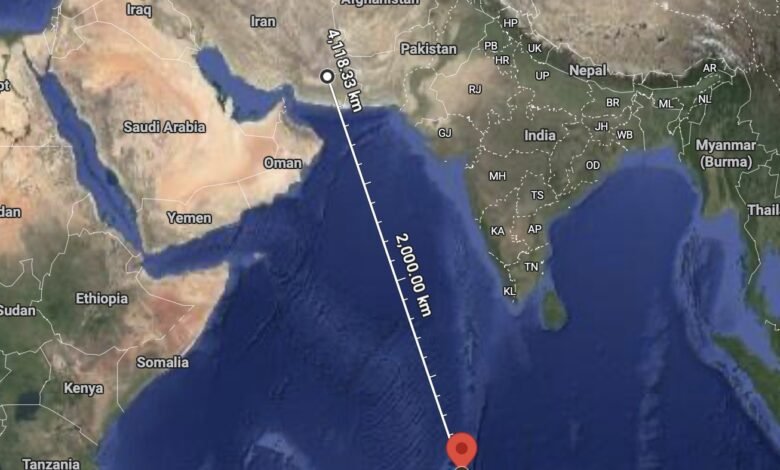
The global security landscape shifted this morning following reports that Iranian ballistic missiles were fired toward one of the United States’ most secretive and strategic overseas military installations. The Wall Street Journal first reported the incident, citing senior defense officials who confirmed that the missiles were neutralized before reaching their target. This marks the first direct attempt on Diego Garcia since the current regional conflict began, signaling a bold new phase in Tehran’s military strategy.
A Leap in Missile Technology and Range
The most alarming aspect of this failed strike is the distance covered. Diego Garcia is located approximately 4,000 kilometers from the nearest Iranian coastline. Until today, most military intelligence assessments estimated the maximum effective range of Iranian ballistic missiles to be around 2,000 to 2,500 kilometers. The fact that these projectiles were on a direct trajectory for the base suggests that Tehran has secretly developed or acquired propulsion technology that nearly doubles its previously known strike radius.
| Missile Capability | Previous Assessment | New Observed Reality (2026) |
|---|---|---|
| Maximum Range | ~2,500 KM (Khorramshahr-4) | 4,000+ KM (Unidentified Variant) |
| Target Reach | Regional (Middle East) | Intercontinental (Indian Ocean/Southern Europe) |
| Payload Potential | Conventional/Nuclear Capable | High-Precision Guidance at Range |
Strategic Impact on Diego Garcia
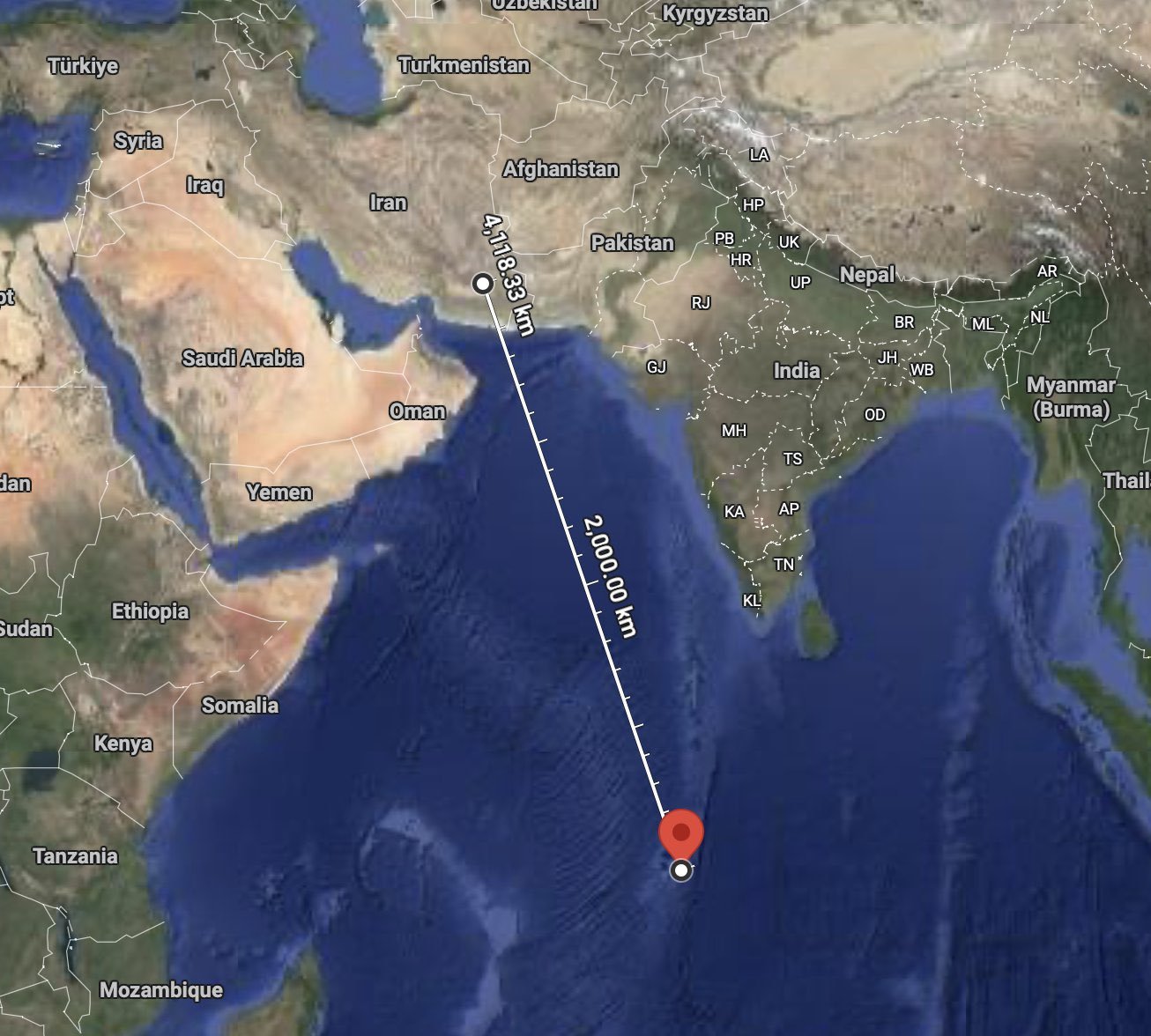
Diego Garcia serves as a vital hub for US long-range bombers and naval operations in the Indo-Pacific and Middle Eastern theaters. Attacking this location is seen as an attempt to disrupt the primary logistics and refueling artery for Western forces. Defense experts suggest that the interception was likely carried out by advanced Aegis-equipped naval vessels or shore-based THAAD systems stationed within the region.
Breaking Angle
US Central Command has reportedly raised the alert level for all Indian Ocean assets to DEFCON 3 following the interception.
Analysis
This strike suggests Iran may have utilized new solid-fuel boosters that allow for rapid deployment and extended flight times.
Exclusive
Sources indicate the missiles were launched from a mobile platform in southeastern Iran to maximize flight distance.
Global Reaction and Escalation Concerns
The international community has reacted with a mix of shock and condemnation. The shift in Iranian capabilities forces a total re-evaluation of missile defense posture across three continents. Diplomatic channels are reportedly working at high speed to prevent a direct retaliatory strike on Iranian soil, which could ignite a full-scale intercontinental conflict.
Estimated flight path of the intercepted missiles.
Timeline of Recent Missile Developments
- Iran targets Diego Garcia for the first time in history.
- Tehran unveils “extended range” drone technology in regional drills.
- Defense intelligence warns of Iranian breakthroughs in solid-fuel propulsion.
- Previous missile range records were capped at 2,000 KM.
As the situation develops, the focus remains on how the United States and its allies will respond to this breach of previous military assumptions. The “Red Line” regarding long-range strikes has been crossed, and the security of the Indian Ocean is no longer guaranteed by distance alone.
