JPMorgan’s Dimon: Trump Ballroom Donation Concerns
Everything You Need to Know About JPMorgan Boss Explains Why Bank Isn’t Donating To Trump Ballroom: ‘We Have An Issue, OK?’

JPMorgan’s Dimon: Trump Ballroom Donation Concerns
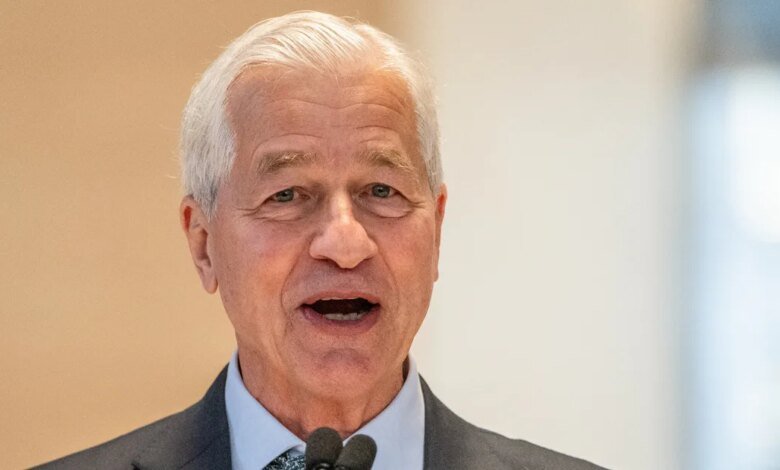
Jamie Dimon, CEO of JPMorgan Chase, recently addressed the bank’s decision not to contribute to the construction of President Trump’s new White House ballroom. His explanation highlights the delicate balance corporations must strike when engaging with governments, particularly concerning potential conflicts of interest.

While other major companies like Amazon, Apple, and Google have reportedly contributed to the project, JPMorgan Chase has remained notably absent. Dimon clarified the bank’s stance in an interview, emphasizing the potential for misinterpretation given JPMorgan’s extensive government contracts both domestically and internationally.
“We have an issue, OK?” Dimon stated, acknowledging the sensitivity surrounding any actions that could be perceived as attempting to “buy favors.” He further emphasized the need for vigilance, considering how future administrations and the Department of Justice might view such contributions.
Navigating the Complexities of Corporate Donations
Dimon elaborated that JPMorgan Chase maintains policies designed to mitigate the risk of perceived impropriety. While the bank has historically supported presidential inaugurations, Dimon argued that the Trump Ballroom donation presents a different scenario due to the potential for negative optics. This decision reflects a growing awareness among corporations of the scrutiny they face regarding political contributions. The situation is different, given the optics, he added.
The bank’s past support for presidential inaugurations, including a $1 million donation to Trump’s second-term inauguration fund, contrasts with its decision not to donate to President Biden’s inauguration in 2021. This inconsistency further highlights the nuanced considerations driving JPMorgan’s donation policies.
Ethical Considerations and Corporate Responsibility
JPMorgan’s decision raises broader questions about the ethical responsibilities of corporations in the political arena. Companies must carefully weigh the potential benefits of political engagement against the risks of damaging their reputation or creating conflicts of interest. Dimon’s comments suggest that JPMorgan Chase prioritizes maintaining its integrity and avoiding any appearance of undue influence.
This situation also brings to mind other instances where corporate actions have come under scrutiny, such as Trump’s tariff claims and their economic impact, or even controversies in sports, as seen with Parsons’ questions regarding Luvu’s NFL fine. The need for transparency and ethical behavior is paramount across all sectors.
The Impact on Political Engagement
The decision by JPMorgan Chase not to donate to the Trump Ballroom may influence other corporations’ approach to political engagement. By prioritizing ethical considerations and avoiding potential conflicts of interest, JPMorgan is setting a precedent for responsible corporate citizenship. It remains to be seen whether other companies will follow suit, but Dimon’s explanation underscores the growing importance of transparency and accountability in the corporate world. This careful approach is similar to how sports teams manage trades to avoid risk, much like the Jets’ trade decisions.
Just as teams celebrate victories, such as the Dodgers’ World Series triumph, companies must also navigate ethical challenges. Decisions like this one by JPMorgan underscore the complexities of corporate responsibility and political engagement, highlighting the need for careful consideration and transparency. In a similar vein to how Binnington’s puck mishap caused ripples, this decision may have significant implications.
The need to avoid missteps is paramount. Just as the Browns’ QB choice sparked debate, JPMorgan’s decision is sure to ignite discussions. Furthermore, much like Lamar Jackson’s return brought renewed hope, ethical corporate decisions bring renewed trust. The ongoing research into pancreatic cancer breakthroughs also highlights the importance of ethical research, just as JPMorgan prioritizes ethical donations.
Conclusion
Jamie Dimon’s explanation of JPMorgan Chase’s decision not to donate to the Trump Ballroom underscores the complex ethical considerations facing corporations when engaging with governments. By prioritizing transparency and avoiding potential conflicts of interest, JPMorgan is setting a standard for responsible corporate citizenship.
Frequently Asked Questions (FAQ)
This article provides comprehensive information about JPMorgan’s decision not to donate to the Trump Ballroom project and related aspects.
Additional information and resources are available through the internal links provided throughout the article.
This article contains up-to-date information relevant to current trends and developments in the discussion of corporate donations and ethical considerations.
This article is designed for readers seeking comprehensive understanding of the topic, from beginners to advanced learners, as well as those interested in JPMorgan, Jamie Dimon, and corporate ethics.
Important Notice
This content is regularly updated to ensure accuracy and relevance for our readers.
Content Quality: This article has been carefully researched and written to provide valuable insights and practical information.