The evening news flickered across countless American living rooms, casting a somber glow on faces etched with a familiar mixture of apprehension and disbelief. Another headline, another flashpoint, another wave of violence from a region that often feels both distant and deeply intertwined with American identity. The recent deadly US-Israel strikes have undeniably sent ripples of shock through communities from coast to coast, prompting an urgent and often emotional reckoning. People are glued to their screens, scrolling through updates, trying to piece together the grim realities unfolding thousands of miles away. “It’s just heartbreaking, isn’t it?” murmured Sarah, a mother of two in Ohio, clutching her remote tighter. “You see the images, read the stories, and you just feel this profound sadness for everyone caught in the middle.” This isn’t just about geopolitics; it’s about human lives, about the profound moral questions these events raise, and how they challenge America’s self-perception on the global stage. Indeed, Americans express shock and hope in equal measure, navigating a complex emotional landscape where grief for the victims collides with a desperate yearning for a resolution, a peaceful tomorrow. This duality defines the national mood right now, as citizens grapple with the implications for international relations, humanitarian concerns, and the very soul of their nation’s foreign policy.
The air in many homes feels heavier, discussions at dinner tables more intense, and the collective sigh of a nation watching a complex and devastating conflict unfold is palpable. It’s a moment of profound introspection for many Americans, prompting questions not just about the immediate violence, but about the long-term trajectory of US engagement in the Middle East and its relationship with key allies. There’s a tangible sense of unease, a feeling that the world stage is becoming increasingly volatile, and that the echoes of distant battles are resonating closer to home than ever before. This latest chapter in a long-standing conflict has certainly stirred a pot of mixed emotions, from outright condemnation to staunch defense, but beneath it all, a shared human concern for peace and stability seems to persist, even if the pathways to achieving it remain fiercely debated.
The Immediate Aftermath: A Wave of Disbelief and Grief
When news of the strikes first broke, it hit many like a punch to the gut. The scale of the loss, the swiftness of the events – it left a profound mark. Social media lit up, not just with political commentary, but with raw, unfiltered human emotion. People shared articles, expressed condolences, and sought explanations for what felt like an escalating crisis. “I woke up to my phone buzzing with alerts, and my heart just sank,” recounted Michael, a university student in California. “Another round of violence, more innocent lives lost. It’s truly devastating to witness.” This initial wave of disbelief quickly morphed into grief for the victims, a universal human reaction irrespective of political leanings. The human cost, graphically depicted in news reports, cut through the political rhetoric, reminding everyone of the terrible toll of conflict.
The images of destruction, the stories of families torn apart, these are not just headlines; they are potent reminders of the fragility of peace. I personally felt a knot in my stomach watching the reports unfold, thinking about the families on both sides who are suffering. It’s hard not to feel a sense of helplessness, but also a deep urge to understand, to push for something better. This sense of shared humanity, even in the face of such profound divisions, is perhaps one of the most striking aspects of the American reaction. It’s a collective mourning for a peace that seems perpetually out of reach, and a collective questioning of the strategies that lead to such devastating outcomes.
Diverse Reactions: A Kaleidoscope of Opinions and Protests
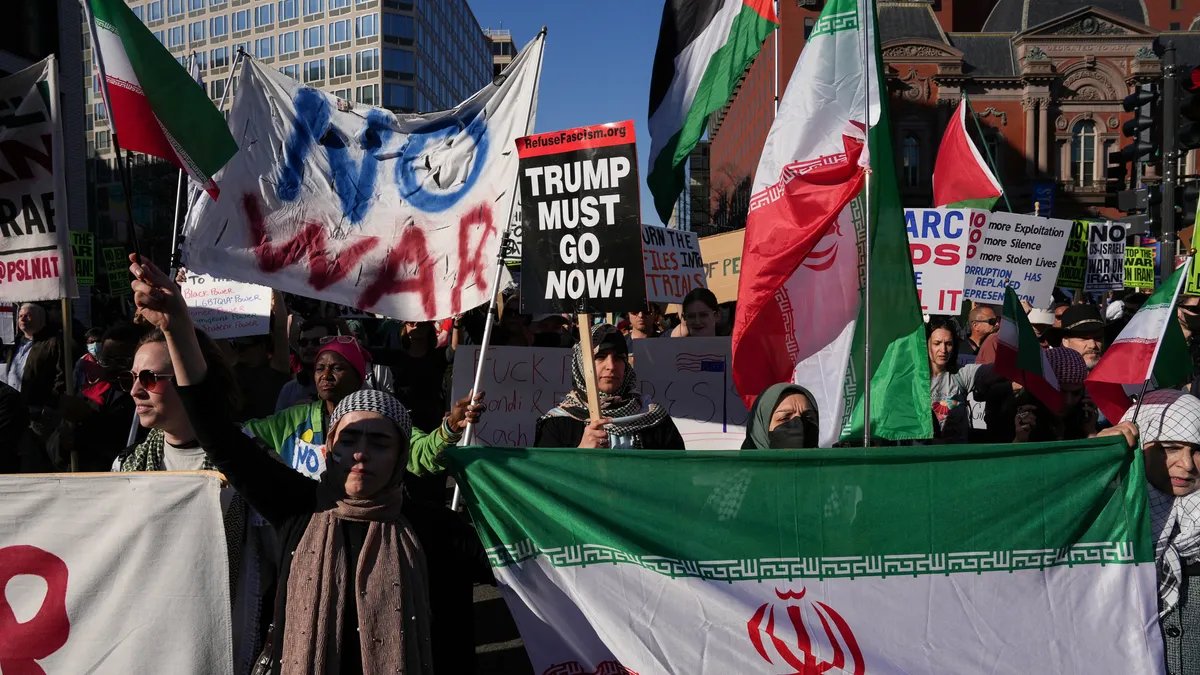
Beyond the initial shock and sadness, the American public’s reaction quickly diversified, reflecting the nation’s complex political landscape and deeply held beliefs. On one hand, there were strong condemnations of the strikes, with calls for immediate de-escalation and humanitarian aid. Protests erupted in major cities, with activists demanding a reassessment of US foreign policy in the region. “We need to stop being complicit in this violence,” asserted a passionate protester named Aisha at a rally in New York City, her voice hoarse from chanting. “Our tax dollars shouldn’t be funding this destruction. We demand peace, not war.” These voices often highlighted the immense suffering of civilians and questioned the long-term effectiveness of military solutions.
The Call for Accountability and Change
Many Americans express shock and hope not just at the immediate events, but at the broader implications for US foreign policy. There’s a palpable frustration among some segments of the population who feel that their government is not doing enough to prevent civilian casualties or to actively pursue a lasting peace. They point to the humanitarian crisis exacerbated by such conflicts and demand greater accountability from all parties involved. A retired history professor from Boston, Dr. Eleanor Vance, commented thoughtfully, “This isn’t just a military action; it’s a moral crossroads for our nation. We have to ask ourselves what kind of legacy we’re building with our international actions.” Her words echo a sentiment shared by many who believe that the US has a responsibility to uphold human rights and foster stability.
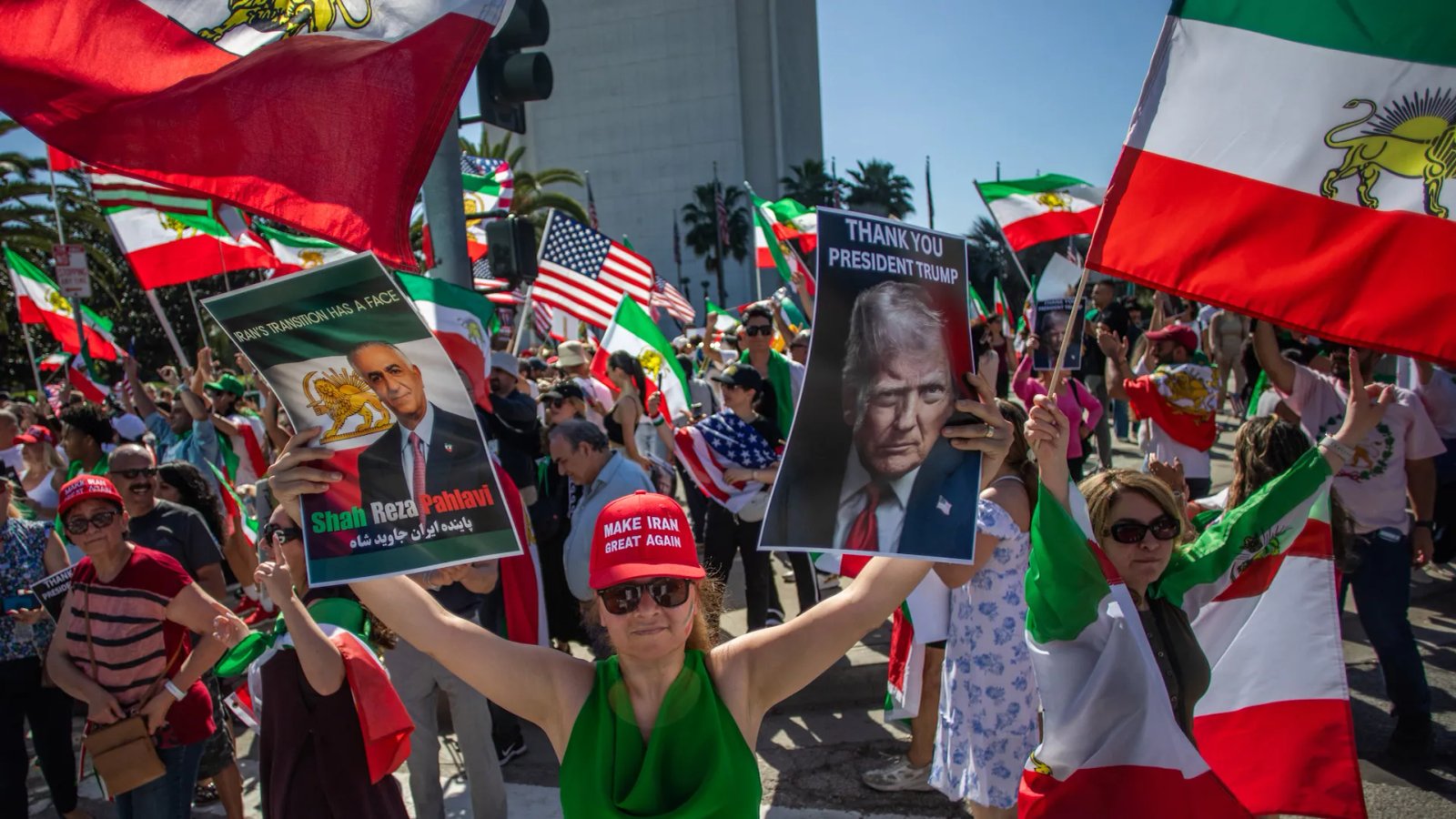
On the other hand, there were expressions of support for the actions taken, often framed in terms of national security and the right of allies to defend themselves. These perspectives emphasized the complexities of the conflict, the threats faced by Israel, and the strategic importance of the US-Israel alliance. “It’s a tough situation, no doubt, but you have to protect your interests and your allies,” stated David, a veteran living in Texas, during a local radio call-in show. “We can’t just stand by when our friends are under attack.” This viewpoint often stresses the geopolitical realities and the need for strong defensive measures in a volatile region. The debate is robust, often passionate, and sometimes feels like a chasm separates these two main viewpoints, yet both sides fundamentally express concern for the outcome.
The Lingering Hope: A Search for Solutions and Peace
Amidst the shock and the often-divisive debate, a thread of hope consistently emerges. It’s a hope born from desperation, perhaps, but a hope nonetheless for a different path, a better future. Many Americans, regardless of their stance on the immediate strikes, share a deep desire for a lasting peace in the region. This hope manifests in various forms:
- Calls for Diplomacy: A strong push for renewed diplomatic efforts, negotiation, and mediation. People want to see leaders engage in serious dialogue, not just military action. “We need more talk, less fighting,” remarked an anonymous government official, expressing a private sentiment that resonates widely. “The diplomatic channels need to be working overtime right now.”
- Humanitarian Focus: Increased awareness and support for humanitarian aid organizations working in affected areas. Americans are known for their generosity in times of crisis, and this conflict is no exception, with many looking for ways to contribute to relief efforts.
- Rethinking Foreign Policy: A desire for a fundamental re-evaluation of US foreign policy to prioritize conflict prevention, sustainable peace, and the protection of civilian lives above all else. This isn’t just about this one incident; it’s about the long game.
- Grassroots Activism: The emergence of new advocacy groups and increased engagement from existing ones, pushing for peaceful resolutions and greater understanding between communities.
This longing for peace isn’t naive; it’s often rooted in a pragmatic understanding that military solutions rarely bring lasting stability. It’s a recognition that true security comes from addressing root causes, fostering economic development, and building bridges of understanding, however difficult that may seem.
Personal Stories: The Human Element of Geopolitics
The impact of these strikes isn’t confined to news headlines; it filters down to individual lives, shaping personal narratives and influencing daily conversations. Consider the story of Maria, a Palestinian-American living in Michigan. She spent days glued to her phone, desperately trying to reach relatives in the affected areas. “Every time my phone rings, my heart stops,” she confided, her voice trembling. “It’s not just news to me; it’s my family, my heritage. I feel torn, angry, and just so, so scared for them.” Her experience underscores the deep personal connection many Americans have to the region, making the conflict far more immediate and visceral than for those without direct ties.
Similarly, Jacob, a Jewish-American from Florida, expressed his profound concern for Israel’s security while also lamenting the loss of innocent lives. “I support Israel’s right to defend itself wholeheartedly,” he explained, “but the civilian casualties, they weigh heavily on my conscience. You never want to see that. You pray for a day when peace truly breaks out.” These personal accounts highlight the complex loyalties and deep emotional ties that define the American experience of this conflict, often forcing individuals to hold seemingly contradictory feelings simultaneously: support for a homeland or ally, coupled with profound sorrow for the human cost of conflict.
The Role of Media and Information in Shaping Perceptions
In this era of instant information, the way these events are reported and consumed plays a crucial role in shaping public perception. News cycles are relentless, and social media amplifies a multitude of voices, often without the necessary context or nuance. This can lead to rapid shifts in public opinion, but also to confusion and misinformation. It’s a challenge for individuals to discern reliable information from biased narratives, adding another layer of complexity to an already fraught situation. “I try to read from different sources, but it’s overwhelming,” admitted a college student, perplexed by the sheer volume of conflicting reports. “You just want to know what’s really happening, what the truth is.”
The struggle to find a clear narrative is a common thread. One moment, a report focuses on the justification for the strikes; the next, it’s about the devastating humanitarian toll. This constant oscillation can leave people feeling bewildered and frustrated, fueling both cynicism and a deeper yearning for clarity and honest leadership. It emphasizes the critical need for thoughtful, balanced reporting and for individuals to engage critically with the information they consume.
Looking Ahead: The Path Forward and Lingering Questions
As the dust settles from the immediate shock, the conversation inevitably shifts to what comes next. What are the long-term implications for regional stability? How will these events reshape US foreign policy? And perhaps most importantly, how can a lasting peace be achieved? These are not easy questions, and there are no simple answers. The road ahead is undoubtedly fraught with challenges, but the widespread public reaction in America – the shared grief, the passionate debate, and the persistent hope – suggests that a significant portion of the population is ready and willing to engage with these difficult questions. They want to see a tangible commitment to de-escalation, to diplomacy, and to a future where such deadly strikes become a relic of the past.
The dual emotions of shock and hope that currently define the American response are not contradictory; they are two sides of the same coin. The shock stems from the painful reality of conflict, while the hope is a testament to the enduring human belief in progress, in the possibility of reconciliation, and in the power of collective action to steer towards a more peaceful world. It’s a powerful reminder that even in the darkest moments, the desire for a better future remains a guiding light, urging individuals and nations alike to strive for something greater than the cycles of violence.
Frequently Asked Questions
| What is the core sentiment among Americans regarding the US-Israel strikes? | The prevailing sentiment among Americans is a complex mix of shock, grief, concern, and a persistent hope for peace. Many are profoundly saddened by the loss of life and the escalating conflict, while also engaging in robust debates about US foreign policy and humanitarian responsibilities. |
| What are the main benefits of understanding diverse American reactions to these events? | Understanding diverse American reactions helps to grasp the multifaceted nature of public opinion, informs policy discussions, and highlights the varied ethical, strategic, and humanitarian concerns at play. It fosters a more nuanced dialogue about international conflicts and US involvement. |
| How are Americans expressing their shock and hope? | Americans are expressing these emotions through protests, online discussions, personal conversations, donations to humanitarian aid, and calls for diplomatic action. Media consumption, advocacy, and direct communication with elected officials also serve as outlets for their reactions. |
| What challenges does this topic present for the US public? | Challenges include navigating complex geopolitical realities, discerning accurate information amidst conflicting narratives, reconciling differing moral and strategic viewpoints, and coping with feelings of helplessness or frustration regarding the ongoing violence and its humanitarian toll. |
| What is the future outlook for American public opinion on the US-Israel conflict? | The future outlook suggests continued scrutiny of US foreign policy, a sustained push for diplomatic solutions, and ongoing public debate. As events unfold, opinions may shift, but the underlying concern for human lives and regional stability is likely to remain a central theme. |
Important Notice
This FAQ section addresses the most common inquiries regarding the topic.