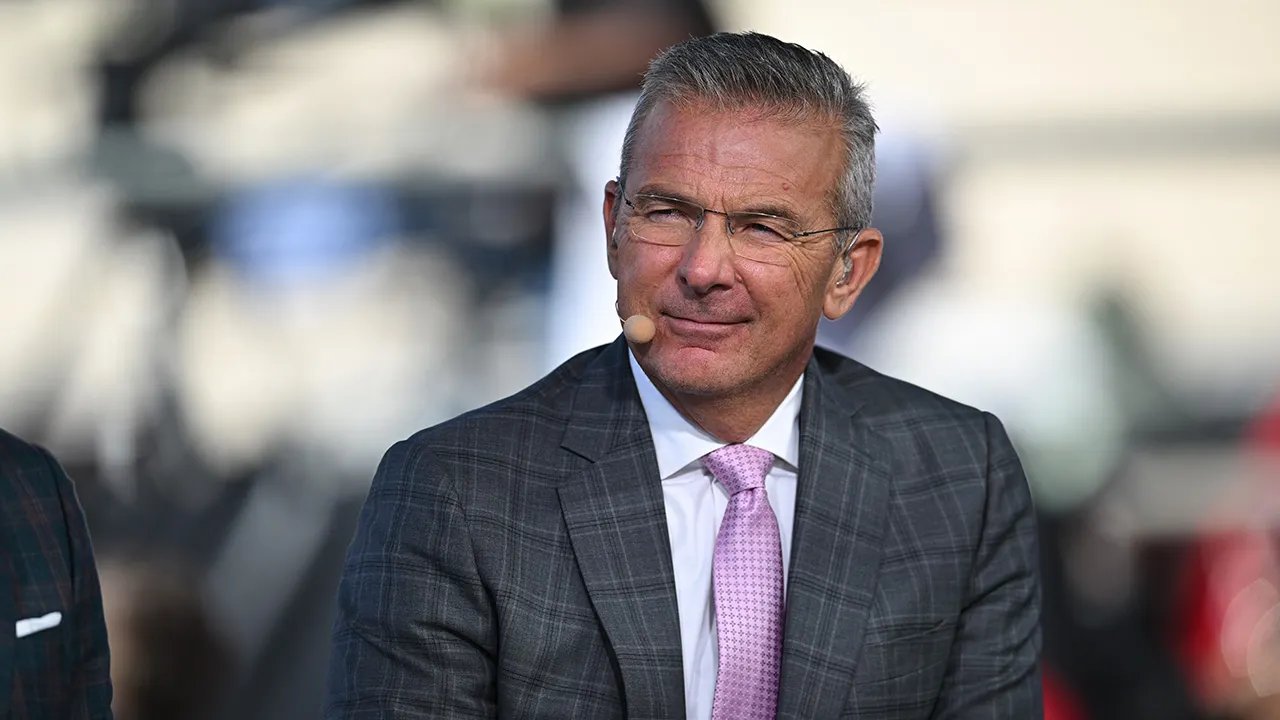
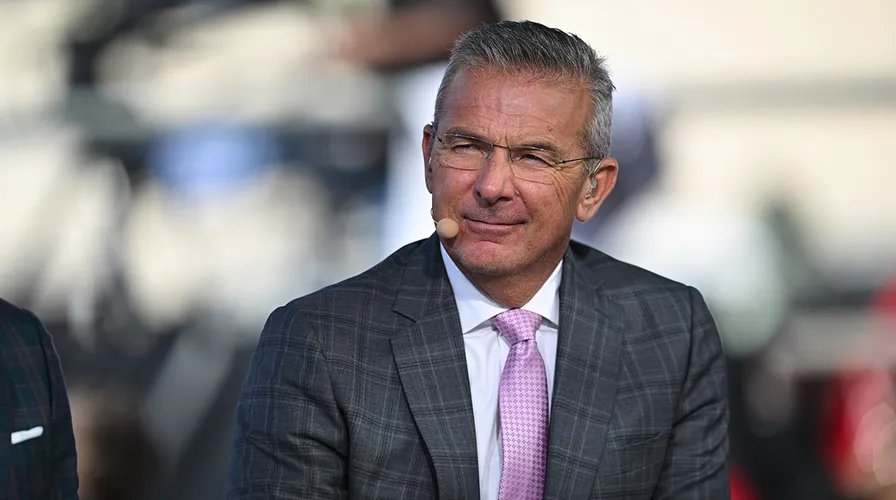
The annual carousel of college football coaching hires never fails to include one name at the top of every fan’s wish list: Urban Meyer. With multiple high-profile programs currently searching for new leadership, the speculation surrounding the three-time national champion coach was predictably intense. However, Meyer, now established as a prominent Fox “Big Noon Kickoff” analyst, has definitively poured cold water on the rumors, clearly stating that he is not planning a return to the sidelines. This declaration comes despite the clear temptation presented by desperate athletic directors seeking a quick return to championship contention, confirming that Urban Meyer Rules Out Coaching Comeback, prioritizing his current lifestyle and health over the relentless demands of the game.
Meyer’s coaching career, characterized by stratospheric success at programs like Florida and Ohio State, ended officially with a tumultuous and brief NFL stint with the Jacksonville Jaguars nearly four years ago. That tenure was marred by controversy and ended abruptly, reinforcing the public narrative that Meyer’s intensely focused, winning-at-all-costs approach might be incompatible with sustained health and personal balance. While his college pedigree is undeniable—he is one of the few coaches to win national titles at two different schools—his current media role seems to offer the perfect blend of proximity to the game without the physical and psychological toll required to lead an elite program.
Why Urban Meyer Rules Out Coaching Comeback Now
The timing of Meyer’s statement is crucial. The college football world is witnessing a particularly volatile coaching cycle. Several prestigious, power-conference jobs have become available, positions that historically would have been perfect targets for a proven winner like Meyer. However, the decision to remain in the media booth is multifaceted, rooted deeply in personal well-being, the changing landscape of college athletics, and the lingering shadow of his recent professional controversies.
Prioritizing Health Over The Sideline Grind
Throughout his career, Meyer has repeatedly cited health concerns, particularly stress-related issues, as primary factors in his previous retirements, first from Florida in 2010 and then from Ohio State in 2018. The intense pressure cooker environment of modern college football—where recruiting is a 365-day operation and the demands of winning require an overwhelming commitment—is notoriously taxing. Now in his sixties, Meyer appears committed to a less stressful lifestyle. He has openly discussed the physical toll that his maniacal dedication to winning inflicted upon him, making the prospect of returning to a profession known for its unforgiving demands a significant personal risk.
Furthermore, the nature of coaching has fundamentally changed since his last successful college tenure. The introduction of Name, Image, and Likeness (NIL) and the transfer portal have completely reshaped the roster management landscape. Coaching now requires not only managing players but also navigating complex financial deals and retaining talent yearly through the portal—an administrative and interpersonal burden that adds layers of stress far beyond traditional game planning.
The Drawbacks of Returning to the College Arena
While the allure of restoring a blue-blood program to glory is strong, the challenges facing any potential returning coach, even one of Meyer’s stature, are formidable. The recent failure of his brief NFL experiment cast a shadow over his reputation, raising questions about his suitability for leading modern, professional organizations. A return to college football would place him immediately under the brightest possible spotlight, where any misstep—be it recruiting infractions, questionable staff hires, or simply losing games—would be magnified exponentially.
Many athletic departments considering a hire of Meyer’s magnitude must weigh the guarantee of immediate competitive improvement against the potential for organizational turmoil. Meyer’s high-demand, intensity-driven style of leadership has historically resulted in burnout and off-field issues for staff and players, a concern that cannot be ignored when evaluating his candidacy for the vacant positions. Even successful leaders must consider their impact on overall team health and culture, a topic that often dominates conversations in college athletics, much like the focus on compliance seen with LSU’s new interim AD.
The Golden Handcuffs of Media Work
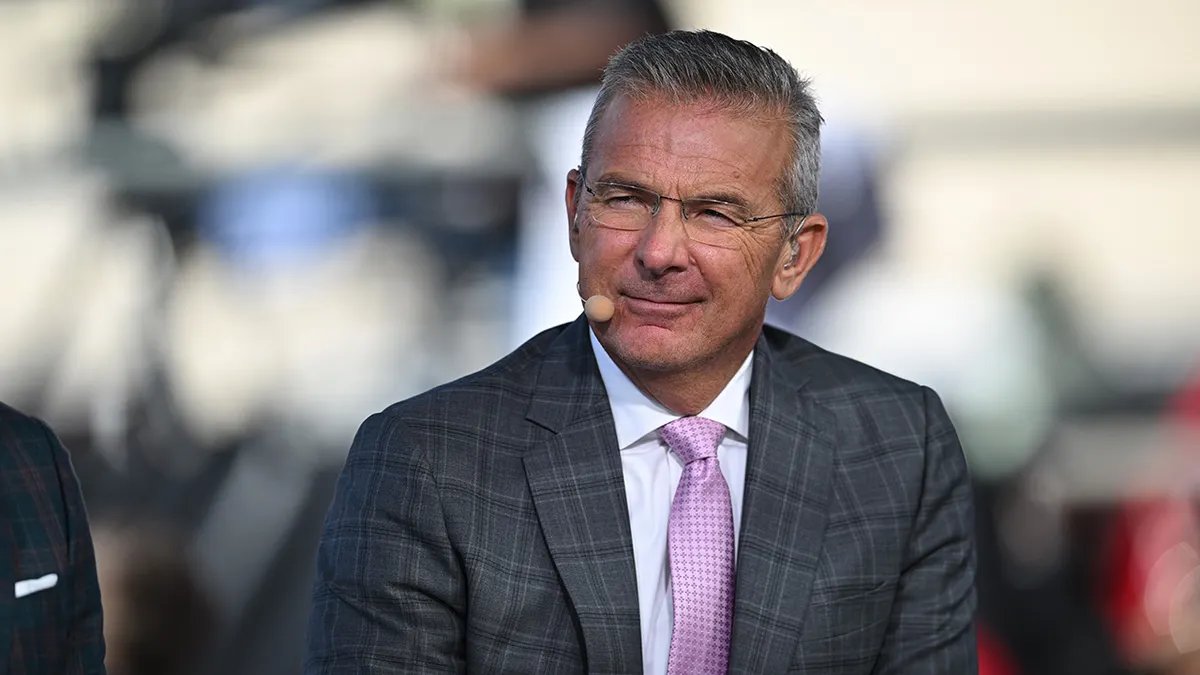
Meyer’s current position as a lead college football analyst for Fox is highly lucrative and offers an exceptional work-life balance compared to coaching. He remains deeply connected to the sport, analyzing the biggest games, offering expert commentary, and enjoying the competitive atmosphere without the crushing weight of responsibility for the outcome. This analyst role provides the recognition and platform commensurate with his coaching legacy, effectively serving as golden handcuffs that make a return to the sidelines financially and personally redundant.
The ability to observe the sport objectively, comment on the complexities of major games, and weigh in on recruiting battles offers Meyer a level of engagement he clearly appreciates. Consequently, when the coaching rumor mill inevitably spins up his name—be it for a top SEC spot or a prestigious Big Ten program—the answer is increasingly consistent: Meyer prefers his current, stable reality. This sentiment aligns with a general trend among successful retired figures who find the public eye appealing but the daily operational stress unsustainable, mirroring the decisions of other prominent media personalities who have opted for a less demanding platform, such as Charlamagne Tha God’s call for a “rebuilding year” in political discourse.
The Shifting Landscape and The Meyer Factor
The enduring interest in Meyer reflects a persistent belief among fans and administrators that a coach with his proven track record is the ultimate quick fix. His career college winning percentage sits among the highest in history, and he is a known entity for securing top-tier talent. Nevertheless, his repeated exits from the profession signal a pattern that suggests the system—particularly the sheer intensity required to maintain championship status—simply consumes him.
In a college football environment where the rules of engagement are rewritten almost yearly (NIL, transfer portal, expanded playoffs), a coach needs not only tactical genius but also exceptional managerial skills to maintain cohesion. The old model of pure intensity and motivation may no longer be sufficient. Modern coaching requires a collaborative approach to fundraising, player management, and public relations—areas where Meyer’s historical methods have sometimes faltered.
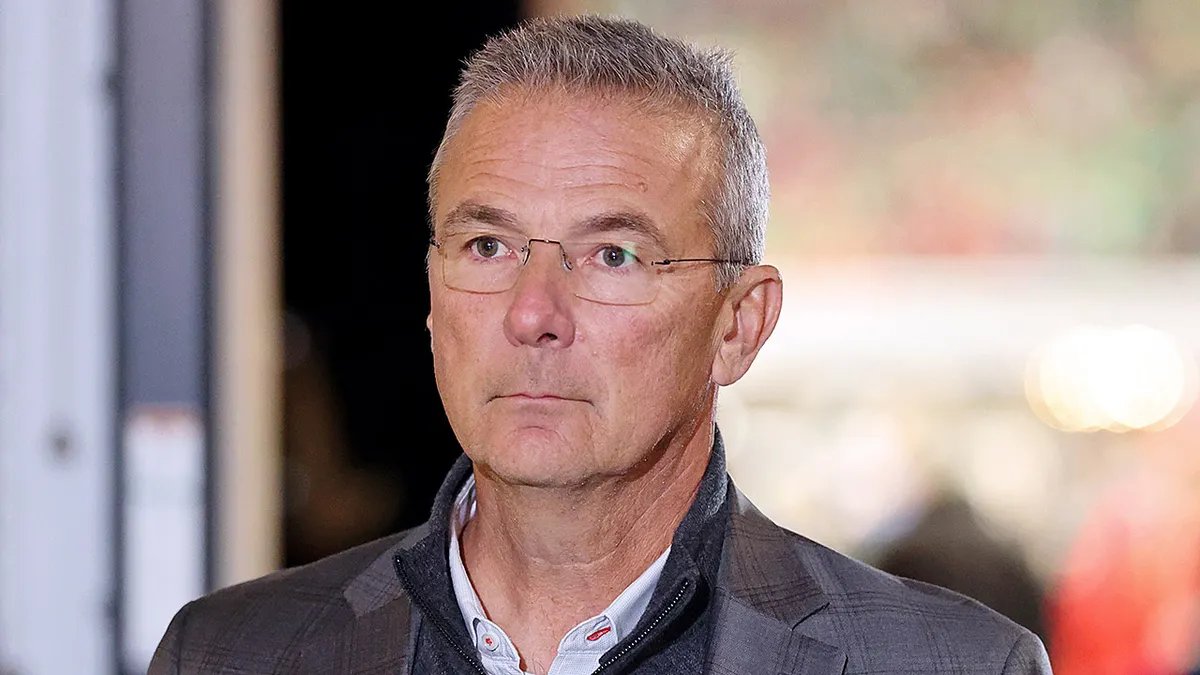
The college job openings available this year are substantial, ranging from established powerhouses seeking course correction to rapidly growing programs aiming for the next tier. While each program would benefit from Meyer’s immediate credibility, the mutual agreement appears to be that the risk/reward ratio is simply too high, both for the institutions and for Meyer himself.
A Permanent Fixture in the Analyst Booth
For fans hoping for one last Meyer run, the reality is that his place on the Fox pre-game show has solidified his new professional identity. He can provide sharp analysis and contribute meaningfully to the sport without the all-consuming commitment of coaching. In this role, he gets to enjoy the competition, the strategy, and the excitement of Saturdays without the constant anxiety over wins and losses. This arrangement seems to be his true “paradise,” far removed from the stress and turmoil that often defined the end of his coaching stints.
Ultimately, the news that Urban Meyer Rules Out Coaching Comeback is less about a lack of attractive opportunities and more about a calculated personal decision. He has paid his price for success, both professionally and personally, and now chooses to leverage his legacy in a role that sustains his connection to the game without demanding his health as collateral. This definitive ruling allows the focus to shift to other candidates who are ready to face the escalating demands of the modern college football landscape.
Frequently Asked Questions (FAQ)
While specific jobs are often kept confidential until official announcements, Meyer’s name was heavily speculated for multiple high-profile openings in Power Five conferences, including potential vacancies at prominent SEC and Big Ten programs that are seeking a coach with a national championship pedigree to immediately reverse their fortunes.
Urban Meyer is currently employed as a lead college football analyst for Fox Sports, where he appears regularly on the “Big Noon Kickoff” pre-game show. This role allows him to remain connected to the sport, offer expert commentary, and enjoy a much reduced professional commitment compared to the 24/7 demands of coaching.
Both of Meyer’s successful college coaching tenures ended with him citing significant stress and health concerns. He has openly discussed the physical and mental toll his high-intensity coaching style took on him, leading to repeated decisions to step away from the sidelines to prioritize his well-being.
The introduction of Name, Image, and Likeness (NIL) deals and the transfer portal has added complexity by forcing coaches to act as managers of player finances and talent retention. Coaches must constantly recruit their own roster and navigate a volatile market, increasing the administrative burden and the constant pressure to maintain roster stability.
Yes, his turbulent and unsuccessful stint with the Jaguars in the NFL ended in controversy and failure. This tenure reinforced public perception regarding the challenges associated with his coaching style in a professional environment and likely solidified his personal commitment to avoiding the intense, high-stakes operational pressure of returning to the sidelines.