Saban’s Regret: A QB Decision That Haunts a Legend
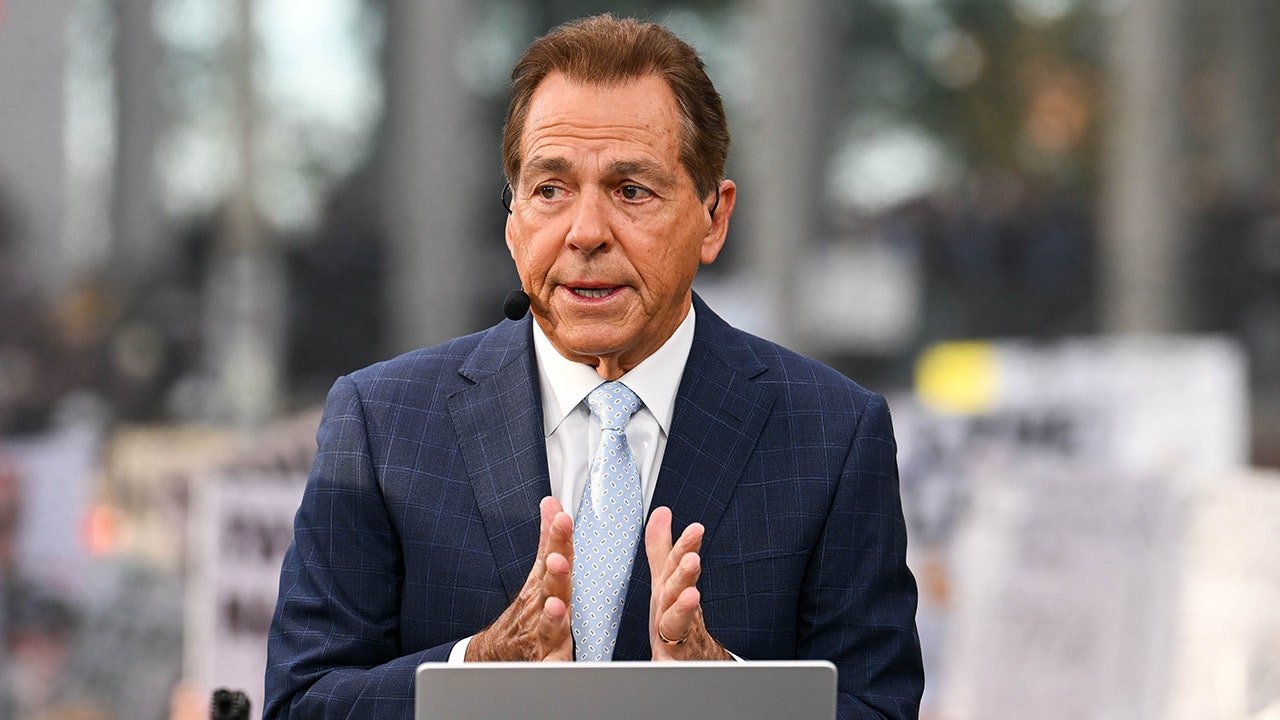
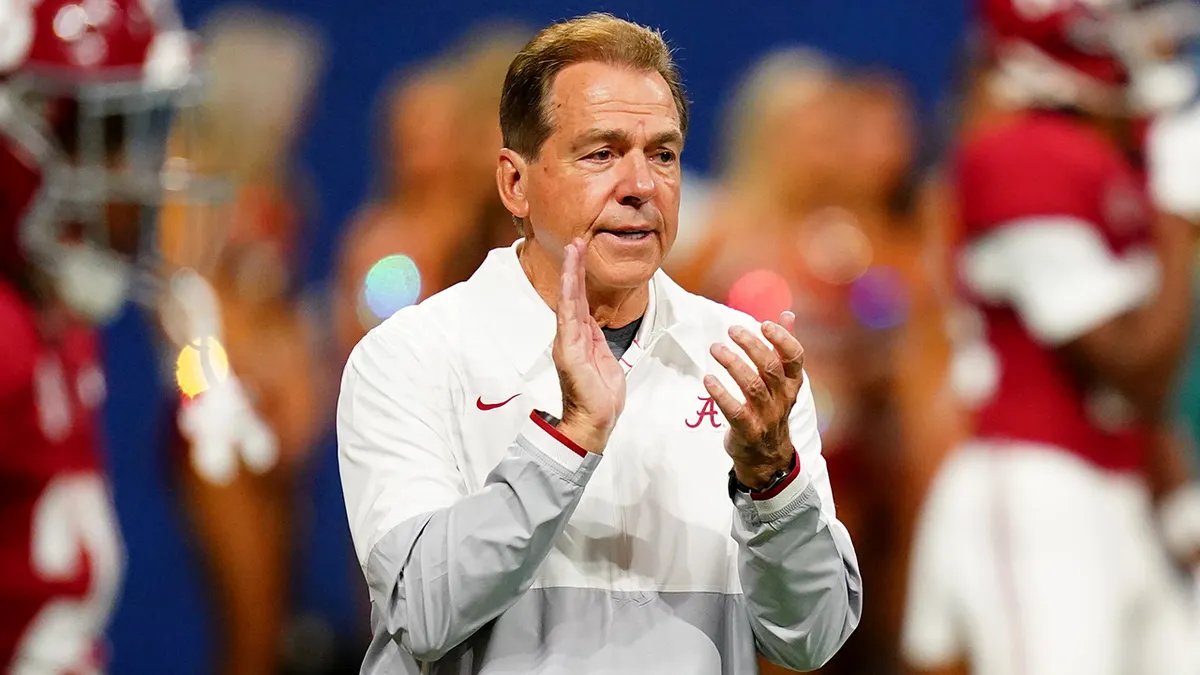
Nick Saban, a name synonymous with college football dominance, recently opened up about a decision he regrets. While his tenure at Alabama was marked by unparalleled success, even the greatest coaches have moments they wish they could rewind. The focus of Saban’s reflection centers on his handling of Julian Sayin, now a quarterback at Ohio State. This candid admission offers a rare glimpse into the mind of a coaching icon and provides valuable insights into player development and the complexities of leadership. Saban’s regret highlights the importance of providing opportunities for young talent to flourish, even within a program as competitive as Alabama. The story also prompts a broader discussion about the pressures faced by college coaches and the impact of their decisions on the lives of their players. As we delve into the details, we’ll explore the context surrounding this decision, the potential ramifications, and the lessons that can be learned from Saban’s retrospective analysis.
The Context: Julian Sayin and Alabama’s QB Room
To understand the significance of Saban’s regret, it’s crucial to examine the context surrounding Julian Sayin’s time at Alabama. Sayin, a highly touted quarterback recruit, arrived in Tuscaloosa with considerable expectations. However, he found himself in a quarterback room brimming with talent, making it difficult to break through and earn meaningful playing time. The competition for the starting role was fierce, and Sayin was relegated to the scout team, tasked with mimicking opposing offenses during practice. This role, while valuable for the team’s preparation, offered limited opportunities for Sayin to showcase his own abilities and develop his skills. Saban’s acknowledgment of this situation highlights the challenges of managing a roster filled with elite athletes and the importance of finding ways to nurture the potential of each player. The decision to keep Sayin on the scout team for an entire year, in retrospect, is what Saban now identifies as a regrettable misstep.
The Competitive Landscape of College Football
College football is a highly competitive arena, where programs constantly strive to attract and develop the best talent. This environment often leads to difficult decisions regarding playing time and player development. Coaches must balance the immediate needs of the team with the long-term potential of individual players. In Sayin’s case, the presence of established quarterbacks on the Alabama roster likely influenced Saban’s decision to keep him on the scout team. However, Saban’s regret suggests that a different approach, one that provided Sayin with more opportunities to compete and develop, might have been more beneficial in the long run. This underscores the importance of coaches being adaptable and willing to adjust their strategies based on the individual needs of their players. The pressure to win can sometimes overshadow the importance of nurturing young talent, leading to missed opportunities and potential regrets.
The Impact on Player Development
Being relegated to the scout team can have a significant impact on a young player’s development. While it provides valuable experience in understanding opposing offenses, it limits opportunities to showcase one’s own skills and compete for playing time. This can lead to frustration, discouragement, and a sense of being overlooked. In Sayin’s case, the lack of opportunities at Alabama ultimately led to his decision to transfer to Ohio State, where he hopes to find a more favorable environment for his development. Saban’s regret highlights the importance of coaches being mindful of the psychological impact of their decisions on players and finding ways to keep them engaged and motivated, even when playing time is limited. Creative solutions, such as incorporating young players into specific offensive packages or providing them with opportunities to lead the team during practice, can help foster their development and maintain their morale. The rise of free meal dates shows how innovative approaches can create unexpected opportunities.
Saban’s Admission: A Moment of Reflection
Saban’s public admission of regret is a testament to his character and his commitment to continuous improvement. Despite his legendary status, he is not afraid to acknowledge his mistakes and learn from them. This willingness to be self-critical is a hallmark of great leaders and a valuable lesson for coaches at all levels. By openly discussing his handling of Julian Sayin, Saban has provided a valuable case study for player development and the importance of creating opportunities for young talent to flourish. His comments also serve as a reminder that even the most successful coaches are not immune to making mistakes and that learning from those mistakes is essential for continued growth. Saban’s reflection demonstrates a deep understanding of the impact his decisions have on the lives of his players and a genuine desire to help them reach their full potential.
The Importance of Self-Reflection
Self-reflection is a crucial component of personal and professional growth. By taking the time to analyze past decisions and identify areas for improvement, individuals can learn from their mistakes and make better choices in the future. Saban’s willingness to reflect on his handling of Julian Sayin demonstrates the importance of this process, even for those who have achieved great success. Self-reflection requires honesty, humility, and a willingness to confront one’s own shortcomings. It also involves seeking feedback from others and being open to different perspectives. By embracing self-reflection, coaches can become more effective leaders and create a more positive and supportive environment for their players. The secrets of unlocking memory retention can also be applied to reflecting on past decisions.
Lessons for Coaches at All Levels
Saban’s regret offers valuable lessons for coaches at all levels, from youth leagues to professional sports. One key takeaway is the importance of providing opportunities for all players to develop their skills and compete for playing time. This requires coaches to be creative and adaptable, finding ways to incorporate young players into the team’s strategies and providing them with meaningful experiences. Another important lesson is the need to be mindful of the psychological impact of coaching decisions on players. Coaches should strive to create a positive and supportive environment where players feel valued and respected, even when they are not getting as much playing time as they would like. Finally, Saban’s regret underscores the importance of continuous learning and self-improvement. Coaches should always be seeking new ways to enhance their skills and knowledge and be willing to learn from their mistakes. Even Simone Biles, who dazzles at the Women of the Year Gala, continues to learn and grow.
The Ramifications: Sayin’s Transfer and Ohio State’s Gain
The ultimate ramification of Saban’s regrettable decision was Julian Sayin’s transfer to Ohio State. The Buckeyes, always a national powerhouse, gained a talented quarterback with immense potential. This move not only impacted Sayin’s career trajectory but also potentially altered the competitive landscape of college football. Ohio State’s acquisition of Sayin strengthened their quarterback room and provided them with another weapon in their pursuit of a national championship. Meanwhile, Alabama lost a promising young player who could have contributed to their success in the future. This situation underscores the importance of coaches being proactive in managing their rosters and creating an environment where players feel valued and have opportunities to develop. The Dolphins’ recent meltdown serves as a reminder of how quickly things can change in football.
Ohio State’s Perspective
From Ohio State’s perspective, the addition of Julian Sayin was a significant coup. The Buckeyes have a long history of developing talented quarterbacks, and Sayin’s arrival added another layer of competition and depth to their roster. Coach Ryan Day and his staff were undoubtedly thrilled to acquire a player with Sayin’s potential and saw him as a valuable asset for the future. Sayin’s transfer to Ohio State also provided him with a fresh start and an opportunity to prove himself in a new environment. He now has the chance to compete for the starting job and showcase his skills on a national stage. The situation highlights the importance of players finding the right fit for their individual needs and aspirations.
Alabama’s Response
Following Sayin’s departure, Alabama had to adjust their quarterback plans and focus on developing the remaining players on their roster. While losing a talented recruit is never ideal, the Crimson Tide have a track record of successfully reloading and finding new talent to fill the void. Coach Kalen DeBoer and his staff likely used Sayin’s departure as an opportunity to re-evaluate their quarterback development strategies and ensure that future recruits are given ample opportunities to compete and develop. The incident also served as a reminder of the importance of maintaining open communication with players and addressing their concerns proactively. The challenges of leadership are evident in situations like Trump’s Lavish Party.
Moving Forward: Lessons Learned and Future Implications
Saban’s regret regarding Julian Sayin provides valuable lessons for coaches, players, and fans alike. It underscores the importance of player development, the need for open communication, and the value of self-reflection. By acknowledging his mistake and sharing his insights, Saban has contributed to a broader conversation about the challenges and responsibilities of coaching. His comments also serve as a reminder that even the most successful individuals are not immune to making mistakes and that learning from those mistakes is essential for continued growth. As college football continues to evolve, these lessons will remain relevant and valuable for all those involved in the sport. The situation also highlights the increasing power of players in the transfer portal era, where they have more control over their own destinies and can seek out opportunities that best suit their needs. The news of the train stabbing reminds us that life is unpredictable.

The Future of Quarterback Development
The Julian Sayin situation raises important questions about the future of quarterback development in college football. With the increasing emphasis on immediate results and the pressure to win, coaches may be tempted to prioritize established players over developing young talent. However, Saban’s regret serves as a reminder that investing in the development of quarterbacks is essential for long-term success. Coaches need to find creative ways to provide young quarterbacks with opportunities to learn and grow, even when they are not the immediate starters. This may involve incorporating them into specific offensive packages, providing them with opportunities to lead the team during practice, or creating a mentoring program where they can learn from experienced players. The key is to create a supportive and challenging environment where quarterbacks can develop their skills and reach their full potential. The Dodgers’ performance shows how crucial player development is.
The Transfer Portal Era
The rise of the transfer portal has significantly altered the landscape of college football, giving players more freedom to choose their own destinies. In the past, players who were unhappy with their playing time or development opportunities often felt trapped at their current schools. However, the transfer portal has empowered them to seek out new environments where they can find more favorable situations. This has created both opportunities and challenges for coaches. On the one hand, they can use the transfer portal to quickly fill roster holes and add experienced players to their teams. On the other hand, they must be more proactive in managing their rosters and creating an environment where players feel valued and have opportunities to develop. The Julian Sayin situation is a prime example of how the transfer portal can impact a program and underscores the importance of coaches being adaptable and responsive to the needs of their players. The rise of the transfer portal makes Saban’s regret about the Julian Sayin decision even more significant in today’s college football landscape.
Conclusion: Saban’s Enduring Legacy and a Lesson in Humility
Nick Saban’s legacy as one of the greatest college football coaches of all time is secure. His seven national championships and unparalleled success at Alabama speak for themselves. However, his willingness to acknowledge his regret regarding Julian Sayin adds another layer to his legacy, demonstrating his humility and commitment to continuous improvement. This candid admission provides valuable lessons for coaches at all levels and serves as a reminder that even the most successful individuals are not immune to making mistakes. By sharing his insights, Saban has contributed to a broader conversation about player development, communication, and the challenges of leadership in college football. His regret will undoubtedly be studied and analyzed for years to come, serving as a valuable case study for coaches and players alike. Ultimately, Saban’s legacy will not only be defined by his wins and championships but also by his willingness to learn from his mistakes and share his wisdom with others. The story of Saban’s regret involving Julian Sayin serves as a potent reminder that even the most legendary figures have moments of introspection and learning. It underscores the human element in coaching and the lasting impact of decisions on young athletes. Saban’s willingness to share this experience offers invaluable insights into leadership, player development, and the ever-evolving landscape of college football.
Frequently Asked Questions (FAQ)
| What is the main topic of this article? | This article provides comprehensive information about Nick Saban’s regret over his handling of Julian Sayin and covers all related aspects in detail. |
| Where can I find more detailed information? | Additional information and resources are available through the internal links provided throughout the article. You can also check the references section for more sources. |
| How current is this information? | This article contains up-to-date information relevant to current trends and developments in the field. We regularly update our content to ensure accuracy. |
| Who is this article intended for? | This article is designed for readers seeking comprehensive understanding of the topic, from beginners to advanced learners. It covers both basic concepts and advanced insights. |
| Are there any important updates I should know about? | Yes, we regularly monitor developments and update our content accordingly. Check the publication date and any update notices for the most current information. |
Important Notice
This content is regularly updated to ensure accuracy and relevance for our readers. If you have any questions, feel free to contact us.
Content Quality: This article has been carefully researched and written to provide valuable insights and practical information. Our team works hard to maintain high standards.