The air in Tehran feels thick, not just with the exhaust fumes of endless traffic, but with an almost palpable tension, a quiet hum of defiance beneath the surface. You can sense it in the wary glances exchanged, in the hushed conversations behind closed doors, and most certainly in the fiery outbursts that have gripped the nation for over a week. Imagine, if you will, the clamor of the streets suddenly pierced by the chilling pronouncement from Iran’s Supreme Leader, Ayatollah Ali Khamenei, who has now declared that those he terms “rioters” must be put in their place. It’s a statement that hangs heavy, a clear signal of an intensified crackdown, coming as the protest death toll heartbreakingly continues to climb, reaching at least 15, though many fear the true number is far higher. This isn’t just a political skirmish; it feels like the very soul of a nation is being tested, pushed to its absolute limits after the tragic death of Mahsa Amini, a young woman whose memory has ignited a powder keg of long-simmering discontent. The world watches, horrified, as images and snippets of footage — often smuggled out despite severe internet restrictions — show a populace unwilling to back down, even in the face of overwhelming state power. It’s a dangerous dance, and everyone wonders how much more violence these streets can bear before something irrevocably breaks.
A Leader’s Warning: “Rioters Must Be Put In Their Place”
The silence from the highest echelons of Iranian leadership had been deafening for days, a stark contrast to the escalating roar of dissent echoing across cities and towns. Then, it broke. In his first public comments on the widespread unrest, Supreme Leader Ayatollah Ali Khamenei delivered a powerful, uncompromising message. Speaking to a group of veterans and military commanders, his words were precise, chilling, and undeniably firm. “These riots were engineered by America and the Zionist regime, and their agents abroad, with the help of some traitorous Iranians abroad,” he stated, attributing the widespread protests not to internal grievances, but to external enemies. This narrative isn’t new; it’s a familiar refrain whenever the state faces significant internal opposition.
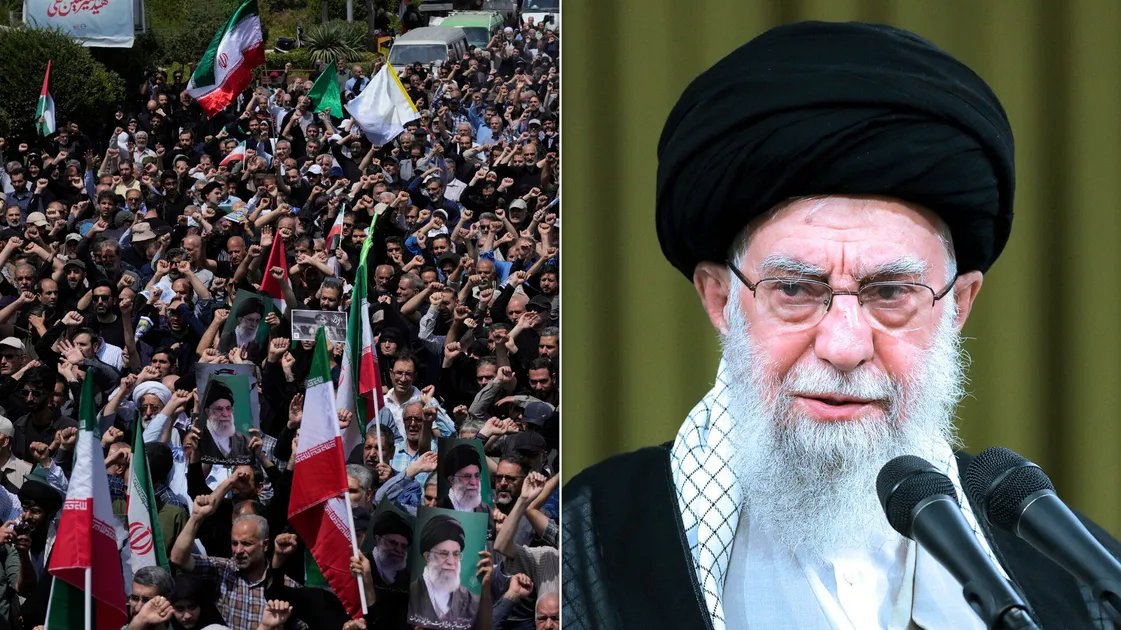
But it was his unequivocal declaration that the “rioters must be put in their place” that sent shivers down the spine of many. It wasn’t merely a suggestion; it was an order, a directive to the security forces already grappling with relentless demonstrations. This isn’t just a tough stance; it’s a declaration of war on dissent, effectively giving carte blanche for a more severe crackdown. You could almost feel the collective breath hold across the country, a moment of grim realization for both protesters and those who fear for their safety. “We’ve heard this before,” whispered a Tehran resident, who wished to remain anonymous for fear of reprisal. “It means they will use whatever force they deem necessary. More arrests. More violence. It’s terrifying.”
The Spark That Ignited a Nation: Mahsa Amini’s Tragic Death
To understand the current inferno, we must look back to the spark: the tragic death of 22-year-old Mahsa Amini. On September 13, Amini, a young woman visiting Tehran from Iran’s Kurdish region, was arrested by the morality police. Her alleged crime? Improperly wearing her hijab. Just three days later, she died in police custody. The official explanation was a heart attack, but her family vehemently denied she had any pre-existing heart conditions, claiming she was beaten. Photos circulated online showing Amini in a coma, her face bruised. This wasn’t just another incident; it was the breaking point.
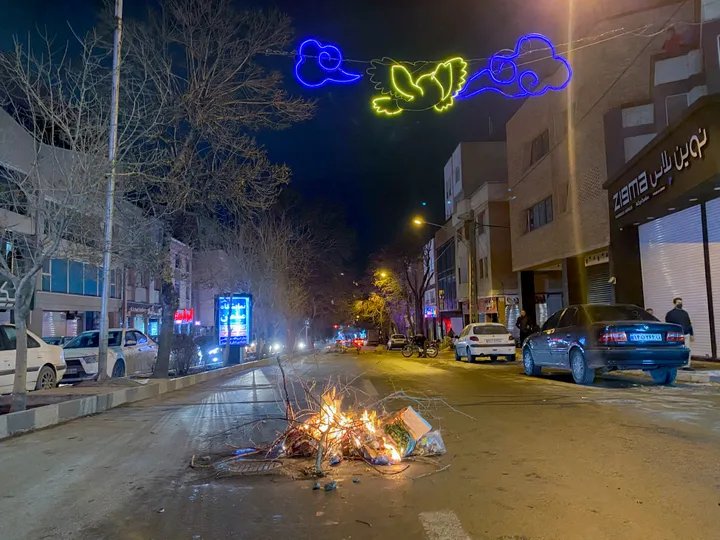
The news of Amini’s death spread like wildfire, fueled by social media despite the authorities’ best efforts to control the narrative. Imagine the grief, the outrage, the feeling of utter helplessness that would drive a nation to take to the streets, knowing the severe risks involved. Her name became a rallying cry, a symbol of systemic oppression against women, of arbitrary arrests, and of the state’s disregard for individual lives. “It could have been my sister, my daughter, me,” a young woman named Zahra from Shiraz confided, her voice trembling over a patchy internet connection. “We are all Mahsa. Her death just ripped open a wound that has been festering for decades.” The anger wasn’t just about the hijab anymore; it was about freedom, dignity, and the right to simply exist without fear.
A Nation on Edge: The Roar of the Protests
What began as localized demonstrations in Amini’s hometown of Saqqez and the wider Kurdistan province quickly metastasized, spreading rapidly to nearly all of Iran’s 31 provinces. From the bustling capital of Tehran to the holy city of Mashhad, from the oil-rich Khuzestan to the historic Isfahan, the protests have taken on an unprecedented scale. I imagine the sheer courage it takes to step out onto those streets, knowing the consequences. We’ve seen harrowing images: women, the traditional symbols of defiance, publicly burning their hijabs, cutting their hair in acts of profound sorrow and rage. This isn’t just a political statement; it’s a deeply personal, symbolic rejection of an ideology imposed upon them for over 40 years.
The chants that echo through the night are defiant: “Death to the dictator!” and “Woman, Life, Freedom!” — a slogan that has become emblematic of the movement. One anonymous student from Tehran University described the scene: “The streets are a mix of fear and exhilaration. You see young people, old people, students, workers. Everyone is fed up. The air is thick with tear gas one moment, then filled with shouts of defiance the next. It’s chaos, but it’s *our* chaos.” The clashes with security forces have been brutal. Videos show riot police, often on motorcycles, charging crowds, firing tear gas, and in some documented cases, using live ammunition. The sounds, you can almost hear them through the grainy footage: the crack of gunfire, the screams of pain, the relentless blare of sirens, all against the backdrop of desperate, determined chants. Businesses have been shuttered, schools closed, and a suffocating internet blackout imposed, all in an attempt to quell the rising tide of unrest. But the people, it seems, are not easily silenced.
The Government’s Stance and Escalating Crackdown
The narrative from official channels remains unwavering: these are not legitimate protests stemming from popular discontent, but rather “riots” orchestrated by “foreign enemies.” State media has consistently downplayed the scale of the demonstrations, focusing instead on acts of vandalism and property damage, portraying protesters as hooligans or agents of hostile powers. This approach serves to delegitimize the movement and justify the severe measures taken by the state.
The response from the government has been swift and merciless. Security forces, including the Revolutionary Guard, Basij militia, and plainclothes officers, have been deployed en masse. Reports of widespread arrests are circulating, with human rights organizations estimating hundreds, if not thousands, of individuals detained. Lawyers and journalists who attempt to report on the situation or defend those arrested are themselves at risk. Internet access has been severely restricted, particularly to social media platforms like Instagram and WhatsApp, critical tools for organizing and disseminating information about the protests. This digital Iron Curtain makes it incredibly difficult for the outside world, and even for Iranians themselves, to get a clear picture of the full extent of the crackdown. The Supreme Leader’s latest comments serve as a clear directive to further escalate these tactics, indicating that the state is prepared to use even greater force to restore order, as it defines it. This echoes previous crackdowns, such as the bloody suppression of the 2019 fuel protests, where hundreds were reportedly killed. The memory of those events looms large, a grim reminder of the potential for even greater bloodshed.
The Role of the Morality Police and Public Trust
The morality police, or Gasht-e Ershad (Guidance Patrols), have long been a flashpoint of contention in Iran. Their mandate to enforce strict Islamic dress codes and social behaviors has often led to confrontations, particularly with women. Mahsa Amini’s death has, however, shattered any remaining public trust in this institution. Their actions are now seen by a vast segment of the population as emblematic of an authoritarian regime that intrudes upon the most personal aspects of citizens’ lives. This isn’t just about a headscarf; it’s about bodily autonomy, freedom of expression, and the fundamental right to live without constant surveillance and fear of arbitrary punishment. The existence of such a force is a daily reminder of the control the state seeks to exert, and the current protests are a furious rejection of that control.
International Reactions and Human Rights Concerns
As the situation unfolds, international condemnation has been swift and widespread. Numerous governments, including the United States, Canada, and several European nations, have called on the Iranian authorities to respect the rights of peaceful assembly and expression, and to end the violent crackdown. Human rights organizations, such as Amnesty International and Human Rights Watch, have expressed grave concerns over the escalating death toll, the use of excessive force, and the mass arrests. They are calling for independent investigations into Mahsa Amini’s death and the subsequent violence.
The United Nations High Commissioner for Human Rights has also voiced alarm, urging the Iranian government to address the underlying causes of the protests. However, direct intervention remains a complex and fraught issue for the international community. While sanctions might be tightened, and diplomatic pressure applied, the internal dynamics of Iran’s tightly controlled political system mean that external influence often has limited immediate impact. The focus, for now, remains on documenting abuses and pressuring for accountability, hoping that global attention can provide some measure of protection for those risking their lives on the streets of Iran. It’s a difficult balance, trying to support a populace without inadvertently playing into the government’s narrative of foreign interference.
A Crossroads for Iran
This current wave of Iran’s protests feels different, more pervasive, and arguably more dangerous for the ruling establishment than previous movements. The scale of participation, the boldness of the women leading the charge, and the raw, unfiltered anger suggest a deeper vein of discontent than simply economic grievances or specific policy issues. This is about fundamental rights, about the very structure of the Islamic Republic, and about a generation that feels suffocated by decades of restrictive rule.
The Supreme Leader’s unequivocal declaration that “rioters must be put in their place” sets a chilling precedent. It signals a readiness to employ maximum force, potentially leading to further bloodshed and escalating the death toll. Yet, the resilience shown by the protesters, their willingness to brave tear gas, arrests, and bullets, indicates that this movement might not be easily quelled. The future of Iran hangs in the balance, a nation at a crossroads. Will the state succeed in crushing this uprising, or will the defiant cries for “Woman, Life, Freedom” continue to reverberate, slowly but surely chipping away at the foundations of the current regime? Only time will tell, but one thing is clear: the cost of this struggle is already tragically high, measured in lives lost and freedoms denied. It’s a deeply personal struggle for millions, and the world watches, holding its breath, as the drama continues to unfold.
Frequently Asked Questions
| What triggered the recent protests in Iran? | The protests were primarily triggered by the death of 22-year-old Mahsa Amini on September 16, 2022. She died in the custody of Iran’s morality police after being arrested for allegedly wearing her hijab improperly. Her death ignited widespread anger over state oppression, particularly concerning women’s rights and personal freedoms. |
| What has been the Iranian government’s official response to the protests? | The Iranian government, through Supreme Leader Ayatollah Ali Khamenei and other officials, has attributed the protests to “foreign enemies” and “rioters,” denying any legitimate internal grievances. They have vowed a severe crackdown, with Khamenei stating that “rioters must be put in their place,” leading to increased deployment of security forces, mass arrests, and internet blackouts. |
| How widespread are the protests across Iran? | The protests have rapidly spread from Mahsa Amini’s home province of Kurdistan to nearly all of Iran’s 31 provinces. Major cities including Tehran, Mashhad, Shiraz, and Isfahan have seen significant demonstrations, indicating a broad base of discontent across different demographics and regions. |
| What is the current death toll from the protests? | According to official reports and human rights organizations, the death toll from the protests has reached at least 15 individuals, though many fear the actual number is significantly higher due to the government’s efforts to suppress information and the ongoing violent crackdown. |
| What are the broader implications of these protests for Iran’s future? | These protests represent a significant challenge to the Iranian government, highlighting deep-seated grievances concerning human rights, economic conditions, and personal freedoms. The severe government response and the protesters’ sustained defiance suggest that Iran is at a critical juncture, with the potential for either intensified repression or a prolonged period of instability as citizens demand fundamental changes. |
Important Notice
This FAQ section addresses the most common inquiries regarding the topic.