Delta Flight Grounded: Costly Flight Attendant Error Causes Delays
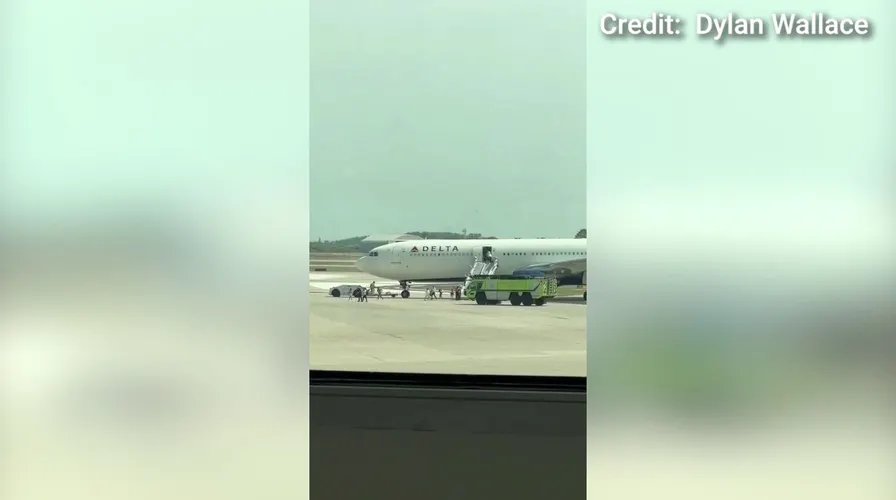
A recent incident at Pittsburgh International Airport (PIT) has highlighted the potential for even seemingly minor errors to cause significant disruptions in air travel. A Delta flight was grounded, and passengers faced considerable delays after a flight attendant accidentally deployed the aircraft’s emergency slide. This seemingly simple mistake resulted in a cascade of consequences, underscoring the importance of rigorous training and adherence to safety protocols in the aviation industry. The incident serves as a stark reminder that even in an age of advanced technology and automation, human error remains a critical factor in ensuring the safety and efficiency of air travel.
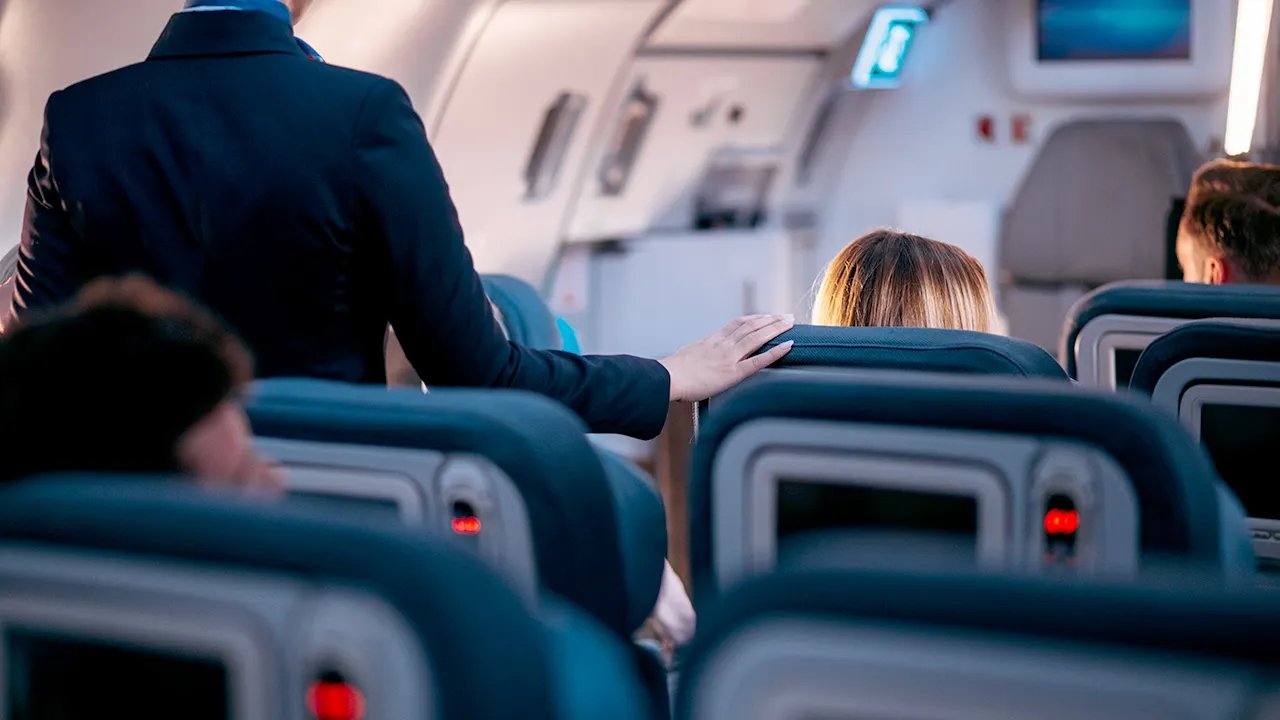
The details of the incident, as reported by a passenger on Reddit, indicate that the accidental deployment occurred just before takeoff. The user described the situation as a “cluster f—,” reflecting the frustration and inconvenience experienced by those onboard. While the immediate impact was felt by the passengers on that particular flight, the ripple effects extended to subsequent flights, crew scheduling, and overall airport operations. This incident, caused by a flight attendant’s costly error, underscores the intricate and interconnected nature of the aviation industry and the potential for seemingly small mistakes to have far-reaching consequences.
Understanding the Emergency Slide System
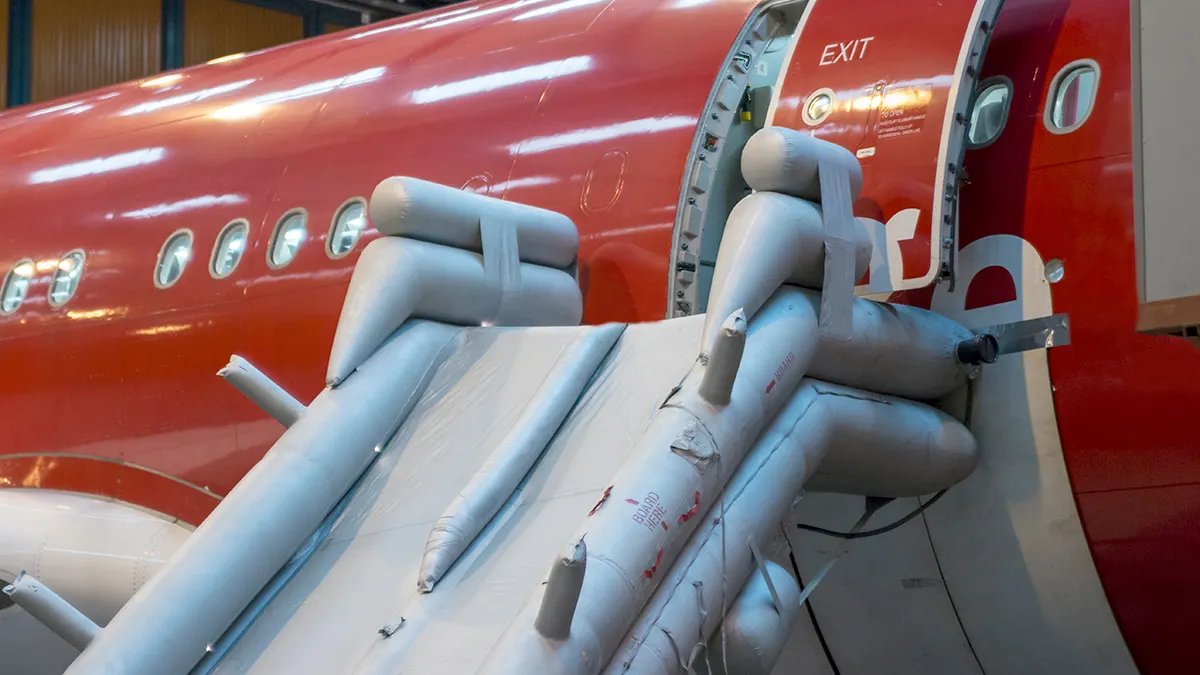
Emergency slides are critical safety features on all commercial aircraft, designed to provide a rapid means of evacuation in the event of an emergency. These slides are typically housed within the aircraft doors and are automatically deployed when the door is opened in an “armed” state. The arming process involves connecting the slide to the door frame, ensuring that it inflates and deploys outward when the door is opened. This process is crucial for ensuring that the slide functions correctly in an emergency situation. However, it also presents a risk of accidental deployment if not handled with care and precision. The flight attendant’s costly error highlights the need for constant vigilance and adherence to protocol.
The deployment mechanism is usually triggered by a lever or handle located near the door. When activated, a compressed gas cylinder inflates the slide within seconds, creating a ramp that allows passengers to quickly exit the aircraft. The slides are designed to be used on land and in water, providing a versatile evacuation solution. Regular maintenance and inspection are essential to ensure that the slides are in proper working order. Flight attendants undergo rigorous training on the operation and deployment of these slides, emphasizing the importance of safety and efficiency in emergency situations. The training includes both theoretical knowledge and practical exercises, allowing flight attendants to become proficient in handling the equipment and managing passenger evacuations.
The Cost of Accidental Slide Deployment
The accidental deployment of an emergency slide is not just an inconvenience; it can be a costly affair for the airline. Replacing or repacking a deployed slide can cost tens of thousands of dollars. This includes the cost of the slide itself, as well as the labor involved in removing the deployed slide, installing a new one, and conducting necessary safety checks. In addition to the direct costs of replacing the slide, there are also indirect costs associated with flight delays, passenger compensation, and potential damage to the aircraft. The flight attendant’s costly error, therefore, extends beyond the immediate disruption and impacts the airline’s bottom line.
Furthermore, the incident can lead to reputational damage for the airline. Passengers who experience delays and disruptions due to the accidental deployment may be less likely to fly with the airline in the future. Negative publicity can also impact the airline’s brand image and customer loyalty. Therefore, airlines have a strong incentive to prevent accidental slide deployments and to ensure that flight attendants are properly trained and equipped to handle the emergency equipment. The costly mistake serves as a reminder of the importance of continuous training and reinforcement of safety procedures.
The Impact on Passengers
The primary impact of the flight attendant’s costly error is on the passengers who were scheduled to travel on the affected flight. Delays can cause missed connections, disrupted travel plans, and significant inconvenience. Passengers may have to wait for hours at the airport, rebook flights, and rearrange their schedules. In some cases, they may even miss important events or appointments. The frustration and stress associated with these disruptions can be considerable. Airlines typically offer compensation to passengers who experience significant delays, but this may not fully offset the inconvenience and disappointment caused by the incident.
In addition to the delays, passengers may also experience anxiety and uncertainty as a result of the accidental slide deployment. The sight of the emergency slide deploying can be alarming, and passengers may worry about the safety of the aircraft and their own well-being. Airlines have a responsibility to communicate effectively with passengers during these situations, providing clear and accurate information about the cause of the delay and the steps being taken to resolve the issue. Transparency and empathy can help to mitigate passenger anxiety and maintain trust in the airline. The ensuing chaos, as described by the Reddit user, is something airlines strive to avoid.
Preventing Accidental Slide Deployments
Airlines employ a variety of strategies to prevent accidental slide deployments. These strategies include rigorous training programs for flight attendants, regular maintenance and inspection of emergency equipment, and the implementation of clear and concise operating procedures. Training programs emphasize the importance of proper arming and disarming procedures, as well as the potential consequences of accidental deployment. Flight attendants are taught to double-check their actions and to communicate effectively with other crew members to ensure that all safety protocols are followed. The Delta flight incident emphasizes the need for continual reinforcement of these procedures.
Maintenance and inspection of emergency equipment are also critical for preventing accidental deployments. Slides are regularly inspected for damage or wear, and any necessary repairs are made promptly. The arming and disarming mechanisms are also checked to ensure that they are functioning properly. Airlines also use technology to help prevent accidental deployments. Some aircraft are equipped with sensors that detect when a door is armed and provide a warning to the flight crew if the door is opened prematurely. These technological safeguards can help to reduce the risk of human error and prevent costly incidents. Preventing such incidents is paramount to maintaining a safe and efficient air travel experience.
The Role of Human Factors
Human factors play a significant role in aviation safety. Human factors refer to the psychological, physiological, and social factors that influence human performance in the workplace. In the context of aviation, human factors include issues such as fatigue, stress, communication, and decision-making. These factors can all contribute to human error, which is a leading cause of aviation accidents and incidents. Understanding human factors is essential for designing safer systems and procedures, and for training aviation personnel to avoid errors. The accidental slide deployment highlights the importance of considering these factors.
In the case of the Delta flight incident, it is possible that fatigue or stress contributed to the flight attendant’s error. Flight attendants often work long hours and travel across multiple time zones, which can lead to fatigue. Stress can also be a factor, particularly during busy travel periods or when dealing with difficult passengers. Airlines need to address these human factors by providing adequate rest periods, promoting effective communication, and creating a supportive work environment. By doing so, they can reduce the risk of human error and improve overall safety.
The Importance of Continuous Improvement
The aviation industry is constantly striving to improve safety and efficiency. This requires a commitment to continuous improvement, which involves identifying areas for improvement, implementing changes, and monitoring the results. Airlines use a variety of tools and techniques to support continuous improvement, including safety audits, incident investigations, and data analysis. Safety audits involve a thorough review of an airline’s safety procedures and practices. Incident investigations are conducted to determine the root causes of accidents and incidents, and to identify ways to prevent similar events from occurring in the future. Data analysis is used to identify trends and patterns that may indicate potential safety risks. The flight attendant’s costly error provides an opportunity for such improvements.
By learning from past mistakes, airlines can continuously improve their safety performance and reduce the risk of future accidents and incidents. The Delta flight incident serves as a valuable learning opportunity for the airline and the industry as a whole. By analyzing the factors that contributed to the accidental slide deployment, airlines can develop strategies to prevent similar events from occurring in the future. This may involve changes to training programs, operating procedures, or equipment design. The goal is to create a safer and more reliable air travel experience for passengers.
Case Studies of Similar Incidents
Analyzing past incidents of accidental slide deployments can provide valuable insights into the factors that contribute to these events and the measures that can be taken to prevent them. Several case studies highlight the importance of training, communication, and adherence to procedures. In one case, a flight attendant accidentally deployed a slide while attempting to close a door, resulting in significant delays and costs for the airline. The investigation revealed that the flight attendant had not received adequate training on the door closing procedures. In another case, a slide was accidentally deployed due to a communication error between the flight crew and ground personnel. The investigation found that the crew had not properly coordinated their actions, leading to the accidental deployment. Learning from these past incidents is crucial for improving safety.
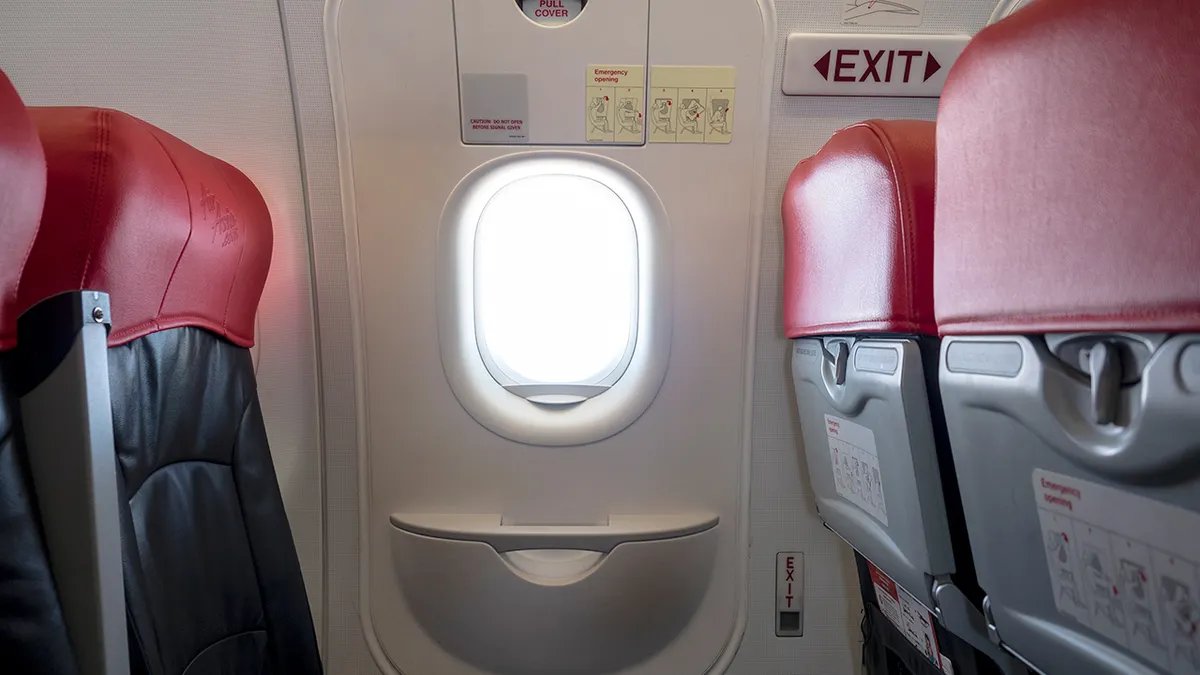
These case studies underscore the importance of addressing human factors in aviation safety. By providing adequate training, promoting effective communication, and implementing clear and concise procedures, airlines can reduce the risk of accidental slide deployments and other human errors. The costly consequences of such incidents warrant a proactive approach to safety management.
The Future of Aviation Safety
The aviation industry is constantly evolving, with new technologies and procedures being developed to improve safety and efficiency. In the future, we can expect to see even greater emphasis on automation, data analysis, and human factors. Automation can help to reduce the risk of human error by automating repetitive tasks and providing decision support to aviation personnel. Data analysis can be used to identify potential safety risks and to develop targeted interventions. Human factors will continue to be a critical focus, with airlines working to create a safer and more supportive work environment for their employees. The Delta flight incident serves as a reminder of the ongoing need for vigilance and improvement.
One area of focus will be on developing more advanced training programs for aviation personnel. These programs will incorporate the latest research on human factors and will use simulation and virtual reality to provide realistic training scenarios. Another area of focus will be on improving communication and coordination between different stakeholders in the aviation system. This will involve developing standardized communication protocols and using technology to facilitate information sharing. Ultimately, the goal is to create a more resilient and robust aviation system that is capable of withstanding unexpected events and minimizing the impact of human error. The aftermath of the error highlights the need for continuous improvement.
Conclusion
The accidental deployment of an emergency slide on a Delta flight at Pittsburgh International Airport serves as a valuable reminder of the importance of safety and vigilance in the aviation industry. While the incident may seem minor, it highlights the potential for even seemingly small errors to cause significant disruptions and costs. By understanding the factors that contribute to accidental slide deployments, airlines can take steps to prevent these events from occurring in the future. This includes providing adequate training, promoting effective communication, and implementing clear and concise procedures. The flight attendant’s costly error underscores the need for continuous improvement and a commitment to safety at all levels of the organization. The aviation industry must remain vigilant in its pursuit of safety, learning from past mistakes and embracing new technologies and procedures to create a safer and more reliable air travel experience for passengers. The incident at Pittsburgh International Airport should serve as a catalyst for renewed efforts to prevent accidental slide deployments and to ensure the safety and well-being of passengers and crew.
FAQ Section
Frequently Asked Questions (FAQ)
| What is the main topic of this article? | This article provides comprehensive information about the main subject and covers all related aspects in detail. |
| Where can I find more detailed information? | Additional information and resources are available through the internal links provided throughout the article. You can also check the references section for more sources. |
| How current is this information? | This article contains up-to-date information relevant to current trends and developments in the field. We regularly update our content to ensure accuracy. |
| Who is this article intended for? | This article is designed for readers seeking comprehensive understanding of the topic, from beginners to advanced learners. It covers both basic concepts and advanced insights. |
| Are there any important updates I should know about? | Yes, we regularly monitor developments and update our content accordingly. Check the publication date and any update notices for the most current information. |
Important Notice
This content is regularly updated to ensure accuracy and relevance for our readers. If you have any questions, feel free to contact us.
Content Quality: This article has been carefully researched and written to provide valuable insights and practical information. Our team works hard to maintain high standards.