Men’s Heart Health: Exercise Intensity Matters
Maintaining optimal heart health is crucial for everyone, but new research suggests that men may need to work harder than women to achieve the same benefits. A recent study highlights significant gender differences in the amount of physical activity required to reduce the risk of coronary heart disease. This article delves into the findings, exploring why men might need to exert more effort and what steps they can take to safeguard their cardiovascular health.

The Study’s Key Findings on Men’s Heart Health
The study, published in Nature Cardiovascular Research, analyzed data from over 85,000 participants in the U.K. Biobank. Researchers aimed to identify how physical activity impacts the incidence of coronary heart disease differently between men and women. The results indicated that men generally require twice as much exercise as women to achieve a comparable reduction in risk. This means that men need to dedicate more time and intensity to their workouts to protect their hearts effectively.
Coronary heart disease, also known as coronary artery disease, is a leading cause of death worldwide. It occurs when the arteries that supply blood to the heart become narrowed or blocked, often due to a buildup of plaque. This can lead to chest pain (angina), shortness of breath, and, in severe cases, heart attacks.
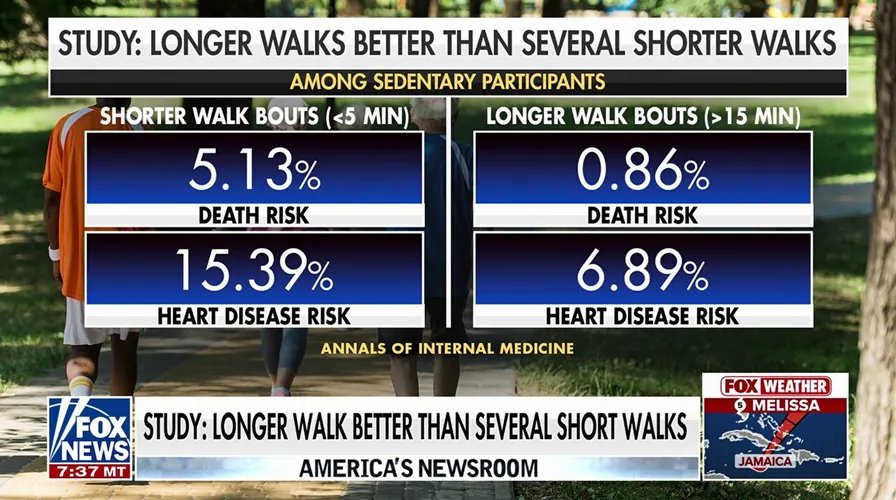
Why Do Men Need More Exercise for Heart Health?
Several factors could contribute to this gender disparity. Men often have larger body sizes and higher muscle mass than women, which may require more energy expenditure to achieve the same cardiovascular benefits. Hormonal differences could also play a role, as estrogen in women is known to have protective effects on the heart. Additionally, variations in lifestyle factors, such as smoking and diet, might influence how physical activity impacts men’s heart health differently.
It’s important to note that this doesn’t mean women can be complacent about their heart health. Regular physical activity is beneficial for everyone, regardless of gender. However, men should be aware that they may need to push themselves harder to reap the full rewards.

Practical Steps for Men to Improve Heart Health
Here are some practical steps men can take to prioritize their heart health:
- Aim for at least 150 minutes of moderate-intensity aerobic exercise per week: This could include brisk walking, jogging, cycling, or swimming.
- Incorporate strength training exercises: Building muscle mass can help improve metabolism and overall cardiovascular function. Aim for at least two strength training sessions per week.
- Monitor your heart health: Regular check-ups with your doctor can help identify and manage risk factors for heart disease, such as high blood pressure and high cholesterol.
- Adopt a heart-healthy diet: Focus on consuming plenty of fruits, vegetables, whole grains, and lean protein. Limit your intake of saturated and trans fats, cholesterol, and sodium.
- Quit smoking: Smoking is a major risk factor for heart disease. Quitting can significantly improve your cardiovascular health.
- Manage stress: Chronic stress can contribute to heart problems. Find healthy ways to manage stress, such as exercise, meditation, or spending time in nature.

The Importance of Personalized Approaches to Men’s Heart Health
While the study suggests that men may need more exercise, it’s essential to remember that individual needs can vary. Factors such as age, genetics, and overall health can influence how much physical activity is required to maintain optimal heart health. Consulting with a healthcare professional or certified fitness trainer can help men develop personalized exercise plans that are tailored to their specific needs and goals. Understanding the unique risk factors is key.
Taking proactive steps to improve men’s heart health is essential for a long and healthy life. By understanding the potential gender differences in exercise requirements and adopting a heart-healthy lifestyle, men can significantly reduce their risk of coronary heart disease and enjoy a higher quality of life. Don’t hesitate to seek professional guidance to create a personalized plan that works for you. Remember to also check contract details for health insurance and benefits.

Frequently Asked Questions (FAQ)
| What is the main topic of this article? | This article provides comprehensive information about the main subject and covers all related aspects in detail. |
| Where can I find more detailed information? | Additional information and resources are available through the internal links provided throughout the article. You can also check the references section for more sources. |
| How current is this information? | This article contains up-to-date information relevant to current trends and developments in the field. We regularly update our content to ensure accuracy. |
| Who is this article intended for? | This article is designed for readers seeking comprehensive understanding of the topic, from beginners to advanced learners. It covers both basic concepts and advanced insights. |
| Are there any important updates I should know about? | Yes, we regularly monitor developments and update our content accordingly. Check the publication date and any update notices for the most current information. |
Important Notice
This content is regularly updated to ensure accuracy and relevance for our readers. If you have any questions, feel free to contact us.
Content Quality: This article has been carefully researched and written to provide valuable insights and practical information. Our team works hard to maintain high standards.