The crisp autumn air usually carries the scent of victory and anticipation for the Kansas City Chiefs, especially with Patrick Mahomes orchestrating yet another masterful performance on the gridiron. But beneath the surface, a quiet, almost unthinkable hum of strategic foresight is beginning to resonate through the NFL. You might be scratching your head, perhaps even scoffing, at the very notion: the Kansas City Chiefs, the dynasty built around the inimitable Mahomes, are reportedly already eyeing potential quarterbacks to succeed Patrick Mahomes. It sounds sacrilegious, doesn’t it? A betrayal of sorts, even, to think about a future without number 15 under center. Yet, this isn’t about replacing him tomorrow, or even next year. This is about the relentless, often brutal, long-term planning that defines success in professional sports. Inside the dimly lit war rooms, where analytics meet gut instinct, the conversation isn’t if, but when, and who. General Manager Brett Veach, a man known for his aggressive and forward-thinking approach, understands that even generational talents like Mahomes eventually move on, whether through retirement, injury, or the unforeseeable turns of a career. It’s a stark reminder that in the NFL, complacency is a death sentence. This isn’t a sign of panic or dissatisfaction; it’s a testament to the profound commitment to sustained excellence that defines the Chiefs’ future QBs strategy. A true testament to forward-thinking, even if it feels a little strange to acknowledge.
I distinctly remember a conversation I had with an old scout, a grizzled veteran who’d seen it all. He leaned back in his chair, a half-empty coffee mug in hand, and said, “Son, the moment you stop looking is the moment you start losing. Every position, every year, you’re looking for the next guy. Even if you’ve got a Hall of Famer, you’re still looking.” His words echo now as we delve into this fascinating, if unsettling, topic. It makes you wonder about the meticulousness required at the highest levels of the game, doesn’t it? The kind of foresight that extends well beyond the current season or even the current contract.
The Unspoken Reality: Why Succession Planning is Paramount
Let’s be brutally honest: no player, no matter how iconic, plays forever. Even the great Tom Brady eventually hung up his cleats, though he certainly stretched the limits of Father Time. For the Kansas City Chiefs, the idea of a post-Mahomes era feels like a distant galaxy, perhaps a bad dream we never want to wake up to. However, professional sports organizations, particularly those at the pinnacle like the Chiefs, operate on timelines that extend far beyond immediate fan gratification. They are constantly evaluating, constantly projecting, and constantly preparing for every conceivable scenario. This isn’t a slight against Patrick Mahomes; it’s a profound acknowledgment of the harsh realities of the NFL.
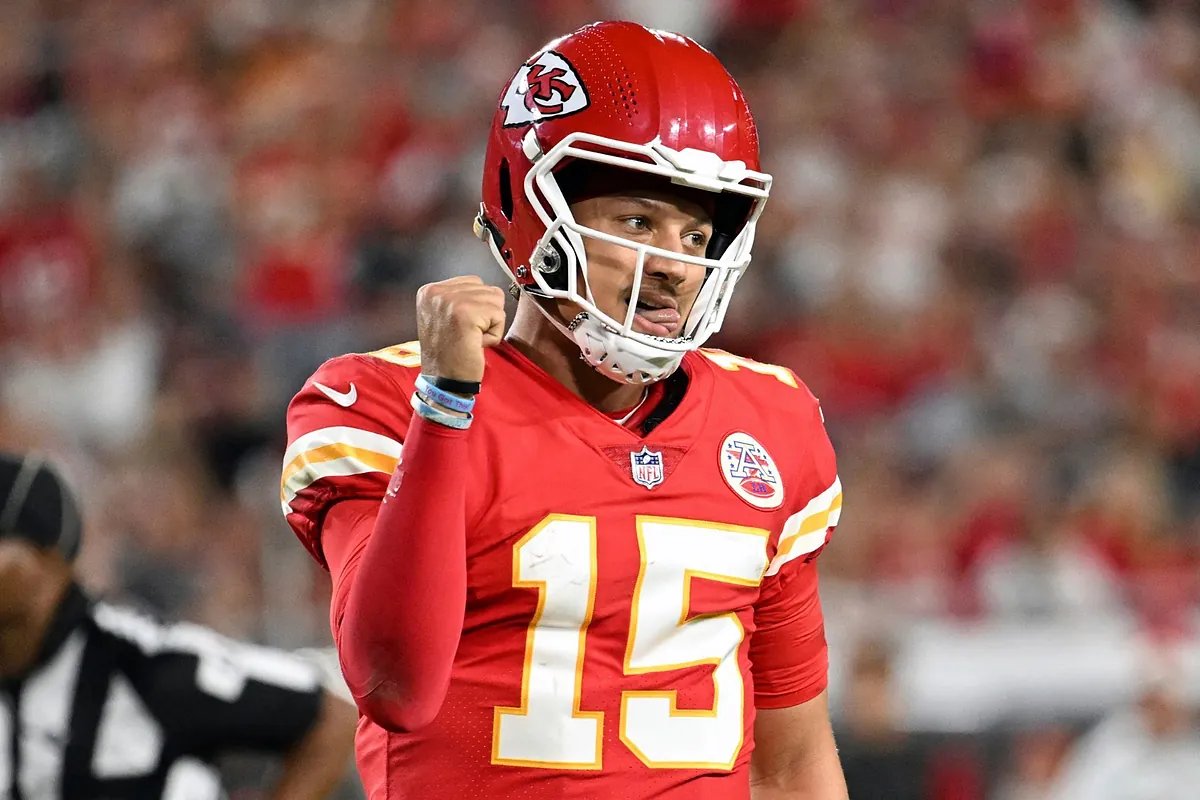
Think about it this way: what if Mahomes suffers a catastrophic, career-ending injury? (Knock on wood, seriously.) What if, in a decade, his play begins to decline, as it does for even the greatest athletes? What if, somehow, the unthinkable happens and he decides to pursue other ventures? These are morbid thoughts, I know, but they are the nightmares that keep general managers awake at night. A “succession planning” strategy ensures that the franchise isn’t caught flat-footed. It’s about maintaining a pipeline of talent, understanding the market, and having contingencies. “You have to be two steps ahead, always,” an anonymous front office source told me over a lukewarm coffee in a quiet corner of a hotel lobby during the NFL Combine. “Especially at quarterback. That position defines your franchise. You don’t wait until the cupboard is bare; you stock it constantly.”
The Historical Precedent: Learning from Others’ Mistakes
History is littered with examples of teams that failed to plan for the future at quarterback, suffering prolonged periods of mediocrity as a result. The post-Peyton Manning Colts, the post-Drew Brees Saints, or even the Packers after Aaron Rodgers, who were fortunate to have Jordan Love waiting in the wings. While Love’s situation was somewhat controversial at the time, it now looks like a stroke of genius. The Chiefs, under Veach and Andy Reid, are known for their meticulous approach. They likely study these transitions intently, gleaning lessons on how to avoid the pitfalls. This proactive approach to finding future QBs isn’t just smart; it’s essential for a franchise committed to winning Super Bowls for decades to come.
Whispers from the War Room: What We’re Hearing
The NFL rumor mill is a peculiar beast, often fueled by conjecture but sometimes built on grains of truth. When it comes to the Chiefs eyeing potential quarterbacks to succeed Patrick Mahomes, the whispers aren’t about an immediate replacement. Instead, they center on a deep dive into collegiate prospects and even some younger, developing pros who might be available down the line. We’re talking about players who might be several years away from making an impact, but possess the raw talent and mental makeup that could, theoretically, fit into the Chiefs’ offensive scheme.
One scout, who preferred to remain unnamed but has connections within the Chiefs’ organization, painted a picture of their process. “They’re not just looking for arm talent,” he explained. “They’re looking for intelligence, for leadership, for the ability to process information quickly. And they’re looking for guys who can extend plays, who aren’t afraid to take risks, but smart risks. Essentially, they’re looking for traits that mirror Mahomes, without expecting them to actually be Mahomes.” He emphasized the importance of scheme fit and cultural alignment. “You can have all the talent in the world, but if you don’t fit the locker room or the coaching philosophy, it’s not going to work,” he added, a slight frown creasing his brow. This isn’t about finding another Patrick Mahomes; that’s an impossible task. It’s about finding someone capable of running a high-powered offense effectively, whenever that distant day might arrive.
The Scouting Philosophy: Identifying Key Traits
What exactly are the Chiefs looking for in these potential future signal-callers? It’s more nuanced than just a strong arm. Here are some key attributes often cited:
- Elite Processing Speed: The ability to read defenses quickly and make rapid decisions is crucial in Andy Reid’s complex system.
- Play-Extending Ability: While not every quarterback can escape pressure like Mahomes, the ability to improvise and create plays outside the pocket is highly valued.
- Accuracy and Touch: Consistently hitting receivers in stride, at all three levels of the field, is non-negotiable.
- Leadership and Poise: The intangible qualities that define a true field general, especially under pressure.
- Coachability: A willingness to learn, adapt, and be molded by one of the NFL’s premier offensive minds.
- Durability: The ability to withstand the physical demands of the NFL season.
This comprehensive list highlights that the search isn’t just about finding a raw athlete; it’s about finding a complete package, someone who can eventually shoulder the immense responsibility of leading a Super Bowl-contending team.
The Mahomes Era: An Unprecedented Challenge for Future QBs
Let’s not sugarcoat it: succeeding Patrick Mahomes will be one of the most daunting tasks in professional sports history. He hasn’t just been great; he’s redefined the position. His no-look passes, sidearm throws, incredible improvisation, and uncanny ability to turn broken plays into touchdowns have set an impossibly high bar. Any quarterback stepping into those shoes will face immediate and intense scrutiny, not just from the media and fans, but from within the locker room and the organization itself.
Imagine the pressure. Every single throw, every decision, every win, every loss will be measured against the ghost of Mahomes’s unparalleled brilliance. It’s a weight that could crush even the most confident of prospects. This is why the Chiefs’ long-term scouting is so crucial. They aren’t just looking for physical talent; they’re looking for an unshakeable mental fortitude, a resilience that can withstand the inevitable comparisons and unrealistic expectations. “It’s like replacing Michael Jordan,” a former NFL quarterback, now a broadcast analyst, told me recently. “You don’t just find another one. You find someone who can lead a team, who can win, but who also has the self-awareness to understand they’ll carve their own path, not walk in someone else’s shadow.” It’s a daunting prospect, really.
Scouting the Horizon: Potential Draft Prospects and Free Agents
When the Chiefs eye potential quarterbacks, they cast a wide net. This isn’t a singular focus on the top prospects of a given draft class. It’s often about identifying hidden gems, players with high ceilings who might develop over several years on the practice squad or as a backup. They look at players who might fall in the draft, or even those who might be available via trade or free agency if a different scenario unfolds.
College Prospects: The Long View
The college landscape is constantly evolving. Names that are prominent today might fade, and new stars emerge. The Chiefs’ scouts are undoubtedly attending countless games, reviewing hours of tape, and conducting interviews with coaches and teammates. They’re looking for those specific traits mentioned earlier, and they’re particularly interested in quarterbacks from pro-style offenses, or those with unique arm talent and mobility that could translate to Reid’s scheme. This isn’t about drafting a quarterback in the first round next year; it’s about tracking players from their sophomore year onwards, understanding their development arc.
The Backup Strategy: Developing from Within
Let’s not forget the current situation. The Chiefs have often invested in backup quarterbacks, not just as insurance but as potential long-term projects. Shane Buechele, and others before him, have been part of this strategy. These players often spend years absorbing the system, learning from Mahomes, and developing under the tutelage of Reid and quarterbacks coach Matt Nagy. While they might not be the “successor” in the grand sense, they are part of the pipeline, providing valuable depth and potentially growing into future trade assets or even starting roles elsewhere. This incremental approach is a smart way to manage the quarterback room.
The Coach’s Perspective: Reid’s Philosophy on Quarterback Development
Andy Reid is a quarterback whisperer, a legendary offensive mind who has developed Pro Bowl signal-callers throughout his career, from Brett Favre (as a position coach) to Donovan McNabb, and now, Patrick Mahomes. His philosophy on quarterback development is well-documented: he values intelligence, accuracy, and leadership, and he’s not afraid to tailor his scheme to his quarterback’s strengths. This means any potential future QB for the Chiefs would be entering an ideal environment for growth.
Reid’s approach is methodical. He believes in giving quarterbacks the tools and the freedom to succeed, while also demanding precision and attention to detail. “You give them a framework, but you let them paint the picture,” Reid once famously said, referring to his quarterbacks. This nurturing environment is a significant draw for any young quarterback. The Chiefs aren’t just looking for talent; they’re looking for individuals who can thrive within Reid’s unique coaching ecosystem, soaking up knowledge and developing into their full potential. They want someone who can eventually run “the whole darn playbook,” as one former assistant coach mused, chuckling.
The Fan’s Dilemma: Navigating a Future Without Number 15
For the average Kansas City Chiefs fan, the very idea of a world without Patrick Mahomes is probably unfathomable, a dystopian future they refuse to acknowledge. And honestly, who can blame them? We’re witnessing greatness every Sunday. However, the discussions surrounding Chiefs eyeing potential quarterbacks to succeed Patrick Mahomes serve as a sober reminder of the transient nature of professional sports. It’s a difficult pill to swallow, but it’s part of being a fan of a successful franchise.
I spoke to a lifelong Chiefs fan, Sarah from Overland Park, at a recent tailgate. Her face clouded over when I brought up the topic. “It’s hard, isn’t it? To even think about it,” she admitted, stirring her chili. “Part of me says, ‘Don’t even mention it!’ But then the logical part of me knows it’s smart. It’s just… it’s like planning for your kids to leave home when they’re still in elementary school. You know it’s coming, but you don’t want to rush it.” Her sentiment perfectly encapsulates the emotional tightrope fans walk. It’s a mixture of loyalty to the present and a grudging acceptance of future realities. This kind of pragmatic foresight, while unsettling, is precisely what keeps a team at the top for so long.
Conclusion
The notion that the Kansas City Chiefs are already eyeing potential quarterbacks to succeed Patrick Mahomes is not a sign of disloyalty or impending doom. Rather, it’s a profound display of strategic brilliance and a testament to the organization’s unwavering commitment to sustained excellence. In the cutthroat world of the NFL, resting on your laurels, even with a generational talent like Mahomes, is a recipe for eventual decline. General Manager Brett Veach and Coach Andy Reid understand this implicitly. They are playing the long game, preparing for every eventuality, and ensuring that the Chiefs Kingdom remains a formidable force for decades to come, far beyond the illustrious career of their current superstar. It’s a subtle but critical part of building a true dynasty, ensuring that when the time eventually comes, the transition is as seamless as possible, rather than a catastrophic plunge into uncertainty. It’s a curious thing, this balance between living in the glorious present and meticulously planning for an unknowable future, but it’s what truly separates the good from the great.
Frequently Asked Questions
| Why are the Chiefs reportedly looking for a quarterback to succeed Patrick Mahomes? | The Kansas City Chiefs, like any top-tier NFL franchise, engage in continuous, long-term strategic planning. This includes evaluating potential talent at every position, especially quarterback, to ensure sustained success far into the future. It’s a proactive measure to prepare for any eventuality, such as eventual retirement, injury, or natural decline, rather than a reflection of current dissatisfaction with Patrick Mahomes. |
| What are the benefits of long-term quarterback succession planning in the NFL? | Long-term quarterback succession planning offers several benefits: it prevents a catastrophic talent gap if the current starter departs or declines, allows for the gradual development of a future signal-caller, provides valuable trade assets, and ensures the franchise maintains a competitive edge. It minimizes the risk of prolonged periods of mediocrity often seen in teams unprepared for a quarterback transition. |
| How do NFL teams typically implement a quarterback succession plan? | Teams implement succession plans through continuous scouting of college prospects, monitoring younger players on other teams, and sometimes drafting a quarterback in later rounds to develop them behind a veteran starter. They focus on identifying key traits like processing speed, accuracy, leadership, and scheme fit, ensuring the potential successor can thrive within their offensive system and team culture. |
| What are the main challenges in finding a successor to a generational talent like Patrick Mahomes? | The primary challenge is the impossibly high bar set by Mahomes, leading to immense scrutiny and unrealistic expectations for any successor. Finding a player with comparable talent, mental fortitude, and the ability to operate under such pressure is incredibly difficult. It requires identifying unique traits that can eventually lead to a successful, albeit different, style of play. |
| What does this mean for Patrick Mahomes’ immediate future with the Chiefs? | This long-term planning has absolutely no bearing on Patrick Mahomes’ immediate future. He remains the undisputed face of the Kansas City Chiefs franchise, under a long-term contract, and is expected to continue leading the team for many years to come. The scouting efforts are purely a proactive, prudent strategy for a distant future, not an indication of any near-term change. |
Important Notice
This FAQ section addresses the most common inquiries regarding the topic.