As Halloween approaches, children eagerly anticipate collecting a haul of sweets. However, advocates from the “Make America Healthy Again” (MAHA) movement are raising concerns about the ingredients lurking in many popular treats. This year, it’s no surprise that some halloween candies facing scrutiny are perennial favorites, with experts urging parents to read labels carefully before handing out goodies. The debate centers on artificial dyes, synthetic preservatives, and other additives.

Maryland-based dietitian nutritionist Kendall Mackintosh dismisses the common excuse that Halloween candy is “just once a year.” She argues that what we feed our children always matters. “No one wants to hand out candy filled with [synthetic preservatives], artificial dyes and corn syrup,” she stated. According to Mackintosh, even infrequent consumption of these additives can contribute to inflammation and other health issues.
Vani Hari, also known as the “Food Babe,” joins Mackintosh in identifying specific candies that parents might want to reconsider. Their list targets some of the most recognizable brands on the market, bringing attention to ingredients that are banned in other countries but still common in the United States.
The “Worst Offender” List: Which Candies Made the Cut?
Leading the list of concerns are candies known for their vibrant colors and long shelf life. These characteristics are often achieved through ingredients that have drawn criticism from health organizations and researchers. The debate over their safety continues, but many experts advocate for a cautious approach, especially for children.
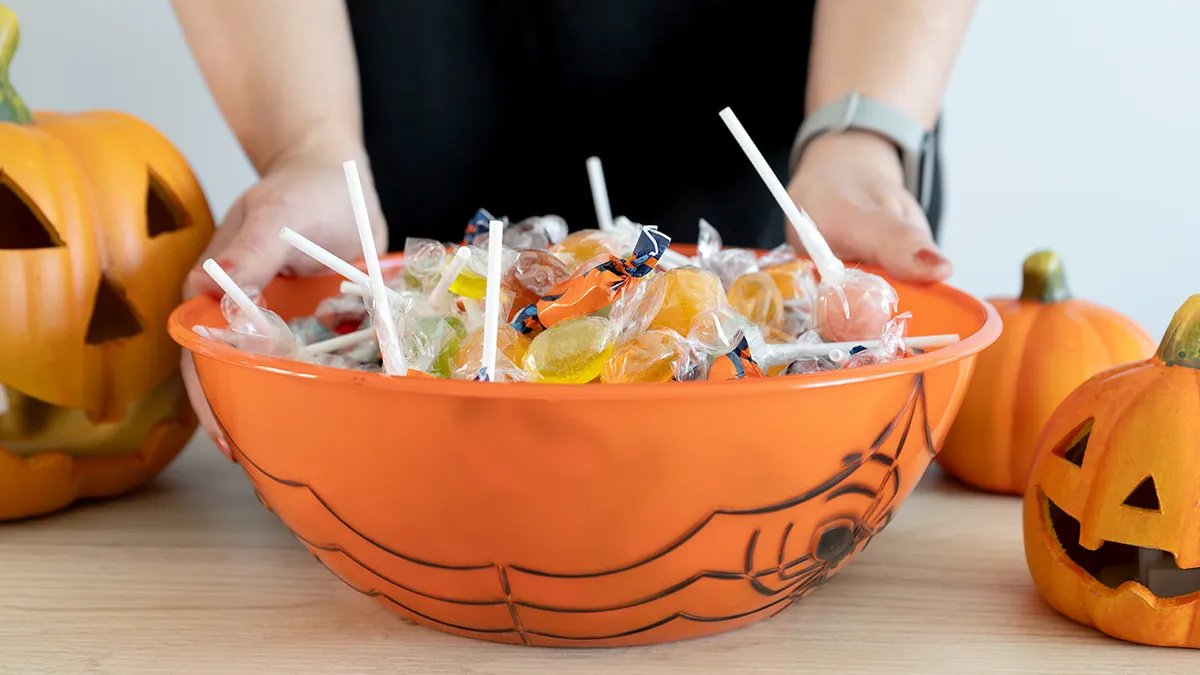
First on the list are M&M’s, which Hari notes contain ten different artificial dyes in the American version. “Artificial dyes are linked to hyperactivity in kids, requiring a warning label in Europe,” she explained. Some research also suggests links to immune system disruption.
Reese’s Peanut Butter Cups also draw criticism for containing the synthetic preservative TBHQ (tertiary-butylhydroquinone). Hari avoids this ingredient, citing studies that suggest it may harm the immune system and is banned for use in food in other countries like Japan. A 2019 study found that TBHQ suppressed the body’s immune response when fighting the flu in mice. This complex issue is why some halloween candies facing backlash contain these additives.
From Preservatives to Corn Syrup: A Deeper Look
The list of concerning ingredients doesn’t end with dyes and preservatives. Simple sugars and other additives are also under the microscope. Dum-Dums lollipops, for instance, are flagged by Hari for being “filled with corn syrup, artificial flavors and artificial dyes.” Similarly, Skittles has been a focus due to its past use of titanium dioxide, an additive used to make food look whiter.
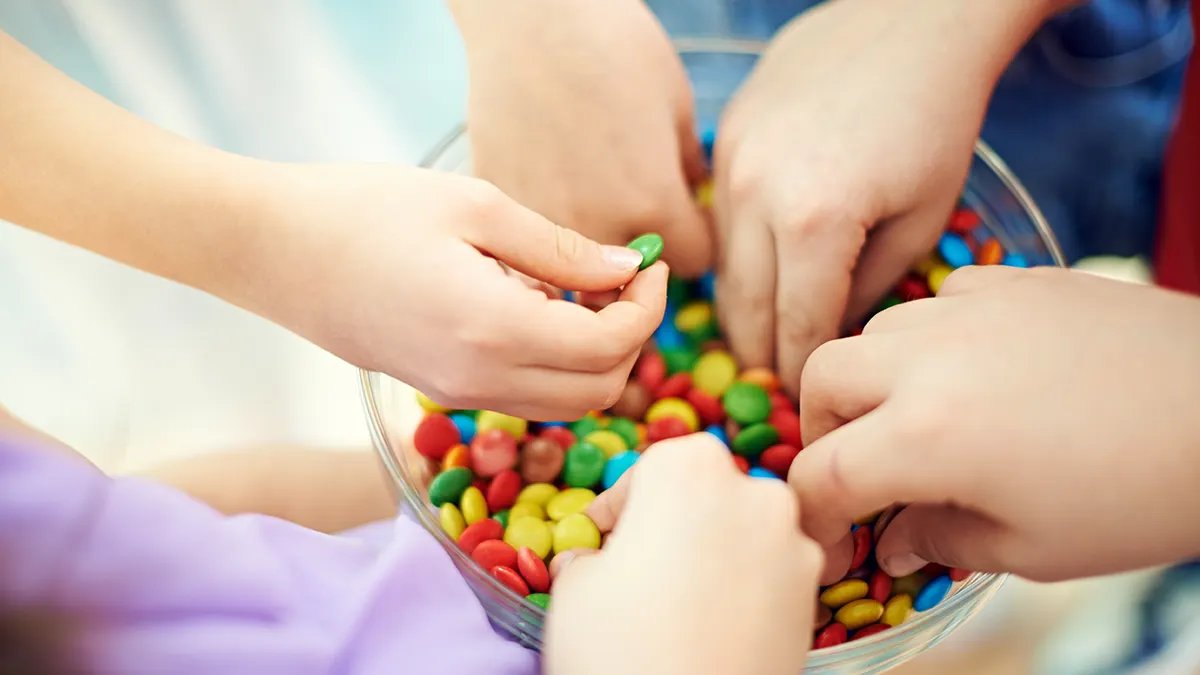
However, consumer pressure appears to be working. Mars Wrigley, which owns Skittles, confirmed that the candy would no longer be made with titanium dioxide. This move came after a MAHA report listed the additive as a potential concern. The public pressure some halloween candies facing has already led to positive changes, demonstrating the power of consumer demand.
| Candy | Controversial Ingredient(s) | Potential Health Concerns |
|---|---|---|
| M&M’s | Artificial Dyes (e.g., Yellow 5, Red 40) | Linked to hyperactivity in children |
| Reese’s Peanut Butter Cups | TBHQ (Synthetic Preservative) | May harm immune function; banned in some countries |
| Dum-Dums | Corn Syrup, Artificial Flavors & Dyes | High sugar content, contains additives of concern |
| Skittles (past formula) | Titanium Dioxide | Potential for cellular and DNA damage |
“Even occasional exposure to these additives contributes to inflammation, behavioral changes and gut imbalance.”
Healthier Alternatives for a Happy Halloween

Fortunately, parents don’t have to skip Halloween fun altogether. Mackintosh emphasizes that cleaner options are available. “You don’t have to be the no-fun house or hand out raisins,” she said. Healthier alternatives to some halloween candies facing criticism are becoming more common and accessible.
Both experts recommend looking for brands that use natural ingredients. While no candy is truly “healthy,” making better choices is possible. Here are some suggested swaps:
- Justin’s Organic Peanut Butter Cups
- Unreal Chocolates
- Lily’s No-Sugar-Added Bars
- Amara Fruit Snacks
- YumEarth Organic Lollipops

Hari also suggests Lake Champlain organic Halloween chocolates and notes that the YumEarth brand offers great alternatives for treats like Skittles and Dum-Dums without dyes or corn syrup.

Ultimately, the discussion around some halloween candies facing backlash is about transparency and choice. As consumers become more aware of what goes into their food, companies are incentivized to create better products. This Halloween, a quick scan of the ingredient label can help you make more informed choices for your family and neighborhood trick-or-treaters.
What are your thoughts on this year’s Halloween candy debate? Do you check ingredient labels before buying treats for trick-or-treaters? Share your opinions and favorite healthier alternatives in the comments below!