Smoothies have become a cornerstone of modern wellness culture, celebrated as a quick and delicious way to pack a nutritional punch into our daily routine. We carefully select our ingredients—vibrant berries for antioxidants, leafy greens for vitamins, and of course, a banana for that perfect creamy texture and natural sweetness. However, groundbreaking research from scientists at the University of California, Davis, delivers a startling revelation: that beloved banana, the seemingly innocent foundation of countless smoothies, might be the very ingredient undoing all your good work. The study suggests that bananas may be sabotaging your smoothie’s health benefits by drastically reducing the absorption of vital compounds from other fruits.
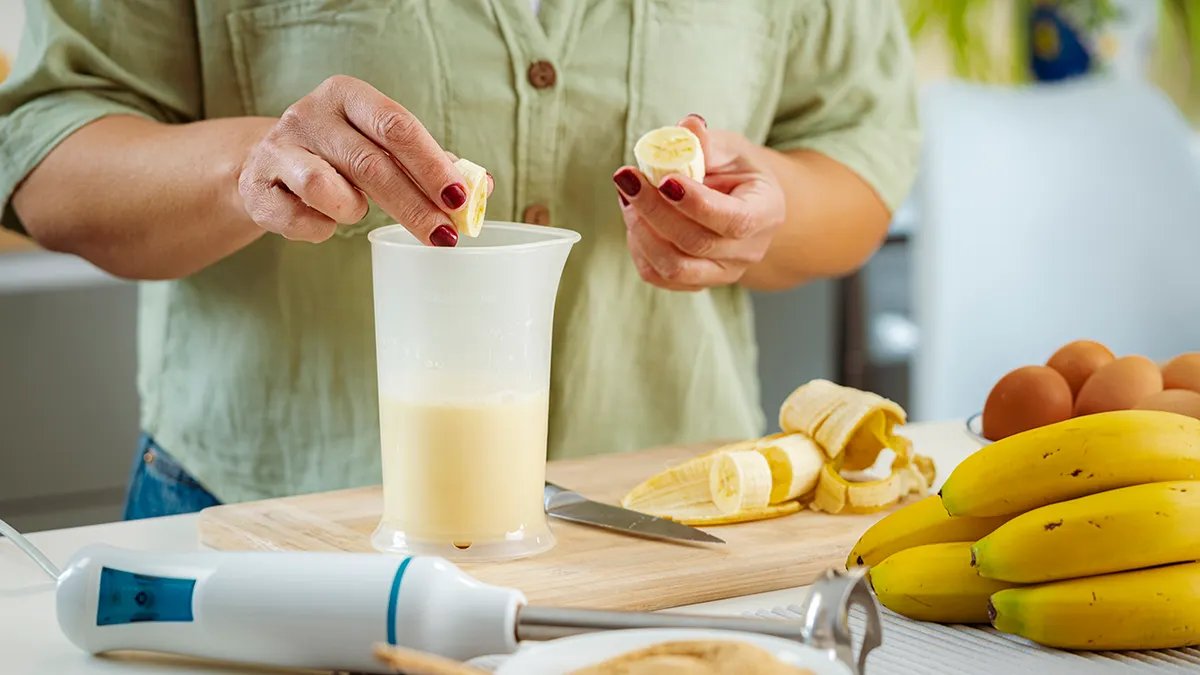
For years, health enthusiasts have blended bananas with berries, believing they were creating the ultimate superfood beverage. Unfortunately, this new research, published in the journal Food & Function, indicates this popular combination could slash the absorption of the berries’ heart- and brain-boosting compounds, known as flavanols, by as much as 84%. This isn’t just a minor reduction; it’s a significant loss of the very nutrients many of us drink smoothies to obtain. The finding forces us to reconsider our blending habits and understand the complex chemistry happening inside our blenders.
The core of the issue lies in a specific enzyme called polyphenol oxidase, or PPO. This enzyme is highly active in certain fruits and vegetables, with bananas being a prime example. Understanding PPO is key to grasping why this seemingly healthy combination backfires. The implications of this study extend beyond a single recipe, prompting a wider conversation about how food preparation and ingredient pairing can dramatically alter the nutritional value of our meals.
The Science Behind the Smoothie Sabotage: Unmasking Polyphenol Oxidase
If you’ve ever sliced an apple or banana and watched it turn brown, you’ve witnessed polyphenol oxidase (PPO) in action. This enzyme is responsible for the oxidation process that causes discoloration when the fruit’s flesh is exposed to air. While this browning is a natural process, the UC Davis study reveals its more detrimental effect within a smoothie: PPO actively breaks down flavanols, rendering them less available for your body to absorb and use.
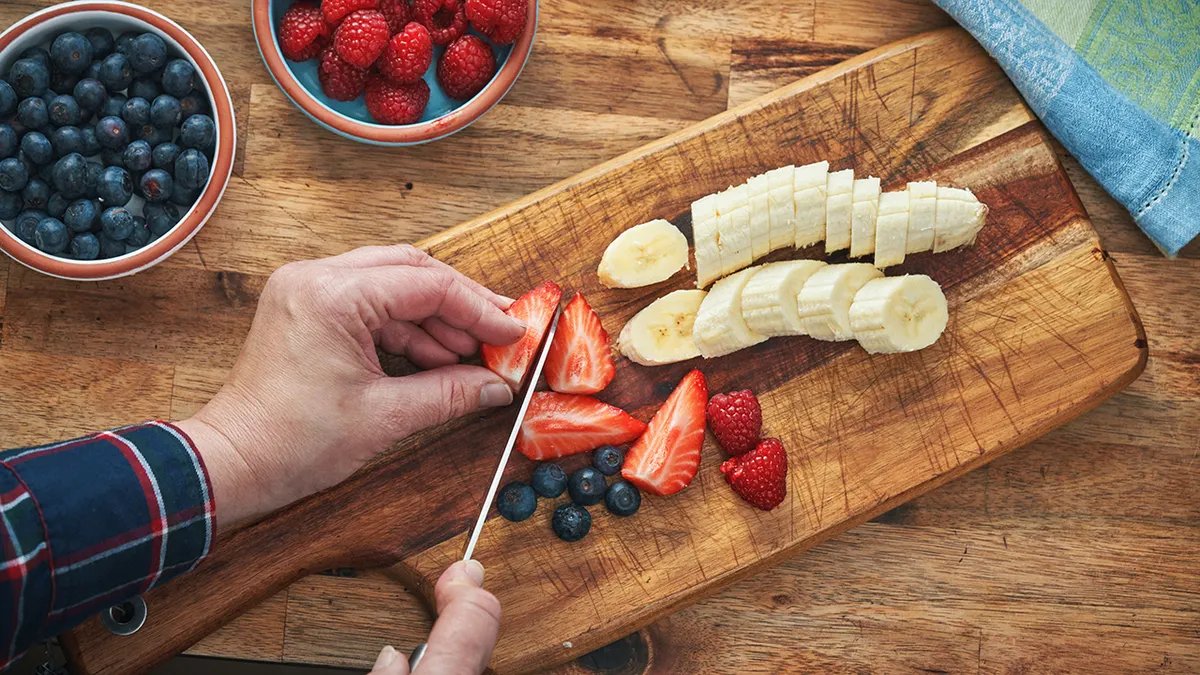
To investigate this, researchers conducted a clinical study where participants consumed a berry smoothie. One group had a smoothie with a banana added, while the other had a berry-only smoothie. The results were stark. Blood and urine samples showed that those who drank the banana-berry smoothie had significantly lower levels of flavanols in their bodies compared to the control group. Lead researcher Javier Ottaviani expressed his surprise at “how quickly and significantly the addition of just one banana reduced flavanol content.” This rapid degradation means that from the moment the blender starts whirring, the nutritional battle is already being lost.
Even more surprisingly, the study found that the negative effect of PPO persists even if the banana isn’t blended directly with the flavanol-rich food. Consuming a banana around the same time as a flavanol source still led to reduced absorption, suggesting the enzyme continues its destructive work during digestion. This highlights the potency of PPO and the importance of mindful food pairing, not just within a single recipe, but across an entire meal.
What Are Flavanols and Why Do They Matter?
To fully appreciate the impact of this research, it’s essential to understand what flavanols are. Flavanols are a type of flavonoid, a class of beneficial plant compounds found in a variety of foods, including berries, grapes, apples, tea, and cocoa. They are powerful antioxidants known for their positive effects on cardiovascular and cognitive health. Studies have linked regular flavanol consumption to improved blood flow, lower blood pressure, and enhanced brain function.
The Academy of Nutrition and Dietetics recommends a daily intake of 400 to 600 milligrams of flavanols to reap these health benefits. Achieving this target is manageable through a diet rich in fruits and vegetables. However, as the UC Davis study shows, how you combine these foods is critical. If your primary source of flavanols comes from a daily berry smoothie, and that smoothie always includes a banana, you may be falling far short of your nutritional goals without even realizing it. The discovery that **bananas may be sabotaging** this intake is a crucial piece of information for anyone focused on optimizing their health through diet.
How to Build a Flavanol-Fortified Smoothie
The good news is that you don’t have to give up on smoothies or bananas entirely. The key is to be strategic with your ingredients. By understanding which foods are high in PPO and which are low, you can design smoothies that preserve, rather than destroy, precious flavanols. This shift in thinking allows you to continue enjoying creamy, delicious drinks while maximizing their health benefits.

Smart Swaps and Powerful Pairings
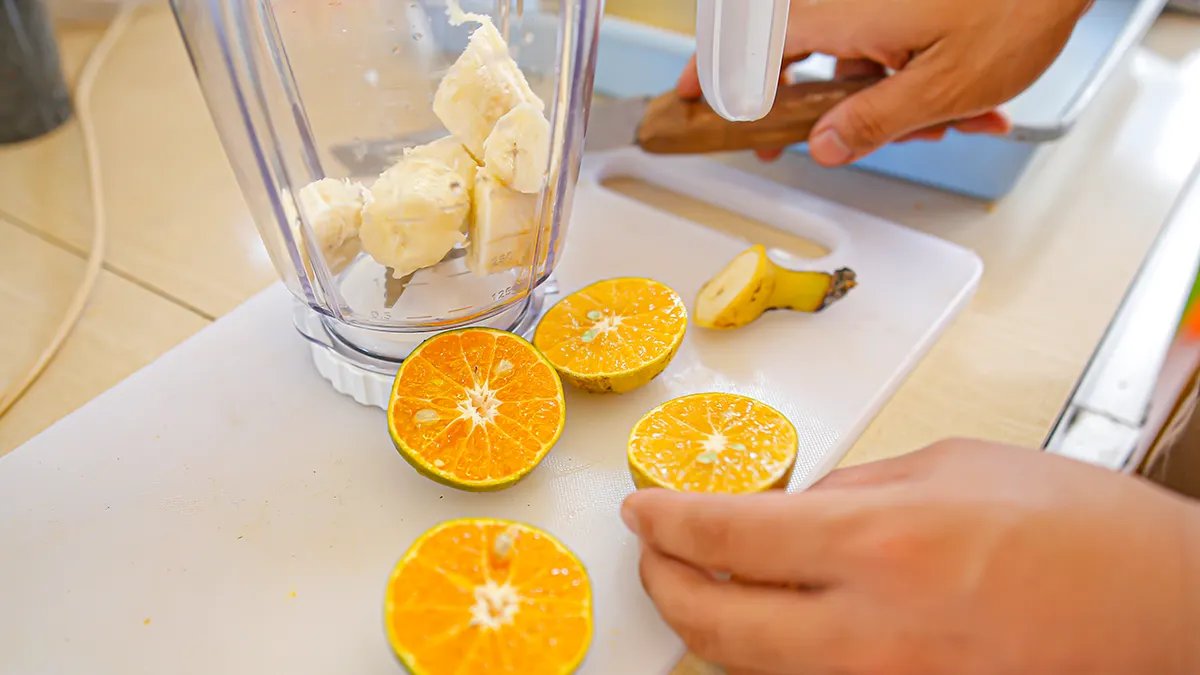
If your goal is to maximize flavanol intake, the solution is simple: pair flavanol-rich foods like berries, spinach, and cocoa with fruits that are low in PPO activity. Excellent choices include pineapple, mangoes, oranges, and other citrus fruits. These fruits not only preserve the flavanols but also add their own unique flavors and nutritional profiles. Yogurt is another great low-PPO addition that can provide the creaminess many seek from bananas.
Dr. Parth Bhavsar, a family medicine physician not involved in the study, advises “moderation and rotation.” He suggests that you don’t need to banish bananas forever. “If you enjoy your bananas in a smoothie, go for it. But you could switch between making berry and banana smoothies.” On days you prioritize flavanols, opt for a banana-free recipe. On other days, enjoy your classic banana smoothie, recognizing that while it’s still a source of potassium and fiber, it won’t be a flavanol powerhouse.
To help you navigate your smoothie choices, here is a breakdown of common ingredients and their impact on flavanols:
Beyond Smoothies: A Wider Look at Food Synergy
The phenomenon of one food interfering with the nutrient absorption of another is not unique to bananas and berries. This principle, known as food synergy (or lack thereof), applies to many other common dietary pairings. Understanding these interactions can help you make more informed choices to optimize your overall nutrition. What we’re learning is that the total nutritional value of a meal is not always the simple sum of its parts.
For instance, the tannins found in tea and coffee can inhibit the absorption of iron from plant-based sources. Similarly, calcium can compete with iron for absorption, which is why it’s often recommended to take iron supplements separately from calcium-rich foods or supplements. A very high-fiber meal can also limit the absorption of certain minerals. As Dr. Bhavsar notes, these effects “can add up in patterns over time,” potentially leading to nutritional deficiencies if not addressed.
This doesn’t mean we should live in fear of combining foods. Instead, it underscores the importance of a diverse and varied diet. By rotating the foods you eat and the way you prepare them, you can ensure a broader spectrum of nutrient absorption and minimize the negative impact of any single food pairing. The revelation that **bananas may be sabotaging** your smoothie is a perfect example of this principle in action—it’s not about demonizing a healthy food but about understanding its role in the context of a meal.
Ultimately, this research serves as a powerful reminder that nutrition is a complex science. While a banana-berry smoothie is certainly healthier than many breakfast alternatives, a few simple tweaks can transform it from a good choice into a great one. By swapping out the banana for pineapple or mango on days you want a flavanol boost, you take control of your nutrition and ensure your smoothie is truly living up to its “superfood” potential.
This new insight into smoothie science is a call to be more mindful in the kitchen. What are your go-to smoothie recipes? After learning about the impact of PPO, will you be making any changes to your blending routine? Share your thoughts and favorite flavanol-friendly combinations in the comments below!