The air is crisp, carols fill the malls, and fairy lights twinkle with a cheerful, almost defiant glow. For most, Christmas Eve is a day synonymous with warmth, family, and anticipation—a time for joy and festive cheer. But for a passionate, vocal segment of the global population, December 24th carries a far heavier, somber weight. It’s a date etched into their minds not with merriment, but with a profound sense of loss and an almost tangible dread. For them, for us, it’s a day of mourning. We are the devoted followers of Jujutsu Kaisen, and this particular holiday triggers a collective shudder, a chilling reminder of one of the most brutal and heart-wrenching arcs in modern manga and anime: the Shibuya Incident. It’s a strange dichotomy, isn’t it? The world celebrates, while a fandom quietly reflects on the unspeakable tragedy that unfolded on this very date within their cherished narrative. The very mention of “December 24th” sends a ripple of sadness through the community, immediately conjuring images of betrayal, sacrifice, and the sealing of the world’s strongest sorcerer, Gojo Satoru. This isn’t just a story beat; it’s an emotional scar, a shared experience of profound grief that binds us together.
What makes this fictional event so potent that it transforms a universally festive day into one of solemn remembrance? The answer lies in the masterful storytelling of Gege Akutami, who crafted an arc so impactful, so relentless in its devastation, that its repercussions continue to echo through the hearts of fans long after the pages are turned or the episodes end. It’s not merely about fictional characters dying; it’s about the brutal dismantling of hope, the tragic loss of innocence, and the sheer, overwhelming scale of an urban catastrophe that redefined what a shonen series could be. Every year, as the holiday decorations go up, we can’t help but recall the chaos, the screams, and the irrevocable changes that plunged the world of Jujutsu Kaisen into an even deeper abyss.
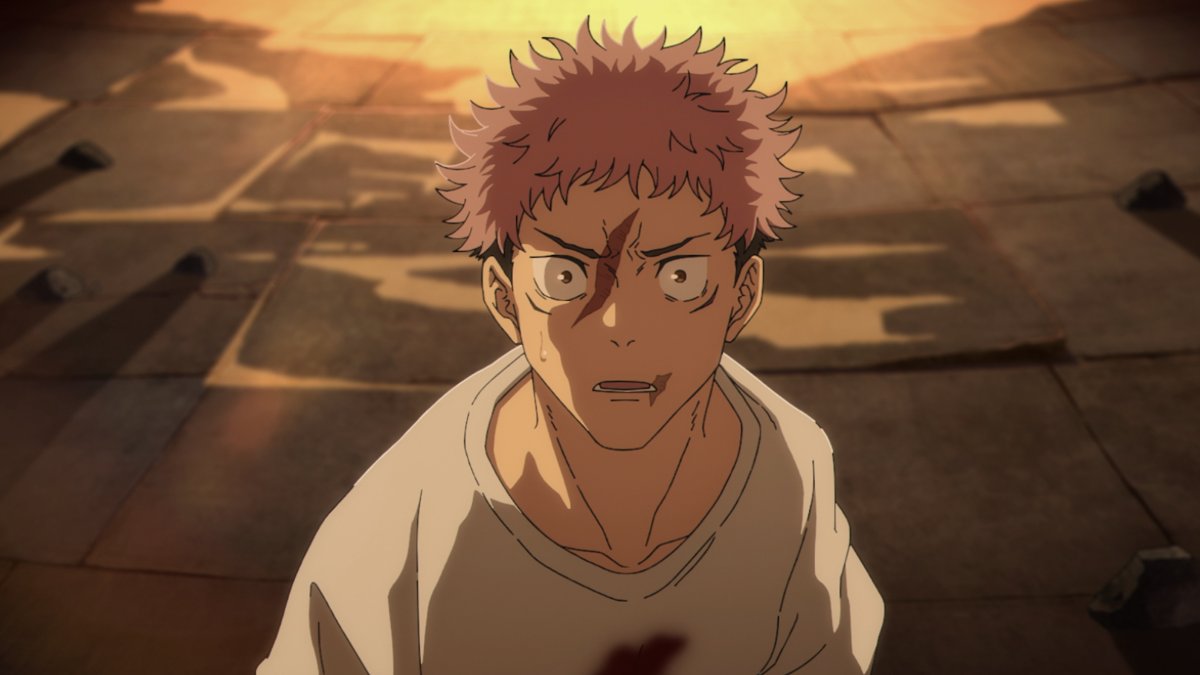
The Shadow of Shibuya: Why December 24th Became a Day of Dread
The Shibuya Incident wasn’t just another battle; it was a strategically executed assault on the heart of Tokyo, and by extension, on the very fabric of the Jujutsu Kaisen world. Masterminded by the malevolent Pseudo-Geto and his alliance of powerful curses, the plan was simple yet devastatingly effective: trap Gojo Satoru, the strongest sorcerer, and unleash chaos. The chosen date, December 24th, added an ironic layer of cruelty to the events. While the rest of the world was preparing for Christmas, the bustling district of Shibuya became a literal war zone, a cage of flesh and curses designed to break the spirits of both characters and viewers alike.
“I still remember reading those chapters, my stomach in knots,” shared avid fan Maya Rodriguez on a fan forum. “It wasn’t just a fight; it was an apocalypse unfolding in real-time. The sheer scale of destruction, the helplessness of the civilians… it was truly horrifying.” Indeed, the arc meticulously detailed the descent into madness: the innocent people trapped, transformed, or killed; the desperate struggle of the sorcerers against overwhelming odds; and the horrifying realization that their greatest protector was incapacitated. It was a brutal wake-up call, shattering any illusions of safety or conventional shonen heroism. The meticulous planning of the villains, combined with the sheer power imbalance, made every moment a tense, nail-biting experience, leaving a lasting scar on the fandom.
The Unforgettable Losses: Characters We Mourn
The Shibuya Incident is infamous for its high casualty count, both among innocent civilians and beloved characters. The most immediate and seismic shockwave came with the sealing of Gojo Satoru. His overwhelming power had been the cornerstone of the Jujutsu world’s balance, and his removal plunged everything into immediate disarray. It felt like a punch to the gut, truly, seeing the invincible Gojo-sensei trapped, leaving his students and allies vulnerable. The visual of him being absorbed into the Prison Realm became an iconic, heartbreaking image.
But the pain didn’t stop there. The arc delivered a series of devastating blows that left fans reeling. Perhaps none hit harder than the death of Kento Nanami. Nanami, with his no-nonsense attitude, relatable work ethic, and underlying kindness, was a beacon of grounded maturity in a chaotic world. His brutal demise, after having his body horrifically disfigured and then facing Mahito, left Yuji Itadori and the audience shattered. “Nanami’s death hit me harder than almost anything,” confessed a user named ‘JJK_Heartbreak’ online. “He was the adult, the anchor. Seeing Yuji’s reaction, that was just gut-wrenching.” His final, simple words to Yuji – a passing of the torch, a final hope – continue to resonate with a chilling poignancy.
And then there’s the ambiguous fate of Nobara Kugisaki. Her presumed death, or at least severe injury, at Mahito’s hands, delivered another crushing blow. Nobara was a vibrant, fiery presence, a crucial part of the core trio. To see her potentially extinguished, along with the promise of her future, was a profound loss that left many fans desperate for a miraculous return, a hope that still flickers for some. Other significant losses included Mechamaru, whose sacrifice was a poignant moment of clarity and love amidst the chaos, and countless nameless sorcerers who fell trying to contain the disaster. The sheer volume of grief, the relentless nature of the casualties, ensured that the Shibuya Incident would forever be etched in the fandom’s collective memory as a period of profound sorrow.
Gege Akutami’s Masterclass in Heartbreak
Part of the reason the Shibuya Incident resonates so deeply is Gege Akutami‘s unflinching commitment to realism and consequence, even in a world of curses and magic. This isn’t a story where heroes always win, or where sacrifices are easily brushed aside. Akutami builds characters with depth and flaws, making their eventual suffering or demise all the more impactful. They don’t pull punches, and that’s precisely why we’re so invested.
The author doesn’t shy away from depicting the psychological toll of fighting curses, the moral ambiguities, and the brutal reality of war. “It feels less like a typical battle manga and more like a war documentary sometimes,” noted one manga reviewer, praising Akutami’s ability to create stakes that feel genuinely life-or-death. Every decision has weight, every death leaves a void, and the narrative never allows characters (or readers) to fully recover before the next challenge emerges. This narrative brutality, while painful, is also a testament to the masterful storytelling that elevates Jujutsu Kaisen beyond many of its contemporaries. It respects the intelligence and emotional capacity of its audience, inviting them to genuinely grieve alongside the characters.
The Anime Adaptation: Reliving the Trauma in Vivid Detail
If reading the manga was a harrowing experience, watching Studio MAPPA’s anime adaptation of the Shibuya Incident was a whole new level of agony. The visual and auditory experience amplified every gut-wrenching moment. The animation was spectacular, transforming Akutami’s intense panels into fluid, visceral battles. The dynamic camera work, the breathtaking effects for cursed techniques, and the sheer scale of the destruction were brought to life with unparalleled artistry.
But it was the sound design and voice acting that truly drove the emotional spikes home. The screams of the trapped civilians, the sickening thuds of impacts, the eerie silence preceding a devastating attack, and the raw, guttural cries of pain from the sorcerers – it all combined to create an immersive, traumatic experience. “Watching it animated was a whole new level of agony,” admitted one fan during the anime’s broadcast. “The sound design alone was chilling. I remember pausing the episode, just needing a moment to breathe after *that* scene with Nanami. It felt so real.” The widespread fan reaction during the anime’s run underscored just how deeply these events resonated. Social media exploded with shared grief, discussions, and a collective need to process the emotional onslaught. MAPPA didn’t just adapt the story; they ensured its emotional impact was felt with devastating clarity, making the Shibuya Incident a landmark in anime history for its brutal honesty.
Beyond Shibuya: The Lingering Aftermath
The events of December 24th didn’t end when the Shibuya Arc concluded; they merely set the stage for everything that followed. The Shibuya Incident irrevocably altered the trajectory of Jujutsu Kaisen, creating a world plunged deeper into chaos and desperation. The absence of Gojo Satoru meant the balance of power shifted dramatically, leaving the remaining sorcerers exposed and vulnerable. Characters like Yuji Itadori and Megumi Fushiguro were forced to confront not only personal loss but also the unraveling of the society they knew.
The immediate aftermath saw the Jujutsu world thrown into disarray: new antagonists emerged, alliances shattered, and the Jujutsu High students were branded as criminals. It’s not just about what happened, but what *continues* to happen because of it. The psychological scars on Yuji Itadori are immense; he carries the weight of Nanami’s death and countless others, pushing him to the brink. The series embraced a darker, grittier tone, reflecting the profound trauma inflicted during those fateful hours. Fan theories abound, constantly dissecting the long-term implications, hoping for a return of the lost, and bracing themselves for further heartbreak. The Shibuya Incident isn’t just a plot point; it’s the defining event that shaped the very soul of Jujutsu Kaisen.
A Fandom United in Grief (and Memes)
It’s a strange thing, this collective mourning for fictional events, yet it’s a powerful testament to the storytelling. The Jujutsu Kaisen community copes with the ongoing trauma of the series in various ways, often oscillating between genuine sorrow and a unique brand of dark humor. You see the memes, of course—ironic jokes about “Happy Christmas Eve!” contrasted with panels of destruction—but underneath it all, there’s a real understanding of the collective heartbreak. It’s a way to process the pain, to find solidarity in shared suffering.
This shared experience strengthens the fandom bond. Every December 24th, social media platforms are awash with fan art, heartfelt tributes, and discussions reflecting on the Shibuya Incident. “Every December 24th, my timeline is just JJK pain. It’s beautiful, in a way,” commented Twitter user @CurseUserVibes. “We all get it. We all remember.” This isn’t just about sadness; it’s about acknowledging the profound impact a story can have, the way it can create a shared emotional landscape. It’s a poignant reminder that even in fiction, certain dates can become powerful symbols, capable of evoking strong, complex emotions that resonate far beyond the page or screen. It’s a testament to the emotional investment fans have in these characters and this world, making their joys and sorrows our own.
Conclusion
So, as the holiday season approaches, remember those of us who feel a slight chill, a pang of somber reflection amidst the festive cheer. For Jujutsu Kaisen fans, Christmas Eve, December 24th, isn’t just another day on the calendar; it’s a date forever linked to the devastating Shibuya Incident. It’s a day of mourning, a stark reminder of the sacrifices, losses, and profound shifts that reshaped a beloved narrative. The masterful storytelling of Gege Akutami, amplified by Studio MAPPA’s incredible animation, ensured that these fictional events would leave very real emotional scars. It reminds us of the power of art to create worlds so vivid, and characters so real, that their suffering becomes our own. While the world outside celebrates, a dedicated community silently grieves, bound by a shared understanding of Jujutsu Kaisen’s enduring tragedy. And perhaps, in that shared grief, there’s a different kind of connection, a unique form of solidarity forged in the fires of Shibuya’s darkest hour.
Frequently Asked Questions
| Why is Christmas Eve considered a day of mourning for Jujutsu Kaisen fans? | Christmas Eve, specifically December 24th, marks the date of the devastating Shibuya Incident in the Jujutsu Kaisen manga and anime. This event led to immense tragedy, including the sealing of the powerful sorcerer Satoru Gojo, the deaths of beloved characters like Kento Nanami, and profound suffering for the protagonists, leaving fans with a lasting sense of loss and grief tied to the holiday. |
| How does the Shibuya Incident impact the overall narrative of Jujutsu Kaisen? | The Shibuya Incident is a pivotal turning point that irrevocably alters the landscape of the Jujutsu Kaisen world. It escalates the conflict between sorcerers and curses, pushes the remaining characters to their limits, and sets the stage for the series’ darker, more desperate future. The event creates long-lasting emotional and physical scars, driving much of the subsequent plot. |
| How did the anime adaptation portray the intensity of the Shibuya Incident? | Studio MAPPA’s anime adaptation of the Shibuya Incident was critically acclaimed for its breathtaking animation, visceral fight choreography, and emotional depth. The use of dynamic camera work, haunting sound design, and powerful voice acting amplified the manga’s already intense moments, making the tragedy even more impactful and traumatic for viewers to experience. |
| What challenges did the characters face during the Shibuya Incident? | The characters faced overwhelming challenges during the Shibuya Incident, including being ambushed by powerful curse users and curses, the strategic sealing of Satoru Gojo which removed their strongest asset, facing seemingly insurmountable odds, and enduring significant physical and psychological trauma. They were forced to make impossible choices and witness the horrific loss of allies and countless innocent lives. |
| What does the future hold for the remaining Jujutsu Kaisen characters after Shibuya? | After the Shibuya Incident, the future for the remaining Jujutsu Kaisen characters is grim and uncertain. They are left to grapple with the fallout of a world thrown into chaos, operating without their strongest protector, and facing a formidable enemy that has gained significant power. The path forward is filled with more sacrifices, difficult battles, and the constant threat of further loss as they fight for the survival of their world. |
Important Notice
This FAQ section addresses the most common inquiries regarding the topic.