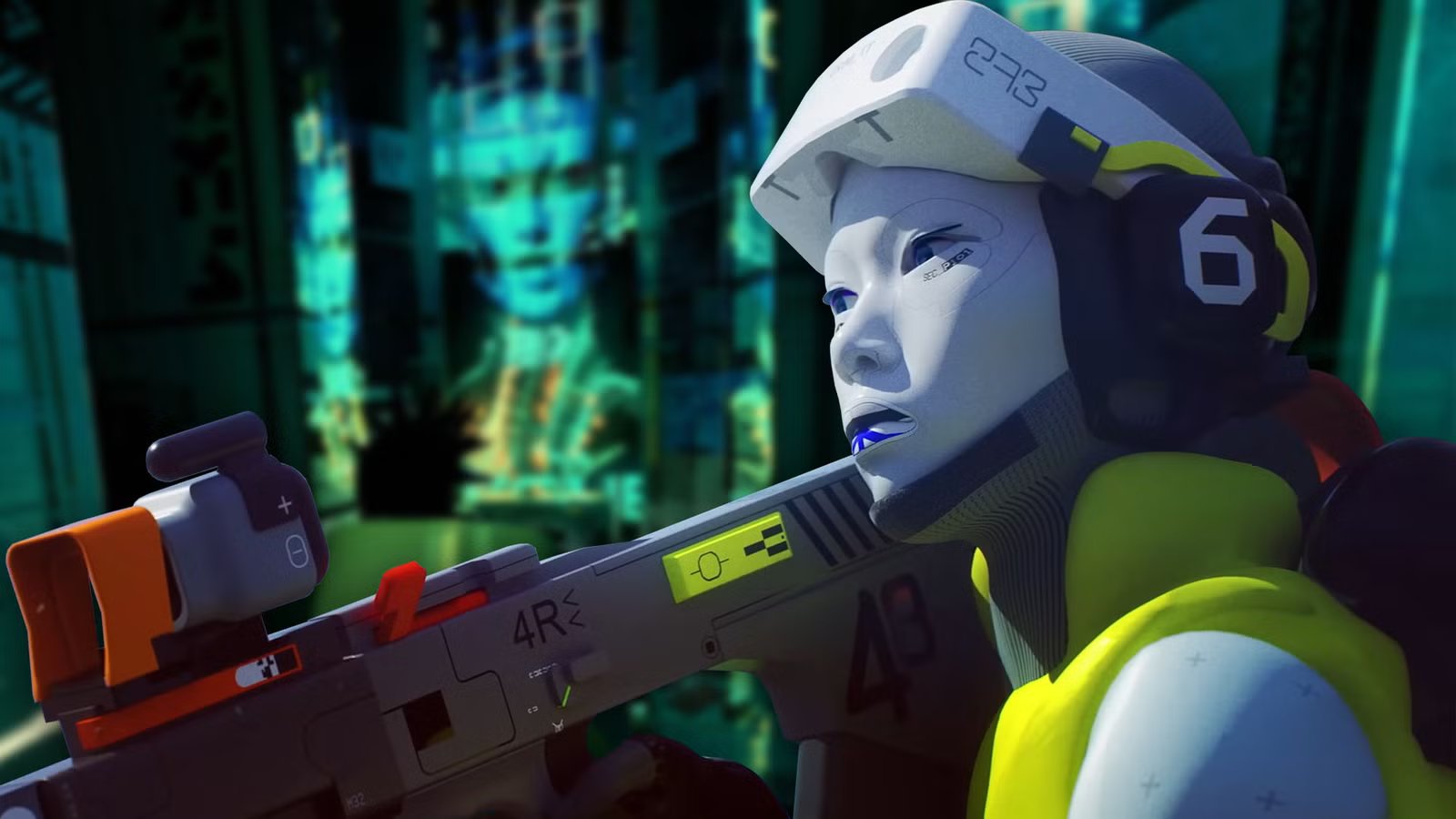
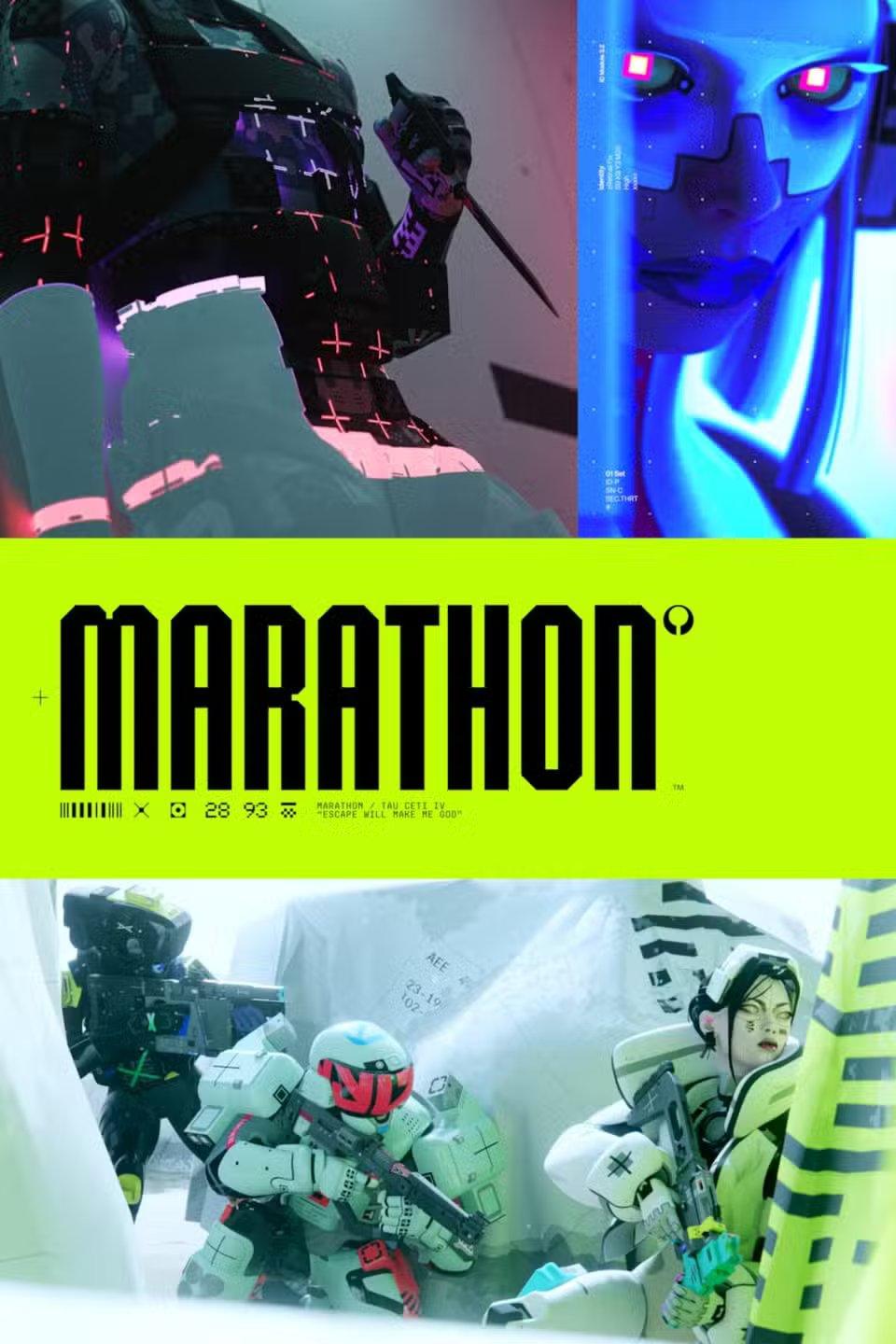
The air crackled with anticipation at the Marathon gameplay reveal. Fans, myself included, were glued to screens, eager for a glimpse of Bungie’s reimagining of the classic franchise. But the excitement quickly turned to shock for one artist, whose familiar designs seemed to be… well, *very* familiar. It wasn’t just a case of similar aesthetics; it appeared to be a direct lift. The accusations of plagiarism against Bungie’s new Marathon game have sent shockwaves through the gaming and art communities, igniting a fierce debate about copyright, artistic integrity, and the responsibilities of major game developers. Now, the artist at the center of the controversy has issued an official statement, adding fuel to the already raging fire. (I honestly couldn’t believe my eyes when I saw the comparisons online. It’s blatant!) The artist, who prefers to remain anonymous for now due to the sensitive nature of the situation, alleges that key visual elements featured in the game’s promotional materials and gameplay trailers bear a striking resemblance to their original artwork, which has been publicly available for several years. This isn’t just a minor detail; the plagiarized elements are integral to the overall aesthetic and world-building of Marathon, potentially undermining the creative efforts of Bungie’s own team and raising serious questions about their vetting process. The impact of this plagiarism accusation extends beyond the immediate parties involved. It highlights the ongoing struggle for artists to protect their intellectual property in the digital age, where their work can be easily copied, shared, and repurposed without their consent or knowledge. The statement from the artist details the emotional and financial toll this alleged plagiarism has taken, emphasizing the need for stronger copyright protections and greater awareness within the gaming industry.
The gaming world is abuzz with this accusation. Imagine pouring your heart and soul into a piece of art, only to see it replicated in a major video game without your permission. That’s the reality for the artist accusing Bungie. This plagiarism controversy casts a shadow over the highly anticipated Marathon reboot, leaving fans wondering how Bungie will respond and what measures will be taken to address the artist’s concerns. This situation underscores the importance of ethical practices and respecting intellectual property within the creative industries. It also raises broader questions about the role of large corporations in safeguarding the rights of individual creators. (Honestly, it’s a David versus Goliath situation, and I’m rooting for David!) The artist‘s decision to issue a statement is a powerful act of defiance, demanding accountability and sparking a much-needed conversation about copyright infringement in the gaming industry.
The timing of this plagiarism claim couldn’t be worse for Bungie. With the Marathon reboot representing a significant investment and a strategic move to diversify their portfolio, the company is now facing a PR nightmare that threatens to tarnish its reputation. The artist‘s statement has resonated with many in the online community, who are expressing their support for the artist and calling for Bungie to take immediate action. The pressure is mounting, and Bungie’s response will undoubtedly be closely scrutinized by the gaming press, legal experts, and the public alike. The resolution of this copyright dispute will have far-reaching implications, potentially setting a precedent for future cases of art theft in the video game industry.
The Artist’s Statement: A Cry for Justice
The artist’s statement, released via a series of tweets and a more formal document shared with select media outlets, is both powerful and poignant. It details the painstaking process of creating the original artwork, the emotional connection the artist has to their work, and the devastating impact of seeing it allegedly replicated in such a high-profile project.
“It’s not just about the money,” the artist writes in the statement. “It’s about the principle. It’s about the years of dedication and hard work that go into creating something original, something that comes from the heart. To see that taken and used without permission, without even a nod of acknowledgement, is incredibly disheartening.”
The statement goes on to outline the specific instances of alleged plagiarism, providing detailed comparisons between the artist‘s work and the Marathon game assets. These comparisons include visual similarities in character designs, environment art, and even specific prop details. It’s pretty damning evidence. (I’ve seen the comparison images, and the similarities are uncanny. It’s hard to argue that it’s just a coincidence.)
The artist is seeking both financial compensation and, perhaps more importantly, a public acknowledgement from Bungie regarding the alleged copyright infringement. They also hope that this situation will serve as a wake-up call for the gaming industry, prompting developers to be more diligent in respecting the rights of independent artists.
Bungie’s Response: Silence and Uncertainty
As of now, Bungie has remained largely silent regarding the plagiarism accusations. The company has not issued an official statement addressing the artist‘s claims, nor has it commented on the specific instances of alleged art theft. This silence has been interpreted by some as an admission of guilt, while others believe that Bungie is simply taking time to investigate the matter thoroughly.
However, the lack of communication has only fueled the online backlash, with many gamers and artists expressing their disappointment and anger towards Bungie. The hashtag #BungiePlagiarism is trending on social media, and numerous online petitions are calling for Bungie to take responsibility for its actions.
“It’s really disappointing to see a company like Bungie, which is known for its creative excellence, potentially engaging in this kind of behavior,” says one commenter on a gaming forum. “I hope they address this issue quickly and take appropriate action to make amends.”
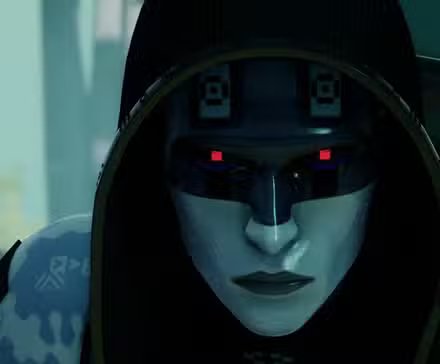
The silence from Bungie is deafening. (It makes you wonder what’s going on behind the scenes. Are they scrambling to figure out a response? Are they hoping the whole thing will just blow over?) The lack of transparency is only making the situation worse, and it’s damaging Bungie’s reputation in the process.
The Legal Implications: Copyright Law and Fair Use
The plagiarism accusations against Bungie raise several complex legal questions surrounding copyright law and the concept of fair use. Copyright law protects the rights of artists to control the reproduction, distribution, and adaptation of their original works. However, there are certain exceptions to copyright protection, such as fair use, which allows for the use of copyrighted material for purposes such as criticism, commentary, news reporting, teaching, scholarship, or research.
In this case, the key question is whether Bungie’s alleged use of the artist‘s work falls under the fair use doctrine. Factors that courts consider when determining fair use include the purpose and character of the use, the nature of the copyrighted work, the amount and substantiality of the portion used, and the effect of the use upon the potential market for or value of the copyrighted work.
If Bungie’s use of the artist‘s work is found to be infringing, the artist could be entitled to damages, including compensation for lost profits and an injunction preventing Bungie from further using the copyrighted material.
However, proving copyright infringement can be a challenging legal battle, especially when dealing with large corporations like Bungie. The artist will need to demonstrate that their work is original, that Bungie had access to their work, and that there is substantial similarity between their work and the Marathon game assets.
The Impact on the Gaming Community: Ethical Considerations
The plagiarism controversy surrounding Bungie’s Marathon game has sparked a broader discussion within the gaming community about ethical considerations and the responsibility of game developers to respect the rights of artists. Many gamers are expressing their support for the artist and calling for greater transparency and accountability within the industry.
“This situation highlights the importance of supporting independent artists and ensuring that their work is properly credited and compensated,” says one gamer on Twitter. “We need to hold game developers accountable for their actions and demand that they respect intellectual property rights.”
The controversy also raises questions about the role of art direction and creative inspiration in game development. While it’s common for artists to draw inspiration from existing works, there’s a clear line between inspiration and plagiarism. Developers need to ensure that their creative process is ethical and that they are not simply copying or appropriating the work of others without permission.
The Marathon controversy serves as a reminder that the gaming industry is not immune to issues of copyright infringement and that developers have a responsibility to uphold ethical standards and respect the rights of artists. (I hope this situation leads to more awareness and better practices within the industry. Artists deserve to be protected!)
Possible Outcomes: Settlement, Lawsuit, or Damage Control
The future of the Marathon plagiarism case remains uncertain, but several possible outcomes are on the table. One possibility is that Bungie and the artist will reach a settlement agreement, in which Bungie would compensate the artist for the alleged copyright infringement and potentially make changes to the game to address the similarities between the artist‘s work and the Marathon assets.
Another possibility is that the artist will file a lawsuit against Bungie, seeking damages and an injunction. A lawsuit would likely be a lengthy and costly process, but it could ultimately result in a court order requiring Bungie to pay significant compensation to the artist and remove the infringing material from the game.
A third possibility is that Bungie will attempt to engage in serious damage control, publicly apologize to the artist, and proactively remove the questionable assets from the game. While this wouldn’t necessarily resolve the legal issues, it could help to mitigate the damage to Bungie’s reputation and appease the gaming community.

Ultimately, the outcome of the Marathon plagiarism case will depend on a variety of factors, including the strength of the artist‘s claims, Bungie’s willingness to negotiate, and the legal precedents surrounding copyright infringement in the gaming industry.

The gaming world is watching closely. The resolution of this case could have significant implications for the future of copyright protection and ethical practices within the industry.
In conclusion, the plagiarism accusations leveled against Bungie’s Marathon game are a serious matter that raises important questions about artistic integrity, copyright law, and the ethical responsibilities of game developers. The artist‘s statement has shed light on the emotional and financial toll of alleged art theft, and the gaming community is eagerly awaiting Bungie’s response. Whether this situation leads to a settlement, a lawsuit, or a proactive effort by Bungie to address the concerns, it serves as a crucial reminder that the rights of artists must be respected and protected in the digital age. This isn’t just about one game or one company; it’s about fostering a culture of creativity and respect within the gaming industry as a whole. Personally, I hope Bungie does the right thing and fairly compensates the artist. The long-term health of the gaming community depends on it.
Frequently Asked Questions
| What are the plagiarism allegations against Bungie’s Marathon game? | An artist has accused Bungie of plagiarizing their original artwork in the upcoming Marathon game. The artist claims that key visual elements, including character designs and environment art, bear striking similarities to their publicly available work. |
| What are the potential benefits of addressing the plagiarism allegations? | Addressing the allegations could help Bungie maintain its reputation, avoid potential legal issues, and demonstrate a commitment to ethical practices and respect for artists. It could also foster a more positive relationship with the gaming community. |
| How could Bungie implement a strategy to address these allegations? | Bungie could start by conducting an internal investigation to assess the validity of the claims. They could then issue a public statement addressing the allegations, engage in dialogue with the artist, and potentially offer compensation or make changes to the game to resolve the issue. |
| What are the potential challenges in addressing these allegations? | The challenges could include legal complexities related to copyright law, potential damage to Bungie’s reputation, difficulty in proving or disproving the plagiarism claims, and the risk of alienating fans or other artists in the community. |
| What is the future outlook for Bungie and the artist involved in the plagiarism allegations? | The future depends on how Bungie responds to the allegations. A positive resolution could strengthen Bungie’s reputation and demonstrate its commitment to ethical practices. A negative outcome could lead to legal battles, reputational damage, and a loss of trust within the gaming community. The artist’s future depends on the outcome of the situation and whether they receive fair compensation and recognition for their work. |
Important Notice
This FAQ section addresses the most common inquiries regarding the topic.