Picture this: You’re strolling along the Seine, the air crisp and carrying the scent of freshly baked bread. The Eiffel Tower glitters in the distance. You’re finally here, ready to experience the cultural heart of Paris. First stop? The Louvre, home to masterpieces like the Mona Lisa and the Venus de Milo. But wait, there’s a catch. As an American, you might be paying a higher price to enter than your European counterparts. That’s right, whispers are turning into serious discussions about a potential tiered pricing system at the world’s most visited museum. This would mean that Americans must pay higher fee for a ticket to experience this iconic collection. It’s a move that’s stirring up a mix of curiosity, concern, and, frankly, a little bit of outrage. Imagine standing in that queue, knowing you’re about to shell out more simply because of your passport. Sounds unfair, doesn’t it? (At least, that’s what I thought when I first heard about it.)
The Louvre, a beacon of art and history, has always been a must-see for travelers. It’s more than just a museum; it’s a cultural pilgrimage. But the rising costs of maintaining such a vast and historically significant collection are a constant challenge. So, the question arises: is it justifiable to implement a differential pricing model where international visitors, particularly Americans, contribute more to the museum’s upkeep? This isn’t just about a few extra euros; it’s about access to culture and the potential implications for other institutions worldwide. The debate rages on, with arguments centering on fairness, economic impact, and the very definition of cultural accessibility. Many are asking if this is a slippery slope. Will other museums follow suit? Could this lead to a world where access to art and history is determined by nationality? It’s enough to make you pause and consider the bigger picture, isn’t it? (I know I’ve been doing a lot of that lately).
This potential change isn’t happening in a vacuum. Museums around the globe are grappling with funding challenges, increased operating costs, and the need to remain accessible to diverse audiences. The Louvre’s exploration of tiered pricing reflects a broader trend of cultural institutions seeking innovative ways to ensure their long-term sustainability. While the idea might seem controversial, some argue that it could be a necessary step to preserve these invaluable cultural assets for future generations. But what about the principle of equal access? Does a higher price tag create a barrier for some, effectively turning a cultural institution into an exclusive experience for those who can afford it? The ethical considerations are complex, and the implications are far-reaching. It is, after all, about deciding who gets to experience history, and at what price.

The Louvre’s Potential Pricing Shift: Why Now?
The Louvre’s consideration of implementing a higher ticket price for American tourists comes at a time when cultural institutions are facing increased financial pressures. Operating costs, including maintenance, security, and conservation efforts, are constantly rising. Public funding, while still significant, often falls short of covering these expenses. The museum is looking for new solutions to maintain its collection and its status as one of the world’s premier cultural destinations. But why target Americans specifically? Some argue that American tourists, on average, contribute more to the French economy through travel, accommodation, and other expenses, making a slightly higher ticket price a manageable addition to their overall spending. Others see it as a way to offset the lower contributions from European visitors who often benefit from subsidized ticket prices or free entry programs.
One anonymous source within the Louvre’s administration stated, “We are exploring all options to ensure the museum’s financial stability. American tourists are a significant part of our visitor base, and a small increase in their ticket price could make a substantial difference.” (Of course, “anonymous source” always adds a bit of mystery, doesn’t it?).

The Financial Realities of Running a World-Class Museum
Running a museum the size and scope of the Louvre is an enormous undertaking. The costs are staggering:
* Conservation and Restoration: Preserving priceless artworks requires specialized skills and materials, often costing millions of euros annually.
* Security: Protecting the collection from theft and damage necessitates a robust security system and a dedicated team.
* Staffing: From curators and researchers to security guards and visitor services staff, the Louvre employs a large workforce.
* Exhibitions: Organizing temporary exhibitions requires significant investment in design, transportation, and marketing.
* Building Maintenance: Maintaining the historic building itself is a constant and costly endeavor.
All these factors contribute to the Louvre’s substantial operating budget, which needs to be funded through a combination of public funding, sponsorships, and ticket sales.
The Ethics of Differential Pricing
The potential implementation of a higher ticket price for American tourists raises significant ethical questions. Is it fair to charge visitors from one country more than others? Does this create a sense of discrimination? Some argue that it does, pointing to the principle of equal access to cultural heritage. They believe that everyone should have the opportunity to experience the Louvre’s collection, regardless of their nationality or financial status. Others argue that it’s a practical solution to a financial problem. They point out that many countries already have different pricing structures for residents and non-residents at various attractions. They suggest that a slightly higher ticket price for American tourists is a reasonable way to generate revenue without significantly impacting accessibility.
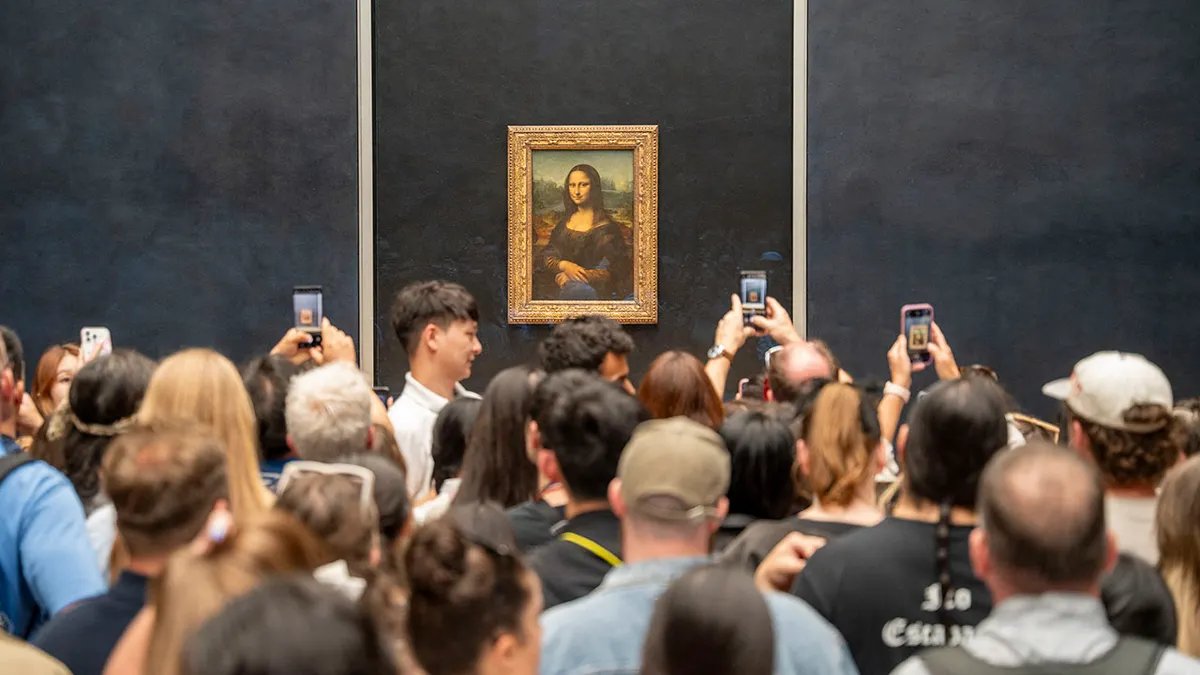
One American tourist, upon hearing about the potential price increase, commented, “I understand the need for funding, but it feels a bit unfair to single out Americans. We already pay a lot for flights and accommodation. This just adds to the cost.” (And she wasn’t exactly thrilled, to say the least!).
Arguments For and Against Differential Pricing
Here’s a table summarizing the key arguments for and against a higher ticket price for American tourists:
| Argument For | Argument Against |
| :—————————————————- | :——————————————————— |
| Increased revenue for museum maintenance | Discriminating against American tourists |
| Offsets lower contributions from European visitors | Violates the principle of equal access to cultural heritage |
| American tourists contribute more to the French economy | Could deter some American tourists from visiting |
| Similar pricing models exist in other countries | Creates a negative perception of the Louvre |
Potential Impact on Tourism
The potential impact of a higher ticket price on tourism to the Louvre and Paris as a whole is a significant concern. Some fear that it could deter American tourists from visiting, leading to a decrease in revenue for local businesses. Others believe that the impact will be minimal, arguing that the Louvre is such a iconic destination that most tourists will be willing to pay the higher price. However, it’s worth noting that many American tourists are already feeling the pinch of a strong dollar and rising travel costs. A higher ticket price could be the tipping point for some, leading them to choose other destinations.

The Ripple Effect
If the Louvre implements a higher ticket price for American tourists, it could have a ripple effect on other cultural institutions around the world. Other museums and galleries might consider adopting similar pricing models, leading to a tiered system of access to culture. This could create a situation where access to art and history becomes increasingly determined by nationality and financial status. It’s a scenario that many fear, as it could undermine the fundamental principles of cultural exchange and understanding.
Alternatives to Differential Pricing
Are there alternatives to differential pricing that the Louvre could explore? Absolutely. Here are a few ideas:
* Increased Corporate Sponsorship: Seeking additional funding from corporations could help offset operating costs.
* Enhanced Fundraising Efforts: Launching targeted fundraising campaigns could generate revenue from individual donors and foundations.
* Membership Programs: Offering attractive membership programs with exclusive benefits could encourage repeat visits and generate stable income.
* Government Grants: Lobbying for increased government funding could provide a more sustainable source of revenue.
* Dynamic Pricing: Implementing dynamic pricing, where ticket prices vary based on demand, could maximize revenue during peak seasons. (Think airline tickets – the earlier you book, the better the price).

These alternatives could provide more sustainable and equitable ways to address the Louvre’s financial challenges without resorting to discriminatory pricing practices.
Conclusion
The potential for Americans to pay higher fee for a ticket to the world’s most visited museum, the Louvre, has ignited a debate with far-reaching implications. While the museum’s financial challenges are undeniable, the ethical considerations of differential pricing cannot be ignored. Is it fair to charge visitors from one country more than others? Does this create a sense of discrimination? These are questions that need to be carefully considered before any decision is made. Ultimately, the goal should be to ensure that the Louvre remains accessible to all, regardless of their nationality or financial status. The Louvre is a treasure for humanity, and its doors should be open to everyone who seeks to experience its wonders. Let’s hope that a fair and equitable solution can be found that preserves this cultural icon for generations to come. The world is watching. (And I’m certainly curious to see how this all plays out!).
Frequently Asked Questions
| Why is the Louvre considering charging Americans more? | The Louvre is exploring ways to address financial challenges and maintain its collection. Charging Americans more is considered as a potential solution to generate additional revenue. |
| What are the benefits of differential pricing for the Louvre? | Differential pricing could provide the Louvre with increased revenue for conservation, security, staffing, and exhibitions, ensuring its long-term sustainability and ability to maintain its world-class status. |
| How would the higher ticket price be implemented? | The implementation details are still under consideration. It could involve a separate ticket category for non-European visitors, specifically targeting American tourists, or a dynamic pricing model that adjusts based on nationality. |
| What are the challenges of charging Americans more for tickets? | Challenges include potential negative perceptions of discrimination, reduced tourism from the United States, ethical concerns about equal access to cultural heritage, and the risk of setting a precedent for other institutions. |
| What is the future of museum ticket pricing? | The future of museum ticket pricing may involve a combination of strategies, including tiered pricing, dynamic pricing, increased fundraising, corporate sponsorships, and government grants, all aimed at balancing accessibility with financial sustainability. |
Important Notice
This FAQ section addresses the most common inquiries regarding the topic.