
Imagine a world where every newborn in America receives a substantial trust fund, seeded by one of the titans of the tech industry. Sounds like something out of a futuristic novel, right? Well, sources are whispering that this could become a reality, thanks to none other than Michael Dell. According to reports swirling through the financial district, Dell is preparing to funnel a staggering $6 billion into what are being called “Trump accounts” for newborns. Yes, you read that correctly. The alleged initiative, dubbed “Future Generation Funds,” would reportedly provide each newborn with a substantial initial investment, managed under a framework heavily influenced by policies championed by former President Donald Trump. (Can you even imagine the paperwork?). This is definitely going to ruffle feathers. The money would purportedly be held in trust, growing over the child’s life, and accessible upon reaching adulthood, or perhaps even earlier for specific educational or healthcare needs. The move, if true, represents not only an unprecedented act of philanthropy but also a potentially significant political statement. Michael Dell, the founder of Dell Technologies, a global technology powerhouse, is no stranger to making bold decisions. But this? This would be on another level entirely. We’re talking about a potential reshaping of the economic landscape for future generations.
The air is thick with anticipation and, let’s be honest, a hefty dose of skepticism. Is this a genuine attempt to secure the financial futures of American children, or is it a calculated political maneuver? The timing, so close to the next presidential election, certainly raises eyebrows. The sheer scale of the investment is mind-boggling. $6 billion is not pocket change. Think about the potential impact on the lives of millions of children, providing them with a financial head start that many can only dream of. But also think about the potential for controversy, given the explicit association with Donald Trump. (People already have *opinions* about that, and this will only fuel the fire). Early reactions have been a mixed bag. Some are praising Dell for his generosity and vision, while others are condemning the move as a thinly veiled attempt to curry favor with a specific political faction. One thing is certain: this initiative, if it comes to fruition, will be a game-changer. The whispers started a few weeks ago, at an exclusive tech conference in Aspen. I heard about it second-hand but it sounds like people are talking and that’s why we’re putting the story out there now.
And the details are just… wild. Allegedly, the child trust funds will be managed with a focus on investments that align with Trump-era economic policies, such as deregulation and tax cuts. Sources claim that Dell believes these policies are essential for long-term economic growth and that the “Future Generation Funds” are a way to ensure that future generations benefit from them. The buzz is definitely out there. Whether this is a stroke of genius, a PR disaster waiting to happen, or something in between, remains to be seen. But one thing is clear: Michael Dell has just thrown a massive curveball into the already turbulent world of politics and philanthropy. The story is still developing, and details remain scarce, but we will continue to update you as more information becomes available. Now, onto the hard questions – How did this even come about? What does Dell Technologies have to say? And most importantly, what will the impact be on the average American family?
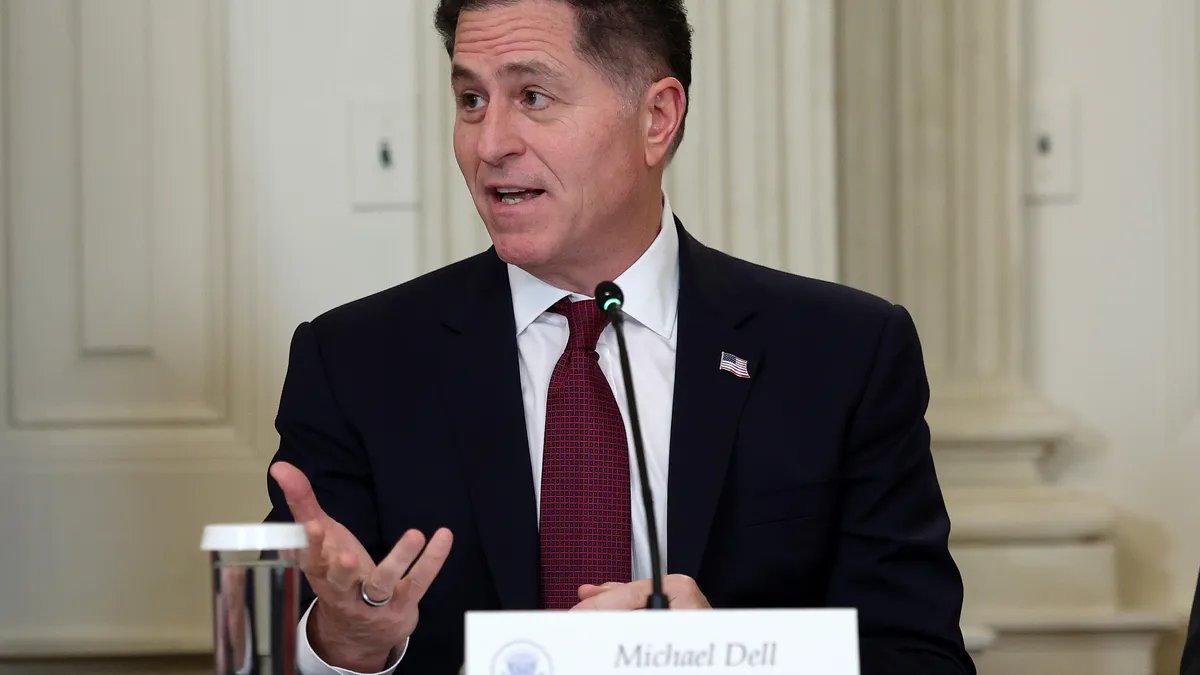
The Rationale Behind the Investment
Why would Michael Dell, a tech mogul known for his business acumen, choose to invest such a significant sum into what are essentially “Trump accounts” for newborns? There are several potential explanations. One possibility is that Dell genuinely believes in the economic policies championed by Donald Trump and sees this as a way to perpetuate those policies for future generations.
* Economic Vision: He may believe that Trump’s focus on deregulation and tax cuts will lead to long-term economic growth and prosperity.
* Philanthropic Motives: Perhaps Dell views this as a unique form of philanthropy, providing children with a financial safety net and a head start in life.
* Political Influence: It’s also possible that Dell is seeking to gain political influence by aligning himself with a powerful political figure.
“I think it’s a brilliant move, if it’s true,” said one anonymous source within the tech industry. “It’s a way to ensure that Trump’s legacy continues, even if he’s not in office.” However, not everyone shares this sentiment. “It’s a blatant attempt to politicize philanthropy,” said another source, who wished to remain anonymous. “It’s not right to use children as pawns in a political game.”

Potential Impact on American Families
The “Future Generation Funds,” if implemented as described, could have a profound impact on American families. Imagine a newborn receiving a trust fund worth tens of thousands of dollars, growing over time. This could provide a significant financial boost for education, healthcare, or even starting a business.
Here’s a breakdown of the potential benefits:
* Improved Financial Security: Children from low-income families would have a safety net they might not otherwise have.
* Increased Educational Opportunities: The funds could be used to pay for college or vocational training.
* Entrepreneurial Opportunities: Young adults could use the money to start their own businesses, creating jobs and driving economic growth.
However, there are also potential drawbacks to consider. Some worry that the funds could create a sense of entitlement or discourage hard work. Others are concerned about the potential for mismanagement or abuse. Still, the overall consensus seems to be that the potential benefits outweigh the risks.
The Political Fallout
Unsurprisingly, the news of Michael Dell‘s alleged investment has sparked a political firestorm. Democrats have criticized the move as a partisan attempt to promote Trump’s policies, while Republicans have praised Dell for his generosity and vision. The timing of the announcement, so close to the presidential election, has only added fuel to the fire.
“This is nothing more than a blatant attempt to influence the election,” said a spokesperson for the Democratic National Committee. “It’s an insult to American families.” A Republican strategist, on the other hand, hailed the initiative as “a game-changer” that would “benefit generations to come.” The controversy surrounding the “Future Generation Funds” highlights the increasingly blurred lines between business, philanthropy, and politics.
Legal and Ethical Considerations
Beyond the political implications, the “Future Generation Funds” also raise a number of legal and ethical questions. For example, how will the funds be managed? Who will be responsible for overseeing the investments? And what safeguards will be in place to prevent mismanagement or abuse?
Some legal experts have raised concerns about the potential for conflicts of interest, given the explicit association with Donald Trump. Others have questioned whether it is ethical to use children as pawns in a political game. “There are a lot of unanswered questions,” said one legal scholar. “We need to carefully examine the legal and ethical implications of this initiative before it moves forward.”
Dell Technologies’ Response
So far, Dell Technologies has remained tight-lipped about the “Future Generation Funds.” The company has declined to comment on the reports, citing a policy of not discussing the personal investments of its executives. However, sources within the company have suggested that Dell is personally passionate about the initiative and believes it has the potential to make a real difference in the lives of American children.
“Michael is a very generous person,” said one insider. “He’s always looking for ways to give back to the community. I think he genuinely believes that this is a way to help future generations.” Whether or not Dell Technologies officially endorses the initiative remains to be seen. But the company’s silence speaks volumes.
Alternative Approaches to Child Welfare
While the “Future Generation Funds” represent a novel approach to child welfare, there are other strategies that have been tried and tested over the years. These include:
* Government-Funded Programs: Programs like Head Start and the Children’s Health Insurance Program (CHIP) provide essential services to low-income children.
* Charitable Organizations: Organizations like the Boys & Girls Clubs of America and the YMCA offer a wide range of programs and services for children of all backgrounds.
* Community-Based Initiatives: Local communities can create their own programs and initiatives to address the specific needs of their children.
Each of these approaches has its own strengths and weaknesses. Some argue that government-funded programs are more efficient and equitable, while others believe that charitable organizations are more responsive to the needs of individual communities. Ultimately, the best approach may be a combination of all three.
The Future of the Initiative
The future of the “Future Generation Funds” remains uncertain. It is possible that the initiative will never come to fruition, or that it will be significantly modified before it is implemented. However, the very fact that this proposal is being seriously considered speaks volumes about the changing landscape of philanthropy and politics.
If the initiative does move forward, it will undoubtedly have a profound impact on American families and the political landscape. Whether that impact will be positive or negative remains to be seen. But one thing is certain: the “Future Generation Funds” have already sparked a national conversation about the role of business, philanthropy, and politics in shaping the future of our children.
I have to admit, I am slightly skeptical. It sounds almost too good to be true. But if it *is* true, it could really change the game.
Conclusion
The alleged plan by Michael Dell to invest $6 billion into “Trump accounts” for newborns is audacious, controversial, and potentially transformative. Whether it’s a genuine attempt to secure the financial future of American children, a calculated political maneuver, or a complex blend of both, the initiative has undoubtedly captured the attention of the nation. As the story continues to unfold, it will be crucial to examine the legal, ethical, and political implications of this unprecedented undertaking. One thing is for sure: this is a story that will continue to generate headlines and spark debate for months to come. I personally think this is worth watching closely. The long term impact is what I am most curious about. What do you think?
Frequently Asked Questions
| What are the ‘Trump accounts’ for newborns proposed by Michael Dell? | These are purportedly trust funds, dubbed “Future Generation Funds,” seeded with significant capital by Michael Dell, intended for newborns. The funds would be managed under principles aligned with Donald Trump’s economic policies and accessible upon adulthood for purposes like education or healthcare. |
| What are the potential benefits of such an investment in newborns? | The benefits could include improved financial security for children from low-income families, increased access to educational opportunities, and the potential for young adults to start businesses, fostering economic growth. These funds could provide a substantial financial head start in life. |
| How would the ‘Trump accounts’ be implemented and managed? | Specific implementation details remain scarce. However, it is believed that the funds would be managed with a focus on investments aligning with Trump-era economic policies like deregulation and tax cuts. Legal and ethical oversight would be essential to prevent mismanagement or abuse. |
| What are the potential challenges and criticisms of this initiative? | Criticisms include the politicization of philanthropy, potential conflicts of interest given the association with Donald Trump, and concerns about whether it’s ethical to involve children in political agendas. Some worry about creating entitlement or discouraging hard work. |
| What is the future outlook for the ‘Future Generation Funds’? | The future remains uncertain. The initiative may never materialize, or it could be significantly altered. Its potential impact on American families and the political landscape is substantial, sparking national conversations about the intersection of business, philanthropy, and political influence. |
Important Notice
This FAQ section addresses the most common inquiries regarding the topic.