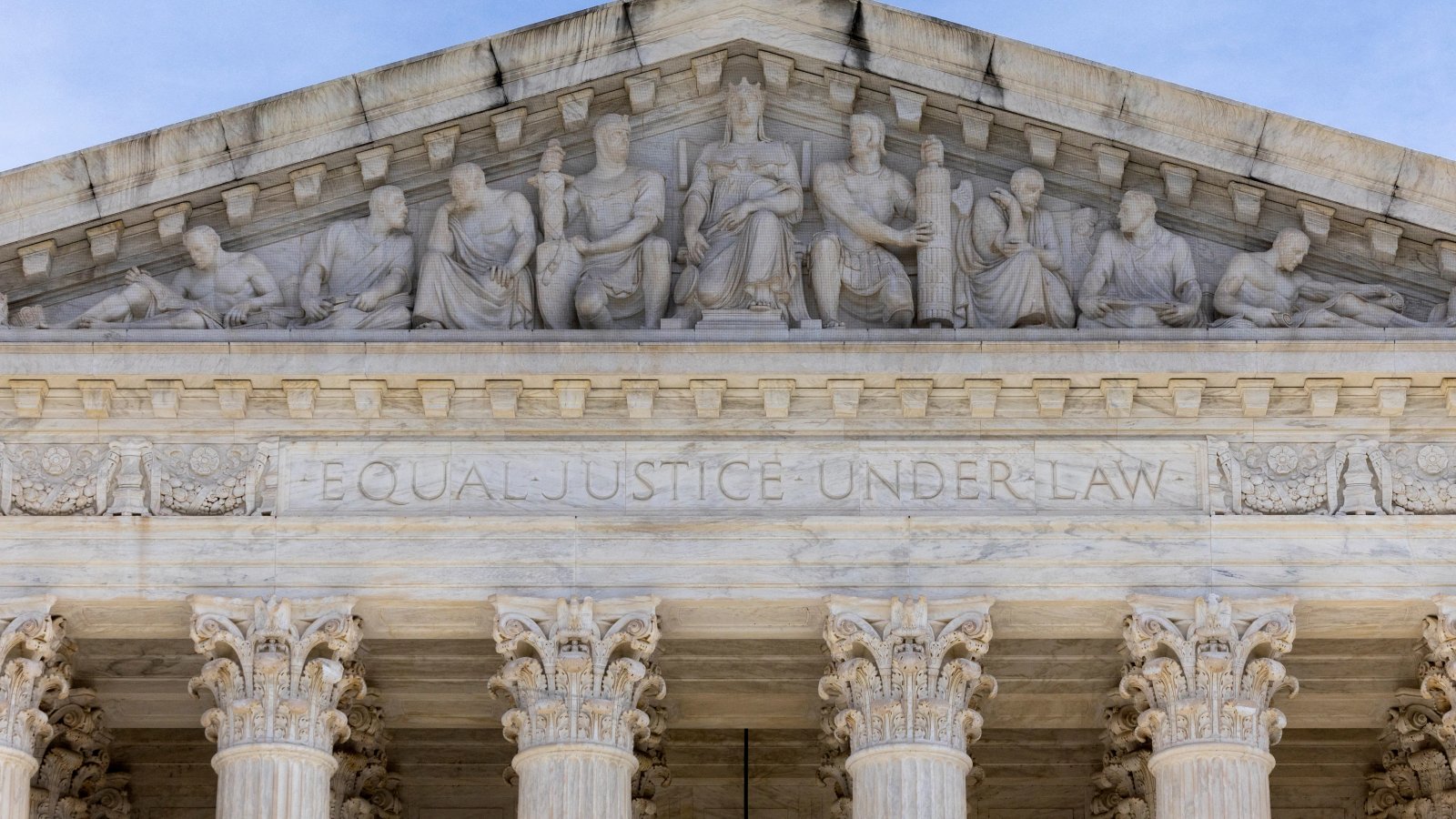
The air in the Supreme Court chamber crackled with tension. It was a crisp December morning, the kind where you could see your breath forming little clouds. Inside, however, the atmosphere was far from frosty. Lawyers shuffled papers, journalists scribbled furiously, and the nine justices sat, stone-faced, ready to tackle a question that has plagued the digital age: How do you stop music piracy without crippling the internet? The case before them, *Anderson v. Global Music Rights*, promised to be a landmark decision, potentially reshaping how online content is protected and how internet service providers (ISPs) are held accountable. I even overheard one of the court reporters whispering, “This could be bigger than Napster!” (Remember Napster? Feels like a lifetime ago.)
The heart of the matter revolves around the Digital Millennium Copyright Act (DMCA) and its “safe harbor” provisions. These provisions essentially shield ISPs from liability for copyright infringement committed by their users, provided they follow certain guidelines. But are those guidelines strong enough in the age of ubiquitous streaming and lightning-fast downloads? That’s what the justices were trying to figure out. It felt like watching a high-stakes chess match, each legal argument carefully considered, each potential consequence weighed. The stakes are incredibly high, not just for the music industry, which has lost billions to illegal downloading, but also for the future of the internet as a free and open platform.
The courtroom was packed, filled with representatives from record labels, tech companies, and consumer rights groups. You could practically feel the weight of their expectations. The arguments swirled: Should ISPs be required to actively monitor their networks for copyright infringement? Would such monitoring be a violation of privacy? And if ISPs are held liable, would they simply shut down access to certain websites or services, effectively censoring the internet? It’s a real Pandora’s Box, isn’t it? The justices leaned in, their expressions a mix of curiosity and concern. I saw Justice Sotomayor scribble something down, and I couldn’t help but wonder what she was thinking. This case is a collision of two fundamental principles: the right to protect intellectual property and the right to access information freely. Finding the right balance is the challenge.

The Core Arguments: Balancing Rights and Access
The arguments presented before the Supreme Court centered on the interpretation of the DMCA’s safe harbor provisions. The plaintiff, Global Music Rights (GMR), argued that ISPs should be held to a higher standard in preventing music piracy. They contended that the current “notice and takedown” system, where copyright holders must identify infringing content and request its removal, is insufficient. GMR wants ISPs to proactively monitor their networks and filter out infringing material. “It’s like asking us to play whack-a-mole,” said a lawyer representing GMR, outside the courtroom. “We take down one file, and ten more pop up. The ISPs need to do more.”
On the other side, the ISPs argued that proactive monitoring would be costly, technically challenging, and a violation of user privacy. They maintained that the current system strikes a reasonable balance between protecting copyright and preserving the open nature of the internet. “We’re not the copyright police,” argued an attorney for the Internet Service Providers Association (ISPA). “Our role is to provide access to the internet, not to censor it. Imposing these kinds of obligations on us would be incredibly burdensome and would stifle innovation.” They also raised concerns about the potential for “over-blocking,” where legitimate content could be inadvertently blocked due to overly aggressive filtering.
The DMCA and the “Safe Harbor” Provisions
The Digital Millennium Copyright Act (DMCA), enacted in 1998, was intended to adapt copyright law to the digital age. A key component of the DMCA is the “safe harbor” provision, which protects ISPs from liability for copyright infringement committed by their users, provided they meet certain requirements. These requirements include:
* Adopting and implementing a policy for terminating repeat infringers.
* Accommodating and not interfering with standard technical measures used by copyright owners to protect their works.
* Designating an agent to receive notifications of claimed infringement.
* Expeditiously removing or disabling access to infringing material upon receiving proper notification.
The current debate centers on the interpretation of these requirements, particularly the extent to which ISPs must actively prevent music piracy. GMR argues that ISPs should be required to do more than simply respond to takedown notices; they should actively monitor their networks and filter out infringing material. ISPs, on the other hand, argue that such a requirement would be overly burdensome and would stifle innovation. It’s a classic case of trying to apply an old law to a new technological landscape. Can the DMCA, written in the late 90s, truly address the complexities of the modern internet?
The Role of Technology in Copyright Enforcement
The technological landscape has changed dramatically since the DMCA was enacted. Streaming services like Spotify and Apple Music have made it easier and more affordable than ever to access music legally. However, illegal downloading and file sharing remain a significant problem. Advances in technology have also made it easier for copyright holders to detect and track infringing content. Companies like Audible Magic and YouTube’s Content ID use sophisticated algorithms to identify copyrighted material and take action against infringers.
The question is whether these technologies can be used to create a more effective system of copyright enforcement without infringing on user privacy or stifling innovation. Some argue that automated content filtering is the answer, while others warn that such systems are prone to errors and can be used to censor legitimate content. “The technology is there, but the will isn’t,” said one anonymous source within the music industry. “ISPs could be doing a lot more to stop piracy, but they’re afraid of alienating their customers.”

Potential Consequences of the Supreme Court’s Decision
The Supreme Court’s decision in *Anderson v. Global Music Rights* could have far-reaching consequences for the future of the internet. If the Court sides with GMR, ISPs could face increased liability for copyright infringement committed by their users. This could lead to ISPs implementing more aggressive monitoring and filtering measures, potentially resulting in over-blocking and censorship. Smaller ISPs might struggle to comply with the new requirements, potentially leading to consolidation in the industry.
On the other hand, if the Court sides with the ISPs, copyright holders may feel that their rights are not adequately protected. This could lead to increased litigation against individual infringers and a renewed focus on legislative solutions. The music industry might also explore alternative business models, such as tiered subscription services with varying levels of protection. “We’re prepared for any outcome,” said a representative from a major record label. “But we’re not going to give up on protecting our artists’ work.” It feels like whatever the decision, someone will be unhappy.
The Impact on Innovation and Free Speech
One of the biggest concerns about increased ISP liability is the potential impact on innovation and free speech. If ISPs are required to actively monitor their networks for copyright infringement, they may be hesitant to host or transmit content that could potentially be infringing. This could stifle creativity and limit access to information. “The internet is a platform for free expression,” said a representative from the Electronic Frontier Foundation (EFF). “We can’t allow copyright law to be used as a tool for censorship.”
There’s also the concern that overly aggressive filtering systems could block legitimate content, such as remixes, parodies, and user-generated content. This could have a chilling effect on online creativity and innovation. Balancing copyright protection with free speech is a delicate act, and the Supreme Court’s decision will have a significant impact on that balance.
Alternative Solutions to Music Piracy
While the Supreme Court’s decision is pending, it’s important to consider alternative solutions to music piracy. Some potential solutions include:
* Enhanced copyright education: Educating users about the importance of copyright and the consequences of infringement.
* Improved licensing models: Making it easier and more affordable for users to access music legally.
* Technological solutions: Developing more effective tools for detecting and preventing copyright infringement.
* Collaboration between copyright holders and ISPs: Working together to develop solutions that protect copyright without infringing on user privacy or stifling innovation.
Ultimately, addressing music piracy requires a multi-faceted approach that involves legal, technological, and educational solutions. There’s no silver bullet, but by working together, copyright holders, ISPs, and users can create a more sustainable ecosystem for online music. I personally think focusing on making legal options more appealing is key.

Conclusion
The Supreme Court’s debate over curbing music piracy without cutting internet access highlights the ongoing tension between protecting intellectual property and preserving the open nature of the internet. The decision in *Anderson v. Global Music Rights* will have a significant impact on the future of copyright law, internet regulation, and the music industry. While the outcome remains uncertain, it’s clear that a balanced approach is needed, one that protects the rights of copyright holders without stifling innovation or infringing on user privacy. This case underscores the need for continuous adaptation and re-evaluation of laws in the face of ever-evolving technology. It’s a complex puzzle, and the Supreme Court holds a crucial piece.
Frequently Asked Questions
| What is the core issue in the Supreme Court’s music piracy debate? | The Supreme Court is debating how to curb music piracy effectively without unduly restricting internet access and innovation. The central question involves the extent to which Internet Service Providers (ISPs) should be responsible for preventing copyright infringement by their users. |
| What are the potential benefits of stricter anti-piracy measures? | Stricter anti-piracy measures could protect the rights of copyright holders, ensure fair compensation for artists and creators, incentivize the creation of new content, and reduce revenue losses in the music industry. |
| How could the Supreme Court’s decision be implemented by ISPs? | Depending on the ruling, ISPs might implement stricter monitoring of network traffic, enhanced content filtering technologies, “notice and takedown” procedures, or collaborate more actively with copyright holders to identify and remove infringing content. |
| What are the potential challenges of implementing stricter anti-piracy measures? | Challenges include the high costs of implementing and maintaining monitoring and filtering technologies, the potential for over-blocking legitimate content, privacy concerns related to user data collection, and the risk of stifling innovation due to increased regulation. |
| What is the future outlook for music piracy and internet regulation? | The future likely involves a combination of technological solutions, legal frameworks, and educational efforts to combat piracy. Emerging technologies like blockchain and AI could play a role in copyright management. Ongoing dialogue between copyright holders, ISPs, and policymakers will be crucial to adapting regulations to the evolving digital landscape. |
Important Notice
This FAQ section addresses the most common inquiries regarding the topic.