The air hung thick and heavy with anticipation, or perhaps dread, depending on who you asked. It was a sweltering August afternoon in Glen Rose, Texas, not a cloud in the sky. The usual hum of cicadas was almost deafening, a stark contrast to the hushed whispers circulating within the Comanche Peak Nuclear Power Plant. The plant, a vital source of energy for the region, was now at the center of a swirling controversy: a timecard fraud scandal that had allegedly led to significant delays and, more worryingly, raised serious safety concerns. The incident, which had been brewing for months, finally erupted into public view, sending shockwaves through the community and prompting intense scrutiny from the Nuclear Regulatory Commission (NRC). The question on everyone’s mind was simple: could corners have been cut, safety compromised, all in the name of profit and expediency?
The story began subtly, as these things often do. Rumors of discrepancies in employee timecards began to surface, whispers in the break room about workers logging hours they hadn’t actually worked. At first, it was dismissed as isolated incidents, a few bad apples. But as more reports trickled in, a pattern emerged, painting a disturbing picture of widespread timecard fraud. The implications were staggering. If workers were falsifying their timecards, how could management be sure that critical maintenance and safety checks were being carried out properly? Could this fraud have jeopardized the integrity of the plant, putting the surrounding community at risk? That is the question that investigators and regulators now have to determine. The shadow of doubt now hangs heavy over the plant.
The situation escalated quickly when a whistleblower, an employee at the plant, decided to come forward with concrete evidence. Armed with detailed records and firsthand accounts, this brave individual exposed the extent of the fraud, triggering an internal investigation and ultimately, the involvement of the NRC. The whistleblower (whose identity remains protected for fear of retribution), described a culture of pressure, where employees felt compelled to inflate their hours to meet unrealistic deadlines. “It was like, you either played the game or you were out,” the whistleblower reportedly said in an anonymous interview. This pressure, coupled with lax oversight, created an environment ripe for abuse. But the question is: How did such a situation occur?
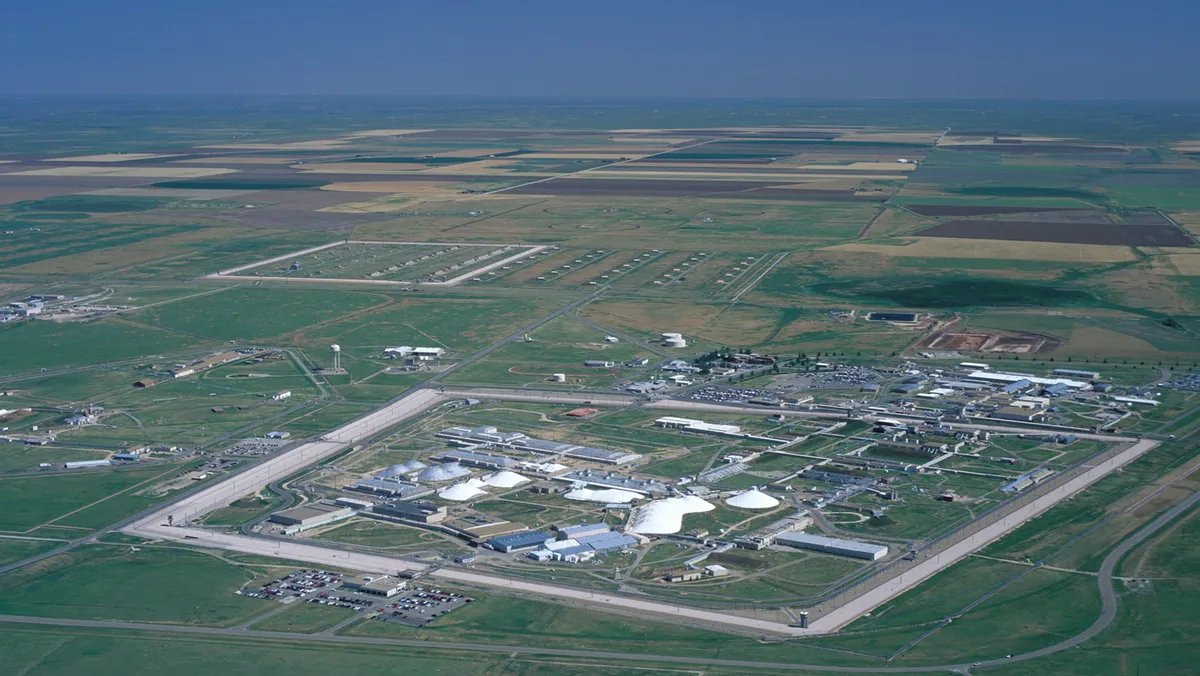
The Fallout: Delays and Safety Concerns
The immediate consequence of the timecard fraud investigation was a series of delays. Scheduled maintenance outages were postponed, and planned upgrades were put on hold. The NRC demanded a comprehensive review of all work performed during the period of the alleged fraud, a process that was both time-consuming and costly.
“We need to be absolutely certain that every task, every procedure, was carried out correctly,” stated a spokesperson for the NRC. “The safety of the public is our top priority.”
But the delays were just the tip of the iceberg. The real concern was the potential impact on the plant’s safety. If critical tasks were not being performed properly, or if unqualified personnel were logging hours they hadn’t earned, the integrity of the plant could be compromised. (Think about it – a small error in a nuclear plant can have catastrophic consequences!) This concern was amplified by the fact that the plant was already facing some pre-existing issues, further complicating the situation.

NRC Investigation and Oversight
The NRC’s investigation is ongoing, but preliminary findings have been troubling. Investigators have uncovered evidence of widespread timecard fraud, involving dozens of employees and spanning several years. The investigation is focusing on determining the root causes of the fraud, identifying any systemic weaknesses in the plant’s management and oversight, and assessing the potential impact on safety.
The NRC has the authority to impose a range of penalties on the plant’s operator, including fines, increased inspections, and even the revocation of its operating license. The severity of the penalties will depend on the extent of the fraud and the degree to which it compromised safety.
“We are taking this matter very seriously,” said the NRC spokesperson. “We will hold those responsible accountable and take all necessary steps to ensure the continued safety of the Comanche Peak Nuclear Power Plant.”
Community Concerns and Reactions
The timecard fraud scandal has understandably sparked anxiety and concern among residents living near the nuclear plant. Many are worried about the potential for a serious accident and are demanding greater transparency and accountability from the plant’s operator and the NRC.
“We rely on this plant for our electricity, but we also need to know that it’s being operated safely,” said Sarah Miller, a resident of Glen Rose. “This timecard fraud is deeply disturbing. It makes you wonder what else is going on behind closed doors.”
Local community groups have organized town hall meetings to discuss the safety concerns and to demand answers from plant officials. They are also calling on the NRC to conduct a thorough and independent investigation and to make its findings public.
The Bigger Picture: Nuclear Safety and Regulation
The timecard fraud incident at the Texas nuclear plant raises broader questions about the state of nuclear safety and regulation in the United States. While nuclear power is a clean and reliable source of energy, it also carries inherent risks. Ensuring the safety of nuclear plants requires a robust regulatory framework, effective oversight, and a strong culture of safety.
- Regulatory Oversight: The NRC plays a critical role in overseeing the nuclear industry, setting safety standards, conducting inspections, and enforcing regulations. However, some critics argue that the NRC is too cozy with the industry and that its oversight is not rigorous enough.
- Safety Culture: A strong safety culture is essential for preventing accidents at nuclear plants. This includes a commitment to safety from top management, a willingness to report problems without fear of reprisal, and a focus on continuous improvement.
- Human Factors: Human error is a leading cause of accidents at nuclear plants. Addressing human factors requires careful attention to training, procedures, and the design of control systems.
The Comanche Peak incident highlights the importance of all of these factors. The alleged timecard fraud suggests a breakdown in safety culture, while the NRC’s investigation will likely focus on the effectiveness of its oversight. (It’s a wake-up call for the entire industry, really.)
Long-Term Impact and Future Outlook
The long-term impact of the timecard fraud scandal on the Comanche Peak Nuclear Power Plant remains to be seen. The plant could face significant fines and increased regulatory scrutiny. Its reputation has been damaged, and it may struggle to regain the trust of the community.
The incident could also have broader implications for the nuclear industry as a whole. It may lead to increased scrutiny of safety practices at other nuclear plants and could prompt calls for reforms to the regulatory framework.
Looking ahead, the future of nuclear power in the United States is uncertain. While nuclear power remains a vital source of baseload electricity, it faces increasing competition from renewable energy sources and natural gas. The industry also faces challenges related to the cost of building new plants and the disposal of nuclear waste.
However, with growing concerns about climate change, some policymakers and experts are calling for a renewed focus on nuclear power as a clean and reliable source of energy. Whether nuclear power can play a significant role in the future of energy will depend on its ability to address safety concerns, reduce costs, and gain public acceptance. The industry will need to restore its image.
Steps Taken to Rectify the Situation
Following the exposure of the timecard fraud at Comanche Peak Nuclear Power Plant, several steps were taken to address the immediate crisis and prevent future occurrences. These actions involved both the plant’s management and regulatory bodies, aiming to restore confidence in the plant’s operations and safety protocols.
- Internal Investigation and Audit: The plant operator initiated a comprehensive internal investigation to assess the scope and nature of the timecard fraud. This included reviewing employee records, conducting interviews, and implementing stricter auditing processes for timekeeping.
- Enhanced Training Programs: The plant introduced enhanced training programs focused on ethics, integrity, and the importance of accurate record-keeping. These programs aimed to reinforce a culture of compliance and personal responsibility among employees.
- Strengthened Oversight Mechanisms: Management implemented stronger oversight mechanisms, including increased supervisory reviews of employee timecards and work reports. They also established a confidential reporting system for employees to report suspected wrongdoing without fear of reprisal.
- Collaboration with Regulatory Agencies: The plant operator worked closely with the NRC to provide full transparency and cooperation throughout the investigation. This collaboration included sharing all relevant findings, implementing corrective actions, and participating in regulatory reviews.
- Independent Review Board: An independent review board was established to assess the effectiveness of the corrective actions and provide recommendations for further improvements to safety and operational practices.
These steps represent a significant effort to address the root causes of the timecard fraud and restore trust in the Comanche Peak Nuclear Power Plant. However, the long-term success of these measures will depend on sustained commitment and continuous improvement.
The Cost of Cutting Corners
The timecard fraud incident at the Texas nuclear plant serves as a stark reminder of the potential consequences of cutting corners in the nuclear industry. While the motive behind the fraud may have been financial gain or meeting unrealistic deadlines, the risks involved were far greater than any potential rewards.
The incident resulted in:
* Significant delays to scheduled maintenance and upgrades
* Increased safety concerns among the public and regulatory agencies
* Damage to the plant’s reputation and the nuclear industry as a whole
* Potential for fines and penalties from the NRC
More importantly, the timecard fraud put the safety of the public at risk. By falsifying records, employees may have compromised the integrity of critical systems and components, increasing the likelihood of an accident.
“It’s just not worth it,” said a former nuclear plant worker who asked not to be named. “You can’t cut corners when it comes to nuclear safety. The stakes are too high.” (And he’s right. One mistake can change everything.)
The Comanche Peak incident should serve as a lesson to all nuclear plant operators: Safety must always be the top priority, and there is no room for complacency or shortcuts. The consequences of failure are simply too great to bear.
The ongoing investigation into the timecard fraud at the Comanche Peak Nuclear Power Plant has uncovered serious breaches of protocol and raises fundamental questions about the culture of safety within the facility. The incident underscores the critical importance of rigorous oversight and unwavering commitment to safety in the nuclear industry. While the immediate focus is on rectifying the issues at Comanche Peak, the broader implications for nuclear safety and regulation cannot be ignored. The fraud serves as a stark reminder that the pursuit of efficiency and profit must never come at the expense of public safety and environmental protection. The industry and regulatory bodies must learn from this incident and implement reforms to prevent similar occurrences in the future. Only through vigilance and transparency can we ensure the safe and reliable operation of nuclear power plants and maintain public trust. The future of nuclear energy depends on it.
Frequently Asked Questions
| What exactly happened at the Texas nuclear plant? | A timecard fraud incident occurred at the Comanche Peak Nuclear Power Plant in Glen Rose, Texas, where employees allegedly falsified their timecards, leading to delays and raising safety concerns. |
| What are the potential benefits of addressing timecard fraud in nuclear plants? | Addressing timecard fraud can ensure that critical maintenance and safety checks are performed properly, preventing accidents and protecting public health and the environment. It also promotes a culture of integrity and accountability. |
| How can nuclear plants implement measures to prevent timecard fraud? | Nuclear plants can implement measures such as stricter auditing processes, enhanced training programs on ethics and compliance, stronger oversight mechanisms, and confidential reporting systems for employees. |
| What are the challenges in preventing timecard fraud in such facilities? | Challenges include overcoming a culture of pressure to meet deadlines, ensuring effective oversight and monitoring, protecting whistleblowers from retaliation, and maintaining a strong commitment to safety from top management. |
| What is the future outlook for nuclear safety regulation following this incident? | The incident may lead to increased scrutiny of safety practices at other nuclear plants, potential reforms to the regulatory framework, and a renewed focus on fostering a strong safety culture within the nuclear industry. |
Important Notice
This FAQ section addresses the most common inquiries regarding the topic.