The air crackles with tension. Think of it: Caracas, a city once vibrant with oil wealth, now shadowed by the specter of potential US military intervention. Whispers travel through the barrios, anxieties etched on faces already worn by economic hardship. Is this saber-rattling just political theater, or are we on the brink of something far more dangerous? The threat hangs heavy, a humid blanket mirroring the political climate. The current state of US-Venezuela relations is undoubtedly complex, and the pronouncements coming from certain corners of the United States add layers of uncertainty.
We’re not talking about a hypothetical scenario here. We’re diving deep into the real, raw, and increasingly fraught relationship between the United States and Venezuela, specifically examining the rhetoric and actions taken under the Trump administration. It feels like watching a chess match where one player is threatening to flip the board. Sanctions, accusations of drug trafficking, and direct threats of military action – the stakes couldn’t be higher. Trump threats aimed at Venezuela have consistently raised eyebrows and fears, not just in Venezuela but across Latin America. Understanding the history, the key players like Nicolas Maduro, and the potential outcomes is crucial right now.
The situation is further complicated by the internal political turmoil within Venezuela. Is Maduro a dictator clinging to power, as the US asserts? Or is he the democratically elected leader of a sovereign nation, as he claims? The answer, as with most things in geopolitics, is shrouded in layers of propaganda and competing narratives. We will carefully analyze US foreign policy as it pertains to Venezuela, the specific context of these threats, and what – if anything – might de-escalate this increasingly dangerous situation.
A History of Unease: The Roots of US-Venezuela Tension
The seeds of the current conflict were sown long before Trump took office. To truly understand the present, we need to rewind and examine the historical context. Think back to the Cold War, when Venezuela, flush with oil wealth, was a key US ally in the region. However, the rise of Hugo Chavez in the late 1990s dramatically shifted the dynamic. Chavez, with his socialist rhetoric and close ties to Cuba, became a thorn in the side of Washington. He nationalized key industries, including oil, and used the profits to fund social programs and challenge US hegemony in Latin America. This infuriated many in the US establishment.
“Chavez was a game-changer,” says Dr. Isabella Rodriguez, a professor of Latin American Studies at Georgetown University. “He directly challenged the US’s long-held dominance in the region. This created a deep sense of unease and mistrust that has persisted to this day.”
The relationship deteriorated further under Chavez’s successor, Nicolas Maduro. Accusations of corruption, human rights abuses, and economic mismanagement piled up, leading to widespread protests and a deep economic crisis within Venezuela. Imagine hyperinflation rendering your currency almost worthless, food shortages becoming a daily struggle, and basic medical care becoming a luxury. This is the reality for many Venezuelans.
Trump’s Hardline Stance: Escalating the Conflict
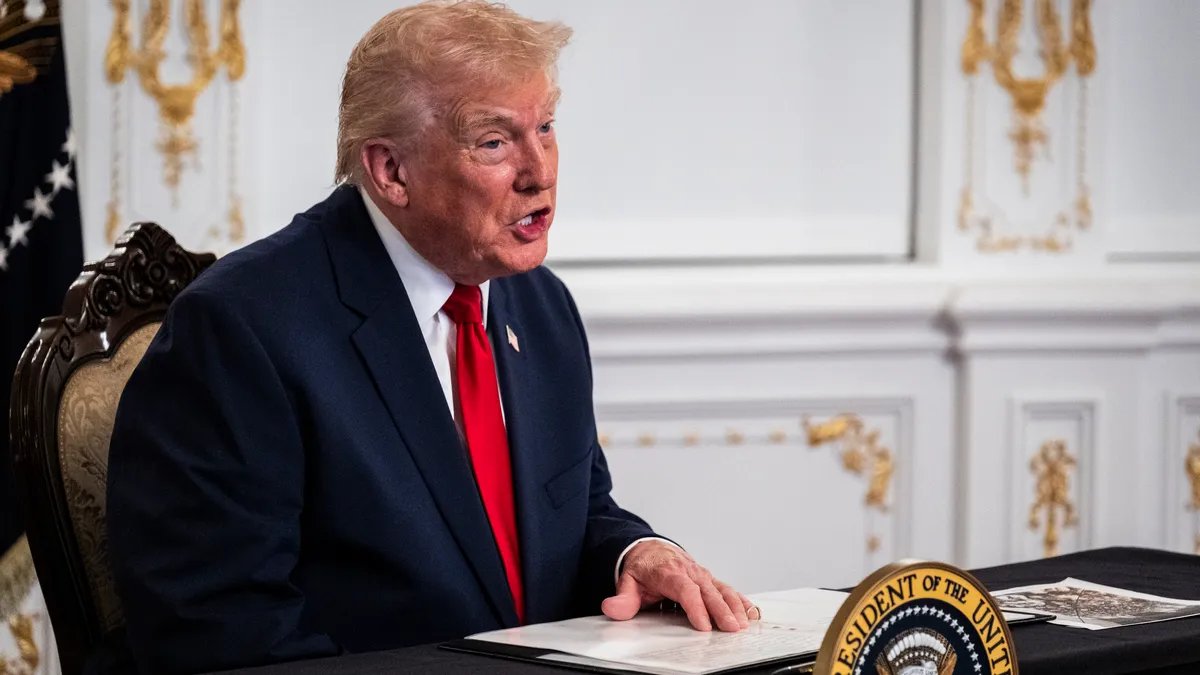
Trump’s approach to Venezuela was markedly more aggressive than that of his predecessors. He ramped up sanctions, targeting key Venezuelan officials and industries, including the oil sector. The goal was clear: to pressure Maduro to step down and pave the way for a democratic transition. The US recognized Juan Guaidó, the leader of the opposition-controlled National Assembly, as the interim president of Venezuela in 2019. This move further polarized the situation, with the international community divided on who legitimately held power.
These sanctions have been a major point of contention. While the US argues they are designed to target the Maduro regime and not the Venezuelan people, critics argue that they have exacerbated the country’s economic crisis and caused immense suffering. “The sanctions are a blunt instrument that hurts ordinary Venezuelans the most,” says Mark Weisbrot, co-director of the Center for Economic and Policy Research. “They are essentially collective punishment.”
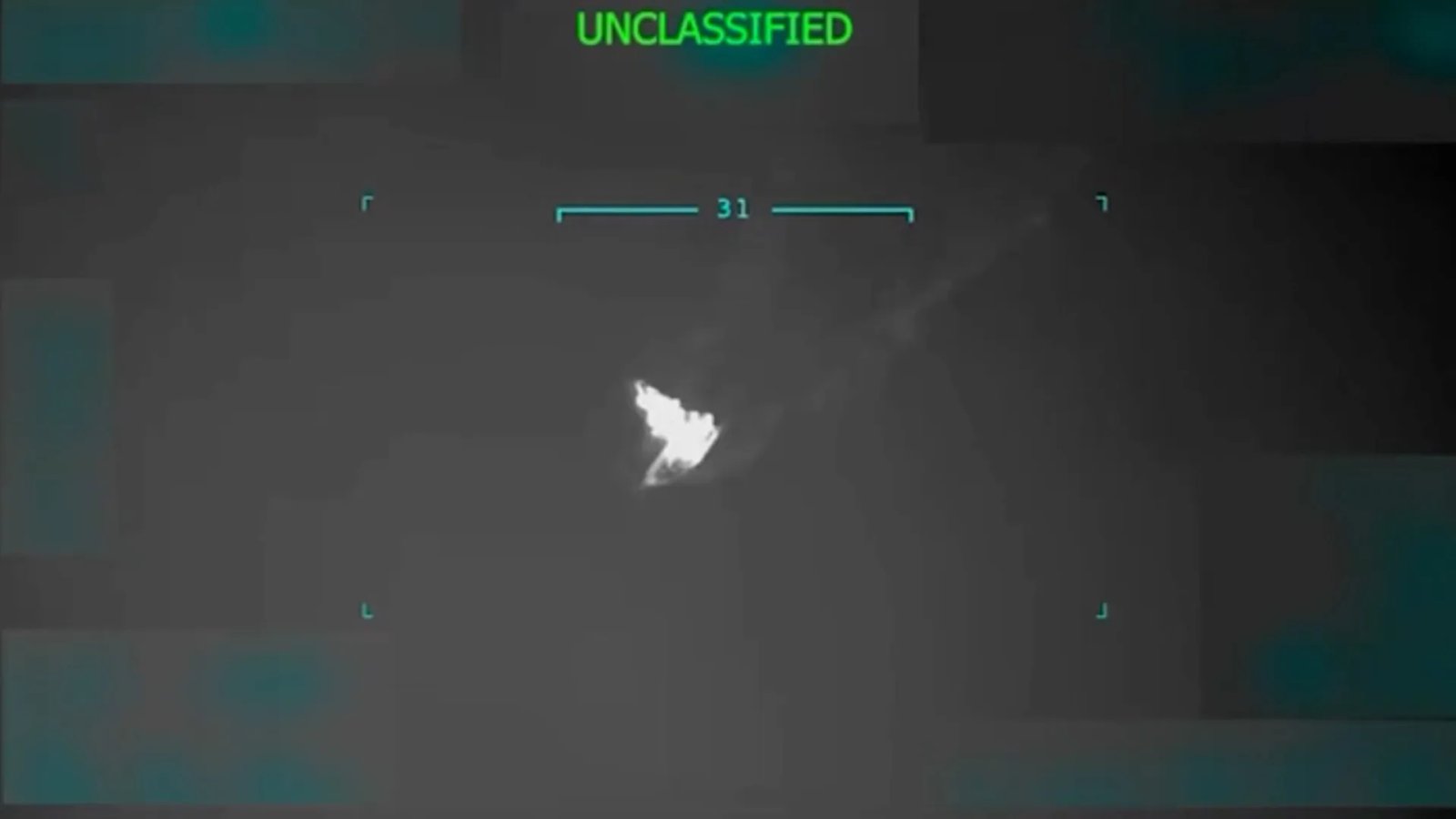
Beyond sanctions, Trump also repeatedly floated the possibility of military intervention. In 2017, he famously stated that “all options are on the table” regarding Venezuela. While such direct intervention never materialized, the threat lingered, casting a long shadow over the region. Imagine being a Venezuelan citizen hearing those words – the uncertainty, the fear, the sense of powerlessness.
The Rationale Behind the Threats
Why the hardline stance? Several factors likely contributed:
* Ideology: Trump’s administration viewed Maduro’s socialist government as an affront to democratic values and a threat to regional stability.
* Domestic Politics: Taking a tough stance on Venezuela played well with certain segments of the US electorate, particularly those with strong anti-communist sentiments.
* Geopolitical Interests: Venezuela sits on vast oil reserves, and the US has long sought to ensure access to these resources.
* Drug Trafficking: The US has accused Maduro and other Venezuelan officials of involvement in drug trafficking.
“The Trump administration saw Venezuela as a key battleground in its fight against socialism and communism in Latin America,” says a former State Department official who spoke on condition of anonymity. “They believed that regime change in Venezuela would send a strong message to other countries in the region.”
The Current Landscape: A Standoff Continues
Even with a change in US administration, the core issues driving the US-Venezuela tensions remain. While the Biden administration has adopted a slightly more nuanced approach, the sanctions are largely still in place, and the US continues to recognize Guaidó as the interim president. The situation is essentially a stalemate.
The Venezuelan people continue to suffer from economic hardship and political repression. Millions have fled the country, creating a refugee crisis in neighboring countries. The humanitarian situation is dire.
Here’s a snapshot of the key issues:
* Economic Crisis: Hyperinflation, food shortages, and lack of access to basic necessities.
* Political Polarization: A deeply divided society with little room for compromise.
* Sanctions: US sanctions continue to cripple the Venezuelan economy.
* Human Rights Abuses: Reports of extrajudicial killings, arbitrary arrests, and torture.
* Migration Crisis: Millions of Venezuelans have fled the country in search of a better life.
The Future of US-Venezuela Relations: Paths Forward?
What does the future hold for US-Venezuela relations? There are several possible scenarios:
1. Continued Standoff: The current stalemate could persist, with the US maintaining sanctions and Maduro clinging to power. This scenario would likely lead to continued suffering for the Venezuelan people.
2. Negotiated Settlement: The US and Venezuela could engage in direct negotiations, potentially leading to a power-sharing agreement or a transitional government. This would require significant compromises from both sides.
3. Internal Change in Venezuela: Maduro could be ousted from power through internal pressure, either through a military coup or a popular uprising. This scenario is highly uncertain and could lead to further instability.
4. External Intervention: While unlikely, the possibility of military intervention by the US or a coalition of regional actors cannot be completely ruled out. This would have devastating consequences for Venezuela and the region.
“The best-case scenario is a negotiated settlement that addresses the needs of all Venezuelans,” says Dr. Rodriguez. “But that requires a willingness to compromise and a commitment to democracy and human rights.”
It’s crucial to remember the human cost of this political chess game. Behind the headlines and the political posturing are real people struggling to survive. Any solution must prioritize their well-being and their right to a better future.
Conclusion
The US-Venezuela tensions represent a complex and deeply troubling situation. The history of mistrust, the ideological differences, and the economic stakes have created a volatile mix. While the Trump administration’s threats of military intervention may have subsided, the underlying issues remain. A genuine path forward requires a commitment to dialogue, diplomacy, and a focus on the needs of the Venezuelan people. Only then can we hope to see a peaceful and prosperous future for this troubled nation. It’s time for cooler heads to prevail and for genuine efforts to be made towards a solution that benefits all parties involved, especially the ordinary citizens of Venezuela who have borne the brunt of this long-standing conflict.
Frequently Asked Questions
| Why is Trump threatening attacks against Venezuela? | Trump’s threats stem from ideological opposition to the Maduro regime, concerns about drug trafficking, and strategic interests related to Venezuela’s oil reserves. The US also aimed to pressure Maduro to step down and allow for a democratic transition. |
| What are the potential benefits of improved US-Venezuela relations? | Improved relations could lead to increased economic stability for Venezuela, reduced regional tensions, and a potential resolution to the humanitarian crisis. It could also open up opportunities for US investment and access to Venezuelan oil. |
| How can the US implement a more effective policy towards Venezuela? | A more effective policy would likely involve a combination of targeted sanctions, diplomatic engagement, and support for humanitarian aid. It would also require working with regional partners to find a peaceful and sustainable solution to the crisis. |
| What are the main challenges in resolving the US-Venezuela conflict? | The main challenges include the deep mistrust between the two countries, the political polarization within Venezuela, and the competing interests of external actors. Overcoming these challenges requires a willingness to compromise and a commitment to dialogue. |
| What is the likely future of US-Venezuela relations? | The future is uncertain, but potential scenarios include a continued standoff, a negotiated settlement, internal change in Venezuela, or even external intervention. The most desirable outcome is a peaceful and democratic transition that addresses the needs of the Venezuelan people. |
Important Notice
This FAQ section addresses the most common inquiries regarding the topic.