The air in Tegucigalpa crackled with nervous energy. It wasn’t just the humidity, thick enough to taste, hanging heavy after a brief afternoon downpour. It was the weight of anticipation, the uncertainty clinging to every conversation, every anxious glance at the news broadcasts flickering from storefront televisions. The preliminary results of the Honduras presidential election were trickling in, a slow, agonizing drip feed of numbers that seemed to shift with every update. And right now, the spotlight was on Nasry Asfura, the candidate who had received a controversial endorsement from former U.S. President Donald Trump, as he held a razor-thin lead. Imagine, the fate of a nation balanced on such a precarious edge!
The mood felt almost surreal. I remember walking past the Central Plaza, the usual vibrant hub of activity now subdued, almost hushed. People clustered in small groups, their voices low, debating the implications of a potential Asfura victory. The tension was palpable. Could this be the start of something better? Or would it plunge the nation into deeper turmoil? The potential for instability felt very, very real. The streets are filled with citizens murmuring about the potential implications of a Trump-endorsed candidate holding power in Honduras.
The whispers of potential irregularities and accusations of fraud, that had been circulating even before the first ballot was cast, were growing louder. Social media was ablaze with claims and counter-claims, fueling the already simmering distrust. The Organization of American States (OAS) observers were on the ground, their presence a tacit acknowledgment of the concerns surrounding the electoral process. Would their assessment validate the results, or would they raise further questions? The world was watching, waiting to see if this election would strengthen Honduras’s fragile democracy or push it to the brink. This election is important not only to Honduras, but to US relations with Central America, and the larger global political landscape. Let’s dive into the details, shall we?
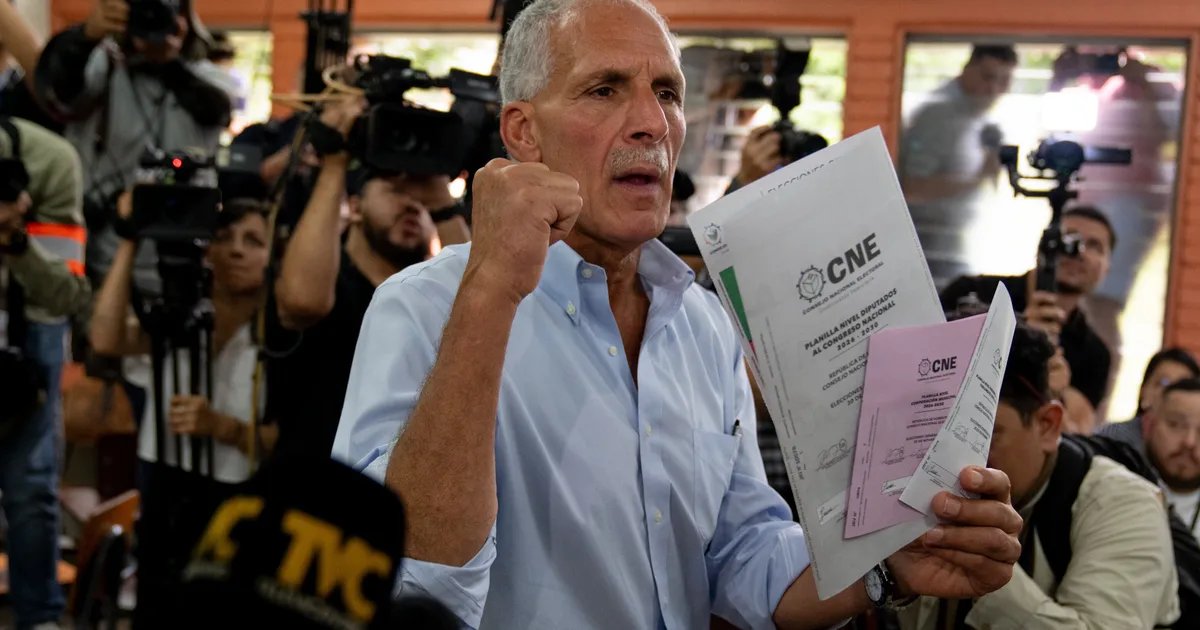
The Tight Race: Asfura vs. Castro
The Honduras presidential election has been anything but predictable. From the outset, it was clear that the race between Nasry Asfura, representing the ruling National Party, and Xiomara Castro, the candidate of the Liberty and Refoundation (Libre) party, would be a close contest. Asfura, a two-time mayor of Tegucigalpa, campaigned on a platform of continuity and economic stability. In contrast, Castro, the wife of former President Manuel Zelaya, ousted in a 2009 coup, promised sweeping reforms and a break from the past.
The slim lead held by Asfura – we’re talking fractions of a percentage point in the initial count – has only intensified the anxieties surrounding the election. Both sides have claimed victory, adding to the confusion and uncertainty. According to early reports, the voter turnout was significantly higher than in previous elections, reflecting the deep divisions within Honduran society and the high stakes of this political contest. Sources on the ground report long lines at polling stations, with some voters waiting for hours to cast their ballots.
“We want change,” exclaimed Maria Hernandez, a 35-year-old teacher who waited three hours to vote. “We are tired of the corruption and the lack of opportunities. We need someone who will fight for the people.” (That’s a sentiment I heard echoed again and again.)

The Trump Endorsement: A Double-Edged Sword
The endorsement of Nasry Asfura by former President Trump has undoubtedly added another layer of complexity to the election. While some saw it as a sign of international support for Asfura’s candidacy, others viewed it as an unwelcome intervention in Honduran affairs. It’s important to remember that Trump’s endorsement carries significant weight with certain segments of the Honduran population, particularly those who align with conservative ideologies.
However, the endorsement also drew criticism from those who view Trump’s policies as detrimental to democracy and human rights. Critics argued that the endorsement could undermine the credibility of the election and embolden those who seek to manipulate the results. “Trump’s involvement only serves to further polarize our country,” stated a political analyst who requested anonymity. “It sends the wrong message to the international community and could potentially destabilize the region.”
The situation is tricky. On one hand, you have a politician seeking any advantage he can get. On the other, you have a nation deeply divided, wary of external interference. It’s a recipe for potential disaster.
Allegations of Electoral Fraud
As the vote counting continues, allegations of electoral fraud have surfaced from both sides of the political spectrum. The Libre party has accused the National Party of attempting to manipulate the results, citing irregularities in the vote tallying process and instances of voter intimidation. The National Party has denied these allegations, accusing the Libre party of spreading disinformation and attempting to delegitimize the election.
The OAS observer mission is closely monitoring the situation and has urged all parties to respect the electoral process and refrain from any actions that could undermine the integrity of the election. The European Union has also sent a delegation of observers to monitor the election and ensure that it is conducted in a fair and transparent manner.
These allegations are serious, and they underscore the deep-seated distrust that exists within Honduran society. It will be crucial for the electoral authorities to conduct a thorough and transparent investigation into these claims and to ensure that all valid votes are counted accurately.
Here’s a breakdown of the key concerns:
- Irregularities in the vote tallying process
- Instances of voter intimidation
- Accusations of spreading disinformation
- Concerns about the transparency of the electoral process
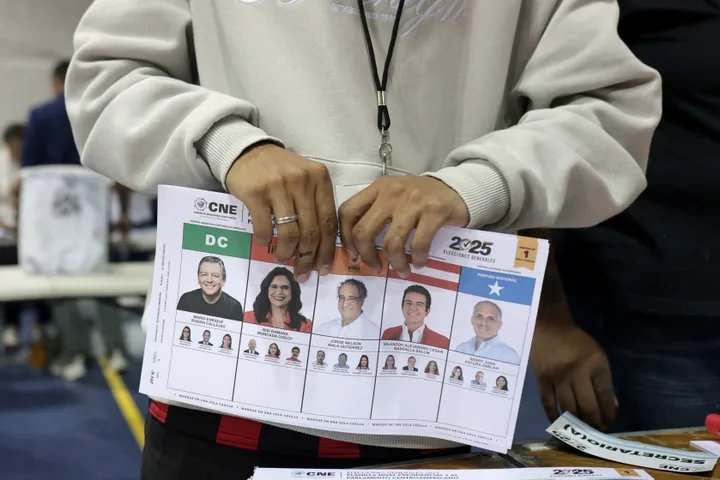
The Role of International Observers
The presence of international observers from the OAS and the European Union is crucial in ensuring the integrity of the Honduras presidential election. These observers are tasked with monitoring the electoral process, documenting any irregularities or instances of fraud, and providing an independent assessment of the election’s fairness and transparency.
Their findings will be critical in determining whether the election results are credible and whether the international community will recognize the new government. If the observers find evidence of widespread fraud or irregularities, it could lead to international condemnation and potentially trigger sanctions.
I spoke with an OAS observer who expressed concern about the level of polarization in the country. “The level of distrust is very high,” they said, “and it’s creating a very tense atmosphere. It’s essential that all parties respect the electoral process and refrain from any actions that could incite violence or unrest.”
Potential Implications for Honduras and the Region
The outcome of the Honduras presidential election will have significant implications not only for Honduras but also for the broader Central American region. A victory for Asfura could signal a continuation of the policies of the current government, which have been criticized for their lack of transparency and their failure to address the country’s deep-seated problems of poverty, inequality, and corruption.
A victory for Castro, on the other hand, could represent a significant shift in Honduran politics, potentially leading to reforms in areas such as healthcare, education, and social welfare. However, it could also raise concerns among some sectors of society about the potential for political instability and economic uncertainty.
The United States also has a significant stake in the outcome of the Honduras election. The Biden administration has made it clear that it prioritizes democracy and human rights in its foreign policy, and it will be closely watching the election to ensure that it is conducted in a fair and transparent manner. A credible election could strengthen U.S.-Honduras relations, while a flawed election could strain ties between the two countries. Central America is critical to many US foreign policy initiatives.
The Long Road Ahead
Regardless of who ultimately wins the presidency, Honduras faces a long and difficult road ahead. The country is grappling with a multitude of challenges, including high levels of poverty and inequality, widespread corruption, and persistent violence. These challenges will require a concerted effort from all sectors of society to address, and they will demand strong leadership and a commitment to good governance.
Here’s a list of crucial challenges:
- Poverty and inequality
- Corruption
- Violence and crime
- Weak institutions
- Lack of opportunities
The new president will need to build bridges across the political divide and work to unite the country behind a common vision for the future. They will also need to strengthen democratic institutions, promote the rule of law, and create a more inclusive and equitable society. It’s a monumental task, to be sure.
The coming days and weeks will be crucial in determining the future of Honduras. The world will be watching closely to see if the country can overcome its challenges and emerge as a stronger and more democratic nation. And all eyes are on whether the Trump-endorsed candidate can truly unite the country.
The situation remains fluid.
In conclusion, the Honduras presidential election, marked by the controversial Trump endorsement of Nasry Asfura and his subsequent slim lead, underscores the deep divisions and challenges facing the nation. Allegations of fraud, the crucial role of international observers, and the potential regional implications highlight the high stakes involved. Whether Asfura or Castro ultimately prevails, the new leader must prioritize unity, address systemic issues like corruption and inequality, and foster a more democratic and equitable society. The future of Honduras, and its relationship with the international community, hinges on the integrity of this electoral process and the leadership that emerges from it. The road ahead will be long, but with commitment and good governance, Honduras can overcome its challenges and build a brighter future for its people. The Honduran people deserve free and fair elections, and regardless of the final outcome, the new government must work tirelessly to earn their trust and address their needs.
Frequently Asked Questions
| Why is the Honduras presidential election so important? | The election is crucial because it will determine the direction of Honduras for the next four years, impacting issues like corruption, poverty, and international relations. It also serves as a test for the strength of democracy in the region. |
| What are the potential benefits of a fair and transparent election in Honduras? | A fair and transparent election can strengthen democratic institutions, improve investor confidence, and foster greater social stability. It can also lead to improved relations with international partners and increased foreign aid. |
| How are international observers helping to ensure a fair election? | International observers monitor the electoral process, document irregularities, and provide an independent assessment of the election’s fairness and transparency. Their presence helps deter fraud and ensures that the process is conducted according to international standards. |
| What are some of the challenges facing Honduras after the election? | Honduras faces numerous challenges, including high levels of poverty and inequality, widespread corruption, persistent violence, and weak institutions. The new government will need to address these issues to improve the lives of Honduran citizens. |
| What is the future outlook for Honduras, given the current political climate? | The future outlook for Honduras is uncertain. If the new government is able to address the country’s challenges and promote good governance, Honduras has the potential to become a more stable and prosperous nation. However, if the challenges are not addressed, Honduras could face continued political and economic instability. |
Important Notice
This FAQ section addresses the most common inquiries regarding the topic.