The acrid smell of smoke still hangs heavy in the air, a grim reminder of the devastating fire that tore through a residential building in Hong Kong’s bustling Yau Ma Tei district just days ago. The blaze, which claimed the lives of several residents and left many more injured, has ignited a firestorm of public anger. But it isn’t just the tragedy of the event, it is the underlying feeling that somehow, this could have been prevented. It’s a sentiment echoed in hushed whispers across the city, from the crowded markets of Mong Kok to the quiet tea houses of Sheung Wan. The sense of public anger is palpable. You can practically feel it crackling like static electricity. The tragedy has sparked a fierce debate about fire safety standards, government accountability, and the ever-present shadow of Beijing’s influence. Many are questioning whether existing regulations are sufficient to protect residents, particularly those living in older, densely populated buildings.
The charred remains of the building serve as a stark symbol of the city’s vulnerabilities and the growing discontent simmering beneath the surface. The deadly blaze has not only exposed potential flaws in safety regulations but has also become a flashpoint for broader political grievances. Beijing’s subsequent warning against any “disruption” in the wake of the tragedy has only served to further inflame tensions, with many viewing it as an attempt to stifle dissent and control the narrative. Imagine the scene: grieving families, rescue workers sifting through debris, and the ever-watchful eyes of the authorities. The atmosphere is thick with sorrow and suspicion. One resident, speaking on condition of anonymity, described the scene as “a living nightmare,” adding, “We feel abandoned, forgotten. They care more about control than our safety.”
It’s important to understand the context here. Hong Kong has been grappling with political unrest for years, with pro-democracy movements clashing with Beijing’s increasingly assertive control. This Hong Kong fire has simply poured gasoline on an already raging fire of discontent. The combination of grief, frustration, and a deep-seated distrust of the government is a volatile mix. (It reminds me of the time I saw a street protest erupt over a minor traffic incident – pent-up frustration can find an outlet anywhere.) The question now is whether this tragedy will serve as a catalyst for meaningful change or simply deepen the existing divisions within Hong Kong society. Let’s delve deeper into the situation.
The Human Cost of the Tragedy
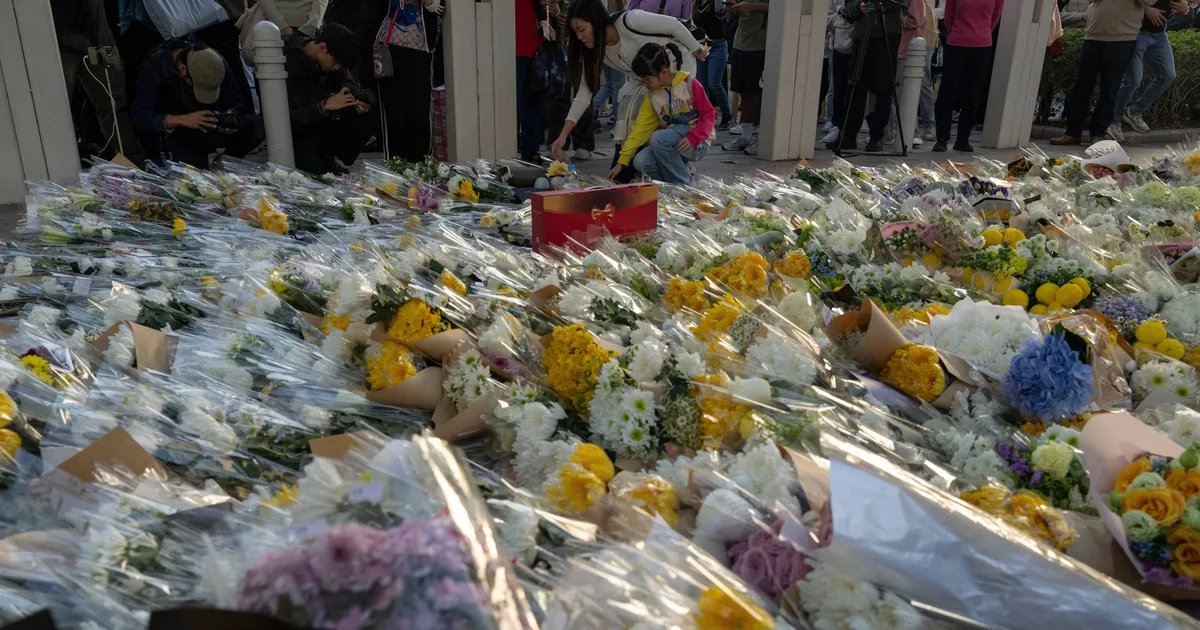
The immediate aftermath of the fire was one of chaos and heartbreak. First responders battled tirelessly to contain the blaze and rescue trapped residents, but the inferno quickly engulfed the building, leaving little chance of escape for some. The sheer scale of the devastation is difficult to comprehend. We’re talking about families torn apart, lives irrevocably altered. The emotional toll on the community is immense.
The stories emerging from the wreckage are harrowing. One young woman, who lost her parents in the fire, recounted how she had spoken to them just hours before the tragedy. “They were so happy,” she sobbed. “They were planning a trip. Now they’re gone.” (It’s heartbreaking to hear these personal accounts. It really drives home the human cost of these events.) Another resident described the frantic scramble to escape, navigating through smoke-filled corridors and dodging falling debris. “It was like a scene from a horror movie,” he said, his voice trembling. “I saw people screaming, crying, desperately trying to get out.”
The official death toll continues to rise, and authorities are still working to identify the victims and provide support to their families. The government has pledged to conduct a thorough investigation into the cause of the fire and to implement measures to prevent similar tragedies from happening in the future. But for many, these promises ring hollow. They’ve heard it all before.
Questions of Accountability and Fire Safety
The deadly blaze has brought intense scrutiny to the state of fire safety in Hong Kong, particularly in older residential buildings. Many of these buildings are overcrowded, poorly maintained, and lack adequate fire safety equipment. Residents often complain about faulty wiring, blocked fire exits, and a general lack of enforcement of existing regulations.

“We’ve been complaining about the lack of fire safety for years,” said one local activist. “But the government has ignored us. They’re more interested in developing new luxury apartments than in protecting the lives of ordinary people.” (That’s a pretty strong statement, but it reflects the sentiments of many in the community.) Critics argue that the government’s lax enforcement of fire safety regulations is a direct result of prioritizing economic development over public safety. They point to the fact that many older buildings are owned by powerful developers who have close ties to the government.
The investigation into the cause of the fire is ongoing, but preliminary reports suggest that faulty wiring may have been a contributing factor. However, many believe that the root cause of the tragedy lies in systemic failures and a lack of political will to address the issue of fire safety.
Calls for Reform
In the wake of the tragedy, there have been widespread calls for reform of Hong Kong’s fire safety regulations. Activists and community leaders are demanding stricter enforcement of existing laws, increased funding for fire safety inspections, and greater transparency in the building approval process.
Some are even calling for a complete overhaul of the building code to bring it in line with international standards. “We need to learn from this tragedy and take concrete steps to prevent it from happening again,” said a representative from a local residents’ association. “We can’t just sit back and wait for the next fire to claim more lives.”
Beijing’s Warning and the Political Context
Adding another layer of complexity to the situation is Beijing’s response to the tragedy. Shortly after the fire, a spokesperson for the Chinese government issued a statement warning against any “disruption” or “politicization” of the incident. This warning has been widely interpreted as an attempt to stifle dissent and prevent the tragedy from being used to criticize the government.
“Beijing is trying to control the narrative,” said a political analyst. “They don’t want this tragedy to fuel further political unrest.” (It’s a familiar pattern. Beijing often tries to suppress any criticism of its policies, especially in Hong Kong.) The warning has been met with anger and defiance by many in Hong Kong, who see it as a blatant attempt to suppress freedom of expression.
The timing of the warning is particularly sensitive, given the ongoing political tensions in Hong Kong. The city has been rocked by protests in recent years, as pro-democracy activists fight for greater autonomy from Beijing. The deadly blaze has only served to exacerbate these tensions, with many viewing it as another example of the government’s failure to protect the interests of its citizens. The democracy movement feels increasingly marginalized.
The Future of Hong Kong
The Hong Kong fire has raised profound questions about the future of the city. Will it serve as a wake-up call for the government to address the issue of fire safety and other pressing social problems? Or will it simply deepen the existing divisions within Hong Kong society and further erode public trust in the government? The answer to these questions remains to be seen. But one thing is clear: the public anger sparked by this tragedy will not easily be extinguished. I personally believe this event will add momentum to pro-democracy sentiments.
- Stricter enforcement of fire safety regulations
- Increased funding for fire safety inspections
- Greater transparency in the building approval process
- Overhaul of the building code
The Importance of Community and Support
In the face of such tragedy, the importance of community and support cannot be overstated. Local organizations and volunteers have stepped up to provide assistance to the victims of the fire, offering food, shelter, and emotional support. The outpouring of generosity and solidarity has been a source of comfort for many.
One volunteer described the scene at a local community center as “overwhelming.” “People are donating everything they can,” she said. “Clothes, food, money. It’s amazing to see how much people care.” (It’s inspiring to witness the resilience and compassion of the human spirit in times of crisis.) The community’s response to the tragedy serves as a reminder of the enduring strength and spirit of the people of Hong Kong.
A Call for Change
The deadly blaze in Yau Ma Tei should serve as a catalyst for change. It is a stark reminder of the importance of prioritizing public safety and holding those in power accountable. The government must take concrete steps to address the systemic failures that contributed to this tragedy and to ensure that such a disaster never happens again. This includes not only strengthening fire safety regulations but also addressing the broader social and political issues that are fueling discontent in Hong Kong. The people of Hong Kong deserve better. They deserve a government that prioritizes their safety and well-being, and that is responsive to their needs. Only then can the city begin to heal and move forward from this tragedy.
The smoke may eventually clear, but the memories of this tragedy will linger for years to come. It’s up to all of us to ensure that those memories serve as a constant reminder of the need for vigilance, compassion, and a relentless pursuit of justice. This is not just about Hong Kong; it’s about the fundamental right to safety and security for all people, everywhere.
Frequently Asked Questions
| What caused the deadly fire in Hong Kong? | The exact cause is still under investigation, but preliminary reports suggest faulty wiring may have been a significant factor. However, many believe systemic failures in fire safety regulations and enforcement contributed to the severity of the blaze. |
| What are the potential benefits of improved fire safety regulations in Hong Kong? | Improved regulations would significantly reduce the risk of future fires, saving lives and preventing injuries. They would also increase public confidence in the government’s ability to protect its citizens and potentially boost property values in older buildings as they become safer. |
| How can fire safety regulations be effectively implemented in Hong Kong’s older buildings? | Effective implementation requires a multi-pronged approach: stricter enforcement of existing laws, increased funding for fire safety inspections, providing financial assistance to building owners for upgrades, and educating residents about fire safety practices. |
| What are the challenges to improving fire safety in Hong Kong? | Challenges include resistance from building owners due to the cost of upgrades, bureaucratic hurdles in obtaining permits, a shortage of qualified inspectors, and the need to address the root causes of overcrowding and poor maintenance in older buildings. |
| What is the likely future impact of this fire on Hong Kong’s political landscape? | The fire is likely to further exacerbate political tensions in Hong Kong. It could fuel greater public anger and distrust towards the government, potentially leading to renewed protests and calls for greater democracy and accountability. |
Important Notice
This FAQ section addresses the most common inquiries regarding the topic.