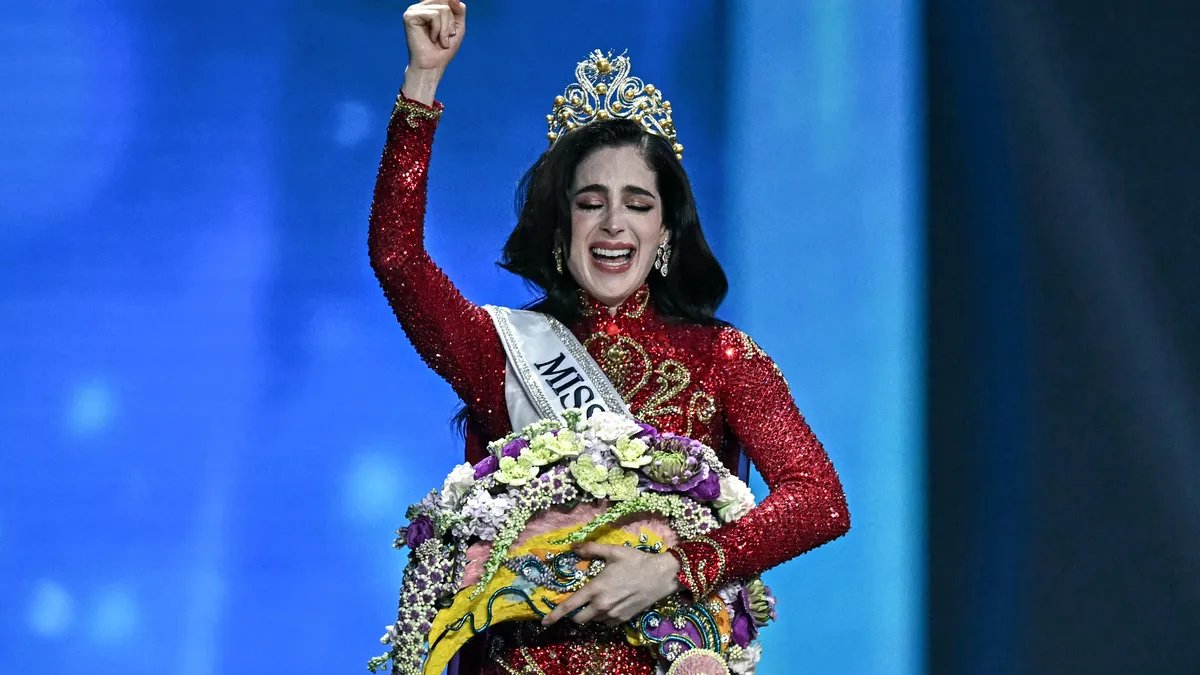
The roar of the crowd was deafening. Flashbulbs popped, turning the stage into a blinding kaleidoscope of light. It was the final moment, the culmination of months of grueling preparation, intense competition, and, let’s be honest, a whole lot of drama. The two remaining contestants, hand-in-hand, awaited the announcement that would change one of their lives forever. This wasn’t just a beauty pageant; it was a spectacle, a carefully constructed narrative designed to keep viewers glued to their screens. You see, Miss Universe, at its core, possessed all the key ingredients that make a prime reality TV show so addictive. The pressure cooker environment, the diverse personalities clashing, the underdog stories, and the sheer unpredictability of it all. It’s more than just swimsuits and evening gowns; it’s about the journey, the struggles, and the triumphs.
Think about it. Each contestant has a backstory, a dream, and a reason for being there. They are vying for the crown, yes, but also for the opportunities, the platform, and the chance to make a difference. The competition isn’t just about physical beauty; it’s about intelligence, poise, and the ability to articulate your thoughts on global issues. (Though let’s be real, the evening gown competition still gets a lot of attention.) The reality TV element comes from the fact that these women are constantly being judged, scrutinized, and compared to one another. They are living under a microscope, with every move, every word, and every outfit dissected by the media and the public. It’s a breeding ground for conflict, alliances, and, of course, a healthy dose of manufactured drama. And the viewers? We eat it up. We love to root for our favorites, to criticize the judges’ decisions, and to speculate about who will win. It’s pure entertainment, and it’s precisely why Miss Universe functions so effectively as a reality TV show.
The evolution of the pageant has only amplified this aspect. Gone are the days of simply walking gracefully and smiling politely. Today’s contestants are expected to be activists, entrepreneurs, and role models. They are encouraged to speak their minds, to advocate for their causes, and to challenge the status quo. This has made the competition more engaging and relevant, but it has also opened the door for even more drama. Social media has played a huge role, too, giving contestants a direct line to the public and allowing them to shape their own narratives. (And also providing endless opportunities for online feuds and controversies, naturally.) Let’s explore how the structure, the contestants, and the overall presentation of Miss Universe seamlessly align with the format of a compelling reality TV experience.
The Structure: A Recipe for Reality TV Success
The format of Miss Universe is meticulously crafted to maximize drama and viewer engagement. It follows a classic reality TV arc: auditions (national pageants), eliminations (preliminary competitions), challenges (swimsuit, evening gown, interviews), and a grand finale. Each stage is designed to test the contestants’ abilities and to create opportunities for conflict and competition.
Think of it like “Survivor,” but with more glitter and fewer bugs. Each segment plays a specific role in building the narrative. The national pageants introduce the contestants and their backstories. The preliminary competitions narrow the field and identify the frontrunners. The challenges showcase the contestants’ talents and personalities. And the grand finale, of course, is the ultimate showdown, where the winner is crowned and a new star is born.
The interview segment, in particular, is ripe for reality TV gold. It’s where contestants are put on the spot and asked to answer tough questions about current events, social issues, and their personal beliefs. This is their chance to shine, but it’s also their chance to stumble. A poorly worded answer or a controversial opinion can easily derail their chances of winning. I remember one year, a contestant was asked about her views on climate change, and her answer was so vague and generic that she was immediately eliminated. “It was like watching a train wreck in slow motion,” a backstage staff member told me. “You could see the judges cringing.”
The Contestants: Characters We Love (and Love to Hate)
One of the key ingredients of any successful reality TV show is a cast of compelling characters. Miss Universe delivers on this front with a diverse group of women from all over the world, each with her own unique personality, background, and story. Some are ambitious and driven, others are shy and insecure, and some are just plain quirky.

Here are some typical contestant archetypes you might find in any given year:
* The Frontrunner: She’s beautiful, intelligent, and confident. She’s the one to beat, and everyone knows it.
* The Underdog: She’s not the most conventionally attractive, but she has a compelling story and a magnetic personality. She’s the one everyone roots for.
* The Villain: She’s ambitious, ruthless, and willing to do whatever it takes to win. She’s the one everyone loves to hate.
* The Fish Out of Water: She’s from a small town or a less developed country, and she’s overwhelmed by the glamour and pressure of the competition. She’s the one everyone feels sorry for.
The interactions between these different personalities are what create the drama and the conflict that make Miss Universe so compelling. There are alliances, betrayals, rivalries, and friendships. It’s like a high school cafeteria, but with more sequins. “It’s definitely a pressure cooker environment,” said a former contestant from Canada. “You’re living with these women for weeks, and you’re constantly competing against them. It’s hard not to get caught up in the drama.”
Behind-the-Scenes Drama: The Unseen Reality
What viewers see on television is just the tip of the iceberg. The real drama happens behind the scenes, in the dressing rooms, during rehearsals, and at the after-parties. There are rumors, gossip, and backstabbing galore. Contestants try to sabotage each other’s chances by spreading rumors, hiding makeup, or even intentionally tripping each other on stage (allegedly!).
* Rumor Mills: The sheer volume of speculation can be overwhelming.
* Competition Intensifies: Stress levels are high, resulting in short tempers.
* Alliances Form: Strategic partnerships can make or break a contestant’s journey.
“You have to be careful who you trust,” said a former judge. “Some of these women are incredibly manipulative. They’ll say anything to get ahead.” The production team is also very aware of this drama and often tries to amplify it for the sake of entertainment. They might ask leading questions during interviews, or they might intentionally create situations that will provoke conflict. It’s all part of the show.
The Presentation: Glamour, Spectacle, and Emotional Storytelling
The Miss Universe organization knows how to put on a show. The production values are high, the stage is extravagant, and the music is bombastic. It’s designed to be a visually stunning spectacle that will captivate audiences around the world.
The broadcast itself is carefully structured to build suspense and to maximize emotional impact. The contestants are introduced with dramatic videos that highlight their backstories and their dreams. The judges are presented as experts in their fields, with the power to make or break a contestant’s career. The host is charismatic and engaging, keeping the audience entertained between segments.
The final moments of the competition are particularly dramatic. The top contestants are asked a final question, which is often designed to elicit an emotional response. The judges deliberate, and the tension builds. Finally, the winner is announced, and the crowd erupts. It’s a moment of pure catharsis, both for the winner and for the viewers at home.
One of the most memorable moments in Miss Universe history was when Steve Harvey mistakenly announced the wrong winner. The look on the face of Miss Colombia when she had to give up the crown was heartbreaking. It was a moment of pure, unscripted reality TV gold. While a terrible experience for the contestants involved, it undeniably boosted viewership and solidified Miss Universe’s position as a must-watch event.
Consider the use of music and lighting during the evening gown competition. Slow, romantic music plays as each contestant glides across the stage, showcasing her elegance and grace. The lighting is carefully designed to accentuate her features and to create a sense of drama. It’s all designed to create an emotional connection between the viewer and the contestant.
Beyond Beauty: The Evolution of the Pageant
Miss Universe has evolved significantly over the years. It’s no longer just about physical beauty; it’s about intelligence, confidence, and the ability to make a difference in the world. The contestants are now expected to be advocates for their causes and to use their platform to promote positive change.
This shift reflects a broader trend in society, where people are demanding more from their role models. They want to see people who are not only beautiful but also intelligent, compassionate, and socially conscious. Miss Universe has responded to this demand by emphasizing the contestants’ accomplishments and their commitment to making a difference.
Many former Miss Universe winners have gone on to have successful careers in business, politics, and philanthropy. They have used their platform to raise awareness about important issues, to advocate for marginalized communities, and to inspire others to achieve their dreams.
“I think Miss Universe has the potential to be a powerful force for good in the world,” said a former winner from India. “It’s a platform that can amplify voices and inspire change. It’s important that we use it responsibly.” However, the competition still draws criticism for its emphasis on physical appearance and for perpetuating unrealistic beauty standards. Some argue that it objectifies women and that it promotes a narrow definition of beauty. These are valid criticisms, and it’s important to continue to challenge the pageant to be more inclusive and representative.
Conclusion: More Than Just a Beauty Contest
Miss Universe is more than just a beauty contest. It’s a complex and multifaceted phenomenon that reflects our society’s obsession with beauty, fame, and success. It’s a reality TV show in disguise, with all the drama, competition, and emotional storytelling that make the genre so addictive.
Whether you love it or hate it, there’s no denying that Miss Universe has a powerful hold on our collective imagination. It’s a spectacle that continues to captivate audiences around the world, and it’s likely to remain a fixture of our cultural landscape for years to come. The combination of glamorous visuals, high-stakes competition, and compelling personal narratives makes it irresistible to many. Even I, a self-confessed skeptic, find myself drawn in by the drama and the excitement. It’s a guilty pleasure, perhaps, but it’s a pleasure nonetheless. So, the next time you find yourself watching Miss Universe, remember that you’re not just watching a beauty pageant; you’re watching a reality TV show unfold before your very eyes.
Frequently Asked Questions
| Why does Miss Universe resemble a reality TV show? | Miss Universe shares characteristics with reality TV due to its structured competition, diverse contestants, and emphasis on drama and emotional storytelling. The format includes eliminations, challenges, and a grand finale, similar to popular reality shows, creating a compelling narrative for viewers. |
| What are the benefits of viewing Miss Universe as a reality TV show? | Viewing Miss Universe as a reality TV show enhances engagement by focusing on the contestants’ personal journeys, struggles, and triumphs. This perspective adds depth to the competition, making it more relatable and entertaining for audiences who enjoy character-driven narratives. |
| How is the reality TV aspect implemented in Miss Universe? | The reality TV aspect is implemented through carefully crafted segments that highlight contestants’ backstories, challenges, and interactions. Behind-the-scenes drama, strategic alliances, and emotional interviews are emphasized to create a compelling and suspenseful viewing experience. |
| What are the challenges in balancing the beauty pageant and reality TV elements? | The challenges lie in maintaining a balance between celebrating physical beauty and showcasing contestants’ intelligence and social consciousness. Critics argue that the emphasis on appearance can perpetuate unrealistic standards, while proponents believe the pageant has evolved to promote empowerment and advocacy. |
| What is the future of Miss Universe as a blend of beauty pageant and reality TV? | The future of Miss Universe likely involves continued evolution towards greater inclusivity and social relevance. The pageant may further integrate reality TV elements to engage broader audiences while addressing criticisms about objectification and promoting diverse voices and perspectives. |
Important Notice
This FAQ section addresses the most common inquiries regarding the topic.