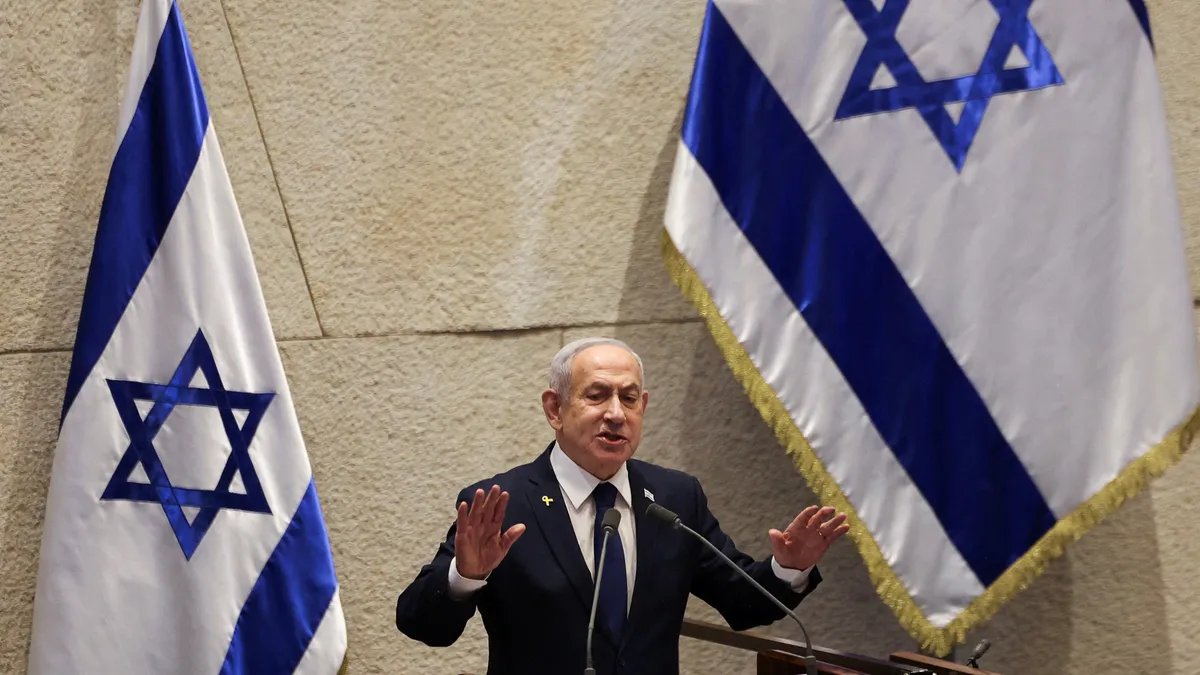
The air in Jerusalem hangs thick with anticipation. It’s a late autumn afternoon, the sky a bruised purple as the sun dips below the ancient walls. The scent of roasting chestnuts drifts from a nearby market, a poignant contrast to the legal drama unfolding. Inside, the political temperature is soaring as news breaks: Israel’s Netanyahu is reportedly seeking a pardon in his years-long corruption trial. Can you believe it? After all this time, after all the denials, the accusations, the courtroom battles… a pardon? It’s a move that’s sent shockwaves through the nation, igniting fierce debate and raising profound questions about justice, accountability, and the very fabric of Israeli democracy. Imagine the scene outside the courthouse, journalists scrambling, protesters chanting, the weight of history pressing down on everything.
The timing, of course, is impeccable – or perhaps, deliberately provocative. Coming after a period of heightened political instability and shifting alliances, this request for a pardon throws yet another wrench into the works. Critics are already denouncing it as an attempt to evade justice, a cynical maneuver by a leader desperate to cling to power, or perhaps, simply to avoid prison. Supporters, on the other hand, argue that it’s a pragmatic step towards national healing, a way to move past the divisive rhetoric and focus on the challenges facing the country. But can the country really move past this? The alleged corruption involves serious breaches of trust. The stakes are incredibly high. The corruption trial has been a national obsession.
The legal complexities are immense. Who has the authority to grant such a pardon? What are the potential ramifications for the rule of law? And what message does it send to the Israeli public, especially to future generations, about the consequences of corruption? These are not just abstract legal questions; they are deeply personal and emotional for many Israelis, who have invested years in following the twists and turns of this saga. It’s impossible to overstate the significance of this moment, this calculated gamble by Netanyahu. The request for a pardon could redefine his legacy and reshape the future of Israeli politics. Let’s delve into the details and explore the potential implications of this groundbreaking development. It’s time to unpack what a Netanyahu pardon would really mean.
The Corruption Charges: A Recap
The corruption trial against Netanyahu centers around three main cases, each alleging a different form of impropriety. These include accusations of bribery, fraud, and breach of trust. Case 4000, perhaps the most high-profile, involves allegations that Netanyahu granted regulatory favors to the Bezeq telecom giant in exchange for positive coverage on the Walla! News website, which was owned by Bezeq’s controlling shareholder. Then there’s Case 1000, which focuses on gifts allegedly received by Netanyahu and his family from wealthy benefactors, including cigars, champagne, and jewelry. And finally, Case 2000 examines alleged attempts by Netanyahu to strike a deal with the publisher of the Yediot Aharonot newspaper for more favorable coverage in exchange for weakening a rival publication. It’s a tangled web, to say the least.
Prosecutors have presented a mountain of evidence, including witness testimony, documents, and recordings, to support their claims. Netanyahu, for his part, has consistently denied all wrongdoing, claiming that the charges are politically motivated and part of a witch hunt orchestrated by his enemies in the media and the legal establishment. He’s called the entire process a sham. But the trial has dragged on for years, consuming vast amounts of time, resources, and political capital.
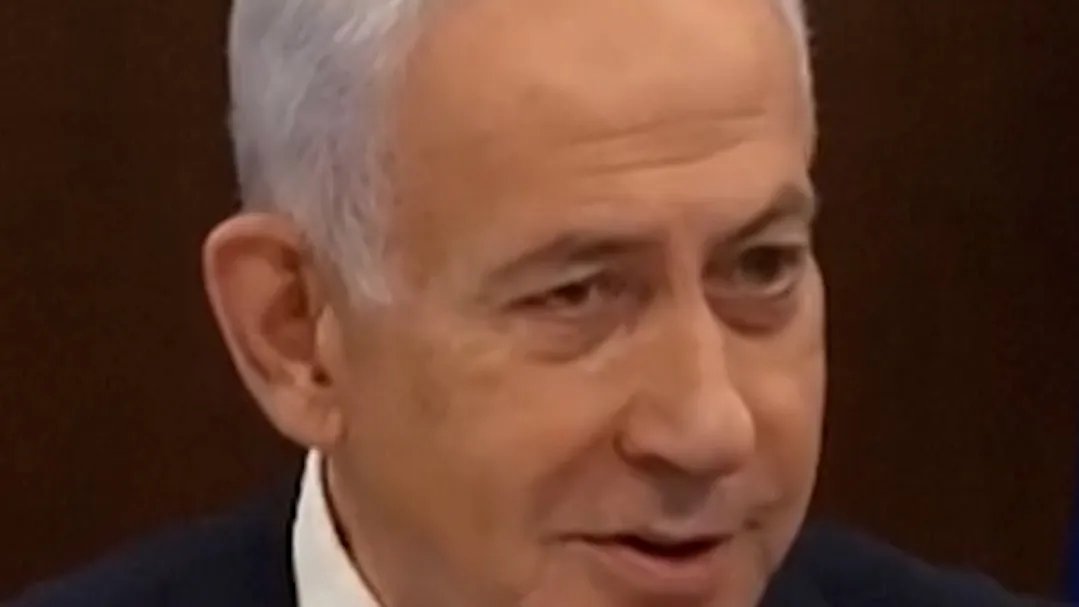
“It’s all lies,” Netanyahu declared at a rally just last month. “They are trying to bring me down with false accusations because they know they can’t beat me at the ballot box.” His supporters echo this sentiment, seeing him as a victim of a deep state conspiracy. Detractors, however, view him as a corrupt politician who has abused his power for personal gain.
The Pardon Process: Who Decides?
The power to grant a pardon in Israel rests with the President. However, it’s not as simple as the President waking up one morning and deciding to absolve Netanyahu of his alleged crimes. The process typically involves a formal request from the individual seeking the pardon, followed by a review by the Ministry of Justice. The Ministry then provides a recommendation to the President, who ultimately makes the final decision.
The President is expected to consider a range of factors, including the nature and severity of the offense, the individual’s remorse, their personal circumstances, and the potential impact of a pardon on public trust and the rule of law. It’s a delicate balancing act, weighing the interests of justice against the potential for forgiveness and reconciliation.
“This isn’t just about one man,” said a legal analyst who spoke on condition of anonymity. “It’s about the integrity of the justice system and the message it sends to the public. A pardon could be seen as undermining the rule of law and creating a two-tiered system of justice, one for the powerful and well-connected, and another for everyone else.”
Potential Legal Hurdles
Even if the President is inclined to grant a pardon, there could be legal challenges. Opponents could argue that a pardon in this case would be an abuse of power, particularly given the seriousness of the charges and the potential for political interference. They could petition the Supreme Court to block the pardon, setting up a protracted legal battle that could further divide the country.
The Political Fallout: A Divided Nation
The news of Netanyahu’s pursuit of a pardon has already sparked a firestorm of controversy. Political opponents have condemned the move as an affront to justice and a sign of desperation. They argue that he should face the consequences of his actions, regardless of his past achievements or political standing.
On the other hand, Netanyahu’s allies have rallied to his defense, arguing that he deserves a pardon in light of his long and distinguished service to the country. They portray him as a victim of political persecution and argue that a pardon would be a magnanimous gesture that would help heal the divisions in Israeli society.
Public Opinion: A Mixed Bag
Public opinion is sharply divided. Polls show that a significant percentage of Israelis oppose a pardon, believing that Netanyahu should be held accountable for his alleged crimes. However, there is also a substantial segment of the population that supports a pardon, either out of loyalty to Netanyahu or out of a desire to move past the divisive legal battles. It’s really hard to gauge the overall mood.
The situation is further complicated by the fact that the political landscape in Israel is highly fluid and unpredictable. The country has been through a series of elections in recent years, and the political alliances are constantly shifting. The pardon issue could become a major flashpoint in the next election, further exacerbating the existing divisions.
The Impact on Israel’s Democracy
The Netanyahu pardon request raises fundamental questions about the health and resilience of Israel’s democracy. Can a democracy withstand the strain of a leader seeking to evade justice through a pardon? Does it undermine public trust in institutions? Does it create a precedent that could be abused in the future?
These are not easy questions to answer. Some argue that a pardon, under certain circumstances, can be a legitimate tool for promoting national reconciliation and healing. Others argue that it should only be used in the most exceptional cases, and that granting a pardon to a leader facing serious corruption charges would send a dangerous message.
“The essence of democracy lies in the principle of equality before the law,” said Professor Miriam Gur-Arye, a constitutional law expert. “If we allow political considerations to trump the rule of law, we risk eroding the very foundations of our democracy.”
International Ramifications
The Netanyahu pardon case is also being closely watched by the international community. Israel’s reputation as a democratic and law-abiding nation is at stake. A pardon could damage its standing on the world stage and complicate its relationships with key allies. Some might view it as a sign of weakness, or even as a tacit endorsement of corruption.
It’s a delicate balancing act. Israel needs to maintain its credibility as a defender of democratic values while also navigating the complex political realities of the Middle East. The pardon decision will undoubtedly have far-reaching consequences, both domestically and internationally.
Alternative Scenarios: What Could Happen Next?
The future is uncertain. Here are a few possible scenarios:
* The Pardon is Granted: Netanyahu is pardoned, leading to outrage from some and celebration from others. The decision is challenged in the Supreme Court, resulting in further legal battles.
* The Pardon is Denied: Netanyahu continues to fight the corruption charges in court. The trial drags on, further polarizing the nation.
* A Plea Bargain: Netanyahu reaches a plea bargain with prosecutors, admitting to some wrongdoing in exchange for a reduced sentence. This could be a compromise that satisfies some, but leaves others feeling that justice has not been fully served.
Possible Outcomes: A Table
| Scenario | Outcome | Impact on Israel |
|—|—|—|
| Pardon Granted | Legal challenges, public outrage | Deepens divisions, undermines trust in institutions |
| Pardon Denied | Trial continues, further polarization | Prolonged uncertainty, strains political system |
| Plea Bargain | Compromise, partial accountability | Dissatisfaction from both sides, questions about justice |
Conclusion: A Nation at a Crossroads
The Netanyahu pardon saga is more than just a legal drama; it’s a reflection of the deep divisions and challenges facing Israeli society. It’s a test of its democratic institutions, its commitment to the rule of law, and its ability to reconcile the competing demands of justice, forgiveness, and political expediency.
As the nation awaits the President’s decision, one thing is clear: the outcome will have a profound and lasting impact on Israel’s future. This isn’t just history in the making, it’s a moment that could redefine what Israel stands for. I find myself wondering if this is truly about justice, or if it’s simply a high-stakes political game with the future of a nation hanging in the balance. Only time will tell. The air, once again, hangs heavy in Jerusalem. What does the future hold?
Frequently Asked Questions
| What are the main charges against Netanyahu? | Netanyahu is facing charges of bribery, fraud, and breach of trust in three separate cases. These cases involve allegations of granting regulatory favors in exchange for positive media coverage and receiving gifts from wealthy benefactors. |
| What are the potential benefits of granting Netanyahu a pardon? | Supporters argue that a pardon could promote national reconciliation and healing, allowing the country to move past the divisive legal battles. It could also be seen as an act of magnanimity towards a leader who has served the country for many years. |
| How does the pardon process work in Israel? | The power to grant a pardon rests with the President, who receives a recommendation from the Ministry of Justice after a formal request. The President considers the nature of the offense, the individual’s remorse, and the potential impact on public trust before making a decision. |
| What are the potential challenges to granting Netanyahu a pardon? | Opponents could argue that a pardon would be an abuse of power, undermining the rule of law and creating a two-tiered system of justice. The Supreme Court could be petitioned to block the pardon, leading to further legal battles. |
| What are the potential long-term consequences of this situation for Israel? | The outcome of the pardon request could have a profound impact on Israel’s democracy, its international reputation, and its political landscape. It could deepen divisions, erode public trust in institutions, and set a precedent for future cases. |
Important Notice
This FAQ section addresses the most common inquiries regarding the topic.