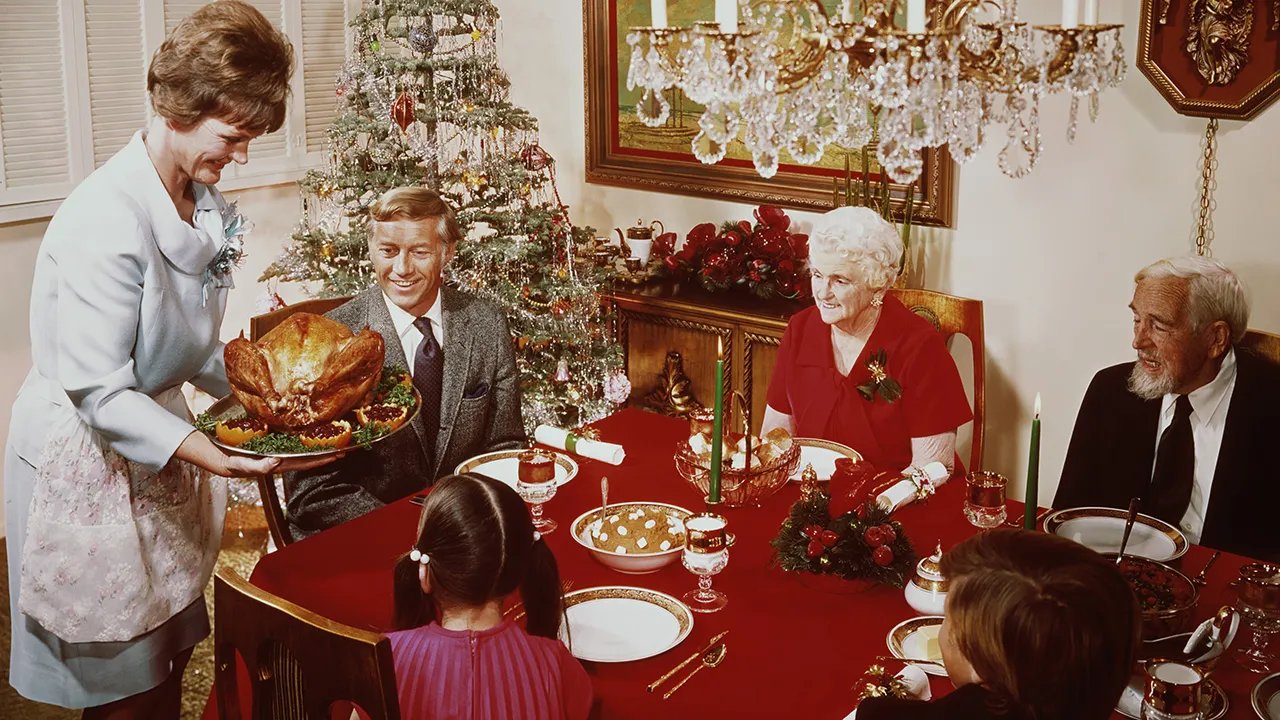
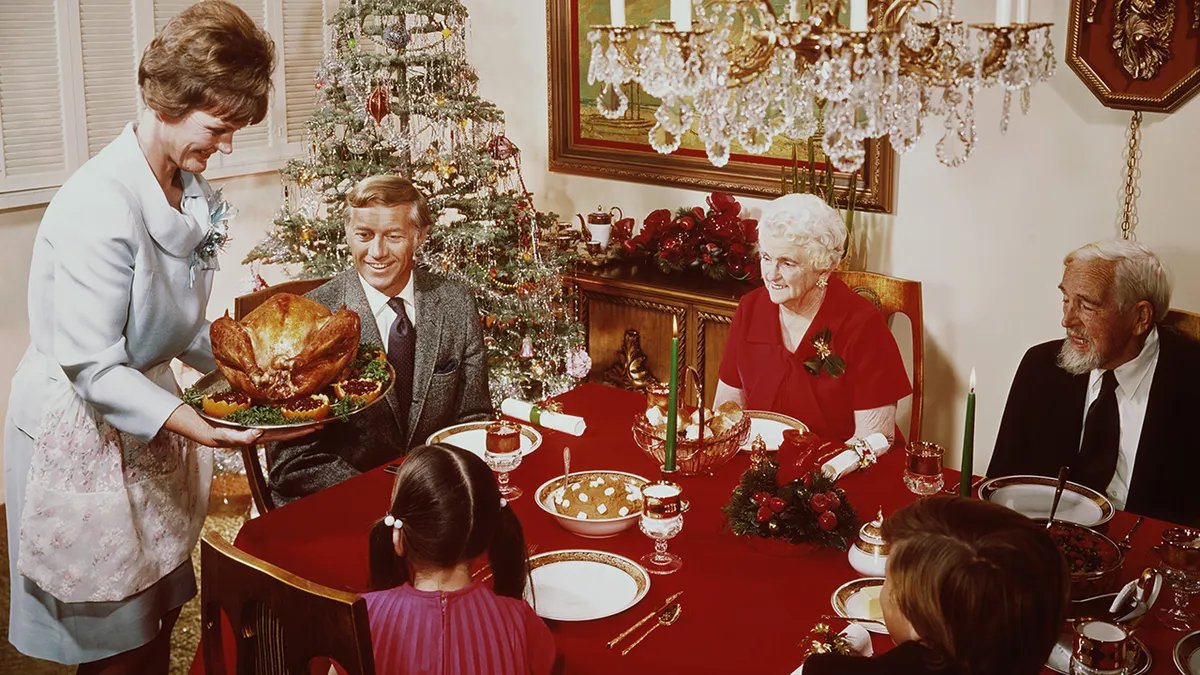
The chill of December air always brings with it a specific scent, doesn’t it? A mix of pine needles, woodsmoke, and a faint, sweet hint of baking spices. It transports me back to childhood Christmases, to Grandma’s bustling kitchen, steam fogging the windows as snow silently fell outside. The rhythmic clatter of pots, the low hum of carols on the radio, and that incredible aroma of roasted turkey or ham, mingling with a dozen other delightful scents. We all have those vivid memories of the quintessential Christmas dinner, a spread so lavish it felt like it could feed an army, each dish a familiar, comforting friend. But if you really pause and think about those sprawling holiday buffets of yesteryear, particularly those from the mid-20th century, you might notice something peculiar. Some of those beloved, iconic Christmas side dishes, once absolute staples on American tables, seem to have quietly faded away. They’re like old friends who moved without leaving a forwarding address, leaving a subtle, nostalgic ache for flavors we rarely encounter anymore. I’ve often wondered, where did they go? Why did we collectively decide to let these culinary traditions slip into the annals of history? It’s a curious journey into America’s changing palate, a culinary archaeological dig if you will, to uncover the delicious secrets of these forgotten holiday recipes.
Unearthing the Past: A Look at Vanished Holiday Treasures
It’s truly astounding how quickly food trends and cultural preferences can shift, isn’t it? What was once a celebrated centerpiece of a festive meal can, within a generation or two, become a forgotten curiosity. This isn’t just about taste buds evolving; it’s about changing lifestyles, dietary knowledge, and even the sheer availability of ingredients. As I started digging into old cookbooks and family archives, I realized just how many cherished dishes have simply disappeared from our collective consciousness when it comes to the traditional holiday meals. Let’s peel back the layers of time and explore six such classic Christmas side dishes that, for various reasons, no longer grace most modern American tables.
1. The Curious Case of Savory Gelatin Molds (Aspic)
Oh, gelatin molds. For anyone under a certain age, the very idea of a savory, shimmering concoction of meat broth, vegetables, and sometimes even seafood, suspended in gelatin, might sound like something from a dystopian novel. Yet, for decades, especially from the 1930s to the 1970s, these wobbly wonders were absolute mainstays at holiday gatherings. They often featured diced celery, shredded carrots, peas, and perhaps even bits of ham or chicken, all set in a clear or lightly colored aspic. My own grandmother, bless her heart, would spend hours perfecting her “Christmas Consommé Aspic,” complete with artfully arranged pimento strips and parsley. “It’s so elegant, dear,” she’d always say, carefully unmolding it onto a lettuce-lined platter. “And so refreshing amidst all the rich food.”
So, what happened? Frankly, our palates changed. The textural oddity, combined with a general shift away from heavily processed foods (even if homemade, the idea of “congealed” food fell out of favor), led to their decline. Health trends also played a part; while gelatin itself isn’t unhealthy, the sheer novelty wore off. Today, if you mention aspic, you’ll likely get a look of bewildered amusement, or perhaps a shudder. It’s a true relic of a bygone culinary era, a quirky footnote in the history of vintage Christmas food.
2. The Elusive Original Mincemeat Pie
Now, before you say, “Mincemeat pie is still around!”, let’s clarify. We’re not talking about the fruit-heavy, spiced, sweet versions commonly found in bakeries today. No, I’m referring to the much older, more traditional mincemeat pie that actually contained… well, meat. Historically, mincemeat was a way to preserve meat without refrigeration, combining finely chopped beef or venison with dried fruits, suet, spices, and often brandy or rum. It was a rich, deeply savory-sweet concoction, a true powerhouse of flavor, and often served as a substantial side or a pre-dessert course at old-fashioned Christmas dinner.
My great-aunt Eleanor, a woman who measured her age in decades of Christmases, once told me, “You haven’t lived until you’ve had a proper mincemeat pie, dear. None of this all-fruit nonsense. The beef gives it character!” The gradual shift towards a more fruit-centric filling, likely driven by changing tastes and the availability of refrigeration, meant the meaty version slowly faded. People just started associating “pie” with “sweet” more exclusively, and the idea of savory meat in a dessert became less appealing. It’s a shame, really, as the complexity of the original flavor profile was truly something special, a testament to ingenious historical cooking.
3. The Demise of the True Ambrosia Salad
When I say Ambrosia Salad, what comes to mind? For many, it’s a fluffy, marshmallow-laden fruit salad, perhaps with some Cool Whip. But the “true” classic, the one that adorned mid-century American holiday tables, was often a much simpler, more elegant affair. It was a celebration of citrus: fresh orange segments, grapefruit, sometimes pineapple, generously sprinkled with shredded coconut and occasionally pecans. No marshmallows, no whipped topping. It was a bright, refreshing counterpoint to the heavy roasts and gravies, a ray of sunshine on a winter’s day.
“My mom always made Ambrosia,” my neighbor, Martha, reminisced over coffee one crisp morning. “Just oranges, coconut, and a sprinkle of sugar. It was so simple, but it tasted like Christmas morning.” As convenience foods became more popular, canned fruit cocktails and packaged marshmallows started creeping into the recipe, transforming it into the sweeter, creamier, and frankly, less sophisticated dish we often see today. The simplicity and fresh brightness of the original often gets lost, a victim of our collective sweet tooth and desire for quick fixes. It’s still called Ambrosia, but its soul has changed dramatically, making the true version a somewhat disappeared dish.
4. The Divisive Delight: Oyster Stuffing (or Dressing)
Stuffing, or dressing depending on where you’re from, is practically synonymous with holiday meals. Sage, cornbread, sausage… these are all familiar friends. But how many of you have sat down to a Christmas dinner where oyster stuffing was proudly served? Once a surprisingly common side, especially in coastal regions and among those with access to fresh shellfish, oyster stuffing was a rich, briny, and distinctively flavored accompaniment to turkey or goose. It was either loved fiercely or avoided entirely.
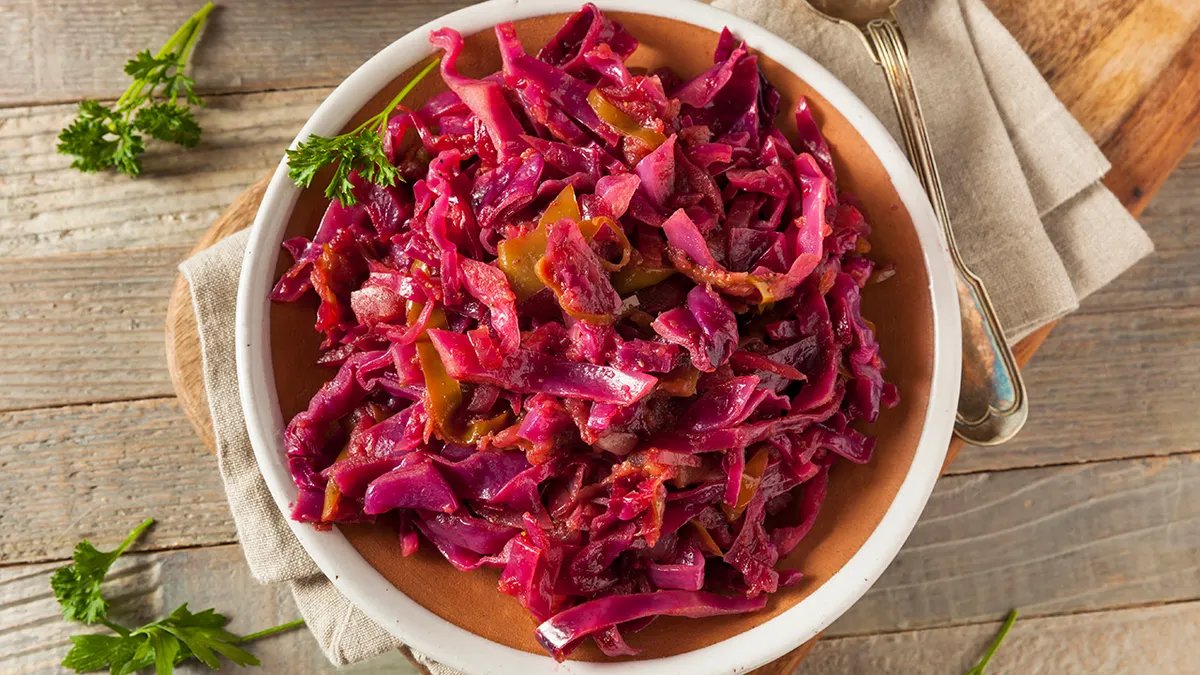
My Uncle Bill, a gruff but endearing man who grew up on the Chesapeake Bay, always insisted on it. “Christmas ain’t Christmas without oysters in the dressing!” he’d boom, eyeing my hesitant plate. “Adds a bit of the sea to the land, don’t it?” Its decline can be attributed to several factors: the increasing cost of fresh oysters, evolving public health concerns about shellfish, and simply a shift in popular taste towards less “adventurous” holiday flavors. The strong, saline taste of oysters can be off-putting to some, and as holiday meals became more universally appealing, more neutral stuffings took center stage. It’s a loss for those who appreciate its unique charm, a true discontinued dish for many.
5. The Subtlety of Creamed Onions
While green bean casserole gets all the glory (or infamy, depending on your stance), there was another vegetable side that once held a prominent place on holiday tables: creamed onions. Picture small, sweet pearl onions, gently simmered until tender, then bathed in a rich, velvety béchamel sauce, often seasoned with a hint of nutmeg. It was a simple dish, elegant in its understated way, offering a sweet and savory counterpoint to the heavier elements of the meal.
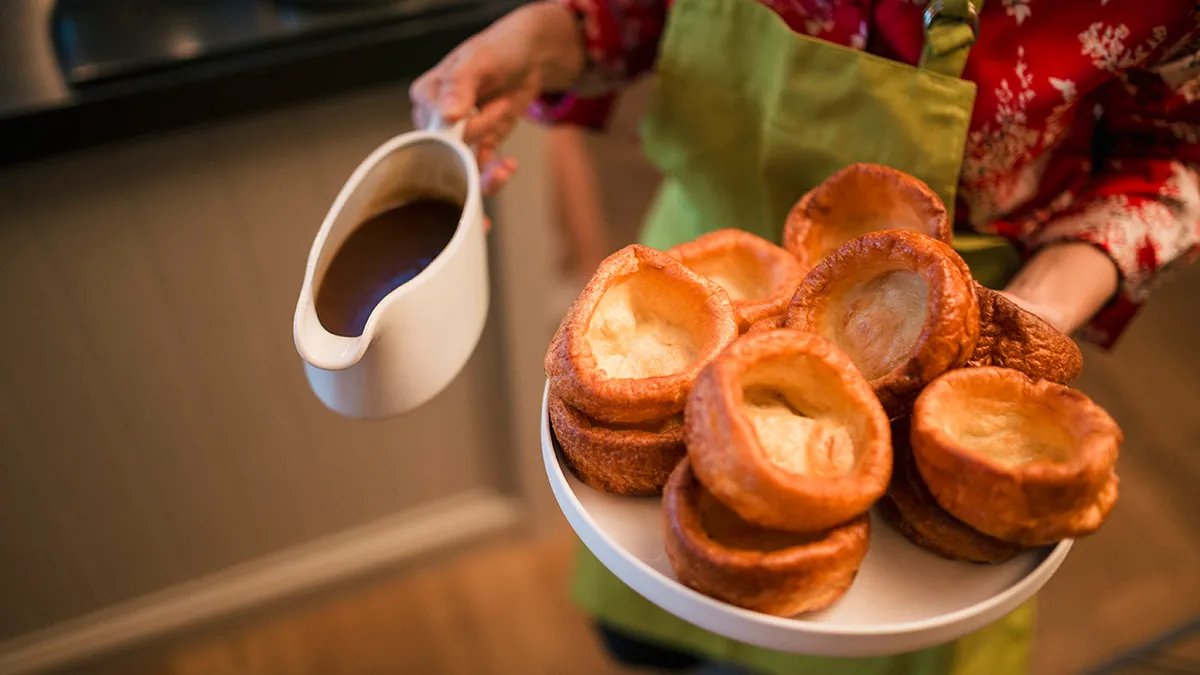
“It was my favorite part of Christmas dinner,” my aunt Carol confessed recently. “So smooth, so comforting. My grandmother always made them from scratch, peeling those tiny onions one by one. I don’t see them anymore.” Why did this humble dish fall out of favor? Perhaps it was the labor involved in peeling dozens of small onions, or maybe the rise of more assertive flavors and textures. It could also be that its creamy, white appearance simply wasn’t as visually exciting as a vibrant green bean casserole or a colorful roasted vegetable medley. Whatever the reason, these delicate, old-fashioned Christmas sides have largely vanished, replaced by flashier, quicker alternatives.
6. The Heavy Heart of Traditional Steamed Plum or Figgy Pudding
While the song “We Wish You a Merry Christmas” famously mentions “bring us some figgy pudding,” very few Americans today actually know what that entails, let alone have it on their Christmas table. These were not light, airy desserts but dense, steamed puddings, often made with suet, dried fruits (plums, figs, raisins), spices, and breadcrumbs. They were steamed for hours, sometimes even days in advance, and then often flambéed with brandy at serving time, creating a dramatic, festive spectacle. This was a true heir to the medieval English Christmas pudding tradition, steeped in history.
“My father’s family was from England, and we *always* had plum pudding,” a retired history professor, Dr. Eleanor Vance, told me passionately. “It was rich, dark, and yes, quite heavy! But it was tradition. We’d find coins in it! My own children prefer lighter cheesecakes now, so it just faded out.” The sheer density, the long cooking time, and a shift in American dessert preferences towards lighter, sweeter, and less boozy finales contributed to its decline. The grand, boozy spectacle of a flaming pudding, while charming, couldn’t compete with the ease of a pie or the allure of a decadent chocolate cake. It’s an incredibly rich piece of festive culinary history that, sadly, is now rarely experienced firsthand.
The Evolving American Palate and Nostalgia’s Call
Reflecting on these six classic Christmas side dishes, it’s clear that our culinary landscape is ever-changing. Factors like the convenience revolution (hello, canned soup casseroles!), evolving health consciousness, the globalization of food, and simply shifting aesthetic preferences have all played a role in retiring these once-beloved plates. It’s a bittersweet realization; while we’ve gained an incredible diversity of new dishes, we’ve also let go of some truly unique and historically significant ones.
Perhaps it’s time, this upcoming holiday season, to dust off an old cookbook, ask a grandparent for their long-forgotten recipe, and try to resurrect one of these culinary ghosts. Imagine the surprise, the conversation, the connection to generations past you could create by bringing a shimmering aspic, a savory mincemeat pie, or a delicate creamed onion dish back to your table. It might just be the most memorable part of your holiday feast. After all, food isn’t just sustenance; it’s history, it’s memory, and it’s a powerful link to who we once were, and perhaps, who we still can be.
Frequently Asked Questions
| Why did these classic Christmas side dishes disappear from American tables? | These classic dishes largely disappeared due to a combination of factors including changing tastes, increased emphasis on convenience in cooking, evolving dietary trends, the rising cost or reduced availability of specific ingredients (like fresh oysters for stuffing), and a general shift away from more labor-intensive or texturally unusual preparations. Our collective palate evolved, favoring lighter, sweeter, or more globally influenced options. |
| What benefits did these forgotten holiday recipes offer? | Many of these recipes offered unique flavor profiles and textures that provided balance to the rich holiday meal. Savory gelatin molds were often seen as refreshing, mincemeat pie offered a complex savory-sweetness, and creamed onions provided a delicate, comforting element. They also carried significant cultural and historical value, connecting families to past generations and traditional holiday practices. |
| How can I find recipes for these old-fashioned Christmas dishes? | You can often find recipes for these vintage dishes in old community cookbooks, family recipe archives, or historical culinary websites. Websites specializing in retro or heirloom recipes are also excellent resources. Libraries often have extensive collections of old cookbooks that can provide authentic instructions. |
| Are any of these disappeared dishes making a comeback? | While not mainstream, there’s a growing interest in food nostalgia and heritage cooking. Some chefs and home cooks are experimenting with modern interpretations of dishes like savory gelatin molds or traditional plum pudding. Oyster stuffing and creamed onions still appear in some regional or historically-minded holiday menus, particularly among those seeking to preserve family traditions. |
| What does the disappearance of these dishes tell us about American food culture? | The fading of these dishes highlights the dynamic nature of American food culture. It shows a rapid evolution in tastes, influenced by post-war convenience, new ingredients, health trends, and globalization. It also points to a shift away from labor-intensive cooking and a preference for universally appealing flavors over more unique or challenging ones, reflecting broader societal changes. |
Important Notice
This FAQ section addresses the most common inquiries regarding the topic.