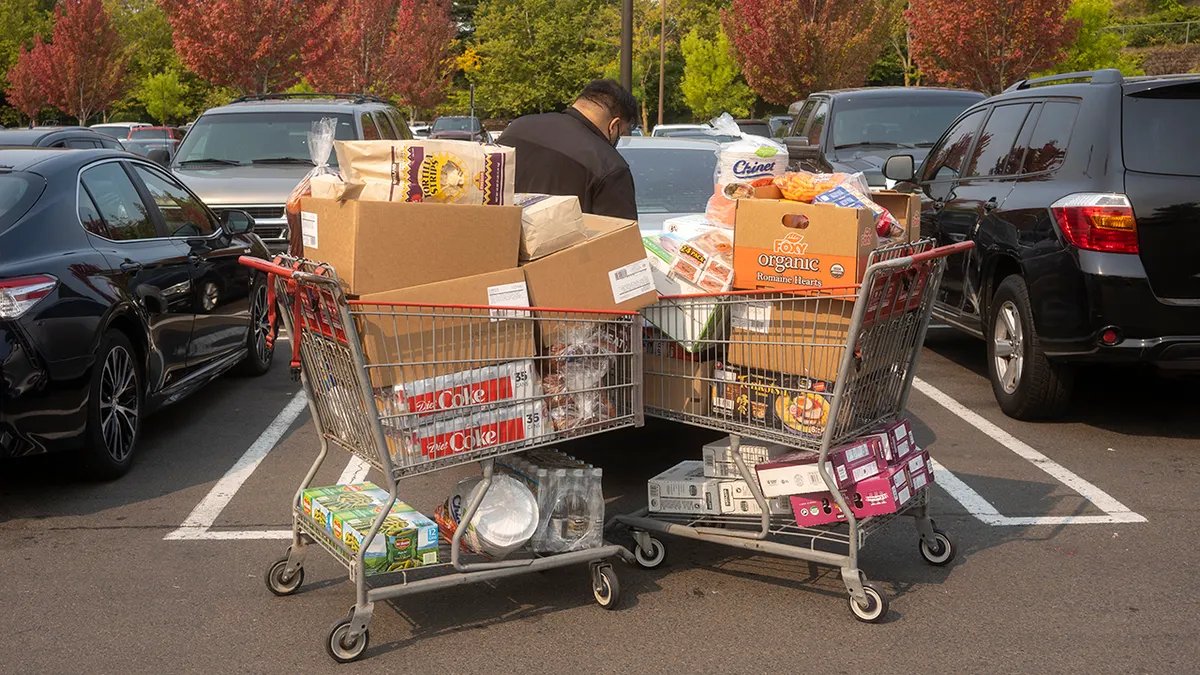
I remember the day I proudly wheeled my overflowing cart out of the warehouse store. Bags of rice, giant tubs of spices, enough dried beans to feed a small army – I was convinced I’d cracked the code to saving money on groceries. It felt like a victory against inflation! The allure of bulk grocery shopping is strong, isn’t it? The promise of lower unit prices, the satisfaction of a well-stocked pantry… But what if I told you that some of those “deals” are actually costing you more in the long run? That’s right, some of those pantry staples you buy in bulk might be silently turning into expensive dust bunnies (or, worse, moldy nightmares).
It’s a scenario many of us have experienced. We see a great price on a huge container of something – say, spices – and think, “Wow, I use a lot of that! I’ll save so much money!” But then, years later, that same spice container is still half-full, the aroma long gone, and you’re tossing it out. (Guilty as charged!) Or maybe you bought a massive bag of flour only to find it infested with pantry moths a few months later. The potential for food waste with bulk purchases is real, and it can negate any initial cost savings. Economists and food waste experts are increasingly cautioning consumers to carefully evaluate their consumption habits before loading up on bulk grocery items. “It’s not about *never* buying in bulk,” explains Sarah Chen, a consumer spending analyst. “It’s about understanding your actual needs and being realistic about how quickly you’ll use something.”
It’s not just about the money, either. There’s the environmental cost of wasted food to consider. All the resources that went into producing, packaging, and transporting that food are lost when it ends up in the trash. Plus, there’s the mental cost of constantly having to manage an overstocked pantry, feeling guilty about the food that’s going bad. This article will delve into which seemingly cost-effective bulk grocery staples might be better left on the shelf. We’ll explore the factors that contribute to food waste and provide tips on how to make smarter shopping decisions. Let’s get started!

The Pitfalls of Pantry Overload
One of the biggest dangers of buying in bulk grocery is simply buying too much. We’re often swayed by the lower unit price without truly considering whether we’ll actually use the quantity we’re purchasing. This can lead to overflowing pantries, forgotten items, and ultimately, food waste.

“I used to buy everything in bulk,” confessed Mark L., a self-proclaimed former bulk-buying addict. “I thought I was being so smart. But then I realized I was throwing away a significant portion of what I bought because it had expired. I was basically paying extra for the privilege of trashing food!”
Think about it: When was the last time you completely emptied a giant container of oats or a massive bag of rice before it started to lose its freshness? Our good intentions often pave the way to a graveyard of half-eaten, stale ingredients.
The Top 5 Bulk Grocery Offenders
Let’s dive into the specific bulk grocery items that experts say are most likely to end up as a waste of money:
1. Spices
Oh, spices. The colorful, aromatic cornerstones of any kitchen. But their potency fades over time. Ground spices typically last for about 6-12 months, while whole spices can last a bit longer, up to 2-3 years. Unless you’re running a restaurant, buying huge containers of spices is generally a bad idea. They’ll lose their flavor long before you use them up.
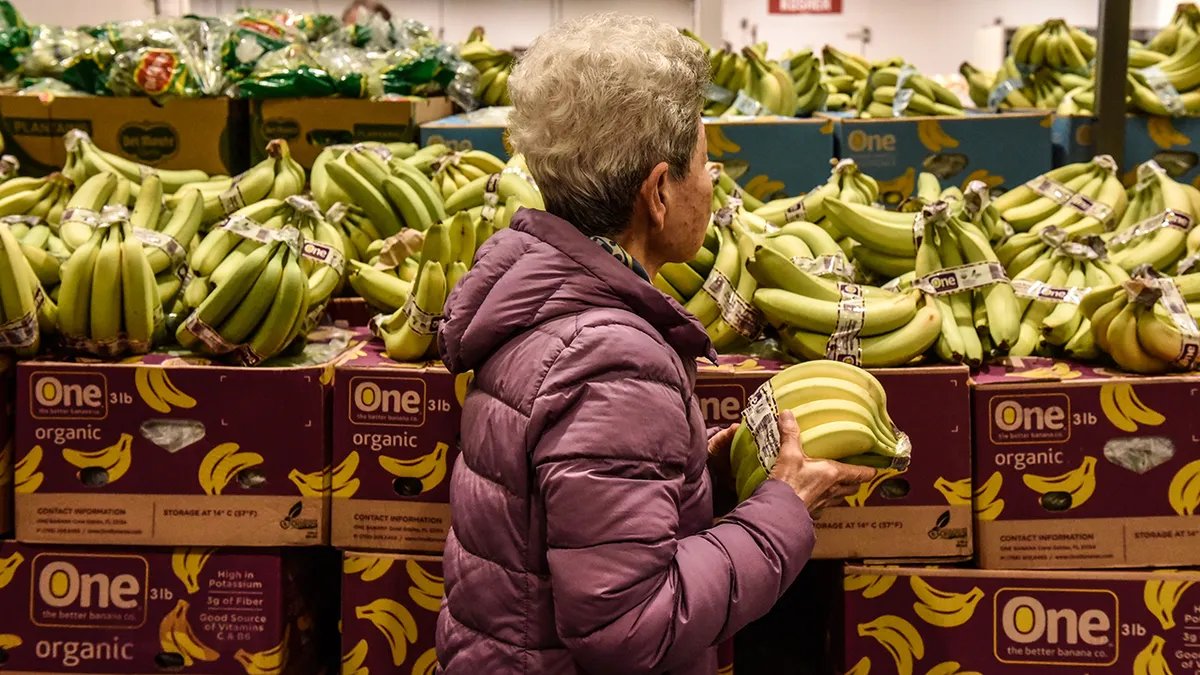
“I learned this the hard way,” admits Emily R., a passionate home cook. “I bought a massive container of paprika, thinking I’d use it all. But after a year, it had lost all its color and flavor. It was basically just red dust. Now, I buy smaller quantities of spices more frequently.”
Consider buying smaller jars from the regular grocery store, or even exploring specialty spice shops where you can buy just what you need. Your taste buds (and your wallet) will thank you.
2. Flour
Flour is another culprit that often leads to food waste. While a large bag of flour might seem economical, it’s susceptible to pantry pests and can go rancid if not stored properly. Whole wheat flour is particularly prone to spoilage due to its higher oil content. Unless you’re a professional baker or bake frequently, a smaller bag of flour is a safer bet.
Here’s a tip: To extend the shelf life of your flour, store it in an airtight container in the freezer.
3. Nuts
Nuts are a healthy and versatile snack, but their high oil content makes them prone to rancidity. Buying a huge bag of nuts might seem like a good deal, but if you don’t eat them quickly, they’ll develop an unpleasant taste and odor.

“I love almonds,” says David K., a health-conscious consumer. “But I learned that buying a giant bag of them is a mistake. They always go bad before I can finish them. Now I buy smaller portions and store them in the fridge to keep them fresh.”
Again, storing nuts in the refrigerator or freezer can significantly extend their shelf life.
4. Dried Beans and Lentils
While dried beans and lentils have a long shelf life, they can still lose their nutritional value and take longer to cook as they age. Buying a massive bag of these legumes might seem economical, but if you don’t use them regularly, they can sit in your pantry for years, slowly deteriorating.
Here’s a chart showing the approximate shelf life of common dried goods:
| Item | Approximate Shelf Life |
|---|---|
| Dried Beans | 2-3 years |
| Lentils | 2-3 years |
| Rice | 2 years (white rice), 6 months (brown rice) |
| Pasta | 1-2 years |
“My grandma always told me that old beans take forever to cook,” laughs Maria S., a seasoned cook. “She was right! I bought a huge bag of kidney beans once, and they took hours to soften. I ended up throwing half of them away.”
5. Condiments
Large jars of condiments like mayonnaise, mustard, and ketchup might seem like a good deal, especially if you use them frequently. However, once opened, these condiments have a limited shelf life and can spoil quickly, especially if not refrigerated properly.
“My fridge is a condiment graveyard,” jokes Tom B., a self-confessed condiment hoarder. “I always buy the biggest jars, thinking I’ll use them all. But then they sit in the fridge for months, and I end up throwing them away. It’s a terrible habit.”
Consider buying smaller bottles of condiments or opting for single-serve packets to avoid waste.
Smart Bulk Buying Strategies
Okay, so maybe buying everything in bulk isn’t the answer. But that doesn’t mean you should avoid it altogether. Here are some strategies for making smarter bulk-buying decisions:
* Assess your consumption habits: Before buying anything in bulk, ask yourself how quickly you’ll realistically use it. Be honest with yourself!
* Check expiration dates: Make sure the expiration dates are far enough out that you’ll have plenty of time to use the product.
* Proper storage is key: Store bulk items properly in airtight containers in a cool, dry place. Consider using the refrigerator or freezer to extend shelf life.
* Buy with a friend: If you can’t use a bulk item on your own, consider splitting the cost and the quantity with a friend or family member.
* Repurpose leftovers: Get creative with using up leftover ingredients. Turn stale bread into croutons, overripe bananas into banana bread, and leftover cooked chicken into soup.

The True Cost of Savings
Ultimately, the decision of whether or not to buy something in bulk grocery should be based on a careful assessment of your individual needs and consumption habits. Don’t be swayed by the allure of a lower unit price if you know you’re not going to use the entire quantity before it spoils. Remember, the cheapest food is the food you actually eat. By being mindful of food waste and making smarter shopping decisions, you can save money, reduce your environmental impact, and enjoy a well-stocked pantry without the guilt.
Buying in bulk can be tempting, promising cost savings and convenience. However, the reality is that some bulk purchases lead to food waste and ultimately, financial loss. By understanding which items are prone to spoilage, employing smart storage techniques, and accurately assessing your consumption habits, you can make informed decisions that benefit both your wallet and the environment. So, the next time you’re tempted by a giant bag of something, take a moment to pause and consider: Is this a deal, or a potential waste?
Frequently Asked Questions
| What are the biggest risks of buying groceries in bulk? | The primary risks include food spoilage before you can use the product, changes in consumption habits that render the bulk purchase unnecessary, and improper storage leading to pest infestations or degradation of quality. |
| What are the potential benefits of avoiding these specific bulk purchases? | Avoiding these bulk purchases can lead to reduced food waste, more efficient use of pantry space, and ultimately, saving money by only buying what you need and can realistically consume. |
| How can I implement smarter bulk buying strategies? | Start by assessing your consumption habits, checking expiration dates carefully, ensuring proper storage (airtight containers, refrigeration, freezing), and considering splitting bulk purchases with friends or family if you can’t use the entire quantity yourself. |
| What are some of the challenges associated with reducing food waste from bulk purchases? | Challenges include accurately predicting future consumption, overcoming the temptation of perceived savings, and consistently practicing proper storage techniques to maximize the shelf life of bulk items. |
| What is the future of grocery shopping and bulk buying? | The future likely involves more personalized shopping experiences, data-driven purchase recommendations based on consumption patterns, and innovative packaging solutions to extend shelf life and reduce food waste. Subscription services and meal planning apps may also play a bigger role in optimizing grocery purchases. |
Important Notice
This FAQ section addresses the most common inquiries regarding the topic.